


How Art Prints Are Made: Methods and Steps Explained
Why do some art prints retain their vibrancy for decades while others fade within months? The difference lies in how they’re made. Understanding art print production helps you make informed decisions whether you’re buying prints for your home, starting a collection, or creating your own work. This guide covers the essential techniques, materials, and step-by-step processes that define quality art prints. You’ll learn what separates museum-grade prints from mass-produced posters, which methods suit different artistic goals, and how to recognize prints worth investing in.
Table of Contents
- Understanding art print techniques: The five main methods
- What you need to make art prints: Materials, tools, and setup
- Step-by-step: The art printmaking process, start to finish
- Comparing art print methods: Pros, cons, and best uses
- Caring for art prints: Ensuring longevity and quality
- Edition sizes and value: What makes a print collectible?
- Find and collect distinctive art prints at Eman’s Gallery
- Frequently asked questions
Key Takeaways
| Point | Details |
|---|---|
| Multiple print methods | Art prints are created using relief, intaglio, stencil, planographic, and digital techniques. |
| Material quality matters | Choosing archival papers and inks ensures the vibrancy and longevity of prints. |
| Proper preparation is key | High resolution and color-managed files are crucial for sharp, accurate digital prints. |
| Edition size influences value | Limited editions and signed prints are more collectible due to their rarity. |
| Care impacts lifespan | Protecting art prints from light, humidity, and acids can help them last for generations. |
Understanding art print techniques: The five main methods
Before you start making or collecting art prints, it’s crucial to know the main printing techniques that define quality, appearance, and value. Art prints are produced using various techniques categorized into relief, intaglio, planographic, stencil, and digital methods. Each creates distinct textures, visual effects, and collector value.
Relief printing involves carving away material from a block, leaving raised areas that receive ink. Woodcuts and linocuts fall into this category. The carved block is inked and pressed onto paper, creating bold lines and high contrast images.
Intaglio printing works in reverse. Artists incise lines into metal plates through etching or engraving. Ink fills these grooves, and pressure transfers the image to dampened paper. This method produces fine detail and subtle tonal variations.
Planographic printing (lithography) relies on oil and water repulsion. Artists draw on limestone or metal plates with greasy materials. The plate is dampened, inked, and pressed to paper, capturing delicate gradations and textures.
Stencil printing (screen printing) pushes ink through mesh screens blocked in specific areas. Each color requires a separate screen. This technique excels at bold, flat colors and graphic designs.
Digital printing (giclée) sprays microscopic ink droplets onto paper or canvas from digital files. Modern pigment-based inks and high-resolution printers reproduce artwork with exceptional accuracy.

Traditional methods offer handmade character and physical texture that collectors value. Digital methods provide color accuracy and consistency for larger runs. The choice depends on your artistic intent, budget, and target audience.
| Method | Process | Best For | Texture |
|---|---|---|---|
| Relief | Carved raised surface | Bold graphics, limited colors | High, visible ink |
| Intaglio | Incised lines in plate | Fine detail, tonal range | Subtle plate marks |
| Planographic | Oil/water separation | Painterly effects, gradients | Smooth, flat |
| Stencil | Ink through mesh | Vibrant colors, editions | Layered, thick |
| Digital | Inkjet spray | Photo reproduction, detail | Minimal, smooth |
For home decorators seeking types of art prints that match specific aesthetics, understanding these methods helps identify what will work in your space. Artists choosing art print mediums benefit from knowing which technique serves their vision and edition goals.
What you need to make art prints: Materials, tools, and setup
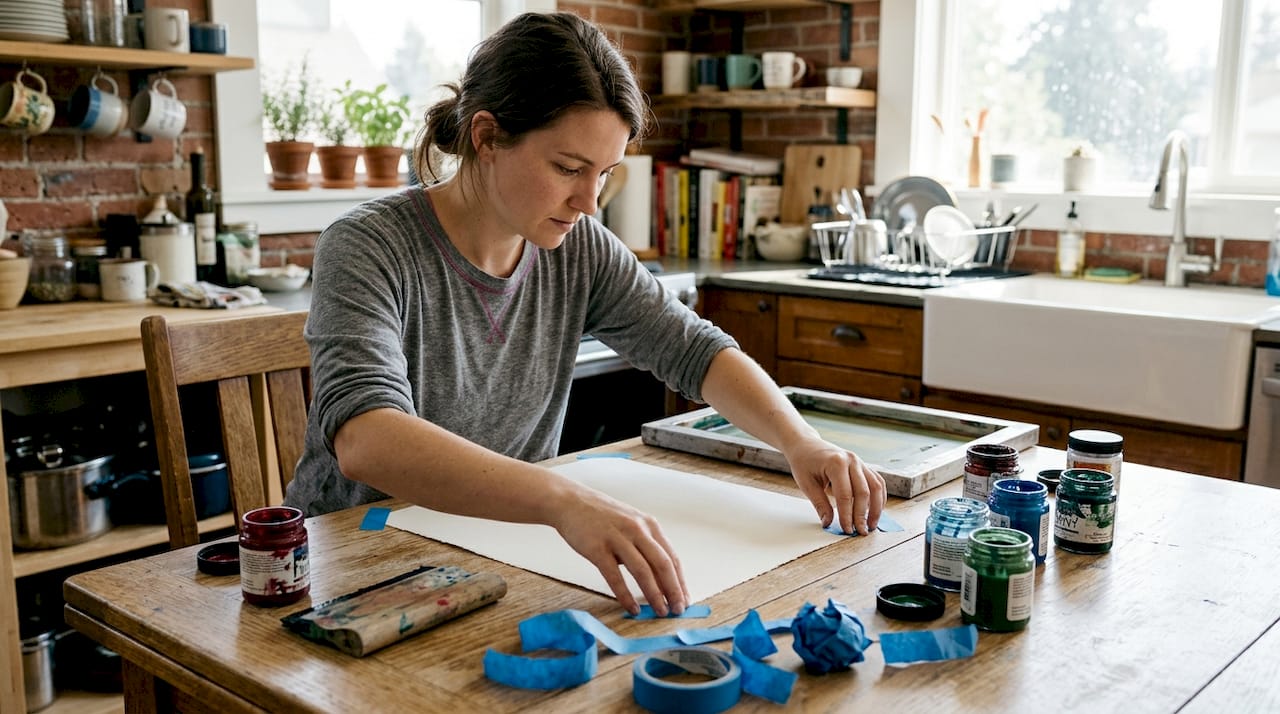
Once you know the approach you want to use, here’s what you’ll need to assemble before you print. Requirements vary significantly by method, but certain fundamentals apply across all techniques.
| Method | Surface | Ink Type | Paper/Canvas | Special Tools |
|---|---|---|---|---|
| Relief | Wood/linoleum block | Oil-based relief ink | Medium-weight printmaking paper | Carving tools, brayer, press or baren |
| Intaglio | Copper/zinc plate | Etching ink | Heavy cotton rag paper | Etching needles, acid bath, press |
| Planographic | Limestone/aluminum | Lithographic ink | Smooth printmaking paper | Grease pencils, gum arabic, press |
| Stencil | Mesh screens | Screen printing ink | Various weights | Squeegee, emulsion, exposure unit |
| Digital | Digital file | Pigment inks | Archival paper or canvas | Calibrated printer, color-managed monitor |
Your workspace needs adequate ventilation for traditional methods using solvents and acids. Temperature and humidity control matter more than you might expect. Paper expands and contracts with moisture, affecting registration and print quality. Aim for 40-50% relative humidity and 65-70°F.
For digital art prints, preparation requires 300 DPI resolution and CMYK color mode for most processes. Scan or photograph original artwork under consistent lighting. Calibrate your monitor to ensure what you see matches what prints. Color management systems prevent the frustration of prints that don’t match your screen.
Canvas prints involve 400-450 GSM canvas and pigment inks for durability. Heavier canvas weights prevent warping and provide better ink absorption. Stretcher bars, gallery wraps, and protective coatings add to the professional finish.
Safety equipment includes gloves, aprons, and respirators for traditional methods. Even water-based inks contain chemicals requiring proper handling. Keep neutralizing solutions nearby when working with acids.
Pro Tip: Use acid-free, archival papers or high-GSM canvas for longevity and color retention. The extra cost pays off in prints that last generations rather than years.
Understanding art print materials and gallery quality standards helps you make choices that align with professional practices from the start.
Step-by-step: The art printmaking process, start to finish
With your materials ready, here’s what the actual printmaking workflow looks like for both traditional and digital art prints. While specific techniques vary, the fundamental sequence remains consistent.
-
Prepare your source image or design. Create original artwork, photograph it, or scan it at high resolution. For traditional methods, transfer your design to the printing surface using tracing paper or direct drawing.
-
Prepare the printing surface. For relief printing, carve a raised image on a block where ink is applied to raised areas and pressed onto paper. For intaglio, incise lines into metal plates. For digital work, optimize your file for the printer’s color space and resolution requirements.
-
Apply ink or prepare for printing. Roll ink onto relief blocks with a brayer. Wipe intaglio plates so ink remains only in grooves. Load screens for stencil printing. For digital, giclée printing sprays archival pigment inks from high-res digital files onto paper or canvas using inkjet printers.
-
Transfer the image. Position paper carefully on the inked surface. Apply pressure through a press, by hand with a baren, or let the printer’s mechanics handle it. Consistent pressure ensures even ink transfer.
-
Dry and finish. Allow prints to dry flat on racks. Traditional prints may need days to cure fully. Trim edges, sign and number editions, and apply protective coatings if needed.
-
Clean up and store. Clean all tools immediately. Store blocks, plates, and screens properly for future editions. Archive digital files with clear naming conventions.
Pro Tip: Always test print on scrap to calibrate colors and coverage. This saves expensive paper and prevents edition inconsistencies.
Wear gloves when handling inks and solvents for all manual printmaking methods. Skin absorption of chemicals poses health risks over time.
The workflow for key art print methods shares these core steps, but timing and technique details differ significantly. Relief printing might take hours per print for hand-rubbed impressions. Digital printing produces finished prints in minutes once files are prepared.
Comparing art print methods: Pros, cons, and best uses
Now that you know how prints are made, it’s easier to choose the right method for your needs or to recognize what you’re buying. Each technique offers distinct advantages and limitations.
Screen printing excels at bold colors and textures but handles limited gradients and editions. Giclée excels in detail, gradients, and small runs. Lithography captures subtle tones but offers a narrower color gamut than digital methods.
| Method | Detail Level | Setup Cost | Edition Size | Longevity | Best Use |
|---|---|---|---|---|---|
| Relief | Medium | Low | 50-500 | 50+ years | Graphic art, book illustrations |
| Intaglio | Very high | High | 50-100 | 100+ years | Fine art, limited editions |
| Planographic | High | Very high | 100-500 | 50+ years | Painterly reproductions |
| Stencil | Medium | Medium | 100-1000 | 30-50 years | Posters, textiles, bold graphics |
| Digital | Very high | Low-medium | Unlimited | 100+ years | Photo reproduction, on-demand |
Traditional methods offer artisanal texture and authenticity valued by collectors. Digital giclée provides superior fidelity and longevity but is seen as reproductions rather than original prints.
Relief printing suits artists who want hands-on involvement and appreciate visible craftsmanship. The physical act of carving and printing connects you directly to each impression. Limited edition runs maintain value.
Intaglio produces the finest lines and most subtle tonal transitions. Collectors prize the embossed plate marks and rich blacks. However, copper plate preparation requires specialized skills and equipment.
Screen printing works beautifully for bold, graphic designs with flat color areas. The thick ink deposits create tactile surfaces. Multiple screens for complex images increase time and cost.
Digital printing democratizes art reproduction. You can print one copy or one thousand with identical quality. Color matching to original artwork reaches levels impossible with traditional methods. The trade-off is less collector cachet for investment purposes.
For those comparing digital vs traditional printing for home décor, digital offers practical advantages in consistency, affordability, and availability. Traditional methods appeal to collectors seeking unique, handmade qualities.
Caring for art prints: Ensuring longevity and quality
Once your print is finished or purchased, proper care and display make all the difference in longevity and appearance. Even the highest quality print degrades without appropriate handling.
Archival practices for paper and pigment ensure prints last decades, not just years. High-quality prints last 50-200+ years with pigment or archival inks, acid-free papers, and proper storage. Regular prints fade in years.
Giclée and pigment prints can last over 100 years with proper care. This longevity rivals or exceeds traditional methods when archival materials are used.
Display and storage guidelines:
- Mount prints with acid-free mats and backing boards
- Frame behind UV-protective glass or acrylic
- Avoid direct sunlight and bright artificial light
- Maintain stable humidity between 40-50%
- Keep away from heat sources and damp areas
- Handle prints with clean, dry hands or cotton gloves
- Store flat in acid-free folders or boxes
- Never use adhesive tape directly on prints
Light exposure causes the most damage. Even indirect daylight fades pigments over time. UV-filtering glazing blocks harmful wavelengths while allowing you to enjoy your prints.
Humidity fluctuations cause paper to expand and contract, leading to warping and foxing (brown spots from mold). Climate-controlled environments preserve prints indefinitely.
For detailed guidance on storing art prints and art print archival care, proper techniques prevent common damage. Professional framers understand these requirements and can advise on materials.
Investing in archival print materials from the start costs more initially but protects your investment long-term. Replacing faded prints costs far more than proper framing.
Edition sizes and value: What makes a print collectible?
Understanding what makes a print collectible can help both buyers and artists make smart choices. Edition size directly impacts market value and collector interest.
Limited editions enhance value through scarcity. Plate wear limits traditional runs, with etching typically producing 50-100 quality impressions. Giclée offers flexibility but relies on artist-imposed limits for scarcity.
Small edition sizes (under 100) command higher prices per print. As plates or blocks wear, later impressions show degradation. Artists often mark these as artist’s proofs or printer’s proofs, which carry premium value.
Edition numbering follows the format “15/50” where 15 indicates the specific print and 50 represents the total edition size. Lower numbers don’t necessarily mean better quality, but collectors often prefer them.
Factors that enhance print value:
- Limited edition size (typically under 250)
- Artist signature in pencil on the print
- Edition number clearly marked
- Documentation of printing method and materials
- Provenance and exhibition history
- Condition and proper archival care
- Artist reputation and market demand
- Rarity of the specific image
Pro Tip: Always verify signatures and edition numbers for investment-quality prints. Unsigned prints or open editions have minimal resale value regardless of quality.
Traditional printmaking methods naturally limit editions through physical wear. Relief blocks soften after hundreds of impressions. Intaglio plates lose fine detail as metal wears. These physical constraints create authentic scarcity.
Digital printing removes physical limitations. Artists must self-impose edition limits and destroy files to create genuine scarcity. Reputable artists document this process and provide certificates of authenticity.
For guidance on collecting limited edition prints and valuing art prints, understanding these factors helps you build a collection that appreciates over time.
Find and collect distinctive art prints at Eman’s Gallery
Ready to apply what you know and find your next beautiful or investment-worthy print? Eman’s Gallery features limited edition, hand-signed, and high-quality giclée or canvas prints suitable for every style. Each print meets the archival standards and production quality discussed throughout this guide.
The gallery specializes in contemporary abstract, geometric, floral, landscape, seascape, and still-life prints. Museum-quality materials ensure your prints maintain their vibrancy for generations. Whether you’re decorating a luxury home or building an art collection, you’ll find prints that combine artistic merit with lasting quality.
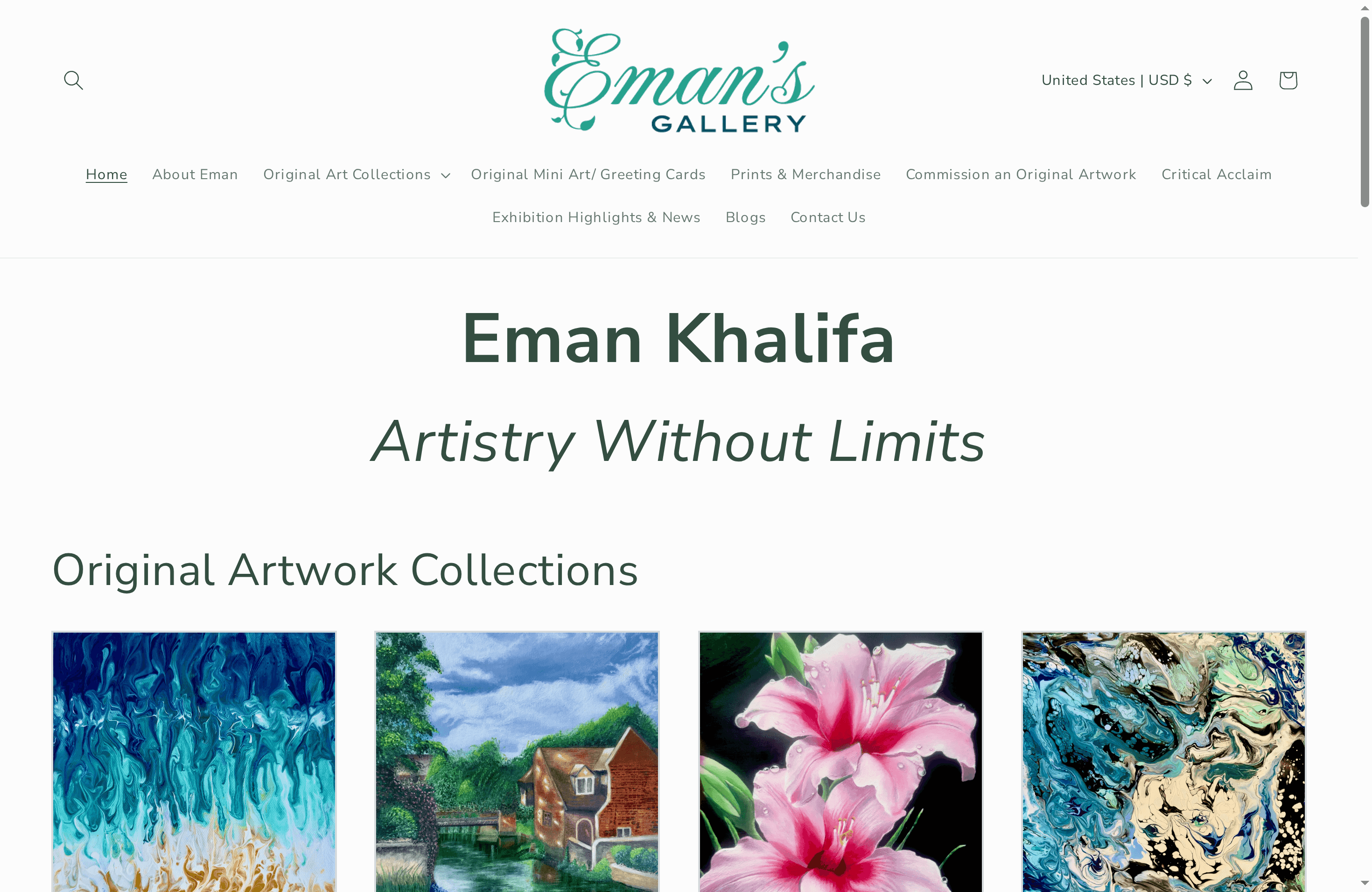
Explore distinctive pieces like the Private Eye canvas print, which demonstrates the color accuracy and detail possible with professional giclée printing. Browse the complete wall art prints collection to discover works that match your aesthetic preferences and quality expectations. Each print includes documentation of materials, edition information, and care instructions to protect your investment.
Frequently asked questions
What is the difference between an art print and a poster?
Art prints use fine materials and printmaking methods for durability and fidelity, while posters are mass-produced with lower quality inks and paper. Digital giclée printing sprays archival pigment inks from high-res digital files onto paper or canvas for precise reproductions that last decades.
What is the most durable art print method?
Giclée prints on archival paper or canvas with pigment inks can last over 100 years when properly cared for. High-quality prints last 50-200+ years with pigment or archival inks, acid-free papers, and proper storage away from light and humidity.
Are limited edition prints more valuable than open edition prints?
Yes, limited editions are typically more valuable due to scarcity and may include artist signatures and numbered runs. Limited editions enhance value as plate wear limits traditional runs to 50-100 impressions, while giclée remains flexible but artist-limited for scarcity.
What resolution and file type should I use for digital art prints?
Use a 300 DPI CMYK image in a lossless format such as TIFF for best results in digital printing. Preparation for printing requires 300 DPI resolution and CMYK color mode for most processes, with image optimization through scanning or photographing originals.
Can I create art prints at home or do I need a professional printer?
You can start making simple prints at home, especially with giclée and relief methods, but professional tools increase quality for larger editions. Home decorators and aspiring artists can start with giclée or canvas for ease and vibrancy, while experts prefer traditional methods for nuances like ink texture.
Recommended
- Art Print Maintenance Workflow for Long-Lasting Beauty - Eman’s Gallery
- Art Print Terminologies: Complete Reference Guide - Eman’s Gallery
- Why Artists Make Prints: Complete Expert Guide - Eman’s Gallery
- What Is an Art Print? Complete Guide for 2025 - Eman’s Gallery
- Why print your wedding photos: preserving memories that last
Stay Connected
- ✨ Explore Eman Khalifa’s original art, fine art prints & art merchandise
- 📸 Follow Eman Khalifa’s art journey on: Instagram @emans_gallery and Facebook Eman’s Gallery
- 📹 Watch Eman Khalifa creating live art on: YouTube @emans_gallery
