


Art Print Terminologies: Complete Reference Guide
Every american art lover faces a maze of unfamiliar terms when stepping into the art print world. With over 40 percent of new collectors unable to distinguish between original prints and reproductions, misunderstandings can lead to costly mistakes or missed opportunities. Decoding the vocabulary and techniques that define art prints not only protects your investment but also deepens your appreciation for these unique works, helping you move confidently and knowledgeably through the vibrant landscape of american artistic expression.
Table of Contents
- Defining Core Art Print Terminologies
- Major Art Print Types And Editions
- Printing Techniques And Materials Explained
- How To Evaluate Art Prints Authentically
- Common Pitfalls And Key Misconceptions
Key Takeaways
| Point | Details |
|---|---|
| Understanding Art Prints | Art prints are original artworks produced in editions through mechanical or digital processes, enhancing their collectibility. |
| Edition Types Matter | Limited editions carry higher value due to their scarcity, while open editions are more accessible but less valuable. |
| Printmaking Techniques | Familiarity with various printmaking techniques, such as giclée and screen printing, is essential for informed collecting. |
| Authentication is Crucial | Proper valuation requires examining provenance, condition, and edition numbering to verify authenticity and value. |
Defining Core Art Print Terminologies
Art prints represent a nuanced world of artistic reproduction where mechanical and digital processes transform original artworks into collectible pieces. According to Chiswick Auctions, prints and multiples are “original artworks made in editions, created through mechanical or digital processes” that carry significant artistic value.
In the realm of art prints, several core terminologies help collectors and enthusiasts understand the intricate landscape of artistic reproduction. Edition refers to the total number of prints created from a single artistic plate or digital file, with each print typically numbered and often signed by the artist. Limited Edition prints represent a predetermined, restricted number of reproductions, which increases their potential value and collectibility.
Printmaking techniques further diversify the art print ecosystem. Key methods include screenprinting, which uses stencils and mesh screens to transfer ink, lithography involving drawing on limestone or metal plates, and digital printing utilizing advanced computer technologies to reproduce artwork with remarkable precision. Each technique offers unique aesthetic qualities and historical significance, allowing artists to explore multiple avenues of artistic expression beyond traditional painting methods.
Understanding these core art print terminologies empowers collectors to make informed decisions. Whether you’re interested in what constitutes an art print or exploring the motivations behind print creation, recognizing the nuanced techniques and definitions transforms how we appreciate these remarkable artistic works.
Major Art Print Types and Editions
Art prints encompass a diverse range of techniques and styles that offer collectors unique opportunities for artistic acquisition. Expert art collectors understand that understanding different print types is crucial for building a sophisticated collection.
Several fundamental art print types dominate the contemporary art market. Giclée prints represent high-quality digital reproductions using specialized inkjet printers, offering exceptional color accuracy and archival durability. Screen prints involve pushing ink through mesh screens to create bold, graphic designs popularized by artists like Andy Warhol. Lithographs, traditionally created by drawing on limestone or metal plates, provide intricate details and smooth color transitions.
Edition types significantly impact an art print’s value and collectibility. Open editions have unlimited reproduction potential, making them more accessible and affordable. Limited editions restrict the total number of prints, with each piece numbered and often signed by the artist. Artist proofs represent a small number of prints reserved for the artist’s personal use, typically comprising 10% of the total limited edition run.
Collectors seeking to build a meaningful art print collection should carefully consider expert tips for acquiring limited edition prints.
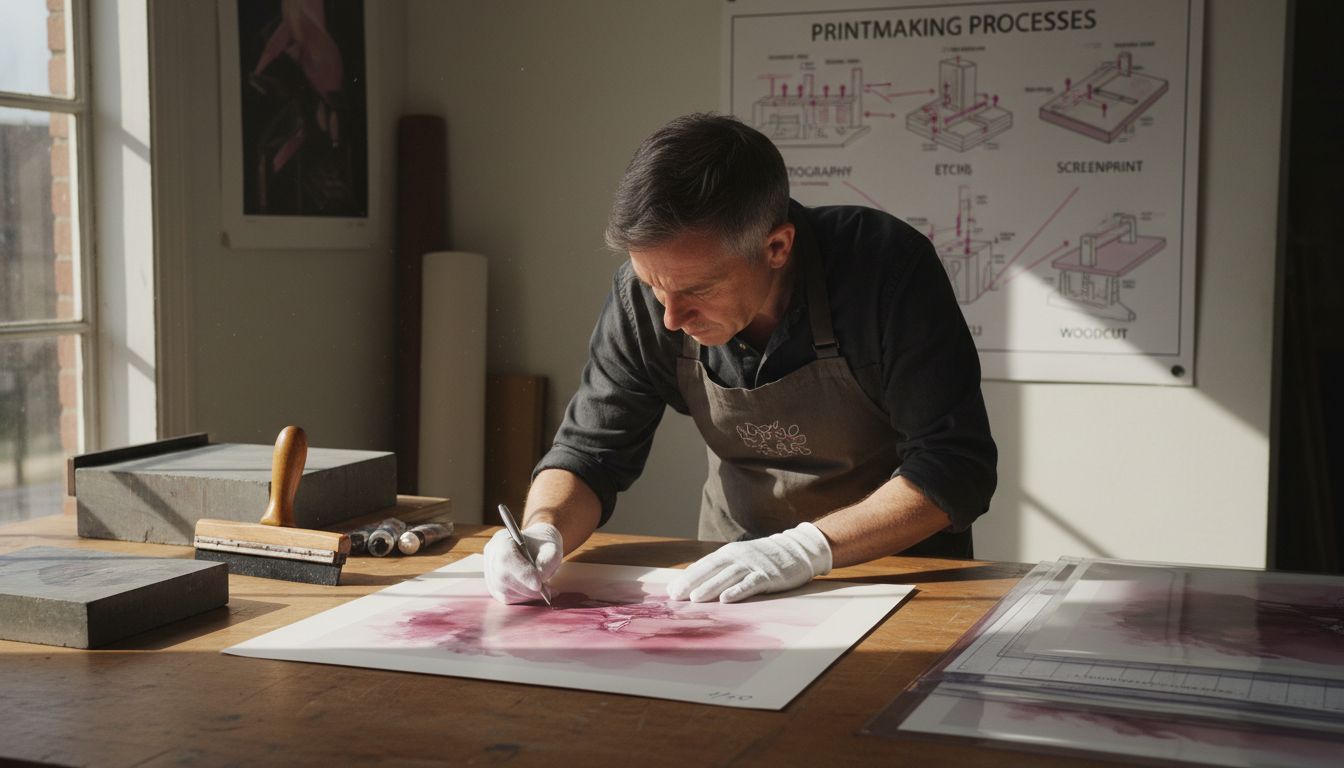 Understanding the nuances between different print types, production techniques, and edition strategies transforms art print collecting from a casual hobby into a sophisticated investment approach.

Printing Techniques and Materials Explained
Artists employ a remarkable array of printing techniques that transform creative visions into tangible artworks. Monotyping, as Wikipedia explains, is a unique printmaking process involving drawing or painting on a smooth, non-absorbent surface, with the image transferred onto paper through pressing, creating distinctive and often unrepeatable prints.
Digital and photographic printing technologies have revolutionized art reproduction. Chromogenic prints, detailed by Wikipedia, represent a sophisticated color printing method using three gelatin layers with different dye couplers. These prints are developed through the RA-4 process, delivering vibrant colors and exceptional image sharpness. Digital giclée printing further expands artists’ capabilities, enabling high-resolution reproductions with remarkable color accuracy and archival quality.
Traditional printmaking techniques continue to captivate artists and collectors alike. Woodcut printing involves carving intricate designs into wooden blocks, while etching uses acid to create detailed metal plate impressions. Screen printing allows artists to layer multiple colors using mesh screens, creating bold graphic designs that range from fine art to commercial applications.
Understanding these diverse printing techniques helps collectors and artists explore why artists choose specific print methods. Each technique offers unique aesthetic possibilities, transforming raw artistic vision into collectible, reproducible art forms that capture creativity in extraordinary ways.
How to Evaluate Art Prints Authentically
Authentic art print evaluation requires a comprehensive understanding of multiple critical factors. According to Chiswick Auctions, collectors must carefully examine the printmaking techniques, edition size, and the artist’s direct involvement in the creation process to determine a print’s true value and authenticity.
Provenance stands as the cornerstone of art print authentication. Collectors should meticulously document an artwork’s ownership history, seeking original certificates of authenticity, artist signatures, and documented edition numbers. Condition assessment involves examining the print for any damage, discoloration, or deterioration that might compromise its artistic and financial value. Professional art conservators can provide detailed condition reports that help buyers make informed decisions.
Technical examination requires understanding specific authentication markers. Edition numbering typically appears as a fraction (e.g., 15/100), indicating the print’s unique position within the total edition run. Artist’s signature should be original, typically located in pencil on the print’s bottom margin. Advanced collectors often utilize specialized tools like UV light inspection and microscopic analysis to verify print authenticity, detecting potential reproduction attempts or forgeries.
Expert collectors understand that comprehensive valuation goes beyond surface-level assessment, requiring deep knowledge of artistic techniques, market trends, and meticulous documentation. The most successful art print collectors combine technical expertise with an intuitive understanding of an artwork’s historical and aesthetic significance.
Common Pitfalls and Key Misconceptions
Chiswick Auctions warns that many art print collectors fall prey to critical misconceptions that can significantly impact their investment strategies. One prevalent myth is the assumption that all prints within an edition are identical in value, when in reality, subtle variations in condition, provenance, and artist involvement can dramatically alter a print’s market worth.
Reproduction prints often confuse novice collectors who mistakenly believe these are equivalent to original art prints. These mass-produced copies lack the artistic integrity and value of limited edition prints created directly under the artist’s supervision. Condition misconceptions represent another significant pitfall, with many collectors underestimating how minor damages can drastically reduce a print’s monetary and artistic value. Professional conservators emphasize that even slight discoloration or edge wear can substantially diminish a print’s collectibility.
Authentication challenges plague the art print market, with collectors frequently misunderstanding key valuation factors. Edition size myths lead many to believe that larger editions are less valuable, when in fact, the relationship between scarcity and artistic significance is far more complex. Some limited editions of renowned artists can command astronomical prices despite having relatively large print runs, while smaller editions from lesser-known artists might have minimal market value.
Collectors seeking to navigate the intricate world of art prints should approach their investments with careful research and expert guidance. Understanding these common misconceptions transforms art print collecting from a potentially risky endeavor into a sophisticated and potentially rewarding pursuit.
Deepen Your Art Print Knowledge with Eman’s Gallery
Understanding complex art print terminologies like limited editions, giclée prints, and artist proofs is the first step toward confident collecting and decorating. If you want to move from knowing definitions to owning stunning original and museum-quality art prints, explore our carefully crafted collections. Each piece reflects precise techniques and authentic artistry that align with the concepts you just learned.
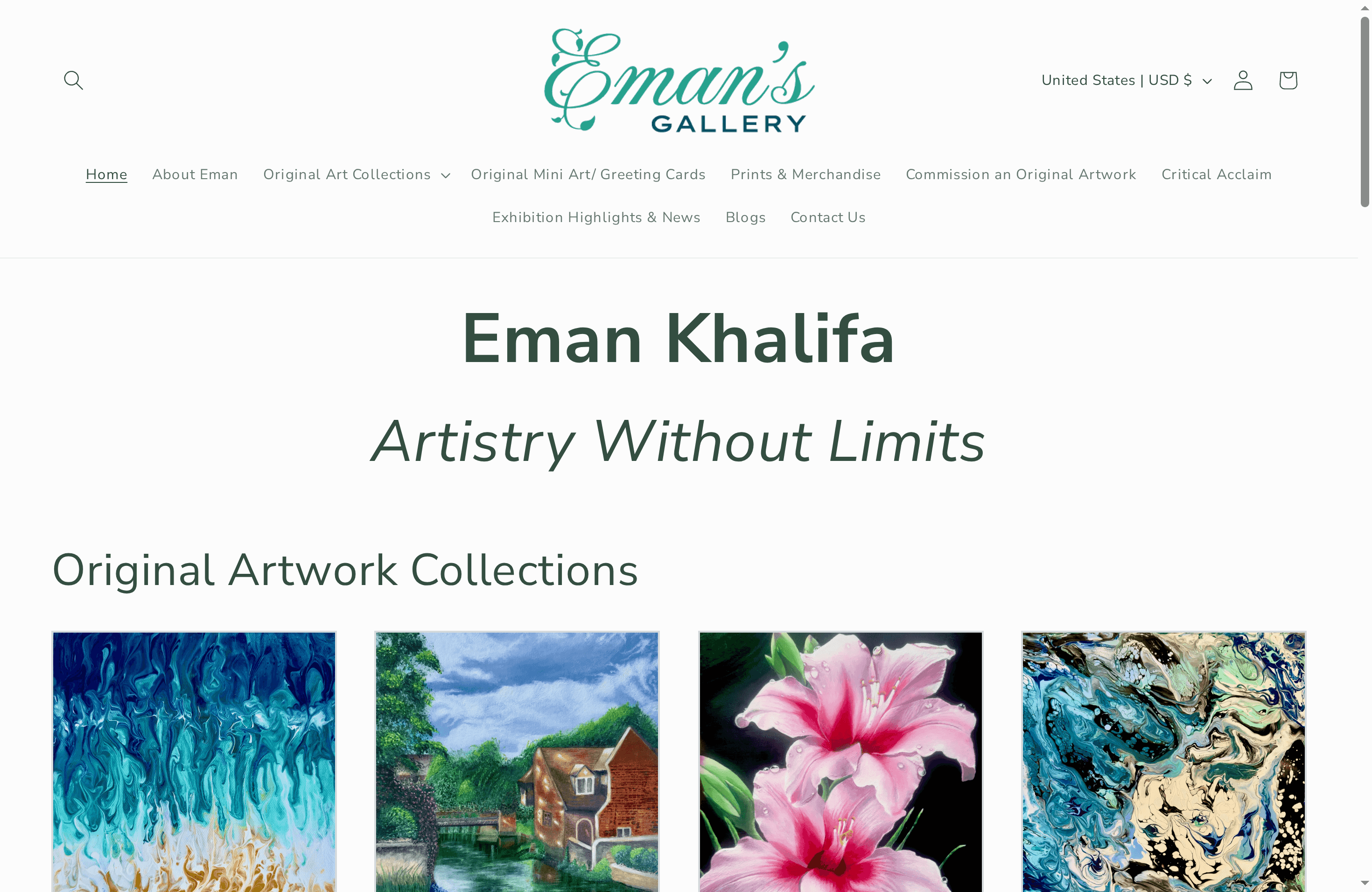
Discover exceptional pieces in our Canvas Art Prints by Eman Khalifa | Premium Giclée Wall Art – Eman’s Gallery and explore diverse styles in Wall Art Prints | Canvas & Framed Art Prints by Eman Khalifa – Eman’s Gallery. Take the next step now by visiting Eman’s Gallery to bring sophistication and authenticity into your collection or living space. Act today to own art that speaks the language of true craftsmanship and lasting value.
Frequently Asked Questions
What are art prints?
Art prints are reproductions of original artworks that are produced through various mechanical or digital processes. They can be collectible pieces valued for their artistry and craftsmanship.
What is the difference between limited edition and open edition prints?
Limited edition prints have a restricted number of reproductions, enhancing their collectibility and value. In contrast, open edition prints can be produced in unlimited quantities, making them more accessible and typically less valuable.
What are the most common printing techniques used for art prints?
Common printing techniques include giclée printing, screen printing, lithography, and monotyping. Each method offers unique aesthetic qualities and involves different processes for reproducing artwork.
How can I evaluate the authenticity of an art print?
To evaluate an art print’s authenticity, check for provenance, edition numbering, and the artist’s signature. Professional assessments or condition reports from conservators can also provide valuable insights into a print’s authenticity and value.
Recommended
- What Is an Art Print? Complete Guide for 2025 – Eman’s Gallery
- Complete Guide to Valuing Art Prints – Eman’s Gallery
- Complete Guide to Why Buy Art Prints – Eman’s Gallery
- 7 Essential Types of Art Prints for Every Decor Style – Eman’s Gallery
Stay Connected
-
✨ Explore Eman Khalifa’s original art, fine art prints & art merchandise
-
📸 Follow Eman Khalifa’s art journey on: Instagram @emans_gallery and Facebook Eman’s Gallery
-
📹 Watch Eman Khalifa creating live art on: YouTube @emans_gallery
-
Supported by BabyLoveGrowth
