


Art Print Maintenance Workflow for Long-Lasting Beauty
More than eighty percent of American and British art collectors risk accidental damage when cleaning valuable original prints at home. If you are a luxury homeowner or professional interior designer, preserving artwork requires meticulous preparation, specialized supplies, and knowledge trusted by leading museums. Discover how a thoughtful approach protects your investment and keeps your treasured prints looking stunning for years to come, whether displayed in a grand American residence or a refined British setting.
Table of Contents
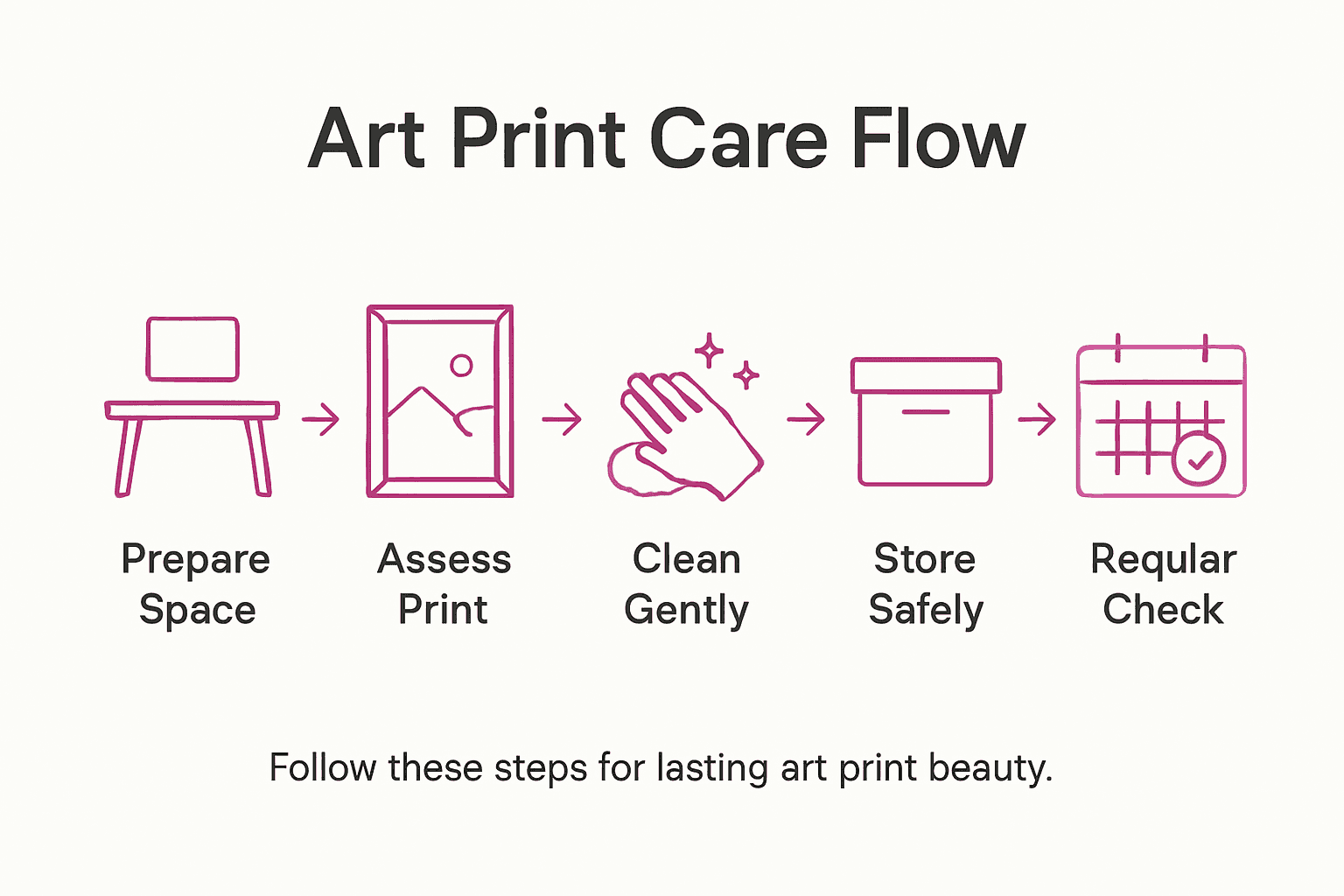
- Step 1: Prepare The Space And Gather Cleaning Supplies
- Step 2: Assess Art Print Condition And Identify Issues
- Step 3: Clean Prints Using Safe, Recommended Techniques
- Step 4: Protect Surfaces With Proper Storage Or Display
- Step 5: Verify Quality And Maintain Regular Upkeep
Quick Summary
| Important Insight | Practical Explanation |
|---|---|
| 1. Create a Clean Workspace | Ensure your cleaning area is spacious, well-lit, and covered to protect prints from damage. |
| 2. Assess Print Condition Thoroughly | Examine prints for signs of damage, documenting findings to track changes over time. |
| 3. Use Safe Cleaning Techniques | Employ gentle cleaning methods with appropriate tools to prevent damage during maintenance. |
| 4. Store and Display Properly | Choose archival materials and conditions to protect prints from environmental hazards. |
| 5. Maintain Regular Upkeep | Implement consistent inspections and documentation to ensure ongoing preservation. |
Step 1: Prepare the Space and Gather Cleaning Supplies
Preparing your workspace is the critical first step in maintaining art prints with precision and care. Your goal is to create a clean controlled environment that protects your valuable artwork while enabling thorough maintenance.
Start by selecting a spacious area with excellent natural lighting. Your workspace should have a large flat surface like a clean table covered with a soft white cotton cloth to prevent scratches. Museums recommend carefully preparing cleaning zones that minimize potential damage to delicate artworks. Gather your essential supplies before beginning the cleaning process including soft microfiber cloths, art-safe cleaning solutions, soft natural bristle brushes, lint-free white cotton gloves, and distilled water.
Your cleaning kit should include specialized tools designed for art preservation. Look for non-abrasive materials that will not harm delicate print surfaces. Specialized conservation programs emphasize using pre-mixed stock solutions tailored for specific art media to ensure safe cleaning.
Pro tip: Always test cleaning solutions on a small hidden area of the print first to confirm no discoloration or damage will occur.
Step 2: Assess Art Print Condition and Identify Issues
Assessing your art print’s condition is a critical step in preserving its long-term beauty and value. This detailed examination helps you understand the current state of your artwork and identify potential preservation needs.
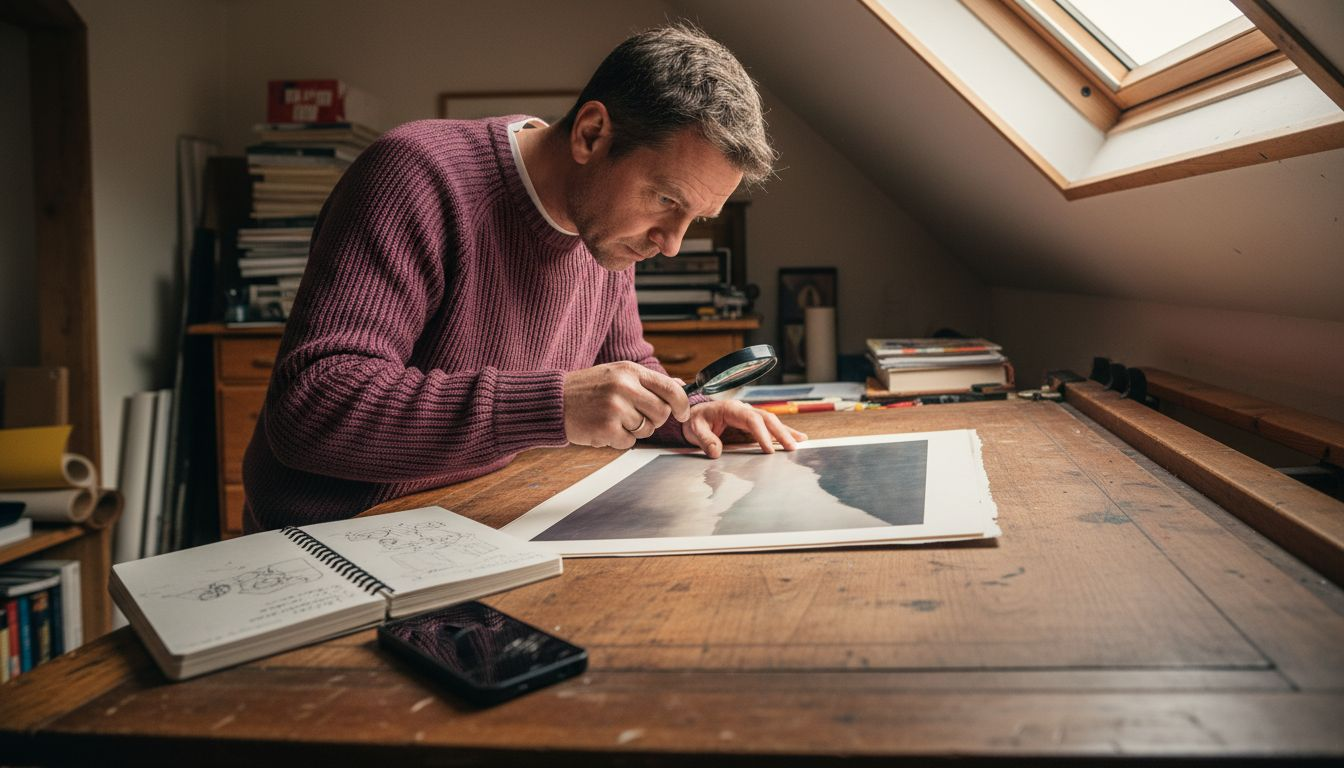
Creating a comprehensive condition report involves carefully examining the print under good lighting for signs of damage or deterioration. Look closely for common issues like paper discoloration, surface scratches, edge wear, fading, and structural weaknesses. Pay special attention to the print’s edges, corners, and areas that might have been exposed to direct sunlight or humidity. Use clean white cotton gloves to handle the print and prevent additional oil or dirt transfer.
Detailed documentation through photographic and written records helps track the artwork’s condition over time. Photograph any identified issues from multiple angles and create written notes describing the location, size, and nature of each imperfection. This approach provides a baseline for future conservation efforts and helps you determine whether professional restoration might be necessary.
Pro tip: Use neutral indirect lighting and a magnifying glass to reveal subtle damages that might be invisible to the naked eye.
Here’s a quick summary of common art print issues and suggested professional solutions:
| Issue Detected | Possible Cause | Professional Response |
|---|---|---|
| Discoloration | Light or humidity exposure | Relocate and monitor environment |
| Surface Scratches | Improper handling or cleaning | Use specialized soft brushes |
| Edge Wear | Frequent movement or poor storage | Upgrade to archival materials |
| Fading | Prolonged direct sunlight | Use UV-filtering glazing |
| Structural Weaknesses | Paper aging or stress | Consult conservation experts |
Step 3: Clean Prints Using Safe, Recommended Techniques
Cleaning art prints requires precision, gentleness, and specialized techniques to preserve their original beauty and prevent potential damage. Your goal is to remove dust and minor surface contaminants without compromising the print’s delicate surface.
Professional conservation guidelines recommend using soft brushes and lint-free cloths to safely remove dust and particulate matter from your art print. Start by working in a clean, well-lit area with a soft natural bristle brush designed for delicate surfaces. Hold the brush at a slight angle and use gentle sweeping motions from one edge of the print to another, allowing dust to fall away naturally. Always move in one consistent direction to avoid pushing particles into the print surface.
Advanced restoration technologies emphasize minimally invasive cleaning approaches that protect the print’s structural integrity. When dealing with stubborn dust or light surface grime, use a specialized art conservation microfiber cloth slightly dampened with distilled water. Avoid saturating the cloth and never apply direct moisture to the print. Gently dab or sweep the surface with minimal pressure, working carefully to prevent any potential damage or discoloration.
Pro tip: Always test your cleaning method on a small inconspicuous area of the print first to ensure no adverse reactions occur.
Step 4: Protect Surfaces with Proper Storage or Display
Protecting your art prints requires strategic planning and careful consideration of environmental factors that could potentially damage their delicate surfaces. Your ultimate goal is to create a preservation environment that maintains the print’s original quality and prevents deterioration.
Professional conservation guidelines emphasize the critical importance of environmentally controlled storage spaces with stable temperature and humidity levels. Choose storage locations away from direct sunlight, heating vents, and areas with significant temperature fluctuations. Use acid-free, lignin-free archival folders or portfolio cases designed specifically for art preservation. When displaying prints, select frames with UV-filtering glazing to protect against light damage and choose locations with indirect, minimal light exposure.
Museum-grade storage recommendations suggest using flat storage methods to minimize stress on the print’s surface. Invest in archival quality storage boxes with cushioned shelving and acid-free tissue paper for separation. For framed prints, ensure they are mounted using conservation grade materials like pH neutral mats and backing boards. Always handle prints with clean white cotton gloves and avoid touching the printed surface directly to prevent oil transfer or potential damage.
Pro tip: Rotate displayed prints every six months and store them in dark, climate-controlled spaces to significantly extend their preservation life.
The following table compares recommended storage and display methods for maximizing art print preservation:
| Method | Benefits | Potential Drawbacks |
|---|---|---|
| Flat Storage | Minimal stress, stable | Requires significant space |
| Archival Framing | UV protection, displayable | Higher cost for quality materials |
| Portfolio Case | Portable, good separation | Limited air circulation |
Step 5: Verify Quality and Maintain Regular Upkeep
Verifying the ongoing quality of your art prints requires a systematic and disciplined approach to preservation and documentation. Your goal is to create a comprehensive tracking system that helps you monitor the condition of your prints over time and catch potential issues early.
Developing a robust inventory system with detailed condition documentation is crucial for maintaining your art prints. Create a dedicated digital or physical logbook where you record each print’s initial condition, with high-resolution photographs taken from multiple angles. Schedule quarterly or biannual inspections to document any changes, noting details like color shifts, surface texture alterations, or emerging signs of degradation. Use archival quality paper for your logs and consider digital backups to ensure comprehensive record keeping.
Institutional conservation practices recommend systematic monitoring and preventive care to protect artwork integrity. Implement a routine that includes environmental checks of storage and display areas, tracking temperature, humidity, and light exposure. Compare your current documentation against previous records to identify any subtle changes that might indicate potential preservation challenges. Pay special attention to prints displayed in areas with variable environmental conditions and be prepared to adjust their storage or display method if you notice any concerning developments.
Pro tip: Create a digital spreadsheet with automatic reminder alerts for your periodic art print inspections to ensure consistent and timely maintenance.
Preserve and Elevate Your Art Prints with Premium Canvas Solutions
Maintaining the long-lasting beauty of your art prints can be challenging when faced with issues like discoloration, surface scratches, and environmental deterioration. This article highlighted the importance of careful cleaning, proper storage, and continuous condition monitoring to protect delicate artworks. For art collectors and enthusiasts seeking museum-quality durable options, choosing the right print material is essential in minimizing these preservation hurdles.
Explore our collection of Canvas Art Prints by Eman Khalifa | Premium Giclée Wall Art to discover original paintings printed on high-grade canvas designed to withstand the rigors of display and handling. Each piece offers exceptional color stability and structural strength, which reduces common problems such as fading and edge wear.
Protect your investment and enjoy pristine artwork for years to come. Visit Eman’s Gallery today to browse exclusive art selections with built-in longevity features ideal for mindful preservation. Take the first step towards refined art print care and elevate your collection with durable, gallery-quality pieces. Also consider checking out our Artwork Printed on Canvas for additional options that combine aesthetic appeal with professional-grade preservation standards.
Frequently Asked Questions
What are the essential supplies I need for art print maintenance?
To effectively maintain art prints, gather supplies like soft microfiber cloths, art-safe cleaning solutions, natural bristle brushes, lint-free gloves, and distilled water. Create your cleaning kit before starting, ensuring you include non-abrasive materials that won’t harm delicate surfaces.
How can I assess the condition of my art print accurately?
Assess your art print’s condition by examining it under good lighting for signs of damage like discoloration, scratches, or fading. Document your findings with photographs and notes to track any issues over time, helping you determine if professional restoration is needed.
What techniques should I use to clean art prints without causing damage?
Use soft brushes and lint-free cloths to gently remove dust and grime from art prints. Always work in one direction and avoid saturating cleaning materials; opt for a slightly damp cloth when necessary to prevent moisture from harming the print.
How should I store my art prints to extend their longevity?
Store art prints in acid-free, lignin-free archival folders or cases, away from direct light and fluctuating temperatures. Use flat storage methods to minimize stress on the prints and handle them with clean gloves to avoid transferring oils or dirt.
How often should I check on the condition of my art prints?
Schedule regular inspections of your art prints, ideally every three to six months, to monitor their condition for any changes. Create a logbook to document findings, helping to catch potential issues early and maintain their beauty over time.
What should I do if I notice signs of damage on my art print?
If you find damage like fading or discoloration, consider relocating the print to a more controlled environment. Document the damage and seek professional advice on restoration options to ensure the print’s preservation without further damage.
Recommended
- Art Print Care Instructions for Preserving Fine Art – Eman’s Gallery
- How to Store Art Prints Safely and Preserve Quality – Eman’s Gallery
- 7 Essential Types of Art Prints for Every Decor Style – Eman’s Gallery
- What Is an Art Print? Complete Guide for 2025 – Eman’s Gallery
- Carpet Steam Cleaning in Melbourne | Expert Carpet Cleaning, Stain Removal & Deep Cleaning Services - 360 Cleaning Solutions
Stay Connected
- ✨ Explore Eman Khalifa’s original art and fine art prints
- 📸 Follow Eman Khalifa’s art journey on: Instagram @emans_gallery and Facebook Eman’s Gallery
- 📹 Watch Eman Khalifa creating live art on: YouTube @emans_gallerye
