


Art Print Care: 40% Longer Life with Archival Methods
Many collectors mistakenly assume standard framing provides adequate protection for their art prints. Research shows archival care methods can extend print life by up to 40% compared to basic approaches. This guide delivers practical preservation strategies tailored for luxury home environments, covering environmental controls, framing choices, maintenance routines, and storage solutions that keep original art prints vibrant for decades.
Table of Contents
- Selection Criteria For Effective Art Print Care
- Frame And Glazing Options: Protection Vs. Presentation
- Environmental Controls: Managing Humidity, Temperature, And Light
- Cleaning And Maintenance: Safe Routines For Longevity
- Handling And Storage Practices For Original Art Prints
- Summary Comparison: Choosing The Right Care Strategy For Your Art Prints
- Situational Recommendations: Best Care Approaches For Common Collector Needs
- Discover And Preserve Your Original Art Prints With Eman’s Gallery
Key Takeaways
| Point | Details |
|---|---|
| Environmental Stability | Maintain humidity at 40-55% and temperature at 65-75°F to prevent degradation |
| Framing Protection | UV-filtering glazing paired with acid-free matting offers optimal preservation |
| Safe Cleaning | Gentle dusting every 3-6 months with soft brushes maintains vibrancy without damage |
| Archival Storage | Polyester sleeves and acid-free folders prevent chemical harm during storage periods |
| Customized Strategies | Match care approaches to your display environment, budget, and print exposure level |
Selection Criteria for Effective Art Print Care
Choosing the right preservation methods requires understanding how different factors impact your art prints. Stable environments with controlled humidity and temperature slow print degradation, making environmental stability your first priority. Fluctuations cause paper expansion and contraction, accelerating wear and encouraging mold growth.
Material compatibility matters equally. Each print type responds differently to framing materials, cleaning agents, and storage conditions. Match your care approach to your print’s specific medium, whether you own watercolors, lithographs, or giclée prints on canvas.
Protection from light damage proves critical for long term preservation. UV radiation breaks down pigments and paper fibers, causing irreversible fading. Visible light also contributes to deterioration over time, though at a slower rate than UV exposure.
Safe handling practices prevent both physical and chemical damage. Your skin’s natural oils can transfer to prints, creating permanent stains. Understanding these factors helps you build a collecting checklist for luxury homes that prioritizes preservation alongside aesthetics.
Pro Tip: Create a simple preservation checklist for each print in your collection, noting its medium, current display location, and specific care requirements. This reference streamlines maintenance routines.
Key selection criteria include:
- Environmental control capabilities in your display space
- Budget allocation for archival versus standard materials
- Print medium and its specific vulnerabilities
- Display duration and rotation frequency
- Available storage space and conditions
Consult comprehensive art print preservation guidelines when evaluating care options for valuable pieces.
Frame and Glazing Options: Protection Vs. Presentation
Framing choices directly impact how well your art prints resist environmental damage. UV filtering glass blocks up to 99% of harmful radiation while maintaining superior clarity. UV-filtering glass blocks up to 99% of UV light and provides higher clarity than acrylic glazing, making it ideal for valuable original prints in high light areas.
Acrylic glazing offers different advantages. It weighs significantly less than glass, reducing frame stress and simplifying installation. Acrylic resists shattering, providing safety benefits in homes with children or high traffic areas. However, acrylic scratches more easily and may develop static that attracts dust.
Acid-free matting creates an essential buffer between your print and the glazing. Standard mats contain acids that migrate into paper over time, causing yellowing and brittleness. Museum-quality mats cost more initially but prevent this chemical damage for decades.
Standard glass without UV filtering allows harmful radiation to reach your prints continuously. This cheaper option saves money upfront but accelerates fading, potentially ruining valuable artwork within years rather than decades.
| Glazing Type | UV Protection | Clarity | Weight | Scratch Resistance | Cost |
|---|---|---|---|---|---|
| UV-Filter Glass | 99% | Excellent | Heavy | High | $$$ |
| Museum Acrylic | 98% | Very Good | Light | Moderate | $$$ |
| Standard Glass | 0-45% | Excellent | Heavy | High | $ |
| Standard Acrylic | 0-45% | Good | Light | Low | $ |
Pro Tip: For budget-conscious collectors, prioritize UV-filtering glazing for prints displayed in rooms with significant natural light. Use standard glass only for pieces in dim hallways or rooms with minimal windows.
Framing considerations include:
- Matching frame depth to mat and print thickness
- Ensuring proper spacing prevents print contact with glazing
- Using sealed backing to block dust and pollutants
- Selecting hanging hardware rated for total frame weight
Explore our expert framing guide for detailed specifications tailored to different print types and display environments.
Environmental Controls: Managing Humidity, Temperature, and Light
Maintaining stable conditions prevents most deterioration in paper-based artworks. Ideal humidity ranges between 40-55% and temperature around 65-75°F (18-24°C) preserve paper prints best. Humidity below 40% causes paper brittleness, while levels above 55% encourage mold growth and insect activity.
Temperature fluctuations prove equally damaging. Rapid changes cause materials to expand and contract at different rates, stressing adhesives and fibers. Each heating and cooling cycle ages your prints incrementally, accumulating damage over seasons.
Stable environments reduce material fatigue and color fading by up to 40% compared to spaces with daily temperature swings. This preservation benefit justifies investing in environmental controls for serious collections.
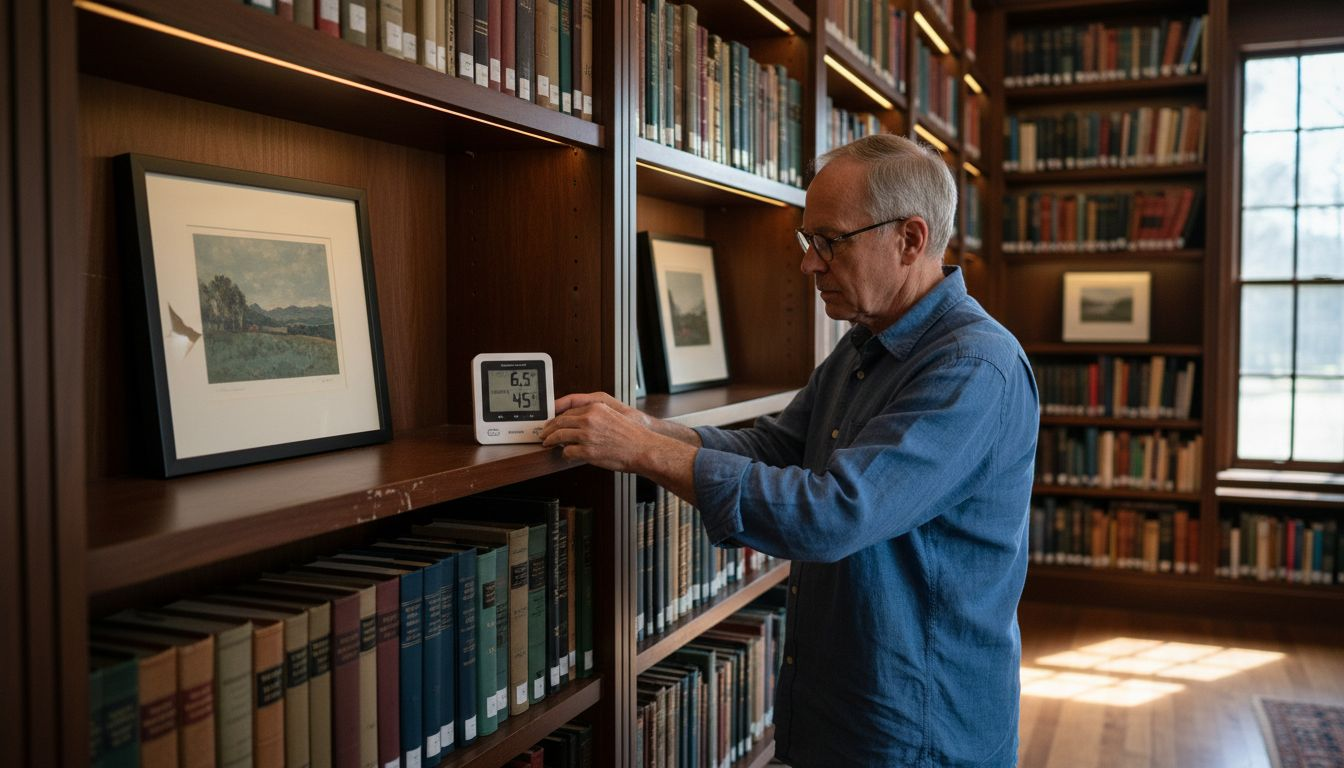
Light management requires multiple strategies. Never hang original prints where direct sunlight strikes them, even briefly. UV rays cause immediate damage that compounds over time. Use window films, curtains, or blinds to control natural light in display rooms.
Artificial lighting needs consideration too. LED bulbs emit minimal UV radiation and generate less heat than incandescent or halogen options. Position lights to illuminate prints indirectly when possible, reducing both UV exposure and heat buildup near artwork.
Stat: Studies show prints in controlled environments retain 40% more color vibrancy after 10 years compared to those in fluctuating conditions.
Environmental control strategies include:
- Installing hygrometers to monitor humidity levels continuously
- Using dehumidifiers or humidifiers to maintain target ranges
- Avoiding display near heating vents, fireplaces, or exterior walls
- Implementing timers for artificial lighting to limit exposure hours
- Scheduling seasonal checks when HVAC systems switch between heating and cooling
Integrate these controls with your broader art prints interior design strategy to protect investments while creating stunning displays. Reference your collecting checklist when evaluating new display locations. Learn more about optimal environmental conditions for art prints from conservation specialists.
Cleaning and Maintenance: Safe Routines for Longevity
Regular maintenance preserves print appearance without causing damage. Gentle dusting every 3-6 months with soft brushes preserves print surface without harm. Natural bristle brushes work best, as synthetic fibers can generate static that attracts more dust.
Never spray liquids directly onto prints or glazing. Moisture can seep behind mats, causing irreversible staining and mold. Clean glass or acrylic glazing by lightly dampening a microfiber cloth with distilled water, then wiping gently. Dry immediately with a separate clean cloth.
Avoid ammonia-based glass cleaners completely. These chemicals can damage both glazing coatings and frame finishes. Water marks from tap water also leave mineral deposits on glazing surfaces over time. Stick with distilled water or specialized art glazing cleaners.
Inspection frequency depends on your display environment. High traffic areas accumulate dust faster, requiring more frequent attention. Rooms near kitchens may develop grease film on glazing. Basements or bathrooms with humidity concerns need regular mold checks.
Pro Tip: Photograph your prints annually from the same distance and lighting. Comparing images reveals gradual fading or damage your eyes might miss day to day.
Follow these maintenance steps:
- Remove loose dust from frame edges using a soft brush
- Inspect glazing edges and backing for gaps where pollutants enter
- Check mat edges visible through glazing for discoloration
- Examine print surface for signs of fading, especially vibrant colors
- Look for condensation, mold spots, or insect activity
- Verify hanging hardware remains secure and frame stays level
Detailed procedures appear in our fine art print care instructions guide, including troubleshooting common preservation problems.
Handling and Storage Practices for Original Art Prints
Proper handling prevents damage during movement, rotation, or storage transitions. Always wear clean cotton gloves when touching unframed prints. Your skin’s natural oils transfer instantly, creating fingerprints that oxidize into permanent brown stains over months.
Archival polyester sleeves and acid-free folders prevent acid migration and physical damage during storage. These materials cost more than standard plastic sleeves or cardboard folders but maintain print condition indefinitely. Standard materials contain chemicals that leach into paper, causing yellowing within years.
Store unframed prints flat rather than rolled whenever possible. Rolling stresses paper fibers and can crack certain print media. If rolling proves necessary for large works, use acid-free tubes with at least 4-inch diameter. Smaller tubes create tighter curves that damage prints.
Never stack prints directly on each other, even in protective sleeves. Weight compresses lower prints, and any surface irregularities can emboss through sleeves. Place acid-free tissue between sleeved prints or store each in separate folders within flat file drawers.
Pro Tip: Label storage containers with print titles, dimensions, and storage dates. This organization minimizes handling time when retrieving specific pieces for display rotation.
Storage best practices include:
- Choosing storage locations with the same environmental stability as display areas
- Keeping prints away from exterior walls where temperature fluctuates
- Using archival boxes that fit print dimensions without folding
- Avoiding attics, basements, and garages with extreme conditions
- Checking stored prints annually for early signs of damage
| Storage Material | Acid-Free | Protection Level | Cost | Best For |
|---|---|---|---|---|
| Polyester Sleeves | Yes | Excellent | $$$ | Valuable originals |
| Glassine Sheets | Yes | Good | $$ | Moderate value prints |
| Acid-Free Folders | Yes | Very Good | $$ | Organizing collections |
| Standard Plastic | No | Poor | $ | Never use |
Explore comprehensive guidance on storing art prints safely and integrate these practices with your maintenance workflow for complete protection.
Summary Comparison: Choosing the Right Care Strategy for Your Art Prints
Comparing preservation approaches helps you match strategies to your specific needs and constraints. This comparison synthesizes all previous factors into actionable decision points.
| Care Strategy | Protection Level | Initial Cost | Maintenance | Best For | Limitations |
|---|---|---|---|---|---|
| UV Glass + Archival Mat | Excellent | High | Low | High-value prints in bright rooms | Weight and fragility |
| Museum Acrylic + Archival Mat | Excellent | High | Moderate | Large prints or high-traffic areas | Scratches easier |
| Standard Glass + Acid-Free Mat | Good | Moderate | Low | Prints in dim spaces | Limited UV protection |
| Unframed Archival Storage | Very Good | Low | Very Low | Rotation collections or seasonal display | No visibility |
| Standard Frame + Mat | Fair | Low | Moderate | Reproduction prints or temporary display | Accelerated aging |
Environmental control benefits every strategy but proves most critical for unframed storage and basic framing approaches. Active humidity and temperature management compensates somewhat for less protective glazing choices.
Cleaning method selection depends primarily on whether prints are framed or unframed. Framed pieces require only glazing maintenance and frame dusting. Unframed works need specialized care that varies by medium.
Material-specific recommendations include extra caution for watercolors and works on fragile papers. These pieces benefit most from museum-grade protection regardless of display location. Giclée prints on canvas tolerate slightly wider environmental ranges but still require UV protection to prevent fading.
Use our selecting the right art print care resource to evaluate options based on your collection’s specific characteristics and value.
Situational Recommendations: Best Care Approaches for Common Collector Needs
Tailoring preservation strategies to your circumstances maximizes protection within practical constraints. These scenarios address situations most collectors encounter.
For rooms with abundant natural light, prioritize UV-filtering glazing as your primary defense. Add acid-free matting and keep prints away from direct sun paths. Consider motorized blinds that close automatically during peak sun hours. Monitor for fading by comparing print colors to stored reference images annually.
Budget-conscious collectors should invest strategically rather than uniformly. Allocate archival materials to your most valuable or irreplaceable prints first. Standard glass with acid-free matting provides reasonable protection for moderate-value pieces in controlled environments. Save premium UV-filtering glazing for prints in challenging display locations.
Seasonal or rotating displays demand exceptional storage conditions. Use archival polyester sleeves for every print not currently shown. Store in flat files within climate-controlled spaces. Create a rotation schedule that limits each print’s cumulative light exposure over years.
Cleaning frequency adapts to environmental dust levels. Homes near busy roads or in dry climates accumulate dust faster. Increase gentle dusting to monthly intervals if you notice visible accumulation between quarterly cleanings. Reduce frequency in pristine environments to avoid unnecessary handling.
Recommended action steps:
- Audit your current collection for pieces needing upgraded protection
- Measure humidity and temperature in each display room for one month
- Calculate cumulative light exposure hours for prints in sunny locations
- Price archival framing upgrades and prioritize by print value
- Establish documentation system tracking care dates and observations
- Schedule annual conservation reviews for your most valuable pieces
Apply insights from your collector needs checklist when implementing these situational strategies for optimal results.
Discover and Preserve Your Original Art Prints with Eman’s Gallery
Applying these preservation principles becomes effortless when you start with quality artwork designed for longevity. Eman’s Gallery offers original contemporary paintings and museum-quality prints that ship ready to display with expert care guidance included.
Explore distinctive pieces like Warm Embrace original artwork that arrives with specific framing recommendations tailored to the medium. Our Selecting Art Prints Guide helps you choose pieces that match your interior design vision and preservation capabilities.
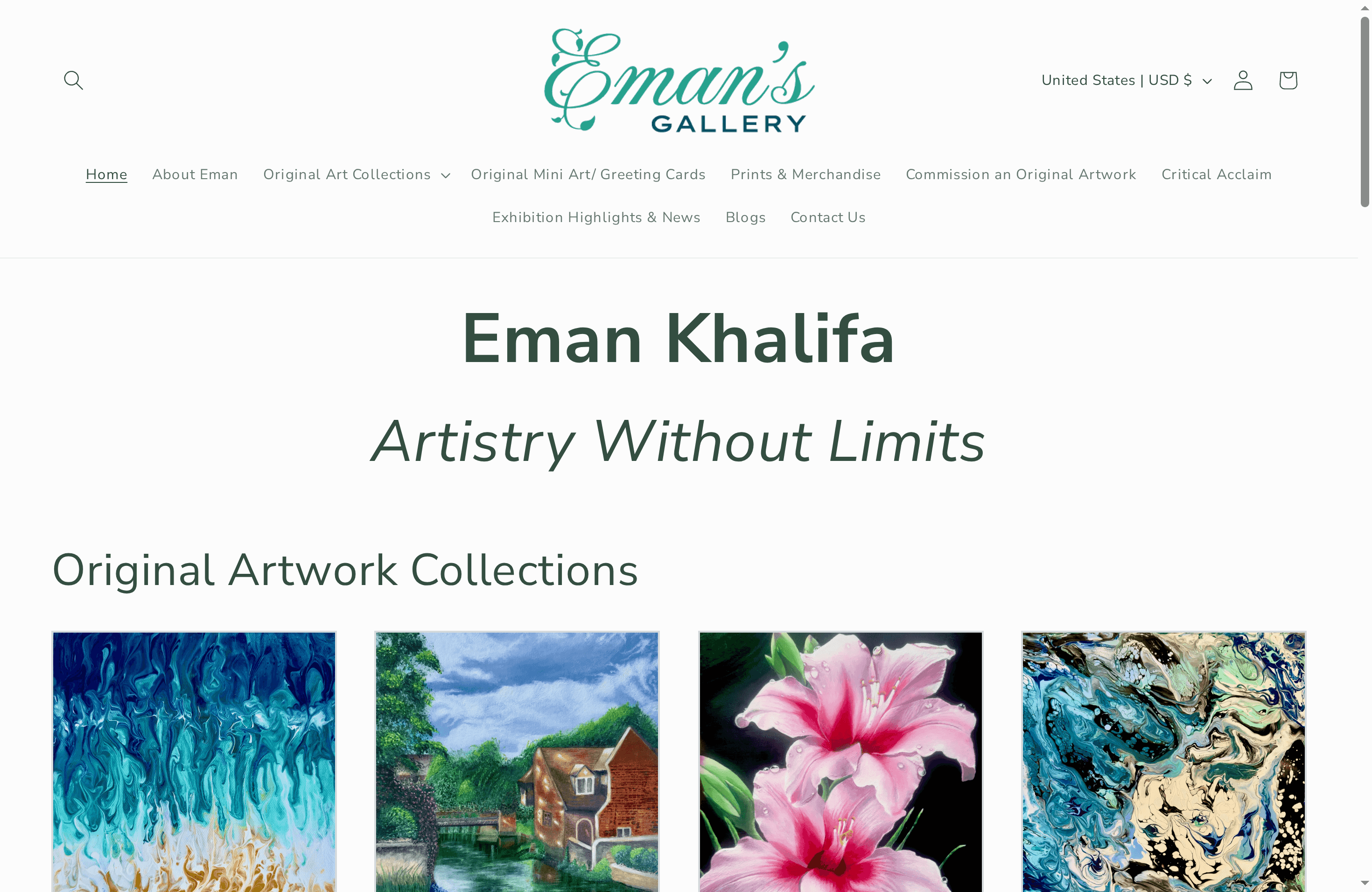
Browse our complete Wall Art Prints collection featuring abstract, geometric, floral, landscape, and seascape compositions. Each piece includes detailed care instructions ensuring your investment maintains its beauty for generations. Shop with confidence knowing worldwide shipping brings gallery-quality art to collectors in the UK, USA, Canada, Australia, and throughout Europe.
FAQ
How often should I clean my original art prints?
Dust framed prints gently every 3 to 6 months using a soft, natural bristle brush on the glazing and frame. Never spray liquids directly on prints or use ammonia-based cleaners. Increase frequency to monthly if you notice visible dust accumulation in high-traffic areas. Learn detailed art print cleaning frequency guidelines for different environments.
What is the difference between acrylic and glass glazing?
Glass provides superior clarity and UV protection up to 99% while resisting scratches better than acrylic. Acrylic weighs significantly less, making it ideal for large prints, and resists shattering for safety. Acrylic scratches more easily and may develop static that attracts dust. Compare differences in glazing types to choose the best option for your display needs and budget.
Can I use household cleaners on my framed art prints?
Never use household cleaners on art prints or glazing. These products contain ammonia, alcohol, or other chemicals that damage coatings, frames, and prints if moisture seeps behind mats. Use only lightly dampened microfiber cloths with distilled water for glazing. Follow safe cleaning practices recommended by conservation professionals to avoid irreversible damage.
How should I store art prints not currently on display?
Store prints flat in acid-free folders or archival polyester sleeves within climate-controlled spaces maintaining 40-55% humidity and 65-75°F temperature. Never stack prints directly together without protective interleaving. Avoid basements, attics, and garages with temperature extremes or humidity fluctuations. Review complete archival print storage techniques for long-term preservation of valuable collections.
Recommended
- Art Print Maintenance Workflow for Long-Lasting Beauty - Eman’s Gallery
- Art Print Care Instructions for Preserving Fine Art - Eman’s Gallery
- How to Store Art Prints & Preserve Quality - Eman’s Gallery
- Art Print Mediums Explained: Key Types and Uses - Eman’s Gallery
Stay Connected
- ✨ Explore Eman Khalifa’s original art and fine art prints
- 📸 Follow Eman Khalifa’s art journey on: Instagram @emans_gallery and Facebook Eman’s Gallery
- 📹 Watch Eman Khalifa creating live art on: YouTube @emans_gallery
