


Digital Art Prints: Elevating Luxury Home Design
Finding standout pieces for upscale interiors means staying ahead of artistic trends. For collectors and decorators in the UK and USA, understanding digital art prints is increasingly vital for curating investments and defining modern spaces. This article explores what sets digital prints apart from traditional works, debunks myths around their authenticity, and lays out the creative and technical factors shaping their value in contemporary art and luxury home design.
Table of Contents
- Defining Digital Art Prints And Common Myths
- Types Of Digital Art Prints Explained
- Creation Process And Print Quality Factors
- Comparing Digital Art Prints To Originals
- Buying, Licensing, And Display Considerations
Key Takeaways
| Point | Details |
|---|---|
| Digital Art Defined | Digital art prints are legitimate artistic creations using technology, encompassing various styles and techniques. |
| Production Quality | Quality of digital art prints depends on resolution, color calibration, and material selection. |
| Artistic Value | Collectors should evaluate an artist’s technical skill and conceptual depth when selecting digital art. |
| Acquisition Factors | Understand copyright terms and licensing agreements when purchasing digital art prints. |
Defining Digital Art Prints and Common Myths
Digital art prints represent a revolutionary intersection of technology and creative expression, transforming how contemporary art collectors and interior designers conceptualize visual artwork. Digital art fundamentally involves artistic creation using computational technologies, moving far beyond traditional paint and canvas approaches.
At its core, digital art prints encompass several key characteristics:
- Artwork created or manipulated using digital tools and software
- High-resolution reproductions generated through advanced printing technologies
- Capable of being produced in limited or unlimited editions
- Offering remarkable color accuracy and detail preservation
- Adaptable to various display mediums including canvas, metal, and acrylic
Contrary to widespread misconceptions, digital art represents a legitimate and sophisticated artistic medium. Debunking persistent myths about digital creativity reveals that these works require substantial skill, conceptual understanding, and technical mastery.
Digital art is not a shortcut, but a complex artistic process demanding creativity, technical expertise, and innovative vision.
Artists working in digital formats undergo extensive training, understanding complex software, color theory, composition, and digital manipulation techniques. The digital realm offers unprecedented opportunities for artistic experimentation, enabling creators to push boundaries in ways traditional media cannot.
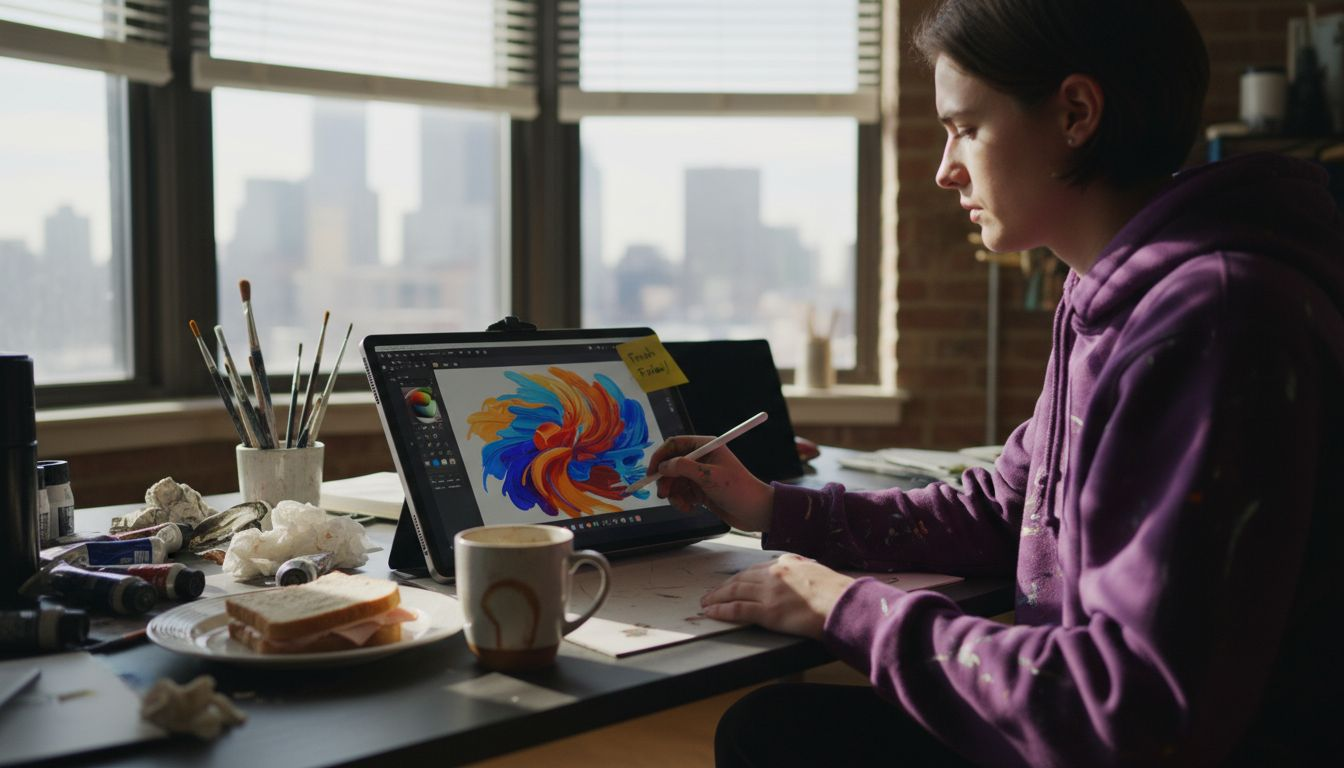
Pro tip: When collecting digital art prints, examine the artist’s technical proficiency and conceptual depth rather than focusing solely on the production method.
Types of Digital Art Prints Explained
Digital art prints represent a sophisticated spectrum of creative expressions, encompassing multiple distinctive styles and techniques that cater to diverse artistic preferences. Digital art forms span multiple sophisticated technological approaches, transforming how contemporary art collectors and interior designers conceptualize visual artwork.
The primary categories of digital art prints include:
- Digital Painting: Hand-drawn artwork created using digital drawing tablets and specialized software
- 3D Modeling Prints: Sculptural designs generated through advanced computational rendering techniques
- Vector Illustrations: Mathematically precise graphic designs scalable without quality loss
- Photographic Manipulation: Digitally enhanced and transformed photographic imagery
- Generative Art: Algorithmically produced artwork created through complex computational processes
Digital art techniques encompass a wide range of creative methodologies, each offering unique aesthetic possibilities for luxury home design. These digital approaches enable artists to transcend traditional medium limitations, creating visually stunning and technologically innovative artworks.
Digital art prints represent a dynamic intersection between technological innovation and artistic expression, challenging conventional understanding of creative production.
Each digital art print type offers distinct characteristics that appeal to different aesthetic sensibilities. Digital painting provides organic, hand-crafted feel, while 3D modeling prints deliver architectural precision. Vector illustrations offer crisp, clean designs perfect for minimalist interiors, and photographic manipulations create surreal, emotionally evocative visual experiences.
Here’s a quick overview of how popular digital art print types differ in artistic approach and display impact:
| Print Type | Artistic Approach | Best Display Environment |
|---|---|---|
| Digital Painting | Tablet-based, hand-drawn | Cozy, organic interior spaces |
| 3D Modeling Prints | Computational sculptural design | Contemporary, architectural homes |
| Vector Illustrations | Precise mathematics, clean lines | Minimalist or modern settings |
| Photographic Manip. | Enhanced and surreal photos | Eclectic, emotionally themed areas |
| Generative Art | Algorithmic and abstract forms | Tech-forward, avant-garde rooms |
Pro tip: When selecting digital art prints for luxury home design, consider how the artwork’s digital technique complements your existing interior aesthetic and architectural style.
Creation Process and Print Quality Factors
Digital art print creation involves sophisticated technological processes that transform artistic vision into museum-quality visual experiences. Digital art production integrates complex computational workflows that dramatically influence the final artwork’s aesthetic and technical qualities.
The critical stages of digital art print production include:
- Conceptualization: Initial digital sketching and design development
- File Preparation: High-resolution image optimization and color calibration
- Color Management: Precise color profile matching between digital file and print
- Printing Technology Selection: Choosing appropriate printing method
- Material Selection: Determining substrate type (canvas, metal, archival paper)
Digital art creation involves intricate data management techniques that ensure exceptional print reproduction. Artists and print specialists collaborate to translate digital files into physically stunning artworks, maintaining the integrity of the original creative vision.
Print quality emerges from the precise intersection of technological capability and artistic intention, where every pixel represents a deliberate creative choice.
Quality factors extend beyond technical specifications. Resolution, color depth, and printing technique dramatically impact the artwork’s visual impact. Professional digital artists utilize advanced calibration tools, ensuring color accuracy, tonal range, and detail preservation that meet museum-grade standards.
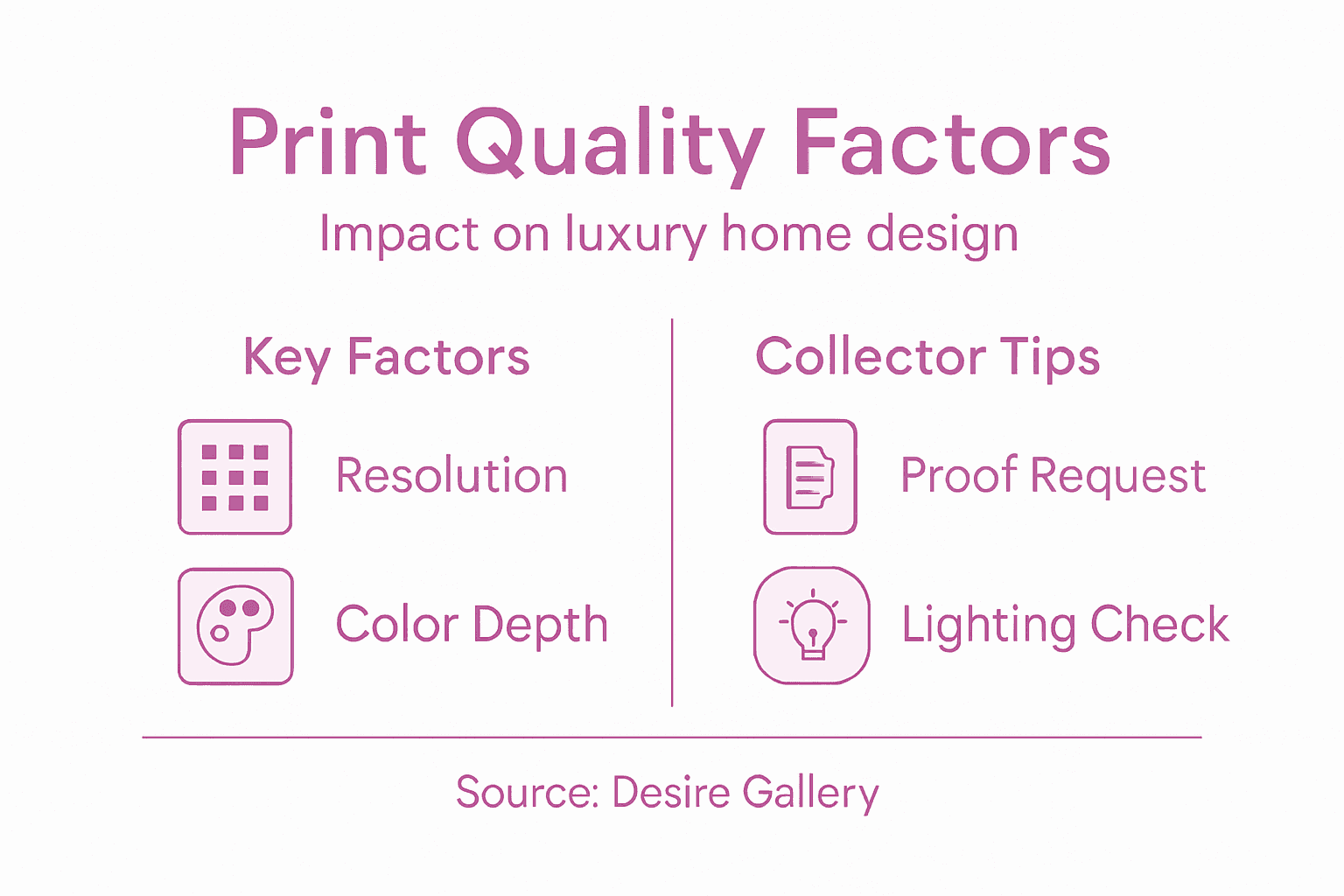
Compare major factors influencing digital art print quality and what they mean for collectors:
| Quality Factor | Impact on Print | Collector Tip |
|---|---|---|
| Resolution | Sharpness and fine details | Request highest possible DPI |
| Color Calibration | Accurate color reproduction | Examine prints in varied lighting |
| Material Selection | Longevity and texture | Choose museum-grade substrates |
| Printing Technology | Vibrancy and durability | Ask about latest print processes |
Pro tip: Request color-calibrated proofs and examine print samples under multiple lighting conditions to guarantee your digital art print meets your exact aesthetic expectations.
Comparing Digital Art Prints to Originals
Digital art prints challenge traditional notions of artistic originality, creating a nuanced landscape of creative reproduction. Digital artworks fundamentally redefine artistic authenticity, offering collectors unprecedented opportunities for accessing and experiencing contemporary art.
Key distinctions between digital art prints and original artworks include:
- Reproducibility: Digital prints can be reproduced precisely multiple times
- Accessibility: Lower cost compared to original artworks
- Material Composition: Digital prints lack physical layering of original works
- Preservation: Digital files can be stored indefinitely without degradation
- Customization: Easy scaling and color modifications possible
Digital art challenges traditional artistic ontological frameworks, introducing complex questions about artistic identity and value. While original artworks maintain their unique tactile and historical significance, digital prints democratize art consumption and appreciation.
Digital art prints represent a revolutionary intersection between technological innovation and creative expression, expanding the boundaries of artistic experience.
The value proposition of digital art prints lies in their ability to deliver museum-quality reproductions with unprecedented precision. Professional digital artists meticulously calibrate color profiles, ensuring that each print captures the nuanced details and emotional resonance of the original creative vision.
Pro tip: Invest in limited edition digital art prints with authentication certificates to maximize potential artistic and financial value.
Buying, Licensing, and Display Considerations
Digital art acquisition requires sophisticated understanding of complex legal and presentation frameworks that extend far beyond traditional art purchasing models. Digital art licensing transforms ownership paradigms, introducing nuanced considerations for contemporary art collectors.
Key elements to consider when purchasing digital art prints include:
- Copyright Terms: Understanding usage rights and reproduction permissions
- Authentication Mechanisms: Verifying artwork origin and digital provenance
- Display Technology: Selecting appropriate digital and physical presentation methods
- Resolution Requirements: Ensuring print quality matches intended display environment
- Licensing Flexibility: Exploring commercial and personal usage rights
Digital art display involves complex technological considerations, demanding strategic selection of presentation platforms and preservation techniques. Professional collectors must navigate technological compatibility, archival standards, and potential future migration of digital assets.
Digital art ownership represents a dynamic ecosystem where technological capability intersects with artistic intentionality, challenging traditional art acquisition models.
Successful digital art acquisition requires comprehensive understanding of technological infrastructure, legal frameworks, and aesthetic presentation strategies. Collectors must evaluate not just visual appeal, but also technical specifications, potential future value, and long-term preservation potential.
Pro tip: Always request detailed licensing documentation and verify the digital artwork’s compatibility with multiple display technologies before finalizing your purchase.
Elevate Your Luxury Home Design with Stunning Digital Art Prints
Discover how digital art prints transform interior spaces with unmatched precision and creative vision. If you seek museum-quality artworks that combine technical mastery and striking aesthetics, our curated collection of Art Prints on Canvas for Inspired Home Decor offers the perfect blend of innovation and craftsmanship. Each piece is carefully produced to highlight vibrant colors and intricate details that will enhance any sophisticated environment.
Explore exclusive digital art prints and original handmade paintings from Desire - From Floral Art to Prints & Merch | by Eman Khalifa or experience the architectural depth of digital forms in our Tectonic - From Geologic Art to Prints & Merch | by Eman Khalifa. Take advantage of our worldwide shipping and infuse your luxury home with art that reflects both high-tech creativity and timeless beauty. Visit Eman’s Gallery now to bring visionary digital art prints into your living space and enjoy the enduring impact of masterful design.
Frequently Asked Questions
What are digital art prints?
Digital art prints are artworks created or manipulated using digital tools and software, produced in high resolution and capable of being displayed in various mediums like canvas, metal, and acrylic.
How do digital art prints differ from traditional art prints?
Digital art prints can be reproduced multiple times with precision, lack the original’s physical layering, and offer remarkable color accuracy, making them more accessible and customizable compared to traditional art prints.
What factors should I consider when selecting a digital art print for my home?
Consider the artistic approach, how it complements your existing interior aesthetic, quality factors such as resolution and color calibration, and the material used for printing to ensure it meets your display needs.
How can I verify the authenticity of a digital art print?
You can verify authenticity by checking for authentication certificates, understanding the copyright terms, and ensuring provenance of the artwork to confirm its origin.
Recommended
- Role of Art Prints in Interior Design Luxury Spaces
- Role of Prints in Decor: Elevating Luxury Interiors
- Why Seasonal Art Prints Matter in Upscale Interiors
- 7-Step Collecting Art Prints Checklist for Luxury Homes
- Role of Digital Print Technology in Modern Branding
Stay Connected
- ✨ Explore Eman Khalifa’s original art and fine art prints
- 📸 Follow Eman Khalifa’s art journey on: Instagram @emans_gallery and Facebook Eman’s Gallery
- 📹 Watch Eman Khalifa creating live art on: YouTube @emans_gallery
