


Complete Guide to Valuing Art Prints
Complete Guide to Valuing Art Prints
More than 40 percent of new art collectors admit to confusion about what makes an art print truly valuable. The world of prints is filled with myths, from thinking they are just cheap posters to missing the important details that set them apart from simple reproductions. Whether you are looking to start a collection or simply want to avoid costly mistakes, understanding what defines a genuine art print and what drives its worth is crucial for making smart choices in the art market.
Table of Contents
- Defining Art Prints And Misconceptions
- Major Art Print Types And Key Distinctions
- Factors Influencing Art Print Value
- Evaluating Market Demand And Provenance
- Common Valuation Mistakes To Avoid
Key Takeaways
| Point | Details |
|---|---|
| Understanding Art Prints | Art prints are authentic reproductions created using specialized techniques, maintaining the artistic integrity of original works. |
| Key Value Determinants | Factors like provenance, edition size, and artist reputation significantly influence the market value of art prints. |
| Evaluating Market Demand | Provenance and market demand are essential for determining an art print’s worth, influenced by trends and artist recognition. |
| Common Valuation Mistakes | Avoid overvaluing prints based on superficial characteristics and ensure thorough research on provenance and market trends. |
Defining Art Prints and Misconceptions
An art print is a reproduction of an original artwork created through various printing techniques, offering art enthusiasts an accessible way to own and appreciate artwork without purchasing the original piece. According to the Print Council of America, a print represents a carefully crafted reproduction that maintains the artistic integrity of the original work.
Contrary to popular belief, art prints are not simple photocopies or mass-produced posters. They are carefully crafted reproductions created through specialized techniques like lithography, screenprinting, etching, and digital printing. Academic research highlights that printmaking is a legitimate artistic medium with significant cultural and aesthetic value, challenging misconceptions about their artistic authenticity.
Key distinctions that set art prints apart from mere reproductions include:
- Limited Editions: Many art prints are produced in controlled, numbered quantities
- Artist Involvement: Often created or supervised directly by the original artist
- Specialized Techniques: Utilize complex printing methods requiring significant skill
- Archival Quality: Printed on high-quality materials designed for long-term preservation
Understanding these nuances helps art collectors and enthusiasts appreciate the intricate world of art prints and their unique artistic significance.

Major Art Print Types and Key Distinctions
Art prints encompass several specialized techniques, each offering unique characteristics and artistic value. Giclée prints, according to Wikipedia, represent a cutting-edge digital printing method that produces high-quality fine art reproductions using advanced inkjet technology. These prints are renowned for their exceptional color accuracy and archival quality, making them a favorite among contemporary artists and collectors.
Chromogenic prints, also known as C-prints, offer another fascinating dimension to art reproduction. Wikipedia describes these photographic prints as created through a sophisticated color development process, typically derived from color negatives, transparencies, or digital images. Their unique color rendering and photographic precision make them particularly valuable for photographic art reproduction.
The main categories of art prints include:
- Lithography: Traditional stone or metal plate printing technique
- Screenprinting: Pushing ink through a mesh screen onto a surface
- Etching: Intricate metal plate engraving and printing process
- Giclée: High-resolution digital printing method
- Chromogenic: Photographic color printing technique
- Digital Prints: Modern computer-generated reproduction methods
For art enthusiasts looking to dive deeper into understanding these nuanced printing techniques, our guide to original art versus prints provides comprehensive insights into the unique characteristics of each print type.
Factors Influencing Art Print Value
Valuing art prints is a nuanced process that requires careful consideration of multiple critical factors. The Print Council of America provides comprehensive guidance on determining the intrinsic and market value of art prints, highlighting the complexity of this evaluation process. Understanding these factors can help collectors and investors make informed decisions about their art print acquisitions.
Key elements that significantly impact an art print’s value include provenance, edition size, artist reputation, and print condition. The rarity of a print plays a crucial role - limited edition prints typically command higher prices, especially those with fewer total impressions. An artist’s established reputation and historical significance can dramatically increase a print’s market value, with works by renowned artists fetching substantially higher prices.
The most important value determinants include:
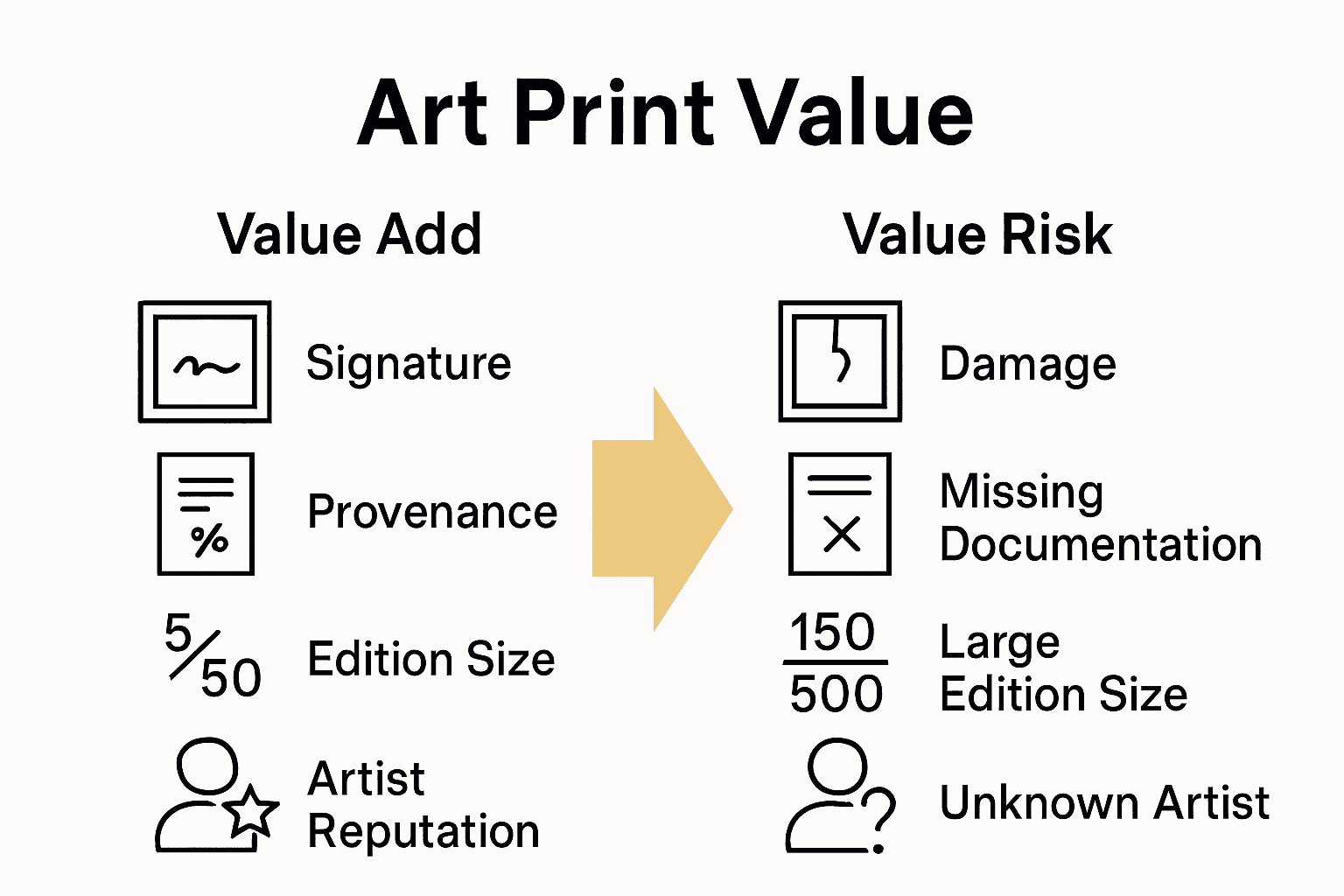
- Authenticity: Verified origin and artist confirmation
- Condition: Pristine prints without damage or wear
- Rarity: Limited edition numbers and unique characteristics
- Signature: Artist’s original signature increases value
- Printing Technique: Complexity and historical significance of the printing method
- Historical Context: Cultural and artistic importance of the artwork
For art enthusiasts looking to develop a deeper understanding of art print investment strategies, our guide to collecting limited edition prints offers expert insights into making wise collecting decisions.
Evaluating Market Demand and Provenance
Provenance represents the comprehensive documentation of an art print’s historical journey, tracing its origin, ownership, and authenticity. The Print Council of America emphasizes that understanding an artwork’s provenance is crucial in determining its true market value and collector significance. A well-documented provenance can dramatically increase an art print’s worth by providing transparent evidence of its legitimacy and historical importance.
Market demand for art prints fluctuates based on several interconnected factors, including contemporary artistic trends, collector interests, and the reputation of the artist. Emerging artists might see rapid value appreciation if they gain critical acclaim, while established artists with consistent market presence typically maintain more stable print valuations. The secondary market plays a critical role, with auction records and gallery sales providing essential indicators of an art print’s current and potential future value.
Key considerations for evaluating market demand and provenance include:
- Documented Ownership History: Comprehensive records of previous owners
- Exhibition Documentation: Proof of display in significant galleries or museums
- Artist Authentication: Certificates of authenticity from the artist or recognized institutions
- Condition Reports: Detailed assessments of the print’s physical state
- Comparative Market Analysis: Recent sales of similar prints by the same artist
- Collector Interest: Current trends in art collecting and investment
Art enthusiasts seeking deeper insights into strategic print collecting can explore our guide to why invest in artist prints, which provides comprehensive strategies for navigating the complex world of art print valuation.
Common Valuation Mistakes to Avoid
Art print valuation is a complex process fraught with potential pitfalls that can significantly impact investment decisions. The Print Council of America highlights the importance of understanding nuanced valuation techniques to avoid common errors that can lead to misguided investments. Collectors and investors must approach art print valuation with a critical and informed perspective.
One of the most prevalent mistakes is overvaluing prints based on superficial characteristics without conducting comprehensive research. Novice collectors often make the error of assuming all prints from a renowned artist are equally valuable, overlooking critical factors like edition size, condition, and historical significance. The secondary market can be particularly unforgiving, with prices fluctuating dramatically based on subtle differences that untrained eyes might miss.
Key valuation mistakes to be aware of include:
- Ignoring Provenance: Failing to verify the print’s authentic documentation
- Overlooking Condition: Neglecting to assess physical wear and preservation quality
- Misunderstanding Edition Sizes: Assuming all limited editions have equal value
- Emotional Purchasing: Buying based on personal attachment rather than market potential
- Neglecting Market Trends: Failing to research current collector interests
- Skipping Professional Appraisal: Relying solely on personal judgment
For collectors seeking to develop more sophisticated art print investment strategies, our expert guide to collecting limited edition prints offers comprehensive insights into making informed purchasing decisions.
Discover the True Value of Your Art Prints and Elevate Your Collection
If you are seeking clarity on valuing art prints or want to avoid common mistakes, understanding key concepts like authenticity, edition size, and provenance is essential. Knowing how to gauge the worth of art prints can empower you to make confident purchases and smart investments in works that resonate with your personal taste and long-term goals.
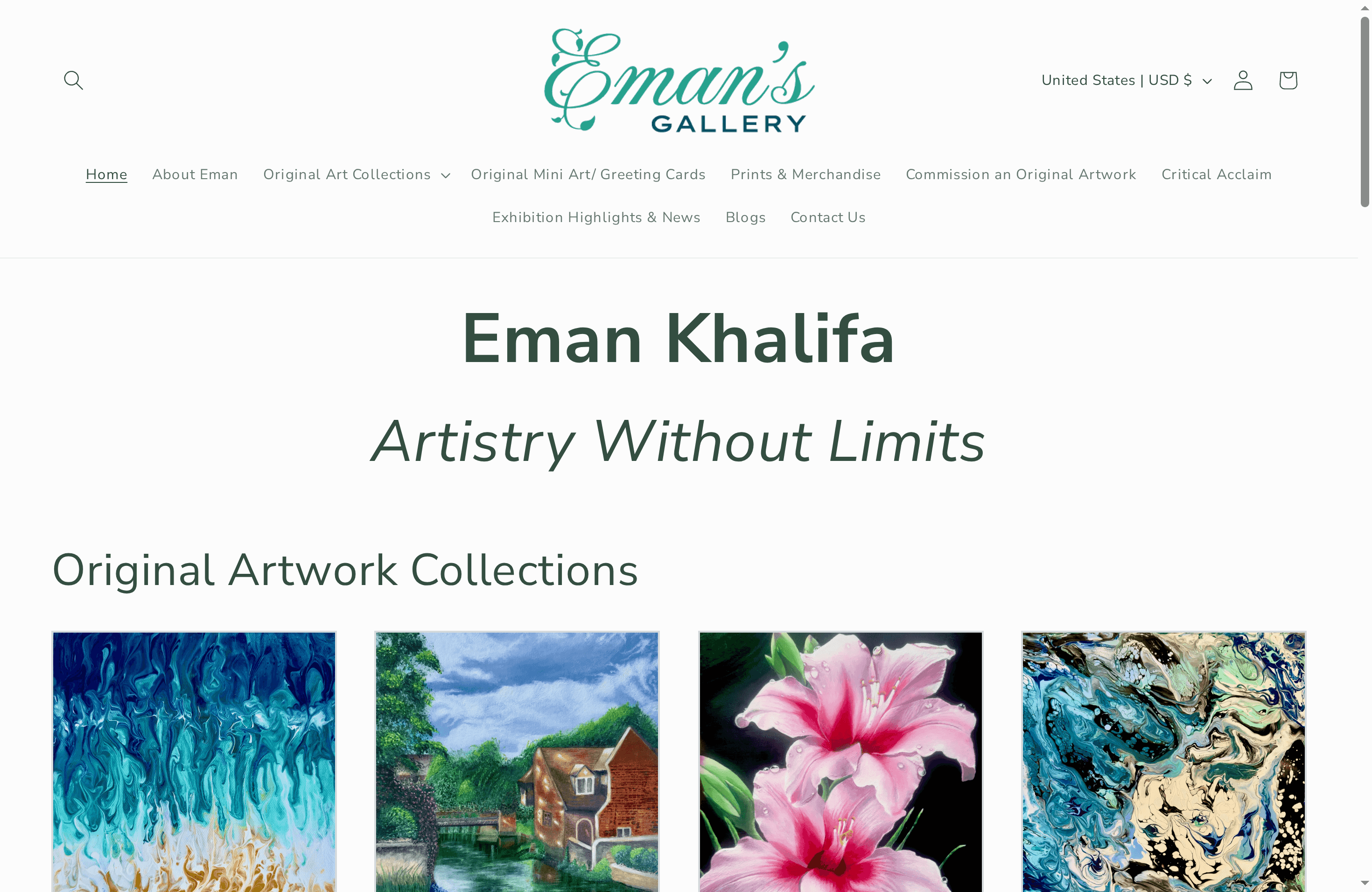
Explore our exclusive selection of Wall Art Prints | Canvas & Framed Art Prints by Eman Khalifa where each piece reflects the quality and artistic integrity discussed in the guide. Act now to access authentic, limited edition artworks that offer both emotional satisfaction and potential value appreciation. Visit Eman’s Gallery today to start building a meaningful collection with expert-level insight on your side.
Frequently Asked Questions
What is the difference between art prints and original artworks?
Art prints are reproductions made using various printing techniques, whereas original artworks are unique creations by the artist. Art prints offer a more affordable way to own art without purchasing the original piece.
How do I determine the value of an art print?
To determine the value of an art print, consider factors such as provenance, edition size, artist reputation, and the condition of the print. Rarity and authenticity also significantly impact its market value.
What are the different types of art prints?
Common types of art prints include lithography, screenprinting, etching, giclée, chromogenic prints, and digital prints. Each method has unique characteristics that affect the print’s quality and value.
Why is provenance important when valuing art prints?
Provenance provides a comprehensive history of an art print, including its origin and ownership. A well-documented provenance can enhance the print’s value by verifying its authenticity and historical significance.
Recommended
- What Is an Art Print? Complete Guide for 2025 – Eman’s Gallery
- Complete Guide to Why Collect Art Prints – Eman’s Gallery
- Why Invest in Artist Prints: Complete Guide – Eman’s Gallery
- Complete Guide to Why Buy Art Prints – Eman’s Gallery
Stay Connected
- ✨ Explore Eman Khalifa’s original art and fine art prints
- 📸 Follow Eman Khalifa’s art journey on: Instagram @emans_gallery and Facebook Eman’s Gallery
- 📹 Watch Eman Khalifa creating live art on: YouTube @emans_gallery
- Supported by BabyLoveGrowth
