


What Is Gallery Quality? Standards That Define Value
Most American art collectors are surprised to learn that only a small percentage of artwork displayed in galleries actually meets true gallery quality standards. This level of excellence matters because it impacts not just artistic value but also investment potential and long term preservation. By understanding what sets gallery quality art apart, enthusiasts and professionals gain powerful insights into how exceptional works are created, evaluated, and maintained for generations.
Table of Contents
- Gallery Quality Art Defined and Debunked
- Essential Materials and Professional Techniques
- Exhibition Standards for Display and Preservation
- What Sets Gallery Quality Apart From Alternatives
- Common Pitfalls and How to Verify Authenticity
Key Takeaways
| Point | Details |
|---|---|
| Gallery Quality Art Definition | Gallery quality art is distinguished by exceptional standards of artistic creation, requiring technical mastery and artistic value beyond ordinary productions. |
| Materials and Techniques | Artists utilize high-grade materials and sophisticated techniques to ensure longevity and aesthetic integrity in their work. |
| Exhibition Standards | Strict exhibition standards, including environmental controls and archival framing, protect and present gallery quality art with professional integrity. |
| Authenticity Verification | Authenticating artwork involves comprehensive techniques, including provenance documentation and material analysis, to detect potential reproductions. |
Gallery Quality Art Defined and Debunked
Gallery quality art represents an exceptional standard of artistic creation that transcends ordinary visual expressions. This designation goes beyond mere aesthetic appeal, encompassing rigorous criteria that determine artistic value, technical mastery, and potential investment potential. Art galleries worldwide serve as critical gatekeepers in establishing and maintaining these sophisticated standards.
The gallery quality benchmark involves multiple interconnected dimensions. Technical execution stands paramount - artists must demonstrate superior skill through precise technique, sophisticated color theory application, and exceptional material handling. These works typically showcase extraordinary craftsmanship that distinguishes them from amateur or commercial productions. Professional artists invest significant time perfecting minute details that elevate their artwork beyond conventional visual representations.
Understanding gallery quality requires examining several critical evaluation points. Professional curators and art experts assess artworks through comprehensive lenses including:
- Originality of artistic concept
- Technical proficiency and execution
- Emotional resonance and conceptual depth
- Historical or contemporary contextual significance
- Potential long term artistic and financial value
While subjective elements play a role, gallery quality art maintains objective standards that separate exceptional works from standard productions. Museum-quality fine art databases help establish benchmarks by documenting exceptional artistic achievements and creating comparative frameworks for evaluation.
For serious art collectors and enthusiasts interested in understanding deeper nuances of artistic valuation, our art for collectors guide offers comprehensive insights into navigating the complex world of fine art acquisition and appreciation.
Essential Materials and Professional Techniques
Creating gallery quality art demands mastery of specialized materials and sophisticated professional techniques. Artists committed to producing exceptional works invest substantial time understanding how specific materials interact with creative processes. Professional exhibition methods highlight the critical relationship between material selection and artistic preservation.
The foundational materials for gallery quality art include high-grade canvas, professional pigments, archival quality papers, and premium brushes. Professional artists prioritize materials with exceptional longevity, ensuring artwork maintains its visual integrity for decades. Pigment stability, color retention, and resistance to environmental degradation become paramount considerations. Archival grade materials prevent color fading, protect against moisture damage, and maintain structural integrity under varying environmental conditions.
Professional techniques in gallery quality art production involve several critical approaches:
- Precise color mixing and layering strategies
- Advanced brush control and texture development
- Sophisticated underpainting and glazing methods
- Careful surface preparation and priming techniques
- Meticulous attention to light, shadow, and dimensional representation
Conservation specialists recommend using inert materials like Plexiglas for mounting and protecting artwork, which demonstrates the technical complexity underlying professional art production. These techniques require years of dedicated practice, technical training, and an intimate understanding of material science.

Aspiring artists seeking deeper insights into professional art techniques can explore our comprehensive what makes art original guide, which offers advanced perspectives on artistic authenticity and technical mastery.
Exhibition Standards for Display and Preservation
Exhibition standards represent a critical framework for protecting and presenting gallery quality art with the highest level of professional integrity. International archival guidelines emphasize the intricate balance between artistic presentation and conservation, establishing comprehensive protocols that safeguard artwork’s long-term preservation and visual impact.
Professional exhibition environments demand meticulous attention to multiple environmental factors. Critical considerations include precise temperature and humidity control, strategic lighting management, and carefully selected display materials. Museums and galleries utilize specialized display cases constructed from inert materials like glass and metal, which prevent chemical interactions that could potentially damage artwork. These protective measures ensure artwork maintains its original aesthetic and structural integrity throughout extended exhibition periods.
Key exhibition preservation standards encompass several crucial elements:
- Controlled ambient temperature (typically 68-72 degrees Fahrenheit)
- Relative humidity maintenance between 45-55 percent
- Minimal exposure to direct sunlight or intense artificial lighting
- Use of archival quality mounting and framing materials
- Regular conservation assessments and documentation
- Specialized handling protocols for artwork transportation
Community museum standards require comprehensive written policies that guarantee not just aesthetic presentation, but also rigorous conservation practices. These guidelines ensure exhibitions maintain scientific accuracy, cultural relevance, and professional preservation techniques. Institutions must comply with legislative requirements that protect artistic heritage and establish systematic approaches to exhibition design.
Artists and collectors interested in understanding more about artwork preservation can explore our guide on storing art prints safely, which offers practical insights into maintaining artwork quality through proper storage and handling techniques.
What Sets Gallery Quality Apart From Alternatives
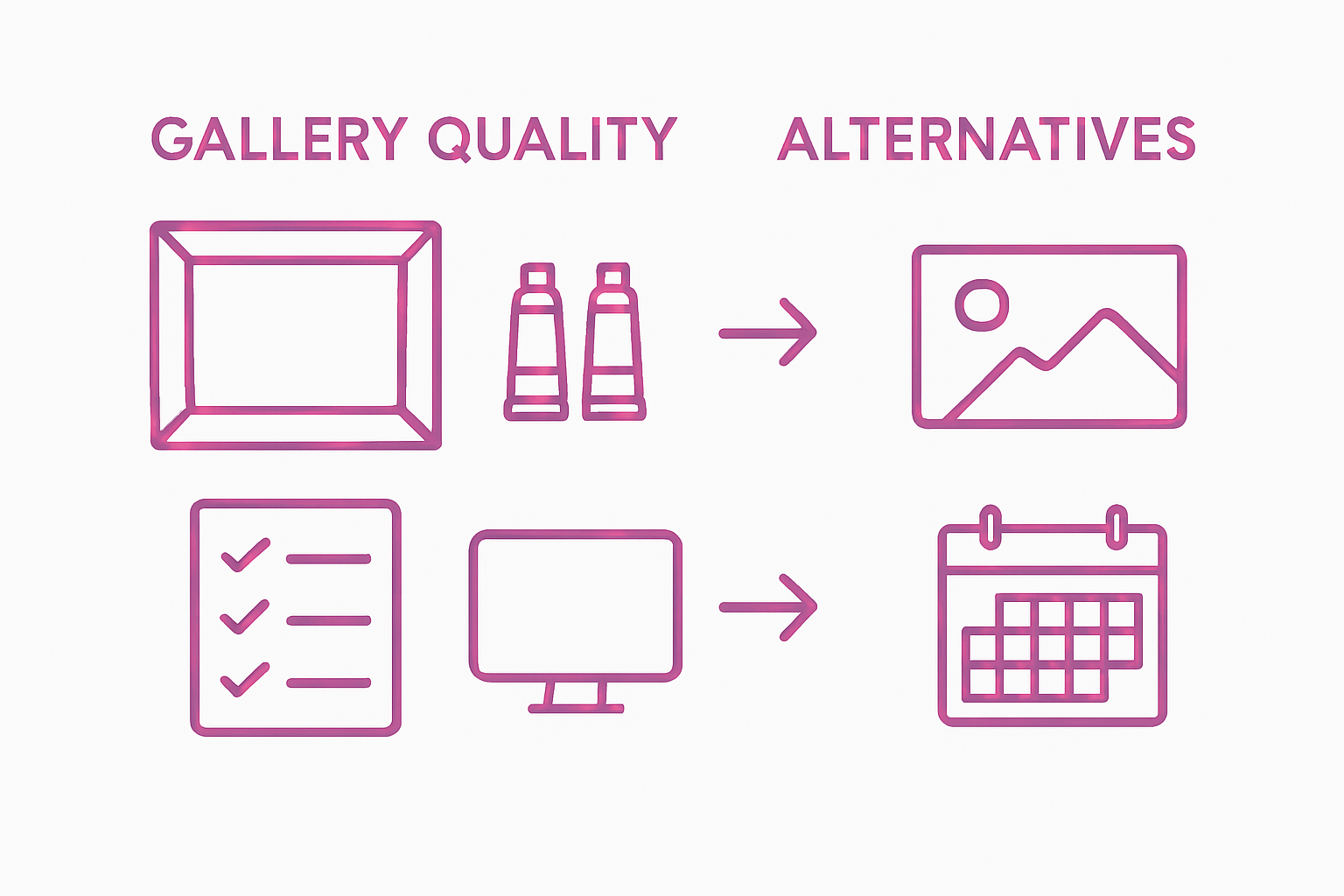
Gallery quality art distinguishes itself through a rigorous set of standards that transcend ordinary artistic production. Unlike mass-produced or commercially generated artwork, gallery quality pieces represent the pinnacle of artistic expression, technical mastery, and conceptual depth. Art preservation organizations emphasize the meticulous attention to detail that separates exceptional works from standard artistic offerings.
The fundamental differentiators of gallery quality art include extraordinary technical execution, conceptual innovation, and sustained artistic integrity. Professional artists invest years developing techniques that elevate their work beyond conventional artistic boundaries. This involves not just visual appeal, but a profound understanding of artistic language, historical context, and innovative creative approaches. Mass-produced alternatives typically lack the nuanced craftsmanship, material sophistication, and conceptual depth that define true gallery quality artwork.
Key distinctions between gallery quality and alternative art forms include:
- Exceptional technical precision and skill
- Original conceptual development
- Use of premium, archival-grade materials
- Profound artistic intentionality
- Limited production or unique creation
- Potential for long-term artistic and financial value
- Comprehensive documentation and provenance
Digital art platforms have expanded our understanding of artistic presentation, but cannot replace the intrinsic value of original, gallery quality artwork. These platforms provide unprecedented access to visual art, yet they fundamentally differ from the tactile, nuanced experience of experiencing an original, professionally crafted artwork in a physical space.
Art enthusiasts curious about exploring diverse artistic styles can investigate our guide to essential art print types, which offers insights into the rich landscape of contemporary artistic expression.
Common Pitfalls and How to Verify Authenticity
Verifying the authenticity of gallery quality art requires a sophisticated approach that goes beyond surface-level evaluation. Preservation research studies highlight the complex factors that distinguish genuine artwork from potential reproductions, emphasizing the importance of comprehensive authentication techniques.
The primary authentication challenges involve multiple layers of verification. Professional art experts examine several critical aspects including provenance documentation, material composition, artistic technique, and historical context. Collectors and enthusiasts must develop a keen eye for detecting subtle nuances that separate original works from sophisticated replicas. Potential pitfalls in artwork authentication include:
- Incomplete or questionable ownership history
- Inability to trace original creation techniques
- Lack of comprehensive material analysis
- Missing professional documentation
- Inconsistencies in artistic execution
- Unverifiable artist signatures
- Absence of professional conservation records
Technological advancements have revolutionized artwork verification processes. Digital documentation technologies now enable sophisticated virtual reconstructions and detailed material analysis, providing unprecedented tools for authenticating complex artistic works. These methods allow experts to examine microscopic details, material compositions, and historical contexts with remarkable precision.
Art collectors seeking deeper insights into maintaining artwork integrity can explore our guide to storing art prints safely, which offers professional strategies for preserving and protecting valuable artistic investments.
Discover Gallery Quality Art That Speaks to Your Soul
Understanding the true meaning of gallery quality art can be challenging but is essential for anyone passionate about collecting or decorating with authentic, valuable pieces. If you seek extraordinary craftsmanship, original expression, and museum-grade excellence, it’s important to choose artworks that reflect these high standards. Concepts like technical precision, archival materials, and long-term value set gallery quality apart from ordinary art and deserve your attention.
Explore a curated selection of remarkable works that embody these ideals in our Canvas Art Prints by Eman Khalifa | Premium Giclée Wall Art.
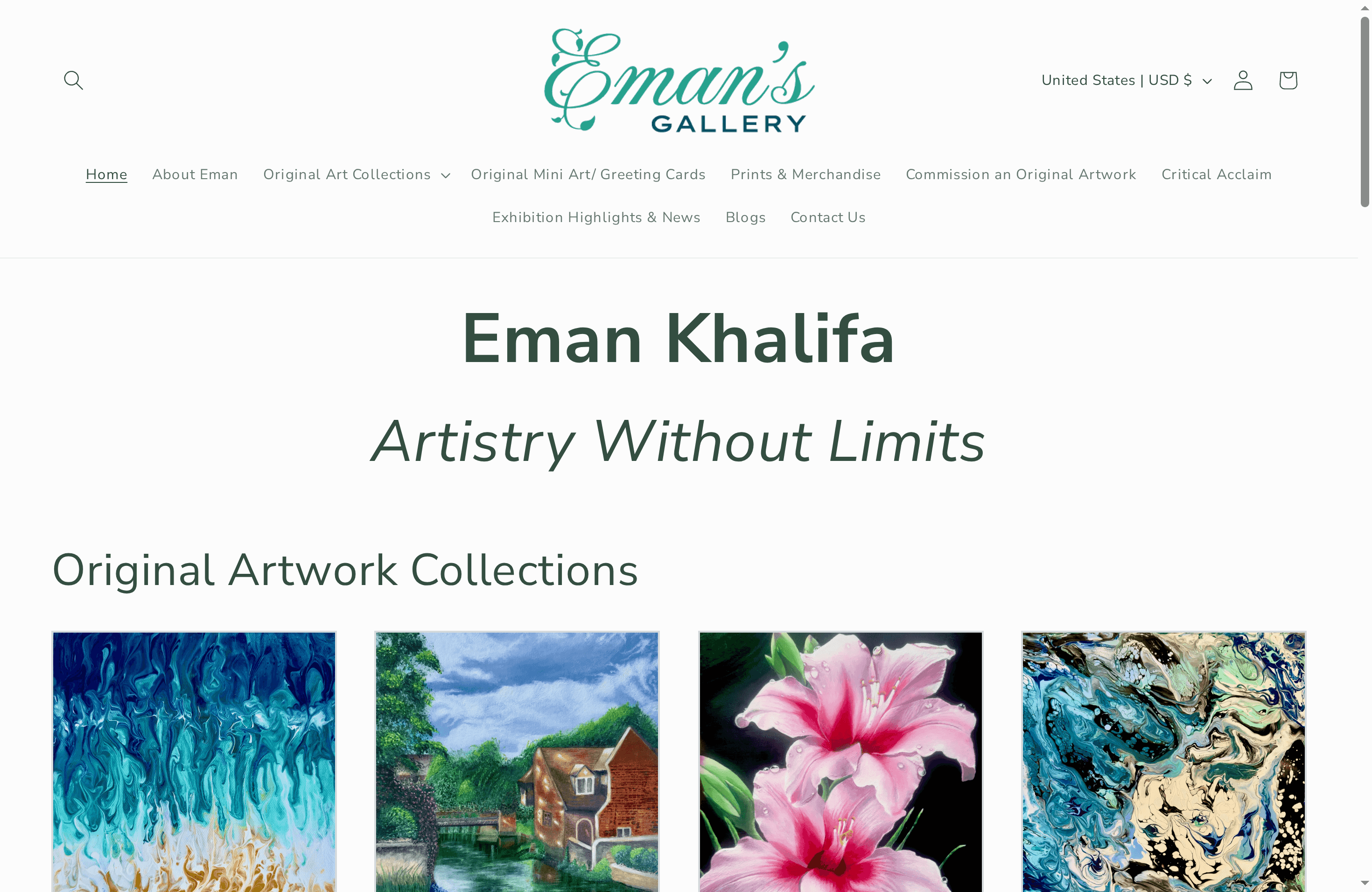
Elevate your space with authentic, original art that meets the rigorous criteria defining gallery quality. Visit Eman’s Gallery today and experience a world where contemporary creativity meets professional mastery. For fans of unique styles rooted in bold geometry, our Geometric – Eman’s Gallery collection offers compelling pieces crafted to inspire and endure. Take the next step to own timeless art that guarantees emotional resonance and lasting value.
Frequently Asked Questions
What criteria are used to define gallery quality art?
Gallery quality art is assessed based on several criteria, including originality of artistic concept, technical proficiency, emotional resonance, conceptual depth, and historical or contemporary significance. These standards help distinguish exceptional works from standard productions.
How does the choice of materials affect the quality of artwork?
The choice of materials is crucial in gallery quality art. Artists use high-grade canvas, professional pigments, and archival quality papers to ensure longevity and visual integrity. These materials prevent color fading and protect against environmental damage.
What are the key techniques used by professional artists to create gallery quality art?
Professional artists utilize techniques such as precise color mixing, advanced brush control, sophisticated underpainting, and meticulous attention to light and shadow. Mastery of these techniques is essential for producing work that meets gallery quality standards.
How can collectors verify the authenticity of gallery quality art?
To verify authenticity, collectors should examine provenance documentation, material composition, and artistic techniques. It’s also important to look for consistent artist signatures and professional documentation, as well as using technological advancements that assist in artwork verification.
Recommended
- What Is an Art Print? Complete Guide for 2025 – Eman’s Gallery
- Art Collecting Terminology: Complete Guide for Enthusiasts – Eman’s Gallery
- Art for Collectors Guide: Expert Insights and Strategies – Eman’s Gallery
- Art Print Terminologies: Complete Reference Guide – Eman’s Gallery
- 7 Key Custom Yacht Design Essentials for Owners
Stay Connected
- ✨ Explore Eman Khalifa’s original art and fine art prints
- 📸 Follow Eman Khalifa’s art journey on: Instagram @emans_gallery and Facebook Eman’s Gallery
- 📹 Watch Eman Khalifa creating live art on: YouTube @emans_gallerye
