


Why Artists Make Prints: Complete Expert Guide
Why Artists Make Prints: Complete Expert Guide
Not everyone can own an original masterpiece, but art prints make fine art accessible to millions of collectors and enthusiasts worldwide. As artists find creative ways to reach wider audiences, art prints offer visually stunning reproductions without the steep investment of originals. Learning how these prints are crafted reveals why they are prized in both modern homes and personal collections. Discover what sets art prints apart and how they bring exceptional artistry within everyone’s reach.
Table of Contents
- What Are Art Prints And How Do They Work
- Types Of Prints: Techniques And Variations
- Benefits Of Prints For Artists And Collectors
- The Printmaking Process: Step-By-Step Insights
- Originality, Authenticity, And Limited Editions
- Art Prints Vs. Originals: Value And Investment
Key Takeaways
| Point | Details |
|---|---|
| Art Prints Overview | Art prints are reproductions of original artworks, created through various printmaking techniques to enable broader access to art. |
| Printmaking Techniques | Key printmaking methods include relief, intaglio, planographic, and stencil techniques, each offering unique characteristics. |
| Benefits for Artists and Collectors | Artists can reach wider audiences and create multiple works, while collectors can obtain affordable pieces from both established and emerging artists. |
| Originals vs. Prints | Limited edition prints provide an accessible investment opportunity, contrasting with original artworks that typically hold higher monetary value. |
What Are Art Prints and How Do They Work
Art prints are carefully crafted reproductions of original artwork that allow artists to share their creative vision with a broader audience. Wikipedia defines printmaking as a technique involving the creation of an image on a matrix, which is then inked and transferred to a substrate, enabling multiple reproductions of the same design.
Printmaking encompasses several sophisticated techniques that transform an artist’s original work into reproducible pieces. These methods include screen printing, lithography, etching, and digital printing - each offering unique characteristics and visual textures. Artists select specific techniques based on their creative intent, desired aesthetic, and the type of artwork they want to reproduce.
The print production process involves multiple critical steps. First, the artist creates a master image or matrix using specialized tools and techniques. This matrix serves as the template for reproducing the artwork. Next, ink is carefully applied to the matrix, ensuring precise color and detail transfer. Finally, the inked image is pressed onto high-quality paper or alternative surfaces, creating a limited edition print that captures the essence of the original artwork.
For art enthusiasts looking to dive deeper into understanding these fascinating reproductions, our guide to understanding art prints provides comprehensive insights into the intricate world of printmaking. Art prints offer an accessible way for collectors and art lovers to own beautiful, professionally reproduced artwork at a fraction of the cost of an original piece.
Types of Prints: Techniques and Variations
Wikipedia outlines four primary categories of printmaking techniques: relief, intaglio, planographic, and stencil methods. Each technique offers artists unique ways to transform their creative vision into reproducible artwork, providing distinctive textures, lines, and visual expressions that capture the nuanced essence of their original designs.
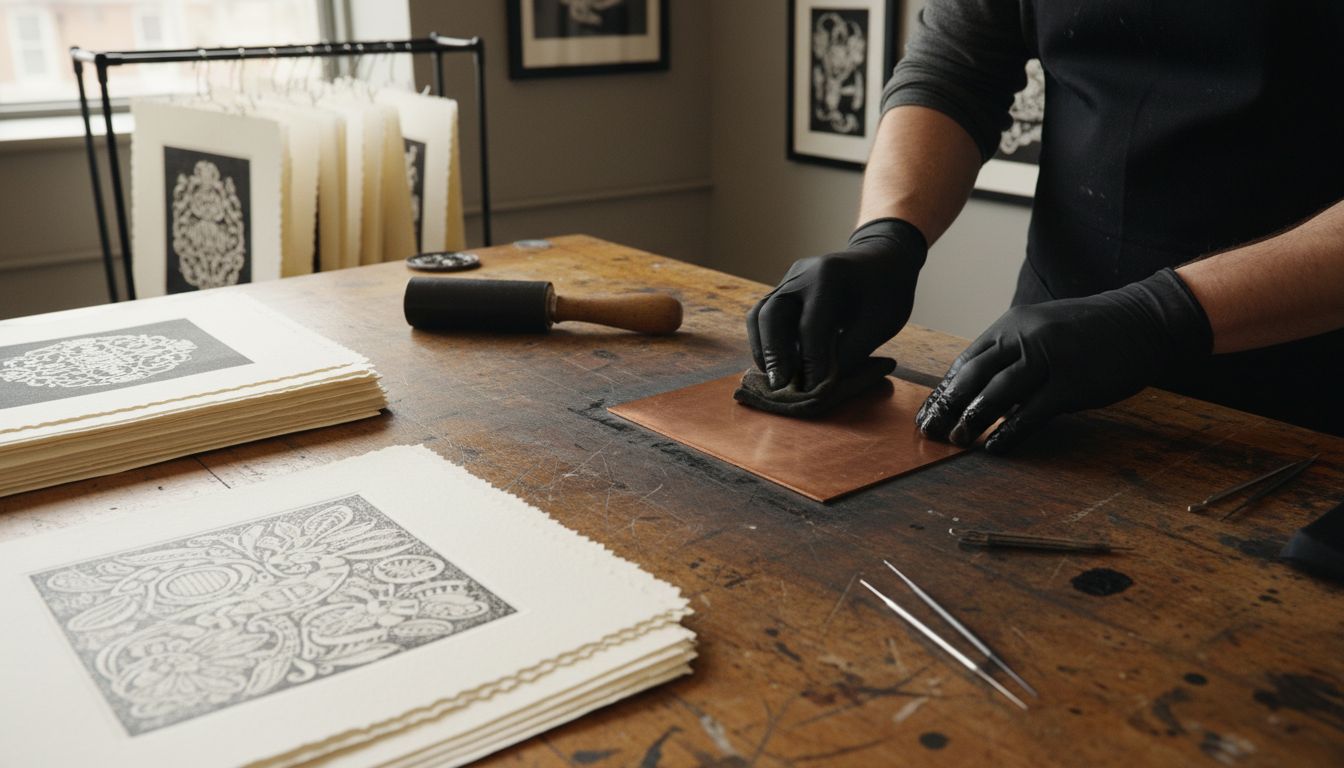
In relief printing, artists carve away material from a surface, leaving raised areas that receive ink. Techniques like woodcut and linocut fall into this category, where artists meticulously remove sections of wood or linoleum to create intricate designs. The raised surfaces are then inked and pressed onto paper, creating bold, graphic prints with strong visual impact.
The intaglio method works in the opposite manner, involving incisions or etched lines that hold ink. Etching and engraving are prime examples, where artists use sharp tools or acid to create detailed patterns and textures in metal plates. When these plates are inked and pressed, the recessed areas transfer ink onto paper, resulting in prints with incredible depth and delicate line work.
For art enthusiasts eager to explore the investment potential of these unique artistic reproductions, our guide to collecting art prints offers comprehensive insights into the world of print collecting. Each printmaking technique represents a sophisticated art form, transforming original artwork into accessible, collectible pieces that celebrate artistic creativity.
Benefits of Prints for Artists and Collectors
Wikipedia reveals that printmaking offers artists a powerful strategy for expanding their audience reach by creating multiple original artworks. This unique approach provides significant advantages for both artists and art enthusiasts, transforming the traditional boundaries of artistic creation and collection.
For artists, print production represents an innovative method of democratizing their artwork. By generating multiple high-quality reproductions, they can reach a broader audience without sacrificing the uniqueness of their original vision. Prints allow artists to sell their work at various price points, making their art accessible to collectors with different budgets while generating additional revenue streams beyond single-piece sales.
Collectors benefit equally from the print market. As Wikipedia notes, prints provide an opportunity to own works by renowned artists at a more accessible price point compared to unique pieces. These reproductions offer art lovers the chance to acquire pieces from established or emerging artists without the substantial financial investment required for original artworks. Each limited edition print becomes a valuable collector’s item, representing both artistic expression and potential future investment.
Those interested in understanding the financial nuances of art print collecting can explore our guide to investing in artist prints, which provides comprehensive insights into building a meaningful and potentially lucrative art collection. Prints bridge the gap between artistic creativity and collector accessibility, creating a vibrant ecosystem that supports both artists and art enthusiasts.
The Printmaking Process: Step-by-Step Insights
Wikipedia explains that printmaking processes vary across different techniques, but they generally follow a consistent framework of creating, inking, and transferring artistic images. The journey from concept to final print involves meticulous craftsmanship and technical precision that transforms an artist’s original vision into a reproducible masterpiece.
Matrix Creation is the critical first stage of printmaking. Artists carefully design and prepare their base surface, which could be a wood block, metal plate, or stone, depending on the specific printing technique they’re utilizing. This matrix serves as the fundamental template that will ultimately determine the print’s final appearance, requiring extraordinary attention to detail and strategic planning of every line, texture, and visual element.
The inking and transfer process represents the most technically challenging phase of printmaking. As Wikipedia notes, methods like relief, intaglio, and lithography each involve unique steps and specialized tools. Artists must carefully apply ink to their prepared matrix, ensuring precise coverage and depth, before transferring the image onto high-quality paper through carefully controlled pressure and technique. This delicate process requires years of practice to master, with each print representing a unique interpretation of the original artistic concept.
Art enthusiasts looking to dive deeper into the nuanced world of print collecting can explore our guide to valuing art prints, which provides comprehensive insights into understanding the intricate processes behind these remarkable artistic reproductions. Each print represents not just an image, but a testament to the artist’s technical skill and creative vision.
Originality, Authenticity, and Limited Editions
Limited edition prints represent the delicate intersection between artistic creativity and collector value. Wikipedia explains that authenticity in printmaking is maintained through carefully controlled production runs, where artists produce a specific number of prints, often signing and numbering each individual piece to establish its unique provenance and artistic integrity.
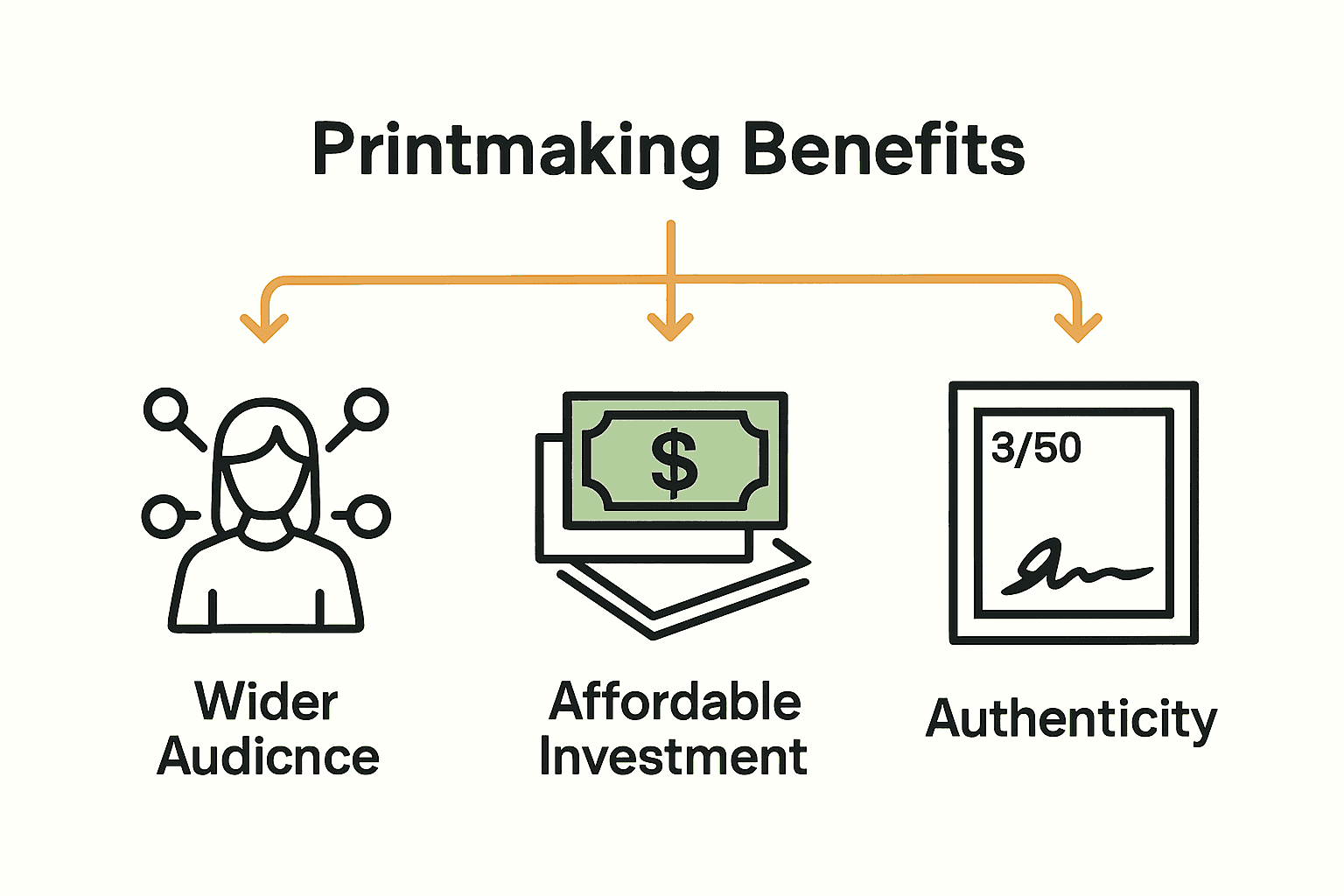
The concept of limited edition serves multiple critical purposes in the art world. By restricting the total number of prints, artists create scarcity that enhances both the monetary and aesthetic value of each individual piece. Each print becomes more than just a reproduction - it transforms into a unique artifact, carefully crafted and intentionally restricted to preserve its special character. Artists typically number these prints sequentially (for example, 3/50 indicates the third print in a series of fifty), which provides transparency about the edition’s size and the specific print’s place within that collection.
Authentication goes beyond mere numbering. Professional artists incorporate additional verification methods like embossed seals, artist signatures, and detailed documentation that trace each print’s origin. These practices ensure collectors receive a genuine piece of artistic expression, with provenance that confirms its legitimacy and connection to the original creator. The signed and numbered print becomes a bridge between the artist’s original vision and the collector’s appreciation, maintaining artistic integrity while making art more accessible.
For art enthusiasts eager to understand the nuanced world of print collecting, our guide to collecting limited edition prints offers expert insights into making informed decisions. Each limited edition print represents a carefully curated piece of artistic expression, inviting collectors to own a fragment of creative history.
Art Prints vs. Originals: Value and Investment
Wikipedia highlights a fascinating dynamic in the art world: while original artworks remain unique and typically command higher prices, art prints provide an accessible entry point for collectors seeking artistic expression. This nuanced marketplace offers different value propositions for art enthusiasts at various economic levels.
The investment potential of art prints varies significantly based on several critical factors. Limited edition prints from renowned artists can appreciate substantially over time, creating a unique investment opportunity. Unlike mass-produced reproductions, these carefully crafted prints carry inherent value through their restricted availability, artist authentication, and potential historical significance. Collectors who understand the subtle distinctions between print types can strategically build collections that not only beautify their spaces but potentially generate meaningful financial returns.
Original artworks and art prints serve complementary roles in the art ecosystem. Original pieces represent the pinnacle of artistic creation - unique, unrepeatable expressions of an artist’s vision. Art prints, by contrast, democratize artistic access, allowing more people to own and appreciate professional artwork. The monetary value differs dramatically: an original might cost thousands or hundreds of thousands of dollars, while a limited edition print could range from $50 to several thousand, making art collection possible for a broader audience.
Art lovers seeking deeper insights into navigating this complex landscape can explore our guide to understanding art print differences. Whether you’re an emerging collector or an experienced art enthusiast, understanding the nuanced value of prints versus originals can transform your approach to art acquisition and appreciation.
Discover the Power of Art Prints to Elevate Your Space and Collection
Understanding why artists make prints unlocks a world of possibilities for art lovers seeking access to stunning works without the high cost of originals. The challenge lies in finding authentic, high-quality reproductions that capture the artist’s vision and maintain scarcity through limited editions. With printmaking techniques like relief and intaglio offering distinct textures and depth, owning these prints means embracing both artistic creativity and investment potential.
Experience the beauty and authenticity firsthand by exploring our exclusive collection of Wall Art Prints | Canvas & Framed Art Prints by Eman Khalifa.
Why wait to bring original handart and expertly crafted prints into your home or collection Today is the day to own a limited edition piece that speaks to your passion for art Visit Eman’s Gallery now to explore a range that also includes timeless Artwork Printed on Canvas. Take the next step in celebrating creativity while investing in the enduring value of artist prints.
Frequently Asked Questions
What are art prints?
Art prints are reproductions of original artworks created using various printmaking techniques, allowing artists to share their work with a broader audience and collectors to own beautiful art at accessible prices.
What are the different printmaking techniques used for creating art prints?
Common printmaking techniques include relief printing (such as woodcut and linocut), intaglio (like etching and engraving), planographic (lithography), and stencil methods. Each technique results in distinctive textures and visual qualities in the final print.
Why do artists create limited edition prints?
Artists create limited edition prints to enhance the value and exclusivity of their work. By producing a restricted number of prints, they create scarcity, making each print a unique collectible item that can appreciate in value over time.
How does the value of art prints compare to original artworks?
While original artworks are typically unique and command higher prices, art prints offer a more affordable entry point for collectors. Limited edition prints can hold significant investment potential, especially from renowned artists, while enabling easier access to professional art for a wider audience.
Recommended
- What Is an Art Print? Complete Guide for 2025 – Eman’s Gallery
- Complete Guide to Valuing Art Prints – Eman’s Gallery
- Why Invest in Artist Prints: Complete Guide – Eman’s Gallery
- Complete Guide to Why Collect Art Prints – Eman’s Gallery
Stay Connected
- ✨ Explore Eman Khalifa’s original art and fine art prints
- 📸 Follow Eman Khalifa’s art journey on: Instagram @emans_gallery and Facebook Eman’s Gallery
- 📹 Watch Eman Khalifa creating live art on: YouTube @emans_gallery
- Supported by BabyLoveGrowth
