


What Is an Art Print? Complete Guide for 2025
What Is an Art Print? Complete Guide for 2025
Over 80 percent of art buyers now opt for high-quality art prints over originals, reshaping how we experience and collect visual art. The world of art prints is rich with creativity and craftsmanship, yet myths about their value and authenticity still linger. Exploring what truly sets art prints apart from simple reproductions helps collectors and design lovers appreciate their unique role in making great art more accessible and meaningful.
Table of Contents
- Defining Art Prints And Common Misconceptions
- Types Of Art Prints: Methods And Materials
- How Art Prints Are Made And Used
- Quality, Value, And Authenticity Factors
- Art Prints Vs Originals And Alternatives
- Buying, Caring For, And Displaying Art Prints
Key Takeaways
| Point | Details |
|---|---|
| Art Print Definition | Art prints are high-quality reproductions of original artworks, crafted using specialized techniques that preserve artistic integrity, making art more accessible. |
| Types of Printmaking | Various printing methods, including relief and intaglio techniques, create unique characteristics in art prints, impacting their aesthetic and value. |
| Quality and Value Factors | Limited edition prints with a certificate of authenticity are typically more valuable, as provenance and artist involvement enhance legitimacy. |
| Display and Preservation | Careful consideration for purchasing, preserving, and displaying art prints is essential, employing archival methods and thoughtful placement to maintain their condition and enhance decor. |
Defining Art Prints and Common Misconceptions
An art print is a reproduced version of an original artwork created through various printing techniques, allowing art enthusiasts to own and display high-quality representations of original pieces at a more accessible price point. Unlike simple poster reproductions, art prints involve specialized techniques that preserve the nuanced details and artistic integrity of the original work.
Historically significant, art prints have been a crucial medium for disseminating artistic images. According to Art in Print, these reproductions play a critical role in understanding global culture and making art more widely accessible. Professional art prints differ dramatically from mass-produced posters through their production methods, which typically involve techniques like screen printing, lithography, etching, or giclée printing.
Common misconceptions about art prints include believing they are simply cheap copies without artistic value. In reality, many art prints are carefully crafted limited edition works that can appreciate in value. Artists often personally oversee the printing process, ensuring each reproduction maintains the original’s color palette, texture, and emotional resonance.
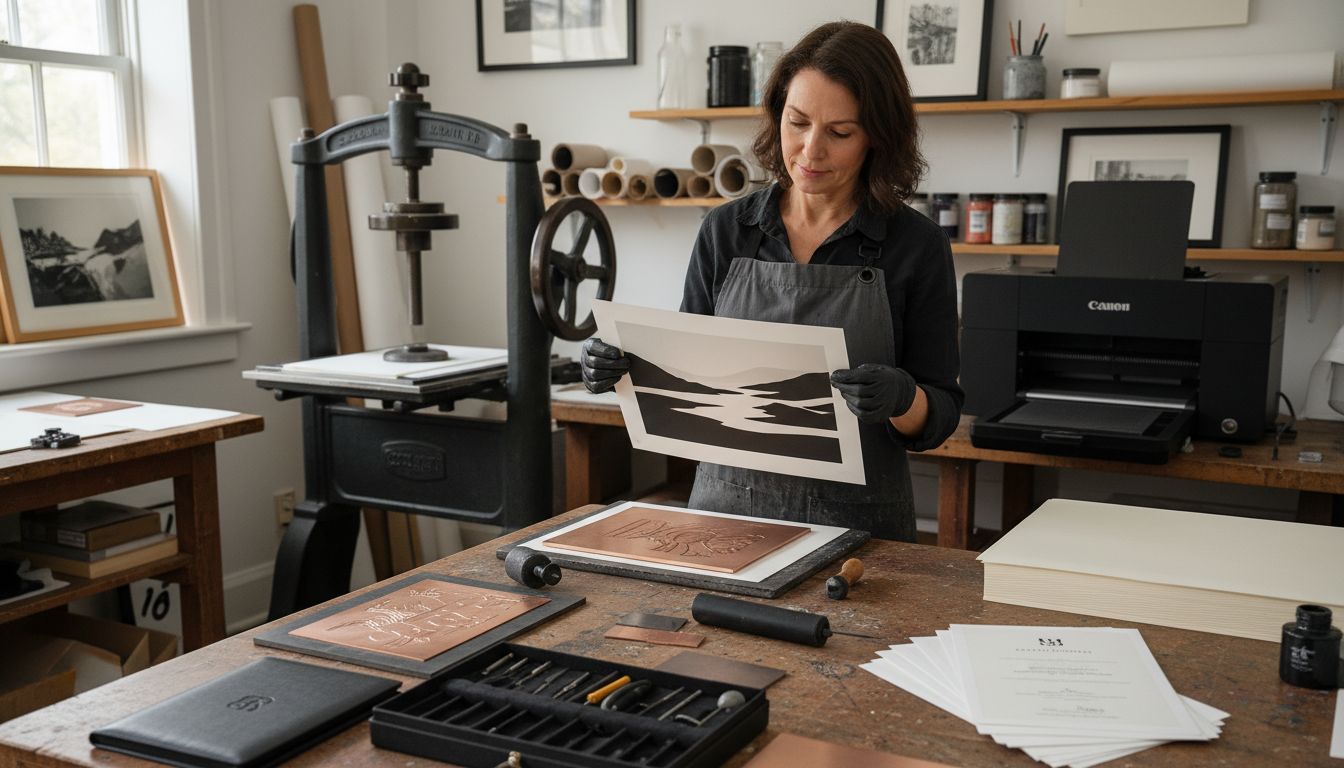 The key distinctions lie in the printing technique, quality of materials, and the artist’s direct involvement.
For art collectors and interior design enthusiasts, understanding art prints means recognizing their unique place between original artworks and mass-market reproductions. Why Collect Art Prints: Complete Guide offers deeper insights into the nuanced world of art print collecting, helping you make informed decisions about building your personal art collection.
Types of Art Prints: Methods and Materials
Printmaking offers a diverse range of techniques for creating art prints, each with unique characteristics and artistic expression. According to Fiveable, printmaking encompasses multiple methods for reproducing artistic images, with two primary categories: relief printing and intaglio techniques.
Relief printing methods like woodcut and linocut involve carving an image into a surface, then applying ink to the raised portions. Artists carefully cut away negative space, leaving the design in relief. Screen printing offers another versatile approach, using a mesh screen and specialized stencils to create vibrant, layered prints with bold colors and distinct textures.
Intaglio techniques provide even more intricate possibilities. Etching, for instance, allows artists to create highly detailed images by using acid to cut designs into a metal plate. Other notable intaglio methods include engraving and aquatint, each offering unique ways to capture subtle gradations and complex visual narratives. Professional artists often select specific techniques based on the emotional and visual effect they want to achieve.
For art collectors looking to understand the nuanced world of print collecting, Why Invest in Artist Prints: Complete Guide provides deeper insights into the craftsmanship and value behind different printing techniques. Whether you’re drawn to the bold graphic qualities of relief printing or the delicate details of intaglio methods, understanding these techniques enriches your appreciation of art prints.
How Art Prints Are Made and Used
Art prints represent a fascinating intersection of artistic creativity and reproducibility. According to Fiveable, printmaking allows artists to produce multiple copies of an image, with each print considered an original work that enables wider dissemination and accessibility of art. This unique characteristic transforms art from an exclusive medium to a more democratic form of creative expression.
The production process involves multiple intricate steps. Artists begin by creating a master plate or matrix using techniques like etching, lithography, or screen printing. Each impression requires careful inking, precise pressure application, and meticulous attention to detail. Professional printmakers often create limited edition prints, numbering and signing each piece to establish its authenticity and collectible value.
Practical applications of art prints span diverse domains. Interior designers use them to create curated wall displays, while collectors appreciate them as affordable alternatives to original artworks. Museums and galleries frequently showcase print collections, recognizing their historical and artistic significance. Individual prints can serve as statement pieces in home decor, office spaces, or personal art collections.
Complete Guide to Decorating With Art Prints offers expert insights into integrating these versatile art pieces into various living spaces. Whether you’re a seasoned art collector or a design enthusiast exploring new aesthetic possibilities, understanding the nuanced world of art prints can transform your approach to visual storytelling and interior design.
Quality, Value, and Authenticity Factors
Authenticity in art prints is a nuanced concept that goes far beyond simple reproduction. As Art in Print emphasizes, understanding the history and cultural context of printed images is crucial to appreciating their true quality and value. Provenance, or the documented history of an artwork’s ownership and creation, plays a critical role in establishing an art print’s legitimacy and potential investment worth.
Several key factors determine an art print’s quality and authenticity. Limited edition prints are typically more valuable, with the artist’s signature and a numbered sequence adding significant credibility. Professional collectors examine elements like the printing technique, paper quality, ink preservation, and the artist’s direct involvement in the printing process. Factors such as the print’s condition, rarity, and historical significance can dramatically impact its market value.
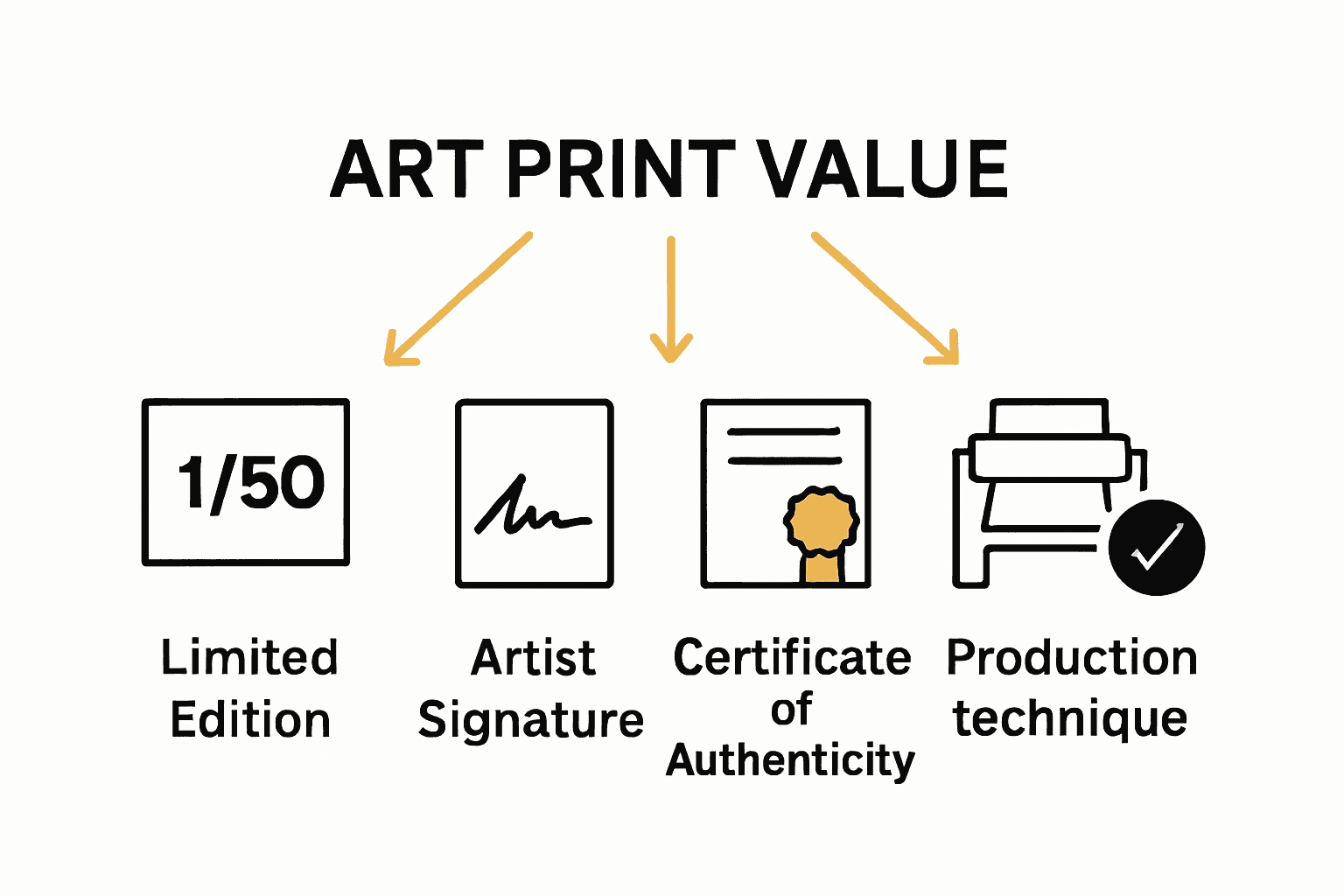
The certification process for high-quality art prints involves multiple layers of verification. Reputable printmakers provide certificates of authenticity that document the print’s origin, edition size, and unique characteristics. Collectors should look for prints with clear provenance, professional documentation, and ideally, those created under the artist’s direct supervision. Some prints gain additional value through their connection to specific artistic movements or historical periods.
7 Key Differences: Original Art vs Prints for Your Space provides deeper insights into navigating the complex world of art print valuation. Whether you’re an emerging collector or an experienced art enthusiast, understanding these nuanced authentication factors can help you make informed decisions and build a meaningful art collection that appreciates both aesthetic and monetary value.
Art Prints vs Originals and Alternatives
Understanding the distinctions between original artworks and art prints is crucial for collectors, interior designers, and art enthusiasts. Original artworks represent unique, one-of-a-kind pieces created directly by the artist, typically involving hand-crafted techniques like painting, drawing, or sculpture. These pieces are inherently more valuable, with each stroke and detail reflecting the artist’s direct creative expression.
Art prints, by contrast, are high-quality reproductions that offer an accessible alternative to original artworks. While they may not possess the same singular uniqueness, professional art prints maintain remarkable fidelity to the original piece. Techniques like giclée printing and limited edition runs enable artists to create museum-quality reproductions that capture intricate details, color nuances, and artistic intent with exceptional precision.
Beyond traditional prints, alternative art reproduction methods have emerged. Digital prints, canvas transfers, and merchandise prints provide diverse options for art lovers with varying budgets and aesthetic preferences. These alternatives democratize art appreciation, allowing individuals to enjoy and display artistic imagery in multiple formats. Some collectors even view high-quality art prints as valuable collectibles, especially when produced in limited quantities or featuring signature authentication.
What Makes Art Original: Complete Guide for 2025 offers deeper insights into understanding the nuanced world of artistic reproduction. Whether you’re seeking an investment piece, a decorative statement, or a way to support contemporary artists, understanding the spectrum of art reproduction can help you make informed and meaningful choices.
Buying, Caring for, and Displaying Art Prints
Art print collecting is a nuanced journey that requires careful consideration of purchasing, preservation, and presentation strategies. Buying art prints involves more than simply selecting an attractive image. Potential collectors should evaluate factors like print quality, edition size, artist reputation, and personal aesthetic resonance. Professional collectors recommend examining the print’s provenance, certification, and printing technique before making an investment.
Preserving art prints demands meticulous care and environmental awareness. Archival framing is crucial, utilizing acid-free matting, UV-protective glass, and climate-controlled spaces to prevent degradation. Key preservation techniques include avoiding direct sunlight, maintaining consistent temperature and humidity, and handling prints with clean, white cotton gloves. Storing prints flat in archival-quality portfolios or using professional conservation methods can significantly extend their longevity and maintain their pristine condition.
Displaying art prints offers endless creative possibilities for personalizing living spaces. Strategic placement involves considering wall color, lighting, frame style, and room composition. Some collectors create gallery walls featuring multiple prints, while others prefer singular statement pieces that draw immediate attention. Rotating prints seasonally or during home redesigns can refresh interior aesthetics and prevent prolonged exposure to potentially damaging environmental factors.
How to Use Art Prints for Stunning Home Decor Success provides comprehensive insights into transforming your living spaces through thoughtful art print selection and display. Whether you’re a seasoned collector or a design enthusiast exploring new aesthetic horizons, understanding the nuanced art of purchasing, preserving, and presenting art prints can elevate your interior design approach.
Discover the Beauty and Authenticity of Art Prints in Your Space
Choosing the right art print means understanding its unique value beyond mass-produced images. The article highlights the importance of limited editions, artist involvement, and high-quality printing techniques that bring emotional resonance and lasting appeal to your walls. If you seek to enrich your home or office with authentic, captivating artwork, it is essential to start with pieces that reflect these qualities.
Elevate your interior design using our collection of Artwork Printed on Canvas – Eman’s Gallery.
Explore a curated selection of original prints and canvas artwork that combine craftsmanship with accessibility. Visit Eman’s Gallery now to find exclusive art prints that capture true artistic spirit. Don’t wait to transform your living space with genuine art that tells a story and invites emotional connection.
Frequently Asked Questions
What is an art print?
An art print is a reproduced version of original artwork, created through specialized printing techniques that preserve the intricate details and artistic integrity of the original piece. They provide art lovers access to high-quality representations at a more affordable price.
How are art prints made?
Art prints are made using various printmaking techniques, including screen printing, lithography, etching, and giclée printing. The process typically starts with creating a master plate or matrix, followed by careful inking and pressure application to produce multiple copies of the print.
What factors determine the value of an art print?
The value of an art print is determined by factors such as limited edition status, the artist’s reputation, the printing technique used, paper quality, and the print’s condition. Prints that come with a certificate of authenticity and clear provenance tend to command higher prices.
How should I care for and display my art prints?
To care for art prints, use archival framing materials, avoid direct sunlight, and maintain consistent temperature and humidity levels. When displaying prints, consider the wall color, lighting, and room style to enhance their visual impact. Rotating prints can also help prevent environmental damage and refresh your decor.
Recommended
- Complete Guide to Why Collect Art Prints – Eman’s Gallery
- Complete Guide to Decorating With Art Prints – Eman’s Gallery
- Why Invest in Artist Prints: Complete Guide – Eman’s Gallery
- 7 Key Differences: Original Art vs Prints for Your Space – Eman’s Gallery
- Complete Guide to Motorsport Artwork Collecting | Colors of Speed
- Canvas Prints vs Posters: Best Choice for Personalized Wall Art – FunLifeNow
Stay Connected
- ✨ Explore Eman Khalifa’s original art and fine art prints
- 📸 Follow Eman Khalifa’s art journey on: Instagram @emans_gallery and Facebook Eman’s Gallery
- 📹 Watch Eman Khalifa creating live art on: YouTube @emans_gallery
- Supported by BabyLoveGrowth
