


Photographic Art: Meaning, Value, and Appreciation
TL;DR:
- Artistic photography emphasizes intention, emotion, and storytelling over technical perfection.
- Key elements include composition, lighting, symbolism, narrative, and originality.
- Genuine photographic art involves personal risk, vulnerability, and conveying deeper meaning.
Photography is everywhere. Billions of images are captured daily, yet only a fraction qualify as art. The difference is not about camera quality or technical precision. It is about intention, vision, and the ability to make a viewer feel something. Many people assume that a sharp, well-exposed photograph is automatically artistic. That assumption misses the point entirely. Photographic art is a distinct practice rooted in expression, narrative, and meaning. This article clarifies what separates artful photography from skilled snapshots, why it matters historically and culturally, and how you can begin to recognize, appreciate, and even collect it.
Table of Contents
- Defining photographic art: More than just taking pictures
- Key elements that distinguish photographic art
- Why photographic art matters: History, impact, and modern debates
- How to appreciate and collect photographic art
- Why photographic art defies simple definitions
- Explore photographic and original artwork at Eman’s Gallery
- Frequently asked questions
Key Takeaways
| Point | Details |
|---|---|
| Art goes beyond skill | Photographic art expresses vision, emotion, or narrative—not just technical perfection. |
| Intent matters most | A photograph’s artistic value comes from the photographer’s intent and storytelling. |
| Culture and history shape impact | Photographic art has influenced society and recorded history, but faces modern challenges like oversaturation. |
| Collectors value authenticity | Experienced collectors look for authenticity, meaningful story, and personal connection when acquiring photographic art. |
| Appreciation is a learned skill | Anyone can learn to appreciate and collect photographic art by understanding its defining elements and impact. |
Defining photographic art: More than just taking pictures
Not every photograph is art. This is a statement that makes some photographers uncomfortable, but it is accurate. A technically flawless image of a product for a catalog serves a purpose, but that purpose is functional, not expressive. Photographic art, by contrast, is defined by the photographer’s intent to communicate something beyond the literal subject.
The distinction matters. As debates in the photography community continue to grow, technical mastery equating to art remains one of the most contested questions in contemporary visual culture. Skill is a tool. Art is what you do with it.
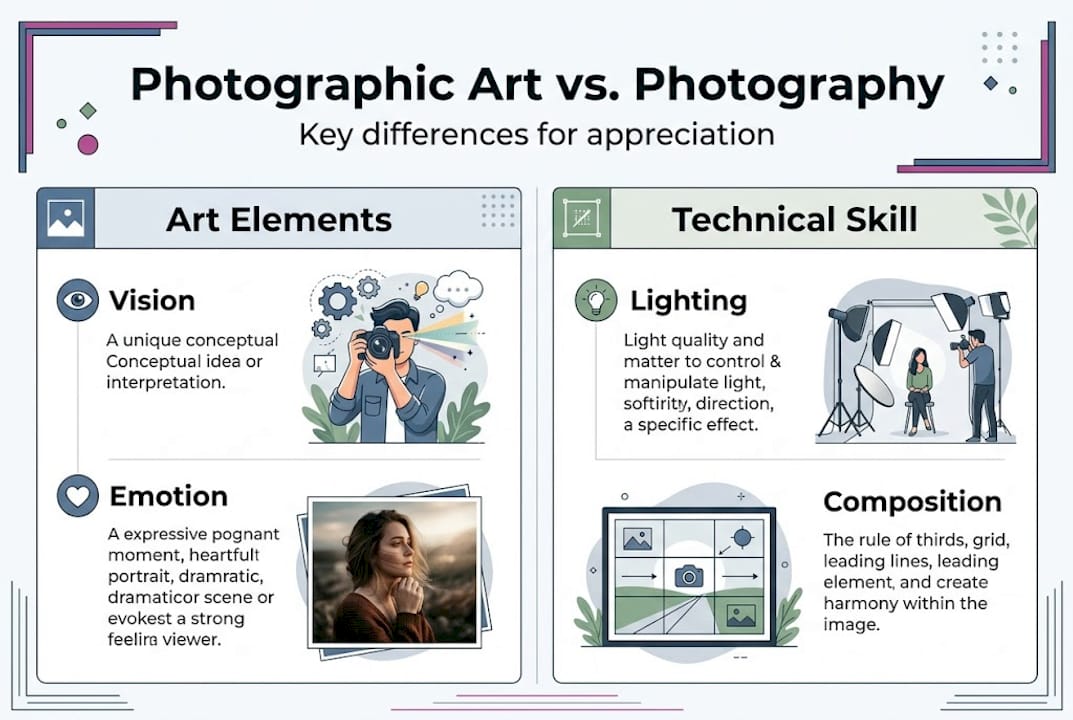
To understand the difference clearly, consider this comparison:
| Feature | Technical photography | Photographic art |
|---|---|---|
| Primary goal | Accuracy and clarity | Expression and meaning |
| Measures success by | Sharpness, exposure, color | Emotional impact, narrative |
| Audience response | Recognition | Interpretation |
| Examples | Product shots, ID photos | Fine art prints, documentary art |
Photographic art often:
- Tells a story that extends beyond the frame
- Evokes a specific emotional response
- Offers social, political, or personal commentary
- Invites the viewer to ask questions rather than receive answers
- Uses composition and light as expressive tools, not just technical ones
As one perspective in the field puts it:
“The camera is an instrument that teaches people how to see without a camera.”
This idea captures what separates artful photography from documentation. The photographer’s eye, shaped by intention and experience, is what transforms a moment into meaning. Understanding this distinction is also central to art curation, where selecting works based on their expressive value rather than technical quality is a core principle.
Key elements that distinguish photographic art
Once you understand what photographic art is, the next step is identifying what makes a specific photograph artistic. It is not a single quality. It is a combination of deliberate choices that work together to produce something greater than the sum of its parts.
Art photographs convey intention and meaning, not just sharpness or color accuracy. Here are the core elements that define artistic photography:
- Composition: The arrangement of elements within the frame is a conscious decision. Artistic photographers use space, balance, and geometry to guide the viewer’s eye and create visual tension or harmony.
- Lighting: Light is not just illumination in art photography. It sets mood, reveals texture, and can symbolize emotional states. The direction, quality, and color of light are all intentional choices.
- Subject and context: What is photographed matters, but so does why. Artistic photographers choose subjects that carry symbolic weight or cultural significance.
- Narrative: A strong art photograph tells a story or implies one. The viewer should sense that something happened before the shutter clicked, or wonder what happens next.
- Symbolism and mood: Objects, colors, and environments carry meaning. Skilled art photographers use these layers to add depth to their images.
- Originality: Authentic artistic vision is not imitation. It reflects the photographer’s unique perspective, even when working within established traditions.
Pro Tip: When evaluating whether a photograph is art, ask yourself: does this image make me think or feel something specific? If the answer is yes, and that response feels intentional rather than accidental, you are likely looking at photographic art.
These elements also apply when choosing types of home decor art for your space. Photographs that carry narrative weight and emotional depth work far better as wall art than technically perfect but emotionally flat images. If you plan to display photographic art, a solid framing prints guide will help you present the work in a way that honors its artistic intent.
Why photographic art matters: History, impact, and modern debates
Photographic art has shaped how societies understand themselves. From Dorothea Lange’s images of the Great Depression to Nick Ut’s photograph from the Vietnam War, certain photographs have altered public opinion and influenced policy. These images were not just technically competent. They were artistically constructed to communicate human truth.
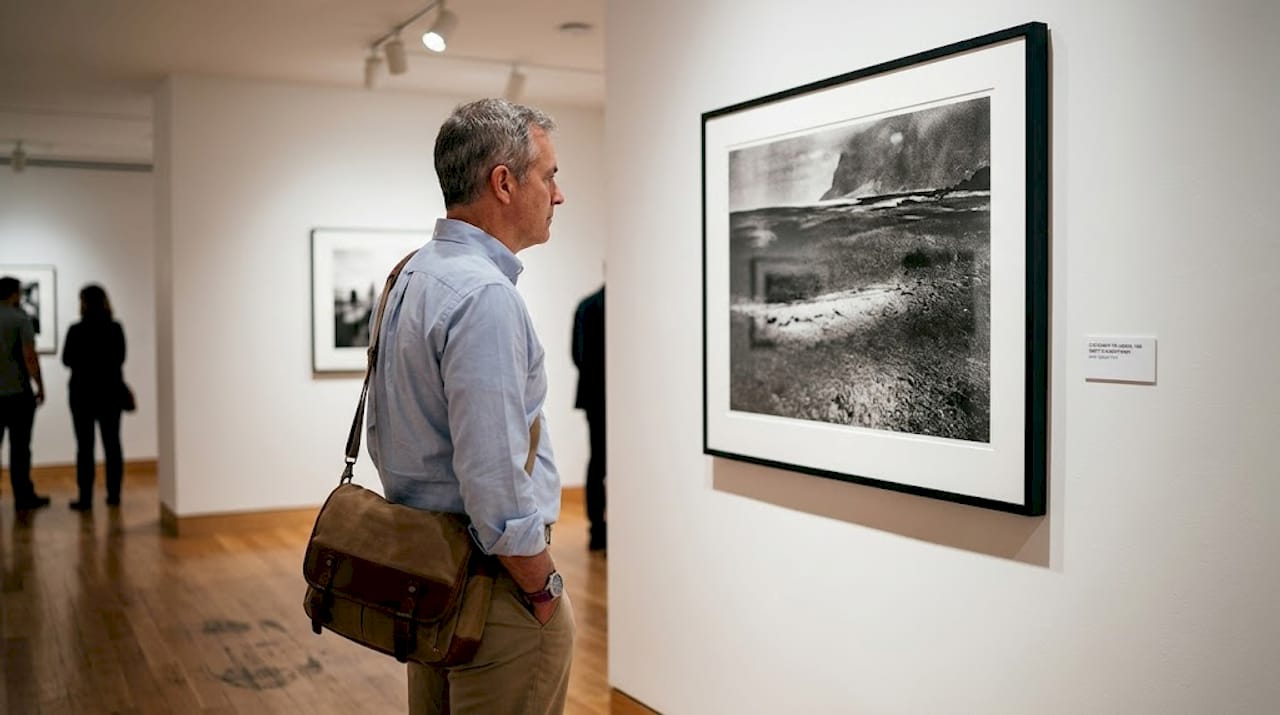
The cultural weight of photography as an art form is reflected in the global art market. Photography’s role in global art sales has grown steadily, with fine art photography now representing a significant segment of auction results and gallery revenues worldwide.
Key historical milestones and modern challenges:
| Era | Development | Impact |
|---|---|---|
| 1839 | Daguerreotype invented | Photography recognized as a new visual medium |
| 1902 | Photo-Secession movement | Photography formally claimed as fine art |
| 1955 | “The Family of Man” exhibition | Photography elevated as a universal humanist art form |
| 2000s | Digital editing tools | Debate over authenticity and manipulation |
| 2020s | AI-generated images | Questions about authorship and artistic intent |
Contemporary challenges are real. Oversaturation and technical polish have created a situation where many modern photographs look impressive but feel empty. Mass production of edited images has made it harder for genuinely artistic work to stand out.
Other current debates include:
- Whether heavy digital editing undermines a photograph’s authenticity
- How AI-generated imagery affects the value of human-made photographic art
- Whether social media platforms have diluted the meaning of artistic photography
For collectors, these debates make the question of investing in artist prints more relevant than ever. Authentic, intentional photographic art holds cultural and financial value in ways that mass-produced images do not. Displaying such work, whether at home or in art in offices, signals an understanding of that difference.
How to appreciate and collect photographic art
Appreciating photographic art is a skill that develops over time. The more you look, the more you see. But there are practical steps you can take right now to sharpen your eye and make informed decisions as a collector or enthusiast.
Start with these fundamentals:
- Research the artist: Understanding a photographer’s background, influences, and body of work gives context to individual pieces. Context changes how you see an image.
- Assess intent: Ask what the photographer was trying to communicate. A strong artist statement or interview can reveal the layers behind the image.
- Look for consistency: Artistic vision is usually evident across a body of work, not just in a single image. One striking photograph may be accidental. A series of them reflects genuine vision.
- Consider the edition: Limited edition prints carry more value than open editions. Authenticity certificates and edition numbers matter when collecting.
- Trust your response: If an image consistently draws you back, that is meaningful. Emotional resonance is a reliable indicator of artistic quality.
Pro Tip: Avoid buying photographic art based solely on how well it matches your furniture. Pieces chosen for emotional or intellectual connection tend to hold their meaning and value far longer than decorative purchases.
Curating and collecting photographic art enhances personal spaces and can be a meaningful investment when approached with knowledge and intention. For practical guidance on selection, a resource on choosing art prints covers key considerations from size to subject matter. Once you have chosen a piece, advice on styling art prints at home ensures the work is displayed to its full effect. For those considering canvas printing and framing, professional finishing can significantly elevate how a photographic work reads in a space.
Why photographic art defies simple definitions
Most guides to photographic art focus on rules: composition, lighting, narrative. Those elements matter. But the photographs that endure, the ones that end up in museum collections and cultural memory, often break those rules deliberately.
The most celebrated works in photographic art history are frequently the ones that made people uncomfortable, that challenged what a photograph was supposed to look like. Technical vernacular sometimes overshadows true expression, and that is a problem for how we teach and evaluate photography as an art form.
What most guides miss is the role of personal risk. Artistic photographers make choices that expose their perspective, their politics, their grief, or their joy. That vulnerability is what creates connection between the image and the viewer. A technically perfect photograph taken without that risk rarely achieves the same impact.
This is why photographic art cannot be reduced to a checklist. It requires the photographer to have something to say and the courage to say it visually. For those building a collection or a curating luxury galleries environment at home, choosing work that reflects genuine artistic risk is what separates a meaningful collection from a decorative one.
Explore photographic and original artwork at Eman’s Gallery
If this article has sharpened your eye for what makes photography art, the next step is seeing that quality in practice.
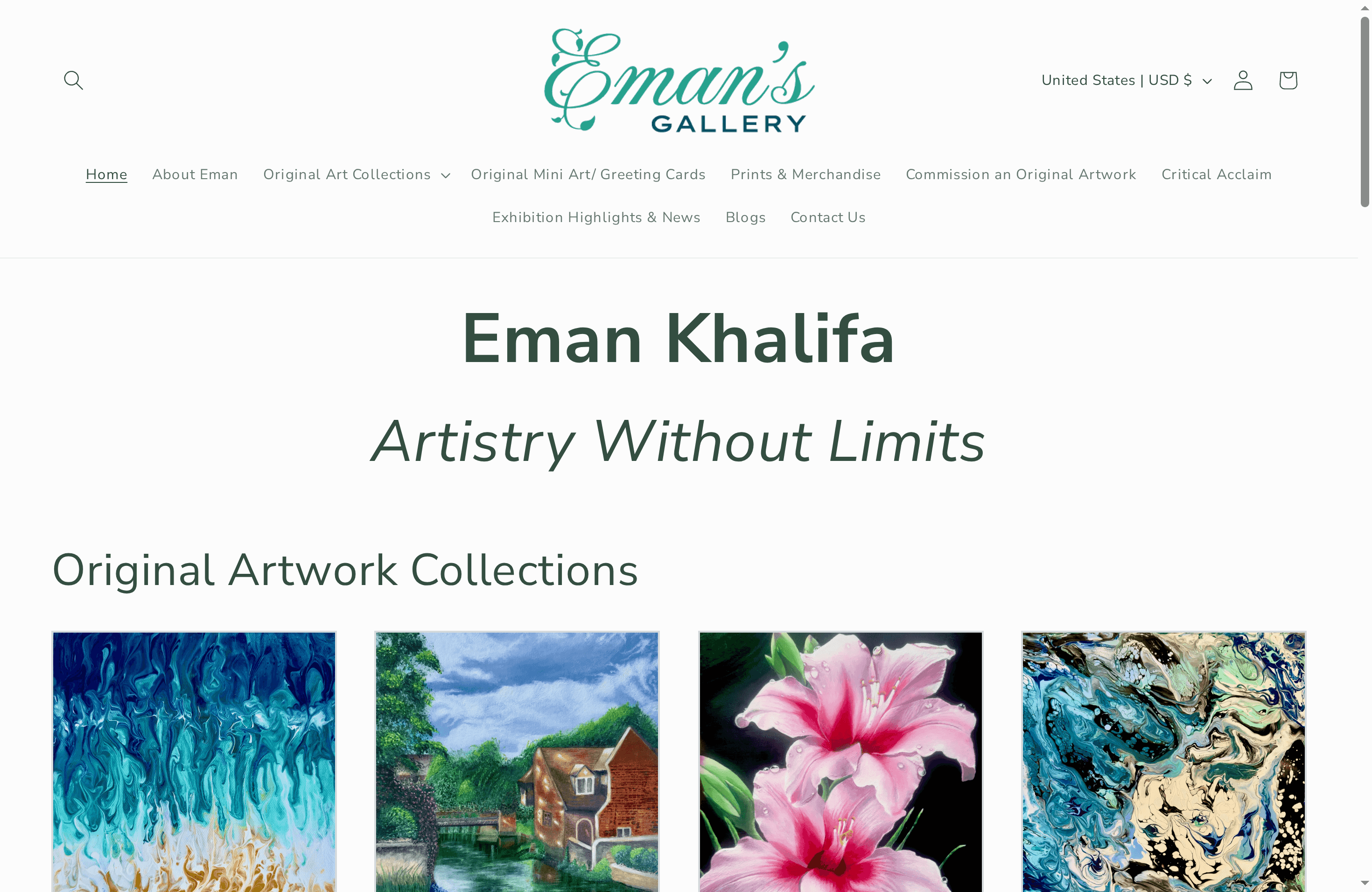
Eman’s Gallery offers a curated selection of original artworks and museum-quality prints that reflect genuine artistic intention. From the striking conceptual canvas print to an extensive range of wall art prints, each piece is selected for its expressive value and visual impact. Browse unique wall art designs across abstract, geometric, floral, landscape, seascape, and still-life categories. Eman’s Gallery ships worldwide, making original and print art accessible to collectors, interior designers, and enthusiasts everywhere.
Frequently asked questions
What makes a photograph qualify as art?
A photograph becomes art when it expresses an intent, emotion, or narrative beyond technical skill, often provoking thought or feeling. Photographic art is recognized for its intention and expressive impact rather than its technical precision.
Are technically perfect photos always considered art?
No, technical perfection alone does not make a photograph art. Artistic qualities include intention, vision, and emotional resonance, and technical photos can lack those expressive or artistic qualities entirely.
How can I start collecting photographic art?
Begin by learning about artists, appreciating their vision, and choosing pieces that resonate emotionally or intellectually. Curating and collecting photographic art can be a meaningful investment when approached with knowledge.
Does digital editing reduce a photograph’s artistic value?
Digital editing can enhance or detract from artistic value depending on whether it supports the artist’s vision. Contemporary debates focus on editing and oversaturation as key challenges to photographic art’s integrity.
Can photography be both a documentary and an art form?
Yes, many documentary photographs are considered art when they convey emotion, meaning, or unique perspectives. Photography has documented major events and shaped public opinion in ways that are both journalistic and deeply artistic.
Recommended
- What Makes Art Valuable: Key Factors Explained - Eman’s Gallery
- Signed Art Prints: Value, Authenticity, and Investment - Eman’s Gallery
- What Is Fine Art Printing and Why It Matters
- Art reproduction guide: understand, identify, and appreciate
Stay Connected
- Explore Eman's Gallery Original Mini-Art Cards, hand-painted by Eman Khalifa
- ✨ Explore Eman Khalifa’s original art, fine art prints & art merchandise
- 📸 Follow Eman Khalifa’s art journey on: Instagram @emans_gallery and Facebook Eman’s Gallery
- 📹 Watch Eman Khalifa creating live art on: YouTube @emans_gallery
