


How to Use Art in Offices to Boost Workplace Design
A bland office wall can make even the brightest workspace feel uninspired. For corporate office managers and interior designers in the United States and United Kingdom, aligning art with company culture is far more than decoration. When you assess your office’s unique needs and set clear aesthetic goals, you are investing in both visual appeal and employee wellness. Bold art selections become a strategic tool for shaping an environment where creativity, engagement, and satisfaction can thrive.
Table of Contents
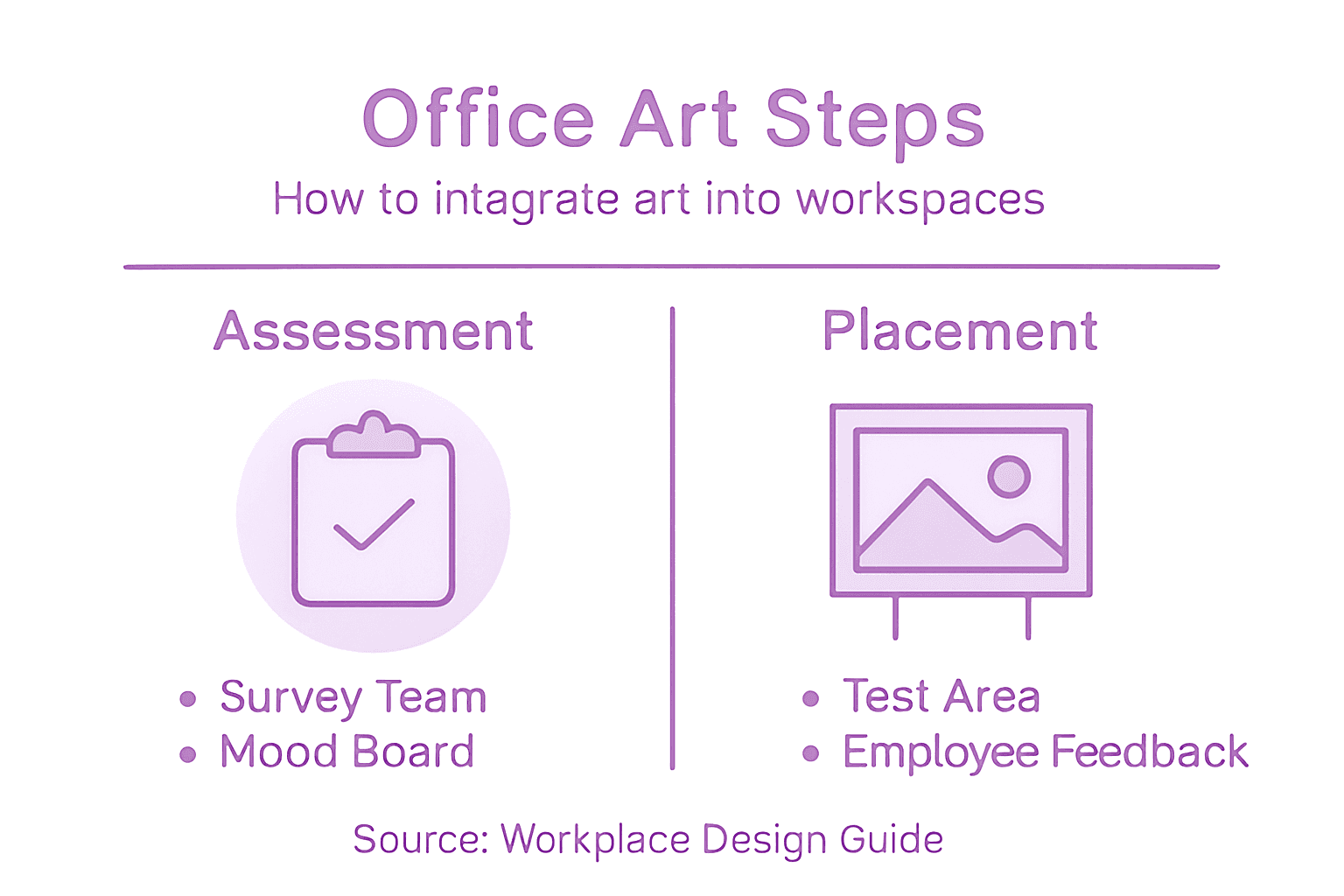
- Step 1: Assess Office Needs And Aesthetic Goals
- Step 2: Select Artwork Styles To Match Workspace Themes
- Step 3: Arrange Art Placements For Maximum Impact
- Step 4: Incorporate Art To Support Well-Being And Creativity
- Step 5: Verify Visual Harmony And Employee Feedback
Quick Summary
| Key Point | Explanation |
|---|---|
| 1. Assess office needs creatively | Evaluate workspace layout, employee preferences, and brand identity to guide art selection and placement. |
| 2. Choose impactful art styles | Select artwork that reflects company values and enhances productivity by matching themes and emotional impact. |
| 3. Strategically position artworks | Place art in high-visibility areas and create focal points to boost motivation and foster collaboration. |
| 4. Incorporate art for well-being | Use art to create interactive spaces and reduce stress, promoting employee mental health and creativity. |
| 5. Gather employee feedback | Regularly collect and analyze employee perspective on art to ensure visual harmony and workspace engagement. |
Step 1: Assess office needs and aesthetic goals
Designing an engaging workplace through art requires a strategic approach to understanding your specific office environment and aesthetic objectives. Workplace design significantly impacts employee wellbeing and requires careful consideration of both functional and visual elements.
To effectively assess your office needs and aesthetic goals, start by conducting a comprehensive evaluation of your workspace. This process involves several key steps:
- Analyze current workspace layout and identify potential areas for artistic enhancement
- Evaluate employee demographics and their potential aesthetic preferences
- Consider the company’s brand identity and how art can reflect organizational culture
- Assess natural lighting and wall spaces that could accommodate artwork
When determining aesthetic goals, focus on creating a visual environment that supports productivity and employee satisfaction. Tailoring visual elements to users’ aesthetic preferences can significantly improve engagement and creative output.
Art in the workplace is not just decoration - it’s a strategic tool for enhancing workplace experience and employee performance.
Consider gathering input directly from employees through surveys or visual preference assessments. This collaborative approach ensures the selected artwork resonates with your team’s sensibilities and contributes positively to the workspace.
Pro tip: Create a mood board with potential art styles and colors to visualize how different artworks might interact with your office environment.
Step 2: Select artwork styles to match workspace themes
Selecting the right artwork for your office involves understanding how different art styles reflect workplace environments. The visual language you choose can dramatically transform your workspace, communicating your company’s identity and cultural values.
To successfully match artwork styles with your workspace themes, consider these strategic approaches:
- Analyze your company’s core values and identify art styles that authentically represent them
- Examine the existing architectural elements and select artwork that complements the design
- Consider the emotional impact of different art styles on employee productivity
- Match color palettes between artwork and office interior design
Understanding visual components like form and composition helps ensure the artwork integrates seamlessly with your workspace. Different art styles communicate distinct messages:
- Minimalist art suggests efficiency and modern thinking
- Abstract pieces indicate creativity and innovation
- Realistic artwork conveys professionalism and precision
- Impressionist styles can create a sense of energy and dynamism
Artwork is not merely decoration - it’s a strategic communication tool that reflects your organizational culture and values.
Ensure the selected artwork resonates with your team’s aesthetic preferences and supports the overall workplace environment. Thoughtful art selection can transform a generic office into an inspiring, engaging workspace.
The following table provides a quick reference to how different art styles can influence office atmosphere:
| Art Style | Main Message | Workplace Impact |
|---|---|---|
| Minimalist | Efficiency, clarity | Reduces distractions |
| Abstract | Innovation, creativity | Sparks new ideas |
| Realistic | Precision, expertise | Enhances professionalism |
| Impressionist | Energy, vibrancy | Boosts team morale |
Pro tip: Create a small artwork trial area where you can test different art styles before making a final commitment to ensure perfect workspace integration.
Step 3: Arrange art placements for maximum impact
Strategic art placement can transform workspaces by creating engaging visual environments that inspire creativity and boost employee motivation. Understanding the nuanced approach to artwork positioning is crucial for maximizing its potential impact on workplace dynamics.
To arrange art effectively, consider these strategic placement guidelines:
- Analyze traffic flow and identify high-visibility areas for artwork
- Balance visual stimulation across different office zones
- Create focal points that draw attention without overwhelming the space
- Consider lighting conditions to enhance artwork visibility
Thoughtful spatial arrangement contributes to workplace well-being by supporting both collaborative and individual work environments. Different zones require unique artistic approaches:
- Reception areas: Bold, welcoming statement pieces
- Collaborative spaces: Dynamic, energetic artwork
- Quiet work zones: Calming, subtle compositions
- Meeting rooms: Inspirational and thought-provoking pieces
Art placement is a strategic design element that communicates organizational identity and supports employee psychological needs.
Ensure your artwork tells a cohesive story throughout the workspace. Each piece should contribute to a narrative that reflects your company’s culture and values, creating an environment that motivates and inspires your team.
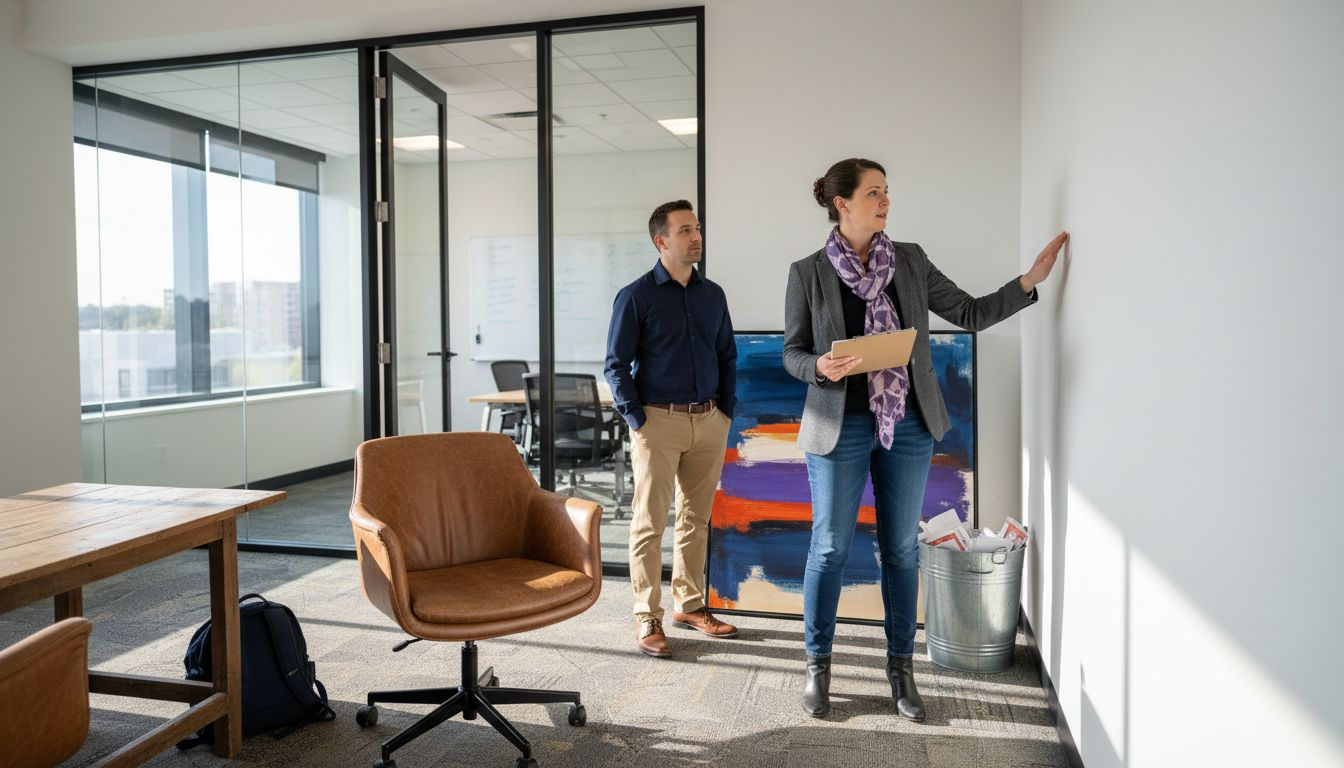
Here’s a summary of strategic art placement for optimal workspace effect:
| Office Area | Recommended Artwork | Desired Effect |
|---|---|---|
| Reception | Bold statement piece | Create welcoming impression |
| Collaborative Space | Dynamic, colorful works | Foster team energy |
| Quiet Zone | Calming compositions | Support focus and calm |
| Meeting Room | Inspiring pieces | Encourage creative thinking |
Pro tip: Use removable mounting options to easily rotate artwork and keep the office environment fresh and engaging.
Step 4: Incorporate art to support well-being and creativity
Creative activities and workplace art can significantly enhance employee mental health and organizational performance. Understanding how to strategically integrate art supports both individual and collective well-being in modern workspaces.
To effectively incorporate art that nurtures creativity and wellness, consider these key strategies:
- Create interactive art zones that encourage employee participation
- Select artwork with positive psychological impact
- Design flexible creative spaces that inspire collaboration
- Use art as a stress reduction tool
Biophilic design principles can transform workplace creativity by integrating nature-inspired elements that reduce sensory fatigue. Consider these approaches to supporting well-being through art:
- Natural landscape paintings that provide visual relaxation
- Abstract pieces that stimulate cognitive engagement
- Collaborative art walls where employees contribute
- Rotating exhibitions that maintain visual freshness
Art is not just decoration - it’s a powerful tool for psychological restoration and creative inspiration.
Ensure your art selection reflects diverse perspectives and provides visual narratives that connect employees emotionally to their workspace. The goal is creating an environment that feels both personally meaningful and professionally inspiring.
Pro tip: Conduct periodic employee surveys to understand how workplace art impacts their mood and creativity, and adjust your art strategy accordingly.
Step 5: Verify visual harmony and employee feedback
Visual harmony directly impacts workplace satisfaction and requires systematic evaluation to ensure art integration meets employee expectations. Creating a robust feedback mechanism helps validate your artistic design choices and maintain an engaging workspace.
To effectively verify visual harmony, implement these strategic assessment techniques:
- Create anonymous feedback surveys about artwork perception
- Conduct periodic visual environment assessments
- Organize focus group discussions with diverse employee representatives
- Track employee mood and productivity metrics
Feedback environments significantly influence workspace creativity and help organizations refine their design approach. Consider these evaluation methods:
- Quarterly visual satisfaction surveys
- Digital feedback platforms for continuous input
- Visual preference mapping exercises
- Performance correlation with workspace aesthetics
Employee perspectives are the most authentic measure of your workspace’s visual success.
Remember that visual harmony is an ongoing process. Regularly reassess and adapt your artwork strategy based on collected insights, ensuring the workspace remains dynamic and responsive to employee needs.
Pro tip: Develop a simple digital dashboard that aggregates artwork feedback, making it easy to track and visualize employee sentiments over time.
Elevate Your Office Environment with Original Art from Eman’s Gallery
Transforming your workspace with thoughtful art can solve common office design challenges like creating visual harmony, supporting employee well-being, and reinforcing your company culture. Our curated collections of original artwork capture key concepts from your workplace design goals such as boosting creativity with dynamic pieces and promoting calm with subtle compositions. Choose from the Geometric Original Art Collection - Unique Geometric Wall Decor to add modern clarity and focus or explore the Expressionist Original Art Collection | Unique Artwork for Your Space to inspire innovation and energy.
Take the next step toward a more engaging and inspiring workplace by browsing original, handmade paintings that perfectly match your office aesthetic goals. Visit Eman’s Gallery today to discover museum-quality art and large-scale wall décor that ships worldwide. Harness the power of art now to enhance employee satisfaction, spark creativity, and create a workspace that truly reflects your brand identity.
Frequently Asked Questions
How can I assess my office’s needs for art placement?
To effectively assess your office’s needs, analyze the current layout, evaluate employee demographics, and consider your company’s brand identity. Conduct employee surveys or preference assessments to gather insights and tailor your art selections accordingly.
What types of artwork should I consider for enhancing workplace design?
Focus on art styles that reflect your company’s core values and resonate with employee preferences. Options might include minimalist art for efficiency or abstract pieces that inspire creativity; match the artwork with your existing office design and color palette for a cohesive look.
How should I arrange artwork for maximum impact in the office?
Arrange artwork in high-visibility areas and create focal points that enhance the workspace without overwhelming it. Prioritize different styles based on office zones, such as bold pieces in reception areas and calming art in quiet zones, to support diverse work environments.
What strategies can I use to incorporate art that supports employee well-being?
Select art that has a positive psychological impact and create interactive zones where employees can engage with the artwork. Consider natural themes or collaborative art projects to foster creativity and enhance overall workplace morale.
How can I ensure visual harmony in my office art selections?
Verify visual harmony by conducting employee feedback surveys and periodic assessments of the art’s impact on workplace satisfaction. Track employee mood and productivity in relation to the artwork and be ready to adapt your strategy based on collected insights.
What simple actions can I take to engage employees in the art selection process?
Involve employees in the art selection process by organizing focus group discussions or creative workshops dedicated to art preferences. Aim to gather input regularly, such as once every quarter, to ensure the art remains relevant and meaningful to your team.
Recommended
- Role of Art in Workspaces – Impact on Well-being
- Why Art Matters in Interiors: Transforming Spaces
- Why Decorate With Art: Transforming Modern Luxury Spaces
- Why Display Art at Home: Transforming Modern Spaces
Stay Connected
- ✨ Explore Eman Khalifa’s original art and fine art prints
- 📸 Follow Eman Khalifa’s art journey on: Instagram @emans_gallery and Facebook Eman’s Gallery
- 📹 Watch Eman Khalifa creating live art on: YouTube @emans_gallery
