


What Is Fine Art Printing and Why It Matters
Fine art printing shapes the core of distinguished collections in american and British homes, blending artistic tradition with technical mastery. With over 90 percent of premium art sales relying on expertly produced prints, understanding these principles becomes vital for both collectors and designers. This guide reveals what sets fine art prints apart, highlights the key methods and materials, and clarifies how authenticity impacts value, so your next acquisition truly reflects excellence and heritage.
Table of Contents
- Defining Fine Art Printing And Key Principles
- Popular Fine Art Print Methods Explained
- Materials: Inks, Papers, And Longevity
- Authenticity, Editions, And Value For Collectors
- Comparing Fine Art Prints To Standard Prints
Key Takeaways
| Point | Details |
|---|---|
| Fine Art Printing Techniques | Fine art printing encompasses methods such as relief, intaglio, lithography, and screen printing, each requiring specialized skills and producing unique artistic results. |
| Importance of Authenticity | Collectors should verify print signatures, edition numbers, and obtain certificates of authenticity to ensure the value and legitimacy of fine art prints. |
| Quality Materials Matter | The performance of fine art prints depends on high-quality inks and archival papers, impacting longevity and overall artistic value. |
| Limited Editions Hold Value | Limited editions enhance collectability and value, as each print represents a controlled reproduction that underscores exclusivity and artistic integrity. |
Defining Fine Art Printing and Key Principles
Fine art printing represents a sophisticated process of creating original artworks through specialized reproduction techniques that transform artistic vision into tangible, collectible pieces. Printmaking involves transferring artistic images from an original matrix onto paper, fabric, or other surfaces using precise technical methods that preserve an artist’s creative intent.
Traditional fine art printing encompasses multiple techniques including engraving, etching, lithography, woodcuts, and screen printing. Each method requires exceptional skill and understanding of artistic principles. Artists carefully control the printing process, often creating limited edition prints where each impression is considered an original artwork. The matrix used for printing is typically destroyed after the edition is complete, ensuring the print’s exclusivity and maintaining its artistic value.
The key principles of fine art printing revolve around originality, quality, and artistic integrity. Artists sign and number each print, which authenticates the work and establishes its provenance. These prints are not mere reproductions but original artworks created through intricate technical processes that require significant artistic expertise. Professional fine art prints demonstrate meticulous attention to detail, color accuracy, and preservation of the original artwork’s essence.
Pro Tip: When collecting fine art prints, always verify the print’s edition number, artist signature, and the specific printing technique used to ensure authenticity and artistic value.
Popular Fine Art Print Methods Explained
Fine art printing encompasses several sophisticated techniques that transform artistic visions into unique, collectible works. Fine art printmaking includes multiple distinctive methods such as relief, intaglio, planographic, and screen printing, each offering artists unique ways to express their creative vision.
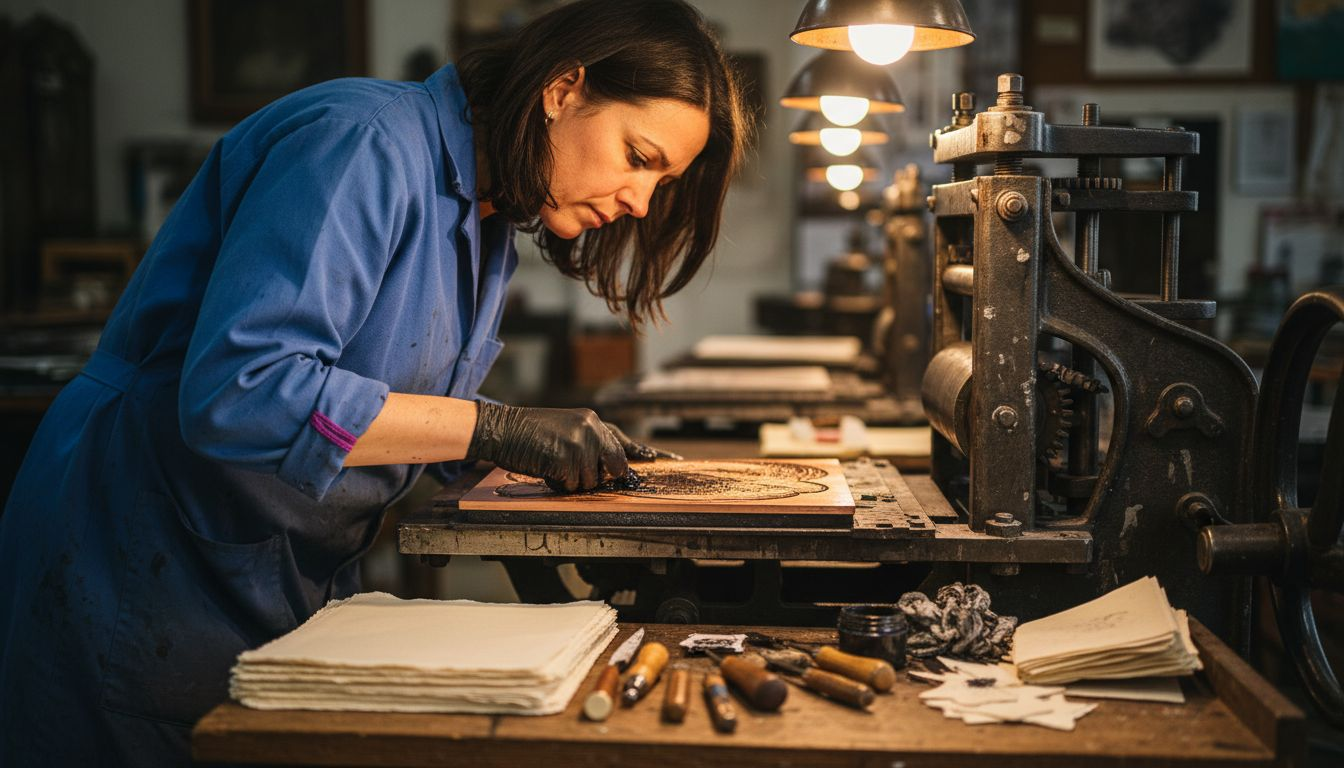
Relief printing, which includes woodcuts and linocuts, involves carving away negative spaces so that raised surfaces can be inked and transferred onto paper. Woodcut artists carefully remove material around their design, leaving the primary image raised to receive ink. This technique produces bold, graphic prints with strong visual contrast and a distinctive textural quality that celebrates the material’s inherent characteristics.
Intaglio printing techniques like engraving and etching represent another fundamental approach in fine art printmaking. These methods involve creating grooves and recessed lines in a metal plate, which are then filled with ink. When the plate is pressed against paper, the ink is transferred from the incised areas, creating intricate, detailed images with remarkable depth and subtle tonal variations. Screen printing and lithography offer additional versatile approaches, allowing artists to explore different textures, color applications, and visual effects in their fine art prints.
Pro Tip: Research and understand the specific printing technique behind a fine art print to appreciate the intricate craftsmanship and artistic skill involved in its creation.
Here’s a concise comparison of major fine art printmaking methods:
| Printing Technique | Distinctive Features | Typical Materials | Artistic Effect |
|---|---|---|---|
| Woodcut (Relief) | Carved raised image | Woodblocks, oil-based inks | Bold, graphic forms |
| Etching (Intaglio) | Acid-etched grooves | Copper plates, etching ink | Subtle, detailed lines |
| Lithography | Grease-based drawing | Limestone, greasy crayons | Smooth, complex textures |
| Screen Printing | Stencil on mesh | Silkscreen, acrylic inks | Vivid, layered colors |
Materials: Inks, Papers, and Longevity
Fine art printing’s quality and durability fundamentally depend on the careful selection of materials. Printing inks are complex mixtures designed for exceptional performance that ensure vibrant, long-lasting artistic reproductions. These specialized inks combine pigments, binders, and additives to create images with remarkable color depth, adhesion, and resistance to environmental degradation.
The choice of paper plays an equally critical role in fine art printing. Archival-grade papers are engineered to resist yellowing, maintain color integrity, and prevent deterioration over decades. Professional artists and printmakers select papers with specific characteristics like acid-free composition, high cotton content, and archival properties that protect the print from UV damage and atmospheric pollutants. Some papers are specifically designed to enhance certain printing techniques, offering different textures, weights, and absorption qualities that complement specific artistic styles.
Longevity in fine art prints is a complex interplay between ink chemistry, paper quality, and environmental conditions. Specialized UV-resistant inks and protective coatings can significantly extend a print’s lifespan, preventing color fading and maintaining the artwork’s original visual impact. Professional printmakers often use advanced testing methods like fadeometers to evaluate how prints will respond to long-term light exposure, ensuring that collectors receive artworks that will retain their beauty for generations.
Pro Tip: Store fine art prints away from direct sunlight and use archival-quality framing with UV-protective glass to maximize the print’s longevity and preserve its original aesthetic qualities.
Authenticity, Editions, and Value for Collectors
Fine art print collecting involves understanding the nuanced principles of authenticity and value. In printmaking, an edition comprises a fixed number of prints) produced from a single matrix, with each print representing a carefully controlled artistic reproduction. These limited editions are meticulously signed and numbered by artists, creating a direct connection between the artwork and its creator while establishing the print’s unique provenance and collectible status.
Authentication plays a critical role in determining an artwork’s value and legitimacy. Professional art authentication involves rigorous processes that verify an artwork’s origin, including examining the artist’s signature, analyzing printing techniques, and investigating the print’s documented history. Collectors should pay close attention to details like edition size, artist signature, and certificate of authenticity, as these factors significantly influence the artwork’s market value and long-term investment potential.
The concept of limited editions is fundamental to fine art print collecting. Artists typically destroy the original printing matrix after creating a predetermined number of prints, which ensures the edition’s exclusivity and prevents unauthorized reproductions. This practice maintains the artwork’s scarcity and helps protect the print’s value. Professional collectors understand that smaller edition sizes often correlate with higher artistic and monetary value, making each print a more unique and desirable acquisition.
Pro Tip: Always request a comprehensive certificate of authenticity and verify the print’s edition number and total edition size before making a significant art investment.
This table outlines factors influencing fine art print longevity and value:
| Factor | Impact on Print Longevity | Impact on Collector Value |
|---|---|---|
| Ink Quality | Prevents fading and discoloration | Enhances desirability |
| Paper Composition | Archival properties ensure stability | Signals premium provenance |
| Edition Size | Scarcity boosts exclusivity | Higher investment potential |
| Artist Signature | Confirms authenticity | Strengthens provenance trace |
| Environmental Storage | Reduces deterioration risks | Preserves investment integrity |
Comparing Fine Art Prints to Standard Prints
Fine art prints represent a sophisticated approach to artistic reproduction that distinguishes them significantly from standard commercial prints. While standard prints prioritize mass production and cost efficiency, fine art prints are crafted with meticulous attention to artistic quality, using premium materials and specialized techniques that elevate them from mere reproductions to collectible artworks.
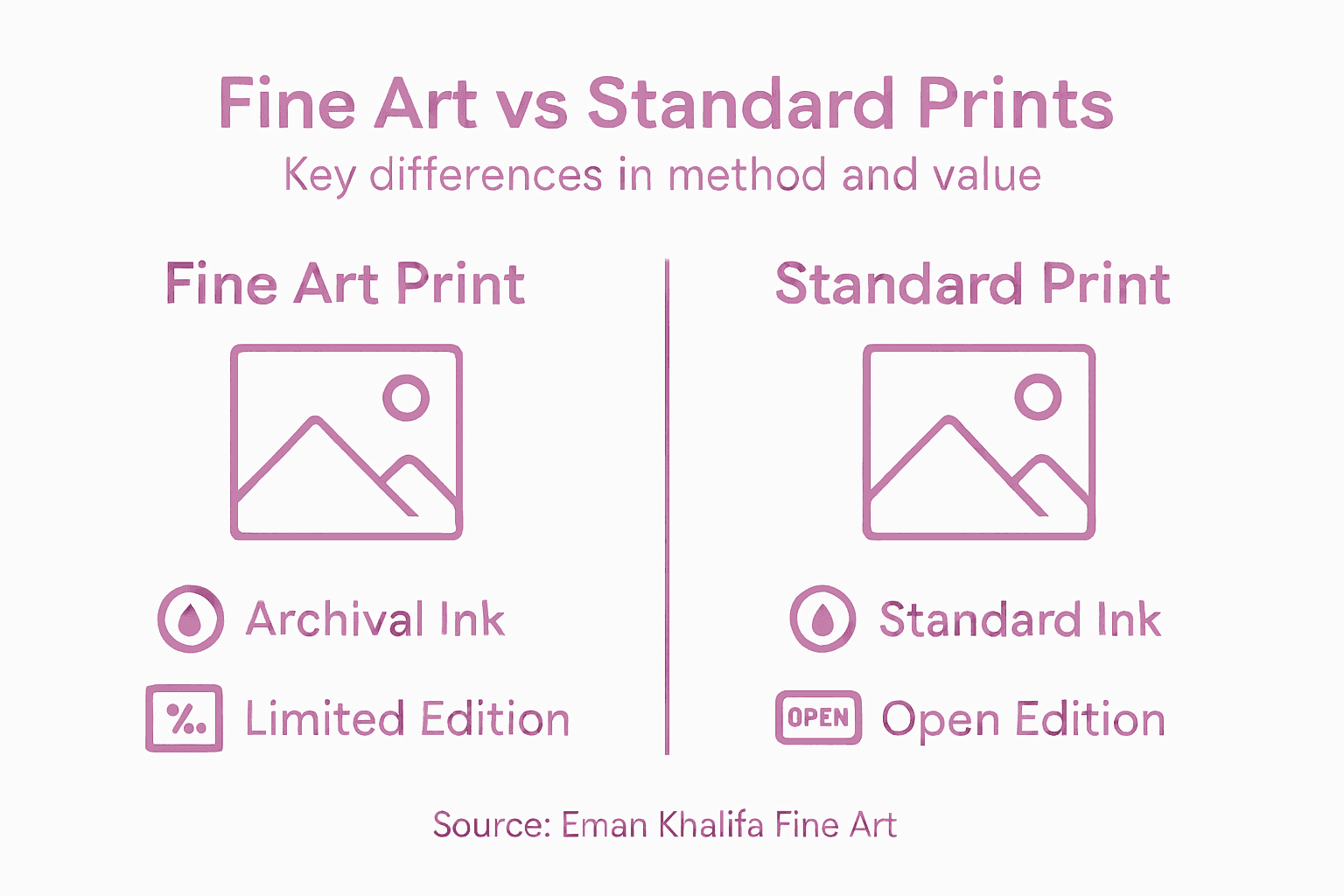
The fundamental differences between fine art prints and standard prints emerge in their production methods and intended purpose. Fine art prints are typically created using archival-quality pigment-based inks and high-grade papers, ensuring exceptional color accuracy and longevity. Artists personally oversee the printing process, often hand-signing and numbering each print to authenticate its origin. In contrast, standard prints are machine-produced on standard paper with faster-drying dyes, designed for widespread distribution and affordability rather than artistic preservation.
Collectors and art enthusiasts value fine art prints for their limited edition status, artistic integrity, and potential investment value. Each fine art print is considered an original artwork, with the total number of prints carefully controlled to maintain exclusivity. Standard prints, however, are mass-produced without such restrictions, lacking the unique characteristics and potential appreciation potential of fine art prints. The deliberate scarcity and careful craftsmanship of fine art prints transform them from simple reproductions into valuable collectors’ items.
Pro Tip: When evaluating art prints, examine the paper quality, ink type, artist’s signature, and edition number to distinguish between fine art prints and standard commercial reproductions.
Discover the True Value of Fine Art Prints with Eman Khalifa
Understanding fine art printing means appreciating the craftsmanship behind every limited edition print, from intricate techniques to archival materials that ensure longevity and vibrant color. If you seek art that captures this authentic artistic integrity, explore collections that bring these principles to life. Our Art Prints on Canvas for Inspired Home Decor feature museum-quality reproductions where every detail is preserved, giving your living space an exclusive artistic touch.
Take advantage of owning original and limited edition artworks that embody fine art printing principles. Visit Eman’s Gallery now to find unique pieces from collections like Desire - From Floral Art to Prints & Merch, perfect for collectors who value authenticity and lasting beauty. Don’t miss the opportunity to invest in art that is as enduring and meaningful as the skills behind fine art printing.
Frequently Asked Questions
What is fine art printing?
Fine art printing is a sophisticated process of creating original artworks through specialized reproduction techniques that transform artistic visions into tangible pieces, often involving methods such as engraving, etching, lithography, and screen printing.
Why do fine art prints hold more value than standard prints?
Fine art prints are typically produced in limited editions, are signed by the artist, and are crafted using high-quality materials, making them more exclusive and valuable compared to standard prints, which are mass-produced and lack the same artistic integrity.
What should I look for to verify a fine art print’s authenticity?
To verify a fine art print’s authenticity, check for the artist’s signature, the print’s edition number, and a certificate of authenticity, as these elements confirm the print’s provenance and value.
How can I preserve the longevity of fine art prints?
To prolong the lifespan of fine art prints, store them away from direct sunlight, use archival-quality framing materials, and consider protective coatings or UV-resistant inks to prevent fading and maintain their original aesthetic qualities.
Recommended
- Top Art Print Merchandise – Expert Comparison 2026
- History of Art Prints: Legacy and Modern Impact – Eman’s Gallery
- What Is an Art Print? Complete Guide for 2025 – Eman’s Gallery
- 7 Essential Types of Art Prints for Every Decor Style – Eman’s Gallery
Stay Connected
- ✨ Explore Eman Khalifa’s original art and fine art prints
- 📸 Follow Eman Khalifa’s art journey on: Instagram @emans_gallery and Facebook Eman’s Gallery
- 📹 Watch Eman Khalifa creating live art on: YouTube @emans_gallery
