


Contemporary flower painting: A guide for collectors
TL;DR:
- Contemporary flower paintings often symbolize human fragility, vulnerability, and layered social or political themes. They are deliberately created using varied techniques, emphasizing imperfection and expressive choices that deepen their meaning. Collectors should recognize their undervaluation and select pieces that offer emotional resonance and conceptual depth over mere decoration.
Contemporary flower painting occupies a peculiar position in the art world. Despite the universal human fascination with flowers, leading galleries rarely showcase plein air or contemporary floral works at the level their popularity deserves. That gap between what people love and what institutions display makes this category of modern flower art both underappreciated and rich with opportunity for collectors. This guide covers the symbolism, techniques, and practical knowledge you need to find, evaluate, and display the best floral artwork with confidence.
Table of Contents
- The art and symbolism of contemporary flower painting
- How contemporary artists create unique floral artworks
- Comparing traditional and contemporary flower paintings
- Incorporating contemporary flower paintings into your home or collection
- Fresh perspectives on contemporary flower painting’s role in art and life
- Explore inspiring contemporary art at Eman’s Gallery
- Frequently asked questions
Key Takeaways
| Point | Details |
|---|---|
| Symbolism matters | Contemporary flower paintings express deep emotions and social themes beyond decorative beauty. |
| Artistic techniques vary | Modern floral artists use diverse styles and materials to create unique, meaningful works. |
| Contrast with tradition | Contemporary flower art often highlights imperfection and mortality unlike traditional idealized floral paintings. |
| Display thoughtfully | Proper placement and styling enhance the impact of floral paintings in home or office spaces. |
| Invest in originals | Supporting original contemporary flower paintings offers personal fulfillment and potential value growth. |
The art and symbolism of contemporary flower painting
To appreciate contemporary flower paintings fully, it helps to understand what artists are actually saying through petals and stems. These works are rarely just decoration.
Flowers represent fragility and vulnerability of the human condition, urging growth toward light and attentiveness to simple values in relationships, according to artist Darina Komorowski. That framing completely changes how you look at a vibrant flower canvas on a gallery wall. You stop seeing a pretty arrangement and start reading a statement about impermanence and care.
Beyond personal meaning, contemporary art flowers carry layered historical and political weight. Artists use floral imagery to convey themes like empire, love, loss, and political grief. A single painting of wilting colonial-era flowers can speak to displacement, mourning, and cultural memory simultaneously.
Common symbolic meanings found in contemporary floral art include:
- Red and orange blooms: Passion, urgency, political resistance
- White flowers: Mourning, purity, ambivalence
- Wilting or decaying petals: Mortality, passage of time, acceptance
- Overgrown garden scenes: Wildness reclaiming order, personal freedom
- Cut flowers in vases: Domesticity, control, the tension between nature and human curation
“Flowers embody human fragility and vulnerability, drawing attention to what matters most in daily life and relationships.” — Darina Komorowski, Al-Tiba9 Contemporary Art
Understanding this layer of meaning transforms how you select art for modern homes. You are not just choosing a color palette. You are choosing a narrative to live with.
How contemporary artists create unique floral artworks
Knowing the symbolism behind flowers helps reveal the meaning in how artists create their pieces. The technical and stylistic choices in modern floral art are as deliberate as the subject matter itself.
Kathy Anderson creates 30 to 40 paintings yearly, blending naturalism with expressive touches and depicting blooms at various stages of their life cycle. That range, from tight bud to open bloom to browning edge, is intentional. It reflects how contemporary artists resist the traditional impulse to freeze flowers at their most perfect moment.
The techniques used in contemporary flower painting span a wide spectrum:
- Oil paint on canvas or linen: Rich layering, slow drying time, and deep color saturation make oil ideal for large-scale and textured floral work
- Watercolor: Prized for transparency and unpredictability; the medium itself mimics the delicacy of petals
- Gouache: Opaque and flat, used for bold graphic floral compositions that read more like modern floral art than naturalistic study
- Mixed media and unconventional surfaces: Some artists work on aluminum panels or textured boards, giving the final piece unusual reflective qualities that change with light
- Abstract flower artwork approaches: Loosely painted forms, color fields, and gestural marks that suggest flowers without literally depicting them
The treatment of imperfection is one of the most defining qualities in this category. Abstract floral painting often allows paint to drip, edges to blur, and compositions to feel unresolved. That deliberate looseness communicates something that a tightly rendered botanical illustration cannot.
Pro Tip: When evaluating a contemporary floral painting, look at what the artist chose not to paint. Empty space, unfinished edges, and visible brushwork are often where the real meaning lives.
You can explore what buying original contemporary paintings actually involves before committing to a piece, including what questions to ask and what to look for in provenance and quality.
Comparing traditional and contemporary flower paintings
Understanding how contemporary flower paintings differ from traditional works guides your collecting and display choices.
Traditional flower paintings, from Dutch Golden Age still lifes to Victorian botanical studies, followed a clear visual grammar. Flowers appeared at peak bloom, arranged symmetrically, lit dramatically against dark backgrounds. The goal was idealized beauty and technical mastery.
Historic flower paintings focused on idealized beauty and formal bouquets, while contemporary works highlight natural randomness and emotional narratives. That shift is fundamental.
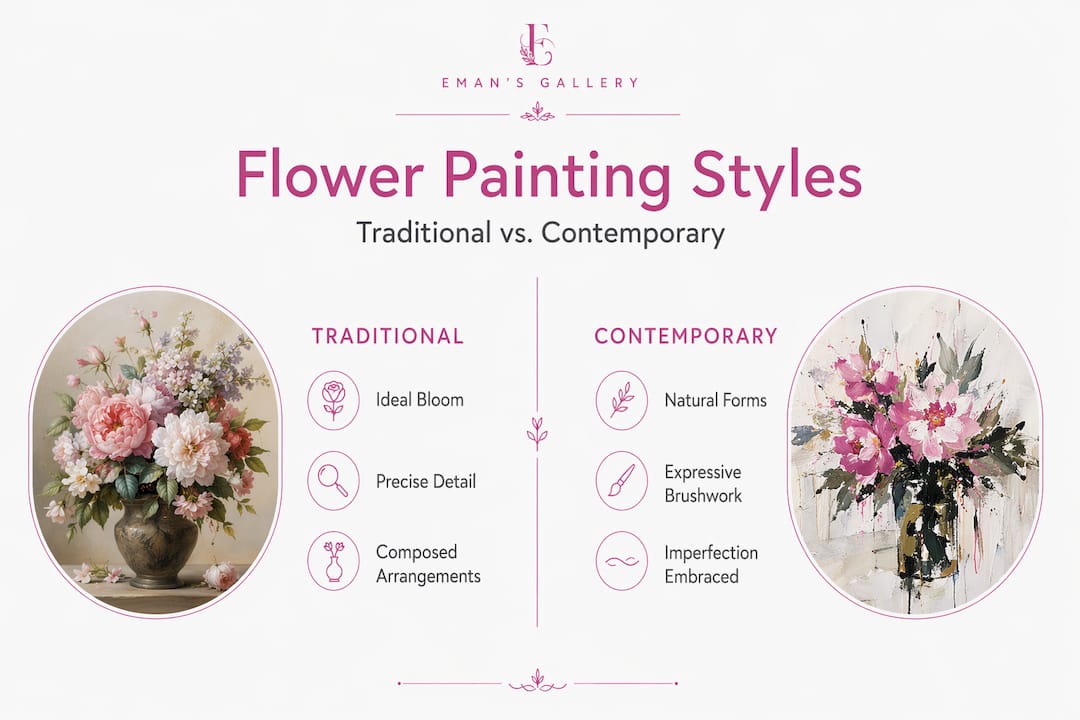
Modern artists like Clare Woods paint flowers “just past bloom,” using that moment of fading to symbolize mortality rather than decoration. That single curatorial choice, selecting a drooping tulip over an upright one, carries more conceptual weight than an entire technically perfect traditional arrangement.
| Feature | Traditional flower painting | Contemporary flower painting |
|---|---|---|
| Stage of bloom | Peak, idealized | Any stage, including decay |
| Composition | Formal, symmetrical | Loose, asymmetrical, cropped |
| Subject matter | Beauty as the end goal | Beauty as a vehicle for meaning |
| Political content | Rare | Common |
| Technique | Controlled, layered realism | Mixed, expressive, experimental |
| Surface materials | Canvas, wood panel | Canvas, aluminum, paper, board |
| Gallery presence | Historically dominant | Currently underrepresented |
What makes this comparison matter for collectors is value positioning. Because contemporary art guide resources confirm that modern floral works sit at an unusual crossroads of popular appeal and gallery scarcity, pricing has not yet caught up to demand in the way it has for abstract or conceptual work. That creates a real window for collectors.
Key distinctions to note when shopping:
- Handmade original vs. print: Originals carry unique marks of the artist’s hand and tend to appreciate more reliably
- Artist recognition: Early-career artists with consistent exhibition histories often offer the best value
- Subject specificity: Paintings with a clear conceptual intent beyond “pretty flowers” tend to hold collector interest longer
Pro Tip: At auction or in gallery settings, contemporary floral works frequently outperform their presale estimates because buyers undervalue them going in. That’s a consistent pattern worth tracking.
Incorporating contemporary flower paintings into your home or collection
With a clear understanding of contemporary floral art’s meaning and style, you can confidently choose pieces for your environment or collection.
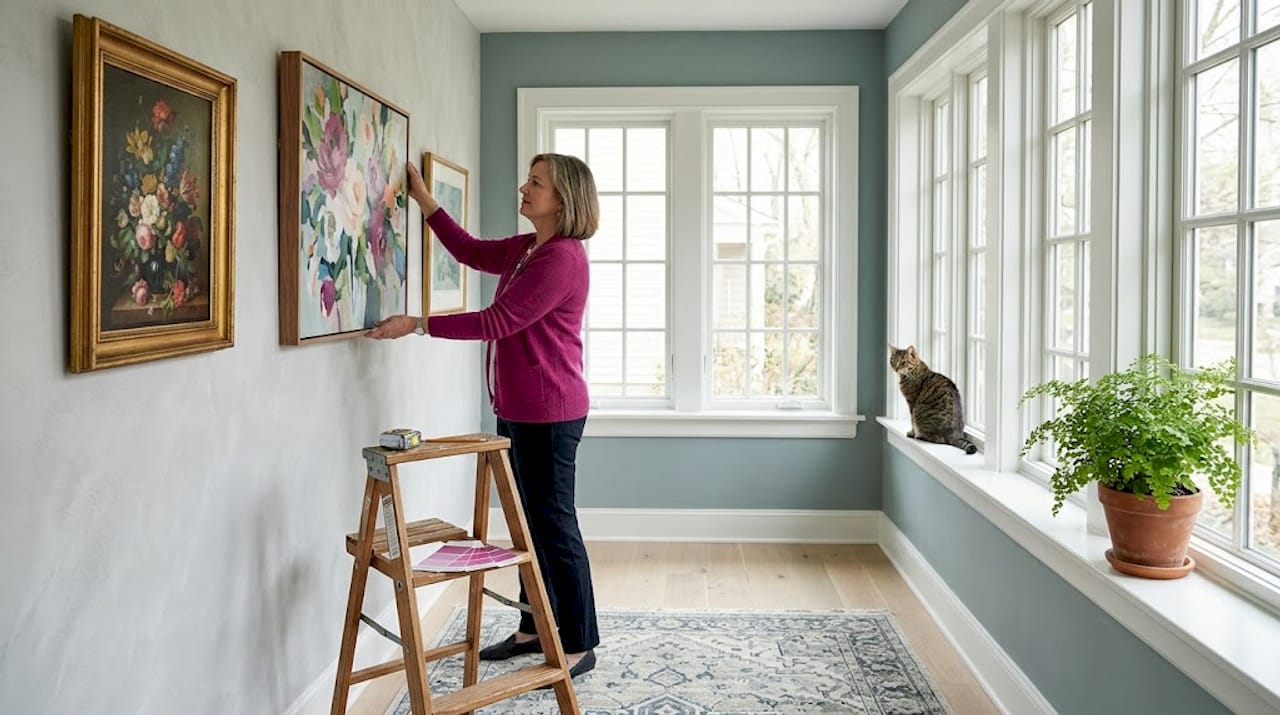
Collectors respond strongly to lifelike floral subjects; gardens and flowers hold enduring appeal in modern interiors. That appeal is not just aesthetic. It reflects a genuine desire for art that connects to natural cycles in domestic spaces.
Here is a practical process for selecting and placing floral wall decor:
- Start with emotional response. Before analyzing color or size, ask what the painting makes you feel. Floral art that resonates emotionally will sustain your interest long after the novelty fades.
- Consider scale relative to the wall. A large vibrant flower canvas on an open wall reads very differently from a smaller piece grouped with others. Measure before you commit.
- Match the painting’s energy to the room’s function. Loose abstract flower artwork suits living rooms and creative spaces. More structured floral compositions work in dining rooms or offices where visual calm is useful.
- Plan lighting before hanging. Natural side light brings out texture in oil paintings. Avoid direct sunlight, which fades pigment over time regardless of medium.
- Consider groupings. A series of contemporary floral prints at different scales creates a cohesive floral wall decor effect without the cost of multiple originals.
For ongoing care, keep these basics in mind:
- Avoid hanging directly above heat sources, which causes canvas to contract and crack
- Dust oil paintings gently with a clean, dry, soft brush rather than cloth
- For unframed canvas, check the tautness of the stretcher bars annually
- Displaying art at home also has well-documented psychological benefits, including reduced stress and increased sense of personal identity in a space
If you are building a collection rather than just decorating, buy in pairs or series when possible. A single piece is decor. Three related pieces by the same artist begin to tell a story and carry more collective value. You can also find specific style guidance for art prints to refine your display decisions.
Fresh perspectives on contemporary flower painting’s role in art and life
Here is the uncomfortable truth about how most people approach floral art: they treat it as safe. Flowers feel accessible, unchallenging, and universally pleasant. That assumption causes collectors to underestimate what they are actually looking at.
Plein air floral paintings are surprisingly absent from many leading galleries despite the universal human fascination with flowers. That absence is not accidental. It reflects a long-standing institutional bias that treats floral subject matter as domestic, minor, or feminine in a dismissive sense. The irony is that this bias has kept prices lower and availability higher for collectors willing to look past it.
Contemporary flower painting is now doing what the best art always does: using familiar subjects to say unfamiliar things. When an artist paints a flower past its bloom, they are talking about aging, grief, and the refusal to idealize. When they use flowers to reference colonial trade routes or political violence, the form becomes a vehicle for history.
For collectors, this creates a specific opportunity. The pieces most worth owning are not the ones that look beautiful above a sofa. They are the ones that reward attention over time, that reveal something new on the tenth viewing that wasn’t visible on the first. That quality, depth over repetition, is what separates decorative art from collected art.
An art collection guide can help you think through how to build a coherent collection rather than accumulate individual pieces. The distinction matters. A collection with a point of view holds both personal and financial value far better than a wall of disconnected purchases.
The collectors who will look back with the most satisfaction are the ones who bought contemporary floral work now, when the institutional undervaluation still gives them an edge.
Explore inspiring contemporary art at Eman’s Gallery
Now that you understand contemporary floral painting’s meaning, technique, and collecting logic, the next step is finding work that earns a place on your wall.
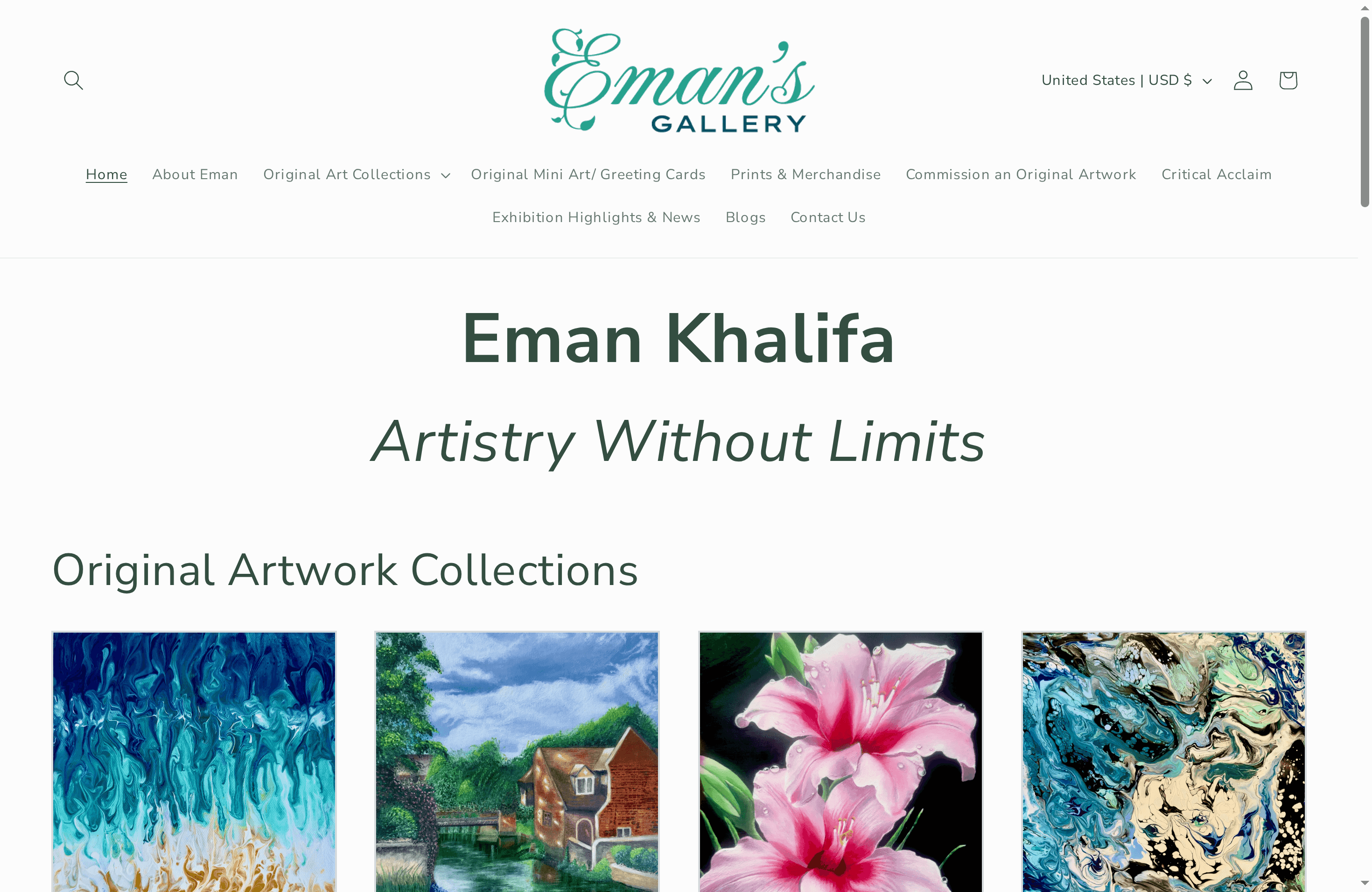
Eman’s Gallery offers original handmade paintings and museum-quality canvas prints that reflect the same values discussed throughout this guide: emotional depth, technical quality, and genuine artistic intent. Works like the Good Tidings original painting and the Nocturned original painting demonstrate how contemporary abstract and floral sensibilities translate into pieces that hold your attention. Browse the full wall art prints collection to find originals and prints that fit your space, your style, and your collecting goals. Worldwide shipping available.
Frequently asked questions
What is contemporary flower painting?
Contemporary flower painting refers to modern artworks depicting flowers, often blending realism with abstraction, symbolic meaning, and social or emotional commentary rather than pure decorative intent.
Why are flowers popular subjects in art?
Flowers symbolize life, fragility, love, loss, and cultural themes. As Darina Komorowski explains, they represent human vulnerability and the importance of attending to simple values in relationships, making them powerful motifs for both personal and political expression.
How can I display contemporary flower paintings at home?
Choose a spot with good, indirect lighting, complement the painting’s scale and color to your existing decor, and consider grouping several prints or originals together. Detailed placement advice is available in this art display guide for modern homes.
Are contemporary flower paintings good investment pieces?
Yes. Collectors consistently value lifelike floral subjects for both aesthetic and investment reasons, and the current underrepresentation of floral work in major galleries suggests pricing has room to grow as institutional recognition increases.
Recommended
- Explore major modern art styles: Complete guide for collectors
- Art Collector Insights & Strategies Guide - Eman’s Gallery
- Contemporary Wall Art Explained: Full Overview - Eman’s Gallery
- Benefits of collecting contemporary art: investment 2026
Stay Connected
- ✨ Explore Eman Khalifa’s original art
- 📸 Follow Eman Khalifa’s art journey on: Instagram @emans_gallery and Facebook Eman’s Gallery
- 📹 Watch Eman Khalifa creating live art on: YouTube @emans_gallery
