


7 Innovative Interior Art Display Ideas for Modern Homes
Over 60 percent of American luxury homeowners report that original artwork is the defining element of their contemporary living spaces. In both American and European interiors, finding inventive ways to showcase art goes far beyond simple decoration. This guide offers advanced art display ideas that help you curate, highlight, and transform your rooms with distinctive style and creative impact.
Table of Contents
- 1. Use Gallery Walls To Showcase Art Collections
- 2. Create Focal Points With Large-Scale Statement Pieces
- 3. Incorporate Art Above Furniture For Visual Balance
- 4. Mix Abstract And Geometric Art For Dynamic Contrast
- 5. Layer Artworks With Sculpture And Mixed Media
- 6. Feature Rotating Displays For Seasonal Variety
- 7. Highlight Art With Creative Lighting Techniques
Quick Summary
| Takeaway | Explanation |
|---|---|
| 1. Curate a Gallery Wall | Select a mix of art that shares themes or colors for a personalized display. |
| 2. Use Large Statement Pieces | Incorporate oversized artwork to define spaces and draw the eye. |
| 3. Hang Art Above Furniture | Maintain proper spacing and proportionality for visually appealing arrangements. |
| 4. Experiment with Light | Use varied lighting techniques to enhance artwork visibility and mood. |
| 5. Rotate Art Seasonally | Change artworks periodically to connect your space to the changing seasons. |
1. Use Gallery Walls to Showcase Art Collections
Gallery walls transform ordinary spaces into personalized art experiences, allowing homeowners to curate stunning visual narratives through strategic art placement. This approach goes beyond simple decoration, turning your walls into dynamic canvases that reflect your unique aesthetic and artistic journey.
Creating a compelling gallery wall requires thoughtful curation and intentional design. Start by selecting artworks that share a visual connection through color palette, theme, or artistic style. Contemporary art collectors can draw inspiration from professional curation techniques to develop a cohesive visual story.
To build a professional looking gallery wall, consider these key strategies:
Artwork Selection
- Mix different art sizes and orientations
- Include a variety of mediums like paintings, prints, and photographs
- Maintain some visual consistency through color or framing
Arrangement Techniques
- Create a central focal point with larger artwork
- Use symmetrical or asymmetrical layouts based on your space
- Leave 2 3 inches between pieces for balanced visual breathing room
Hanging Tips
- Use kraft paper to mock up your layout before installing
- Invest in quality picture hanging hardware
- Consider using a laser level for precise alignment
Pro tip: Select frames with similar color tones or finishes to create a unified look that ties your entire gallery wall together seamlessly.
2. Create Focal Points with Large-Scale Statement Pieces
Large-scale art pieces transform interior spaces from ordinary to extraordinary, commanding attention and setting the visual tone for entire rooms. These dramatic artworks serve as powerful design anchors that instantly elevate your home’s aesthetic and reflect your personal style.
Styling art prints for interior display requires strategic placement and consideration of scale. A statement piece can dramatically reshape how a room feels and functions, drawing the eye and creating an immediate visual narrative.
Key Considerations for Large Art Installations
- Choose artwork proportional to your wall space
- Select pieces that complement your existing color palette
- Consider the visual weight and emotional impact of the artwork
Placement Strategies
- Living Room: Position large art above sofas or fireplace
- Dining Area: Create drama with a central wall statement piece
- Bedroom: Use oversized art as a headboard alternative
Size Guidelines
- Small rooms: 24 x 36 inch pieces
- Medium spaces: 36 x 48 inch artworks
- Large areas: 48 x 72 inch or larger installations
Mounting Techniques
- Use robust wall anchors for heavy pieces
- Ensure artwork is level and securely mounted
- Consider professional installation for complex arrangements
Pro tip: Select statement art that resonates emotionally and tells a story create a conversation piece that reflects your unique aesthetic and personal journey.
3. Incorporate Art Above Furniture for Visual Balance
Art strategically positioned above furniture creates visual harmony and transforms ordinary living spaces into curated environments. By understanding the relationship between artwork and furniture, you can design rooms that feel intentional and visually compelling.
Art showcasing techniques for luxurious interiors emphasize the importance of proportional placement and thoughtful composition. When selecting and positioning art above furniture, consider both aesthetic balance and spatial dynamics.
Key Placement Guidelines
- Above sofas: Hang artwork 6 to 8 inches above the furniture
- Behind dining tables: Center pieces at eye level when seated
- Console tables: Create visual interest with asymmetrical arrangements
Spacing and Proportion Rules
- Artwork width should be 50 to 75 percent of furniture width
- Maintain consistent spacing between art and furniture
- Choose pieces that complement the furniture style and room color palette
Composition Strategies
- Mix vertical and horizontal art pieces
- Layer artwork with different frame styles
- Use lighting to enhance artwork presentation
Furniture Pairing Recommendations
- Modern furniture: Abstract or geometric art
- Traditional furniture: Classical or landscape pieces
- Minimalist spaces: High contrast black and white photography
Pro tip: Use painter’s tape to create visual mockups of art placement before making permanent hanging decisions.
4. Mix Abstract and Geometric Art for Dynamic Contrast
Abstract and geometric art create visual conversations that transform interior spaces into dynamic environments of shape, color, and emotion. By strategically combining these artistic styles, you can develop sophisticated visual narratives that captivate and intrigue.
Geometric art styles have evolved from early modernist movements to become powerful design elements in contemporary interior design. Understanding how to blend abstract and geometric pieces allows you to craft spaces with depth, complexity, and visual interest.
Color Harmony Strategies
- Select artworks with complementary color palettes
- Use neutral tones to create visual breathing room
- Introduce accent colors through smaller geometric elements
Composition Techniques
- Pair organic abstract shapes with structured geometric forms
- Balance soft curves with sharp angular designs
- Create visual rhythm through repeated geometric motifs
Placement Recommendations
- Large geometric pieces for expansive walls
- Small abstract artworks for intimate spaces
- Mix scale and proportion to create visual tension
Framing Considerations
- Consistent frame styles for cohesive look
- Metallic frames for modern geometric art
- Minimal frames for abstract pieces
Pro tip: Start with a neutral base and gradually introduce geometric and abstract art pieces to build complexity and visual interest without overwhelming the space.
5. Layer Artworks with Sculpture and Mixed Media
Layering artworks with sculpture and mixed media transforms interior spaces into dynamic three dimensional narratives that engage viewers beyond traditional two dimensional displays. This approach introduces depth, texture, and visual complexity that elevates home decor from simple decoration to curated artistic expression.
Contemporary mixed media techniques blend diverse materials to create multisensory experiences that challenge traditional art display conventions. By combining different artistic mediums, you can develop rich visual landscapes that tell unique stories within your living spaces.
Layering Strategies
- Combine flat paintings with dimensional sculptures
- Integrate textural mixed media pieces
- Create visual depth through varied artwork heights
Material Combination Techniques
- Ceramic sculptures with canvas paintings
- Metal wire sculptures with watercolor prints
- Glass elements with abstract acrylic works
Placement Recommendations
- Use shelves for three dimensional art displays
- Create multi level wall installations
- Mix wall mounted and freestanding art pieces
Texture and Dimension Tips
- Select complementary color palettes
- Balance smooth and rough surface textures
- Alternate between organic and geometric forms
Pro tip: Experiment with lighting to enhance the dimensional qualities of mixed media and sculptural artworks, using directed spotlights to create dramatic shadows and visual intrigue.
6. Feature Rotating Displays for Seasonal Variety
Rotating artwork throughout the year transforms interior spaces into dynamic visual narratives that reflect changing seasons and personal moods. This approach keeps your living environment fresh, engaging, and constantly evolving without requiring extensive redecorating.
Curating art displays that respond to seasonal transitions allows homeowners to create immersive experiences that connect interior spaces with natural rhythms and emotional landscapes.
Seasonal Color Strategies
- Spring: Soft pastels and floral themes
- Summer: Vibrant colors and landscape scenes
- Autumn: Warm earth tones and textural pieces
- Winter: Cool neutrals and minimalist compositions
Display Rotation Techniques
- Create a dedicated art storage system
- Use adjustable wall mounting hardware
- Invest in versatile picture rail systems
Art Selection Guidelines
- Choose artworks with interchangeable frames
- Select pieces that complement existing decor
- Maintain a cohesive color palette across collections
Preservation Considerations
- Rotate delicate artworks to limit light exposure
- Store pieces in archival quality protective sleeves
- Use acid free backing materials
Pro tip: Photograph each art arrangement before storage to help you quickly recreate successful displays and track your artistic evolution.
7. Highlight Art with Creative Lighting Techniques
Lighting transforms art from static visual objects into dynamic sensory experiences that breathe life and emotion into interior spaces. Thoughtful illumination can dramatically enhance artwork by manipulating shadow, depth, color intensity, and visual drama.
Art showcasing techniques for luxurious interiors emphasize the critical role of strategic lighting in presenting visual art with maximum impact and sophistication.
Lighting Placement Strategies
- Use picture lights mounted above artwork
- Install adjustable track lighting
- Incorporate wall washers for soft ambient illumination
Lighting Color Temperature
- Warm lights (2700 3000K): Enhance earthy tones
- Cool lights (4000 5000K): Highlight blues and grays
- Full spectrum lights: Reveal true artwork colors
Highlighting Techniques
- Angled spotlights for textural pieces
- Backlighting for translucent artworks
- Recessed lighting for minimalist displays
Technical Considerations
- Use LED lights to prevent artwork damage
- Select low heat emission fixtures
- Install dimmer switches for versatility
Pro tip: Experiment with multiple light sources and angles to create layered illumination that reveals different dimensions of your artwork throughout the day.
Below is a comprehensive table summarizing the strategies for incorporating art into interiors, as discussed throughout the article.
| Strategy | Key Actions | Benefits |
|---|---|---|
| Gallery Walls | Curate artworks with cohesive themes; arrange using balanced spacing and quality hardware. | Creates personalized visual narratives and maximizes wall space usage. |
| Large-Scale Statement Pieces | Select artworks proportional to wall size; use central placement to define room focus. | Adds drama and elevates the overall design aesthetic. |
| Art Above Furniture | Position artworks with balanced spacing; align with furniture proportions and style. | Achieves visual harmony and accentuates furniture arrangements. |
| Mix Abstract and Geometric Art | Combine pieces using complementary color palettes and forms. | Introduces dynamic visual texture and contrast. |
| Layer Artworks with Sculpture | Integrate sculptures and mixed media pieces for multi-dimensional effects. | Enhances depth and tactile interest in interior designs. |
| Rotating Displays | Regularly exchange artworks relative to seasonal themes and moods. | Keeps spaces fresh and aligned with personal expression. |
| Creative Lighting | Employ targeted lighting such as LEDs and adjustable fixtures. | Highlights artworks while creating a dynamic visual effect. |
Elevate Your Home with Expertly Curated Modern Art Displays
Struggling to find the perfect art pieces that bring harmony and dynamic contrast to your modern home? This article highlights challenges like creating cohesive gallery walls, selecting large statement art, and mixing abstract with geometric styles for balanced and engaging spaces. The goal is to transform ordinary rooms into personalized galleries that reflect your unique taste and inspire emotion.
At Eman’s Gallery, we offer a diverse collection of original paintings and premium canvas art prints designed to solve your interior art display challenges. From bold, large-scale artworks to thoughtfully curated collections, our museum-quality wall art and elegant mixed media pieces help you create visually stunning focal points and balance above furniture. Explore our curated selections and bring your artistic vision to life with pieces that resonate on a deeper level.
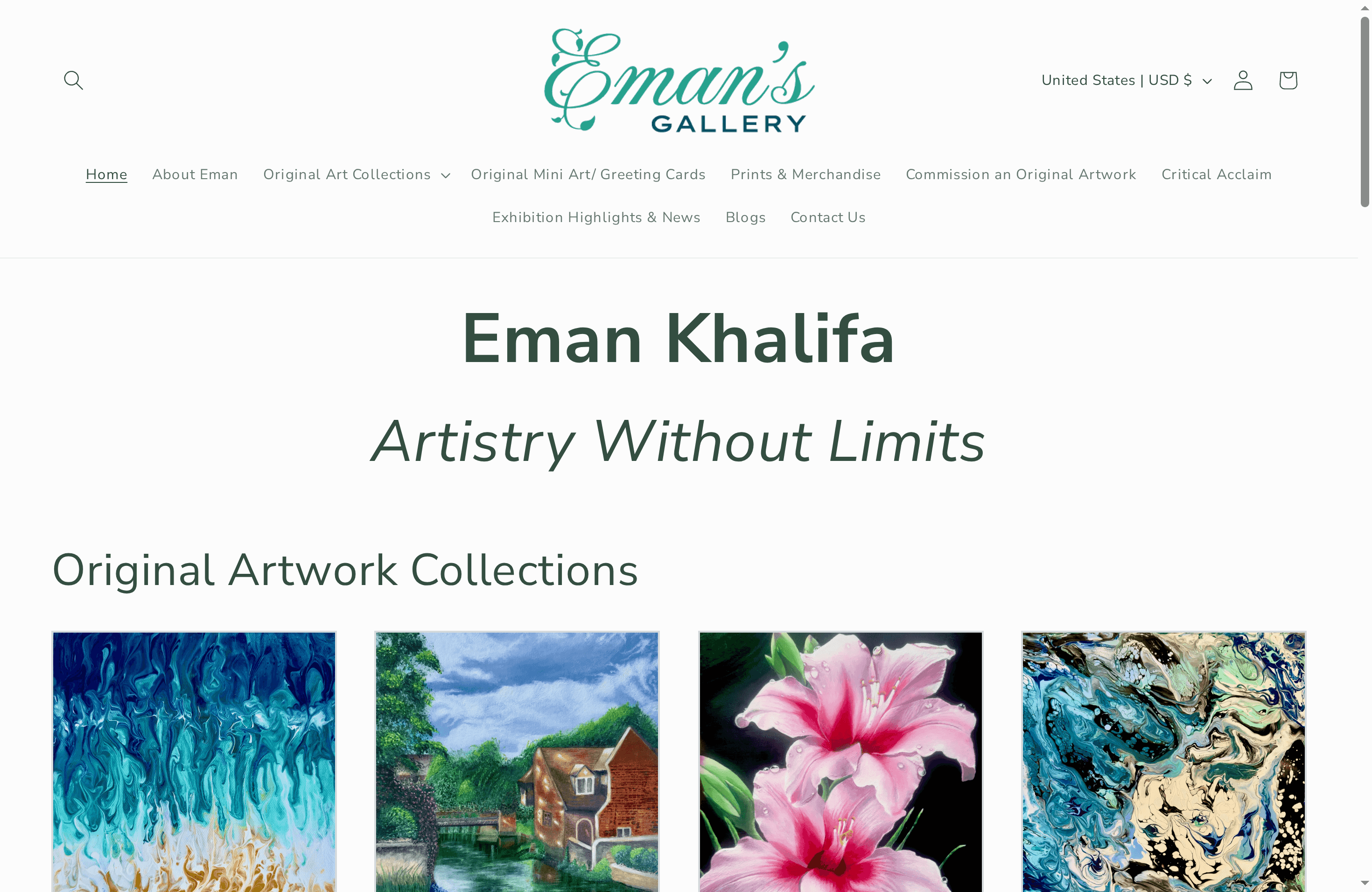
Discover how professional art curation can transform your interiors into creative expressions that engage and captivate. Visit Eman’s Gallery now to explore unique artworks and start building your modern home gallery today.
Frequently Asked Questions
How can I create a gallery wall that looks professional?
To create a professional-looking gallery wall, select a mix of artwork sizes and orientations while maintaining visual consistency with color or framing. Start by using kraft paper to mock up your layout, ensuring that pieces are evenly spaced 2-3 inches apart for balanced visual breathing room.
What are effective ways to highlight large-scale statement pieces in my home?
To effectively highlight large-scale statement pieces, position them proportionally on the wall, ensuring they complement your existing decor. Hang artwork above central furniture like sofas or dining tables for dramatic effect, creating a focal point that draws attention.
How should I place art above furniture for visual harmony?
Hang art above furniture such as sofas or console tables about 6 to 8 inches above the piece to create visual balance. Ensure that the width of the artwork is 50 to 75 percent of the furniture width for a cohesive look.
What are the best strategies for mixing abstract and geometric art?
To create harmony when mixing abstract and geometric art, choose pieces with complementary color palettes and balance organic shapes with structured designs. Aim to create visual tension by varying the sizes and proportions of the artworks you display together.
How can I incorporate texture in my art displays?
Incorporate texture by layering flat paintings with three-dimensional sculptures or mixed media pieces. Use a variety of materials and heights to enhance the visual complexity and create a more engaging viewing experience.
What is a good method for rotating artwork seasonally?
Create a dedicated storage system for your artworks to facilitate seasonal rotation easily. Choose a cohesive color palette for each season and consider using adjustable wall mounting hardware to make swapping pieces quick and simple.
Recommended
- Complete Guide to Types of Art for Interiors – Eman’s Gallery
- Art and Interior Design Explained: Transforming Modern Spaces
- Contemporary Wall Art Explained: Complete Overview – Eman’s Gallery
- Art Showcasing Techniques for Luxurious Interiors
Stay Connected
- ✨ Explore Eman Khalifa’s original art and fine art prints
- 📸 Follow Eman Khalifa’s art journey on: Instagram @emans_gallery and Facebook Eman’s Gallery
- 📹 Watch Eman Khalifa creating live art on: YouTube @emans_gallery
