


Benefits of collecting contemporary art: investment 2026
Choosing contemporary art feels overwhelming when financial return competes with personal taste. Should you prioritize emerging artists for growth or established names for stability? Does a museum-quality print deliver similar value to an original? This guide clarifies selection criteria, investment potential, aesthetic benefits, and practical tips to help you build a meaningful collection that serves both your portfolio and your living spaces.
Table of Contents
- How To Choose Contemporary Art: Key Selection Criteria
- 1. Financial Investment Benefits Of Contemporary Art
- 2. Aesthetic And Psychological Benefits Of Collecting Art
- 3. Benefits Of Art In Professional Spaces
- 4. Comparing Originals, Prints, And Merchandise As Collectibles
- 5. Practical Tips For Displaying And Maintaining Art
- Summary Comparison: Choosing The Right Contemporary Art For You
- Discover Contemporary Art That Fits Your Goals At Eman’s Gallery
Key takeaways
| Point | Details | |-------|---------|| | Investment returns | Contemporary art averages 7-8% annual appreciation with portfolio diversification benefits. | | Emotional impact | 78% of collectors report improved mood and creativity from displayed artwork. | | Selection criteria | Provenance, budget, market trends, and personal aesthetic guide smart purchases. | | Format options | Originals appreciate fastest, prints offer accessibility, merchandise provides decorative value. | | Professional benefits | Art in offices boosts client engagement 25% and patient satisfaction 15%. |
How to choose contemporary art: key selection criteria
Successful collecting starts with understanding what separates valuable pieces from decorative filler. Provenance and condition impact value significantly, creating up to 50% resale differences. Artist reputation matters equally for financial and aesthetic satisfaction.
Budget determines whether you pursue originals or prints. Space constraints influence scale and placement options. Market trends reveal which artistic movements gain traction among serious collectors.
Balance investment potential with genuine personal connection. Research artist backgrounds before purchasing. Verify authenticity through gallery documentation or artist certificates.
Pro Tip: Prioritize emerging artists with gallery representation and exhibition history. Their work appreciates faster than unknowns while remaining affordable compared to established names.
Key evaluation factors include:
- Artist exhibition history and critical reviews
- Medium durability and archival quality
- Edition size for prints (lower numbers command higher prices)
- Current market demand within specific genres
- Condition reports documenting any restoration
Understanding what makes art valuable beyond surface appeal transforms casual buying into strategic collecting. Focus on pieces that satisfy both analytical criteria and emotional resonance.
1. Financial investment benefits of contemporary art
Contemporary art functions as an alternative asset class with distinct advantages. Annual returns average 7-8% over 10-year periods, matching or exceeding traditional investments. Unlike stocks, art values often move independently of financial markets.
Portfolio diversification reduces overall risk exposure. When equities decline, art markets frequently maintain stability or grow. Emerging artists present particularly strong growth opportunities as their reputations develop.
Rising global demand for contemporary works drives appreciation. Collectors in Asia and the Middle East expand markets beyond traditional Western buyers. Limited supply of quality originals supports price increases over time.
“Art investment requires patience and research, but rewards collectors who identify talent early and verify authenticity rigorously.”
Investment success depends on careful due diligence. Verify provenance through gallery records and artist documentation. Research comparable sales to establish fair market value. Monitor auction results for artists in your collection.
Strategic advantages include:
- Tax benefits in some jurisdictions for donated appreciated art
- Portable wealth that crosses borders easily
- Inflation hedge as physical assets retain real value
- Estate planning tool with potential tax advantages
- Cultural capital and social prestige among collectors
The art investment benefits extend beyond financial returns to encompass lifestyle enhancement and cultural participation. Treat purchases as long-term holdings rather than short-term trades.
2. Aesthetic and psychological benefits of collecting art
Owning contemporary art transforms daily environments in measurable ways. 78% of collectors report improved mood and creative inspiration from their acquisitions. Visual engagement with meaningful pieces reduces stress and enhances mental clarity.
Art creates social capital through exclusive collector events, gallery openings, and artist studio visits. These connections build communities around shared aesthetic interests. Conversations about your collection deepen relationships with guests.
Creative environments boost productivity in home offices and personal spaces. Thoughtfully curated art stimulates fresh thinking and problem-solving. Color palettes and compositions influence emotional states throughout the day.
Personal satisfaction emerges from connecting with works that reflect your values and experiences. Each piece tells a story that resonates with your journey. Building a cohesive collection over time creates a visual autobiography.
Pro Tip: Rotate displayed pieces seasonally to maintain visual freshness and rediscover works you own. This practice keeps your collection engaging without additional purchases.
Psychological benefits include:
- Enhanced self-expression through curated aesthetic choices
- Sense of accomplishment from building expertise over time
- Emotional anchoring through meaningful visual touchstones
- Conversation starters that facilitate social bonding
- Legacy creation for future generations
The benefits of displaying art at home extend to every family member. Children develop visual literacy and cultural awareness. Partners collaborate on selection decisions that shape shared spaces.
3. Benefits of art in professional spaces
Contemporary art in business settings delivers concrete performance improvements. Offices displaying original works see 25% higher client engagement during visits. Visual interest creates memorable impressions that differentiate your brand from competitors.
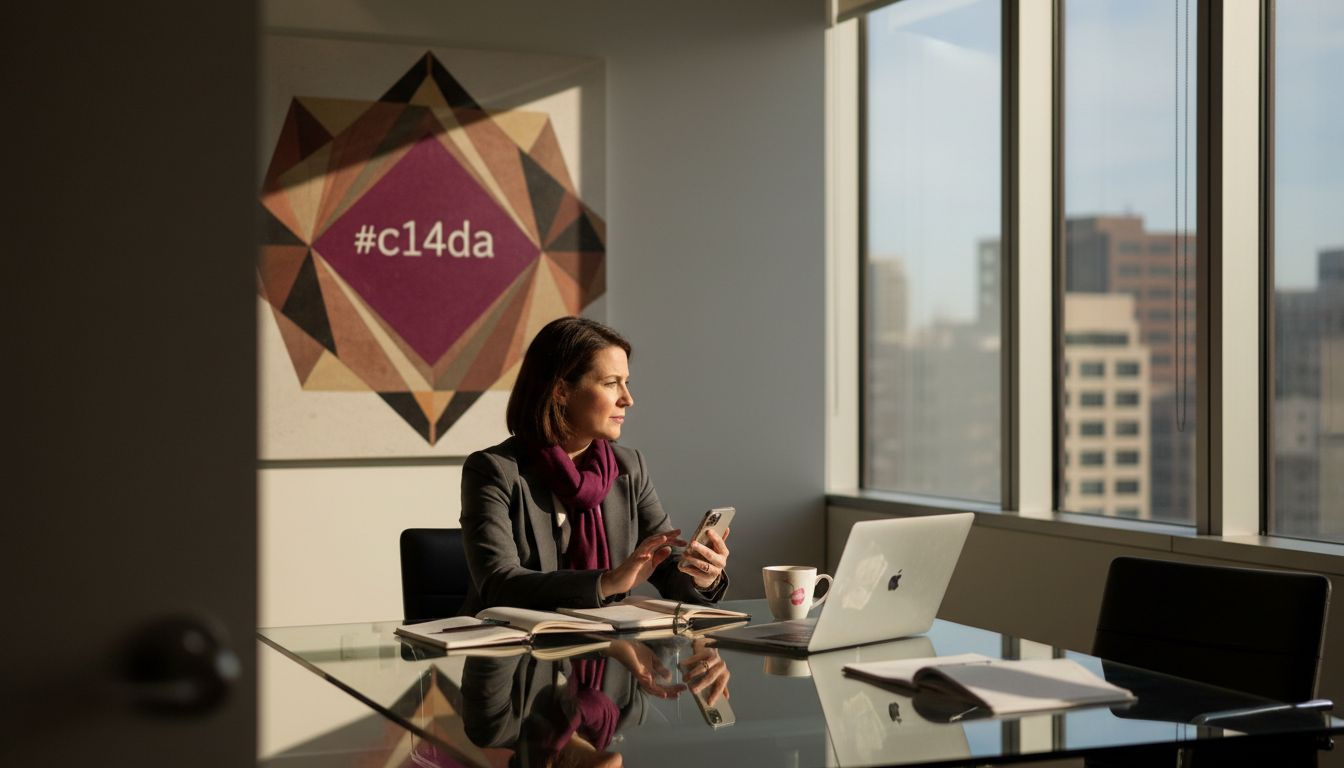
Healthcare facilities with curated art report 15% higher patient satisfaction scores. Calming imagery reduces anxiety in waiting areas. Thoughtful placement distracts from clinical environments that typically increase stress.
Hospitality venues use art to establish atmosphere and perceived value. Hotel lobbies with striking contemporary pieces command premium rates. Restaurant patrons spend more time and money in aesthetically engaging spaces.
Well-chosen art supports brand identity through visual alignment with company values. Tech startups favor bold abstracts suggesting innovation. Law firms select structured geometric works implying order and precision.
Professional advantages include:
- Improved employee morale and workplace satisfaction
- Enhanced recruitment appeal for creative talent
- Client confidence through demonstrated cultural sophistication
- Meeting space differentiation for memorable presentations
- Acoustic benefits from canvas absorption in open offices
Client engagement increases 25% in art-enhanced professional environments, directly impacting business development success.
Learn how to use art in offices strategically to maximize these benefits. Understanding the role of art in workspaces helps you select pieces that serve functional and aesthetic goals simultaneously.
4. Comparing originals, prints, and merchandise as collectibles
Original artworks represent the highest investment tier. These unique pieces appreciate 10-15% annually when selected strategically. Ownership carries prestige and maximum resale potential. Higher costs and maintenance requirements suit serious collectors with adequate budgets.
Museum-quality prints offer accessibility without sacrificing aesthetic impact. Limited edition prints from recognized artists can double in value over five years. Lower entry costs make building diverse collections feasible. Archival materials ensure longevity comparable to originals.
Art merchandise provides decorative options with minimal financial return expectations. Printed textiles, mugs, and accessories spread signature imagery throughout daily life. These items suit casual enthusiasts prioritizing aesthetic access over investment.
Choice depends on your goals, available space, and engagement level. Investors prioritize originals with strong provenance. Budget-conscious collectors mix prints with select original pieces. Casual buyers explore merchandise for low-risk aesthetic enhancement.
| Feature | Original Artworks | Museum-Quality Prints | Art Merchandise |
|---|---|---|---|
| Appreciation potential | 10-15% annually | 5-8% for limited editions | Minimal to none |
| Initial investment | $2,000-$50,000+ | $200-$2,000 | $25-$150 |
| Maintenance needs | High (climate control, insurance) | Moderate (UV protection, framing) | Low (standard care) |
| Resale market | Strong for quality pieces | Growing for signed editions | Limited |
| Accessibility | Exclusive, one-of-a-kind | Widely available, numbered | Mass-produced |
Understanding differences between original art and prints clarifies which format aligns with your collecting philosophy. Mix formats strategically to balance investment with decorative goals across multiple rooms.
5. Practical tips for displaying and maintaining art
Integrating art with interior design amplifies both aesthetic and financial impact. Strategic placement increases perceived value by up to 20%. Consider scale relationships between artwork and furniture. Large pieces anchor living rooms while smaller works create gallery walls.
Proper care preserves condition and protects investment returns. Control temperature fluctuations and humidity levels to prevent canvas warping. Use UV-filtering glass for works on paper. Avoid direct sunlight on any medium.
Lighting transforms how viewers experience your collection. Track lighting with adjustable heads highlights specific pieces. Natural light works during daytime if filtered through sheer curtains. Avoid fixtures that generate excessive heat near artwork.
Framing choices influence both protection and presentation. Acid-free mats prevent discoloration on paper works. Spacers keep glass from touching canvas surfaces. Select frame styles that complement rather than compete with the art.
Pro Tip: Photograph your collection annually with detailed condition notes. This documentation supports insurance claims and tracks any deterioration requiring professional conservation.
Maintenance best practices include:
- Dust frames gently with microfiber cloths monthly
- Inspect hanging hardware annually for stability
- Maintain 40-50% relative humidity consistently
- Keep artwork away from heating vents and radiators
- Schedule professional cleaning every 3-5 years for valuable pieces
Explore interior art display ideas that maximize visual impact. Follow art print care instructions to ensure longevity across your collection.
Summary comparison: choosing the right contemporary art for you
Your ideal collecting path depends on budget, space, and investment priorities. Serious investors with capital allocate toward originals from emerging artists with gallery representation. Budget-conscious collectors build diverse holdings through limited edition prints. Casual enthusiasts enjoy merchandise for decorative purposes without financial expectations.
| Collector Type | Recommended Focus | Budget Range | Primary Benefit |
|---|---|---|---|
| Serious investor | Original paintings, emerging artists | $5,000-$50,000+ annually | Maximum appreciation potential |
| Balanced collector | Mix of originals and signed prints | $1,000-$10,000 annually | Diversification with growth |
| Budget enthusiast | Museum-quality prints | $500-$3,000 annually | Aesthetic access, moderate appreciation |
| Casual decorator | Art merchandise, unsigned prints | $100-$800 annually | Visual enhancement, minimal risk |
Start with pieces that genuinely move you. Research artist backgrounds and market positioning. Verify authenticity through reputable galleries. Build relationships with dealers who understand your evolving taste and goals.
Discover contemporary art that fits your goals at Eman’s Gallery
Whether you’re pursuing investment-grade originals or accessible prints, Eman’s Gallery offers contemporary pieces aligned with the strategies discussed above. Our handmade paintings by artist Eman Khalifa span abstract, geometric, floral, landscape, seascape, and still-life genres.
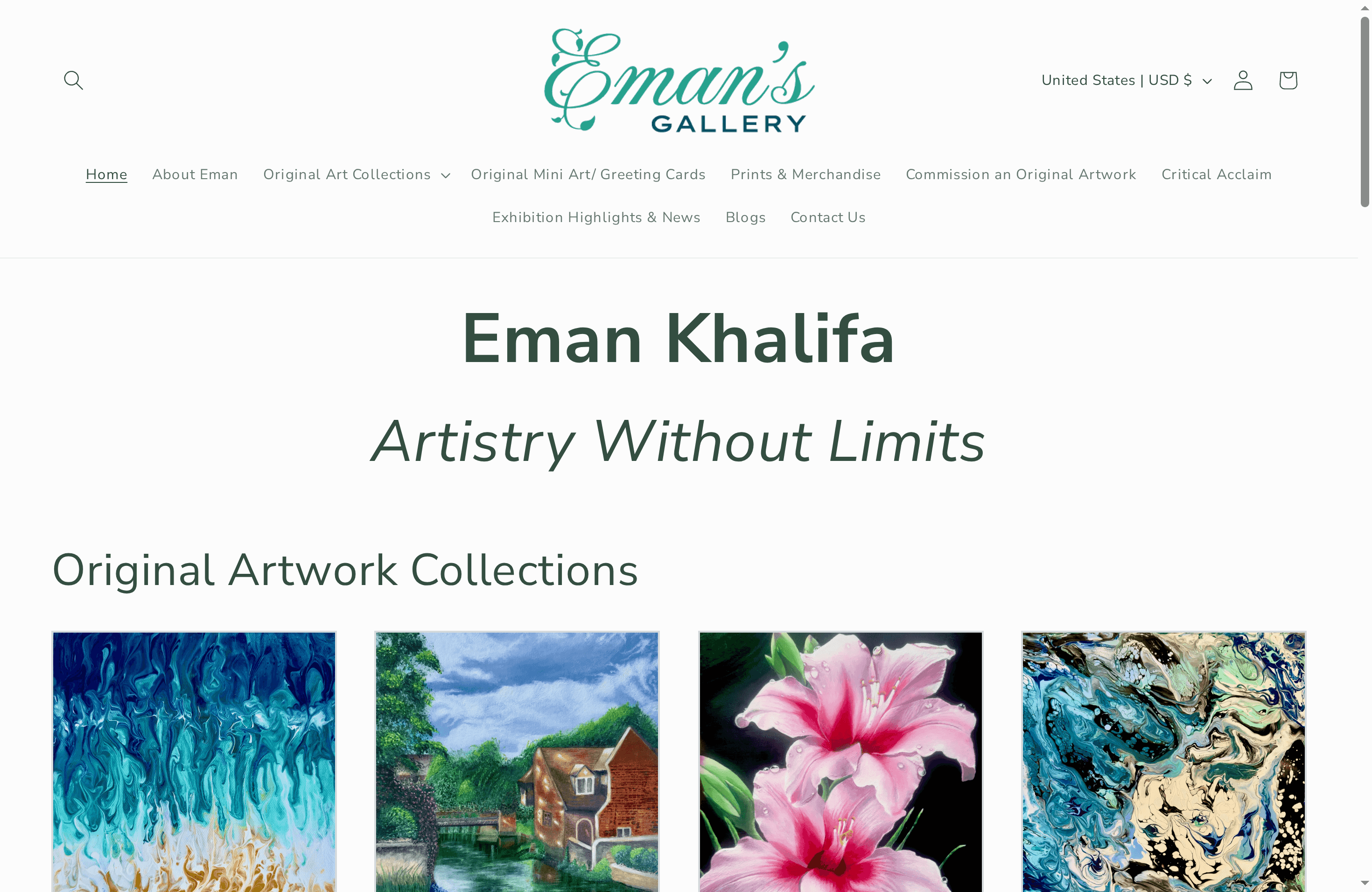
Explore investment-quality works like Good Tidings original painting for serious collectors. Browse our wall art prints collection for museum-quality reproductions that balance affordability with aesthetic impact. Discover signature art merchandise to integrate distinctive designs throughout your daily life. Worldwide shipping ensures your collection arrives safely wherever you’re located.
FAQ
What makes contemporary art a good investment?
Contemporary art offers portfolio diversification and average annual returns of 7-8% over long periods. Unlike stocks, art values move independently of financial markets, providing stability during economic downturns. Investment success requires research into artist reputation, provenance verification, and understanding market trends favoring emerging talents.
How do original artworks differ from prints in terms of value?
Original artworks are unique pieces that appreciate 10-15% annually with proper selection and care. Museum-quality prints are reproductions, often in limited editions, that grow 5-8% annually for signed numbered works. Originals command higher prices and prestige, while prints offer accessibility for collectors building diverse holdings on smaller budgets.
Can art enhance my living or working space beyond financial returns?
Absolutely. 78% of collectors report improved mood and creativity from displayed art. Professional spaces with contemporary works see 25% higher client engagement and 15% better patient satisfaction in healthcare settings. Art reduces stress, stimulates conversation, supports brand identity, and creates memorable environments that influence how people feel and perform daily.
How do I verify authenticity and provenance when buying contemporary art?
Request certificates of authenticity directly from artists or galleries. Review exhibition history and gallery representation to confirm legitimacy. Check for signature, edition numbers on prints, and consistent documentation. Reputable galleries provide detailed provenance records. For valuable pieces, consider third-party appraisals from certified art experts before major purchases.
What are the best practices for displaying and maintaining my art collection?
Control temperature and humidity to prevent warping or discoloration. Use UV-filtering glass and avoid direct sunlight. Position pieces at eye level with appropriate lighting that doesn’t generate excessive heat. Dust frames monthly with microfiber cloths. Photograph your collection annually with condition notes for insurance purposes. Schedule professional cleaning every 3-5 years for high-value works.
Recommended
- 7 Key Art Investment Benefits for Collectors and Homeowners
- 6 Key Qualities of Collectible Art for Savvy Buyers
- Top 4 Sites for Art Collectors in 2026 to Enhance Your Collection
- 7 Art Collector Tips for Valuable Collections - Eman’s Gallery
Stay Connected
- ✨ Explore Eman Khalifa’s original art and fine art prints
- 📸 Follow Eman Khalifa’s art journey on: Instagram @emans_gallery and Facebook Eman’s Gallery
- 📹 Watch Eman Khalifa creating live art on: YouTube @emans_gallery
