


Step by Step Art Collection for Modern Luxury Homes
Luxury homes in the United States and United Kingdom are no longer just about architectural brilliance or premium furnishings. For discerning homeowners, contemporary art offers a powerful way to express personal style and cultural capital, turning living spaces into curated reflections of identity. Elite collectors often design entire environments around their art, blending comfort with the thoughtful exhibition of original works. This guide shares strategies to help you source, select, and showcase artworks that transform your modern home while reflecting your unique vision.
Table of Contents
- Step 1: Define Your Art Collection Goals
- Step 2: Set Your Budget And Assess Space
- Step 3: Research Contemporary Art Sources
- Step 4: Select Artworks That Fit Your Style
- Step 5: Verify Authenticity And Quality
- Step 6: Complete Your Art Collection Purchase
Quick Summary
| Key Point | Explanation |
|---|---|
| 1. Define Your Art Collection Goals | Understand personal style, budget, and thematic focus to guide your collection decisions effectively. |
| 2. Set a Realistic Budget | Analyze your financial situation and space to create strategic limits for art acquisitions. |
| 3. Research Contemporary Art Sources | Utilize online resources and social media to gather information on current artists and trends efficiently. |
| 4. Verify Authenticity of Artworks | Conduct thorough provenance research and seek expert consultations to ensure the integrity of your collection. |
| 5. Complete Your Purchase Responsibly | Follow systematic procedures for negotiation, documentation, and protective measures to safeguard your investments. |
Step 1: Define your art collection goals
Building an art collection for a modern luxury home requires strategic planning and clear objectives. Successful collectors understand that art is more than decoration - it’s a personal expression of identity and cultural investment. Elite art collectors design spaces around their collections, transforming their living environments into personalized museums.
To define your art collection goals effectively, consider these key aspects:
- Personal Style: Reflect on the aesthetic that resonates with your personality and home design
- Budget Parameters: Determine your financial investment range for art acquisitions
- Collecting Focus: Decide whether you want thematic collections or diverse artistic representations
- Space Considerations: Evaluate wall spaces, lighting, and architectural features that will showcase artwork
Your art collection strategy should balance emotional connection with potential investment value. Research different art movements, mediums, and emerging artists that align with your vision. Consider consulting with art advisors or visiting galleries to refine your understanding and develop a nuanced collecting approach.
Successful art collecting is about creating a narrative that speaks to your personal aesthetic and tells your unique story.
Pro tip: Start by collecting pieces that genuinely move you emotionally, rather than pursuing art solely for potential financial appreciation.
Step 2: Set your budget and assess space
Establishing a realistic budget and evaluating your available space are crucial steps in creating a meaningful art collection for your luxury home. Successful art acquisitions require careful financial planning that balances your artistic vision with practical constraints.
When setting your budget, consider these strategic approaches:
- Financial Assessment: Analyze your disposable income and determine a comfortable spending range for art acquisitions
- Collection Scope: Define whether you’re collecting as an investment or purely for personal enjoyment
- Space Evaluation: Measure available wall spaces, consider lighting conditions, and assess architectural features
- Storage Planning: Account for potential additional pieces and preservation requirements
Your space assessment should go beyond simple measurements. Each artwork requires specific environmental conditions, including appropriate lighting, humidity control, and protection from direct sunlight. Museum-level collection management emphasizes precise spatial considerations that protect and showcase artwork effectively.
Art collecting is a delicate balance between financial investment, spatial constraints, and personal passion.
Pro tip: Create a dedicated spreadsheet to track potential artworks, their costs, dimensions, and specific display requirements to maintain a clear overview of your collection strategy.

Step 3: Research contemporary art sources
Developing a comprehensive understanding of contemporary art requires strategic research across multiple platforms and resources. Contemporary art research explores current visual art practices that reflect complex societal and cultural dynamics, making your exploration both an intellectual and aesthetic journey.
To effectively research contemporary art sources, consider these strategic approaches:
- Online Museum Resources: Explore digital collections and archives
- Academic Publications: Review scholarly journals and art criticism
- Gallery Websites: Investigate emerging and established contemporary artists
- Art Fair Catalogs: Track current trends and innovative art movements
- Social Media Platforms: Follow contemporary artists and art institutions
Open access art collections provide remarkable research opportunities for collectors seeking in-depth information about potential acquisitions. These digital resources offer high-resolution images, detailed provenance information, and comprehensive artist backgrounds that can inform your collecting strategy.
Contemporary art research is a dynamic process of continuous learning and aesthetic discovery.
Pro tip: Create a dedicated digital folder to organize your research materials, screenshots, and notes, allowing you to track your artistic discoveries and potential collection additions systematically.
Step 4: Select artworks that fit your style
Selecting artworks for luxury home interiors requires a nuanced understanding of personal aesthetic and architectural harmony. Your art collection should be a thoughtful reflection of your personality, creating a cohesive narrative that enhances your living space.
Consider these key strategies when selecting artworks:
- Style Alignment: Match artwork with your home’s architectural design
- Color Coordination: Select pieces that complement your existing color palette
- Emotional Connection: Choose art that resonates with your personal experiences
- Scale and Proportion: Ensure artworks fit proportionally within your space
- Diversity of Mediums: Mix different artistic techniques and materials
Curating a luxury art collection involves balancing personal taste with aesthetic sophistication. Each piece should tell a story, creating a dynamic visual dialogue that transforms your home into a personal gallery.
Art is not just decoration; it’s an extension of your identity and vision.
Pro tip: Before purchasing, create digital mockups of potential artworks in your space using augmented reality apps or simple photo editing tools to visualize how they will integrate with your existing interior design.
Step 5: Verify authenticity and quality
Art authentication requires a comprehensive and methodical approach that protects your investment and ensures the integrity of your collection. Understanding the complex verification process is crucial for both seasoned and emerging art collectors.
Key strategies for verifying artwork authenticity include:
- Provenance Research: Track the complete ownership history of the artwork
- Expert Consultation: Engage professional art appraisers and authenticators
- Scientific Analysis: Use advanced technological methods for material verification
- Documentation Review: Examine certificates of authenticity, exhibition records, and artist documentation
- Comparative Stylistic Assessment: Compare the artwork with confirmed works by the same artist
Modern authentication techniques now incorporate advanced technologies like AI and blockchain to enhance verification processes. These technological innovations provide additional layers of validation beyond traditional expert assessment.
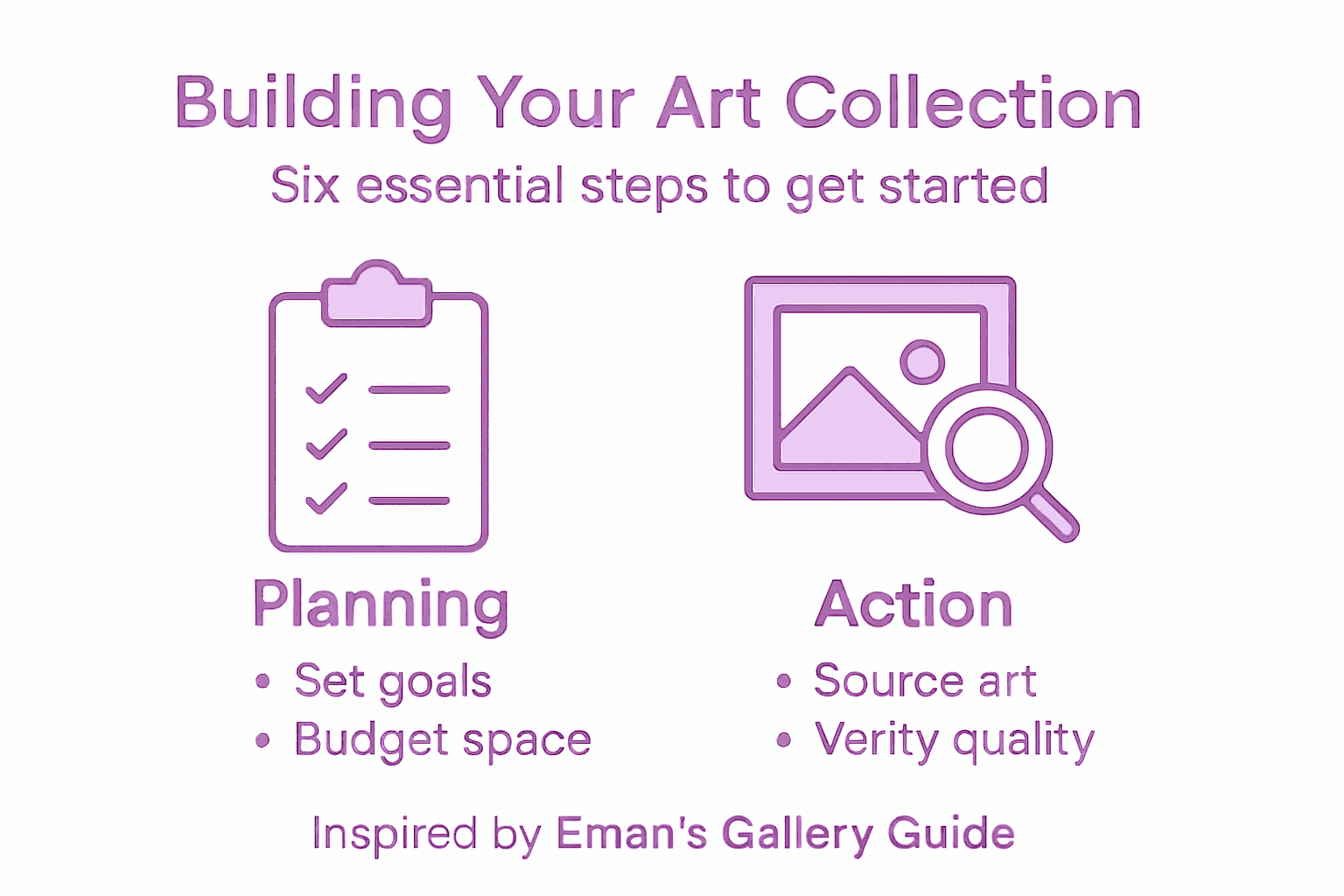
Here is a summary of common art authentication methods and their benefits:
| Authentication Method | What It Does | Collection Benefit |
|---|---|---|
| Provenance Research | Tracks artwork ownership history | Reduces forgery risks |
| Expert Consultation | Uses specialists for verification | Ensures professional evaluation |
| Scientific Analysis | Examines materials and technique | Detects fakes and restorations |
| Documentation Review | Checks certificates and records | Confirms legal ownership |
| Comparative Stylistic Assessment | Compares with known works | Assesses consistency and originality |
Authenticity is not just about proving origin, but preserving the artwork’s cultural and artistic integrity.
Pro tip: Always request and retain comprehensive documentation, including high-resolution photographs, scientific analysis reports, and expert authentication certificates, creating a comprehensive provenance file for each artwork in your collection.
Step 6: Complete your art collection purchase
Museums follow rigorous acquisition procedures that private collectors can emulate to ensure a professional and responsible art purchasing experience. The final purchase requires careful consideration of multiple factors beyond the artwork’s aesthetic appeal.
Key steps for completing your art collection purchase include:
- Negotiation: Discuss pricing, payment terms, and potential discounts
- Documentation: Obtain comprehensive purchase agreements and certificates
- Shipping Arrangements: Plan secure transportation for delicate artworks
- Insurance: Acquire appropriate art insurance coverage
- Provenance Transfer: Ensure complete ownership documentation is transferred
Art acquisition involves complex legal and ethical considerations that protect both the buyer and the artistic integrity of the piece. Understanding these nuances ensures a transparent and responsible purchase process.
The following table compares public and private art collections in terms of access, goals, and management:
| Aspect | Public Art Collection | Private Art Collection |
|---|---|---|
| Access | Open to the public | Restricted to owner, guests |
| Primary Goal | Education and culture | Personal enjoyment, investment |
| Acquisition Process | Formal, committee-based | Individual or advisor-driven |
| Management Style | Institutional and documented | Flexible, customized by owner |
A successful art purchase is more than a transaction - it’s a commitment to cultural preservation and personal expression.
Pro tip: Create a dedicated digital and physical file for each artwork, storing all purchase documents, authentication certificates, shipping records, and insurance information in an organized and easily accessible manner.
Discover and Curate Your Modern Luxury Art Collection with Ease
Creating a captivating art collection for your modern luxury home involves careful planning, authentic selections, and pieces that truly reflect your personal style and space. Whether you are defining your collecting goals or searching for artworks that harmonize with your interiors, Eman’s Gallery offers a curated range of original contemporary art designed to elevate your living environment.
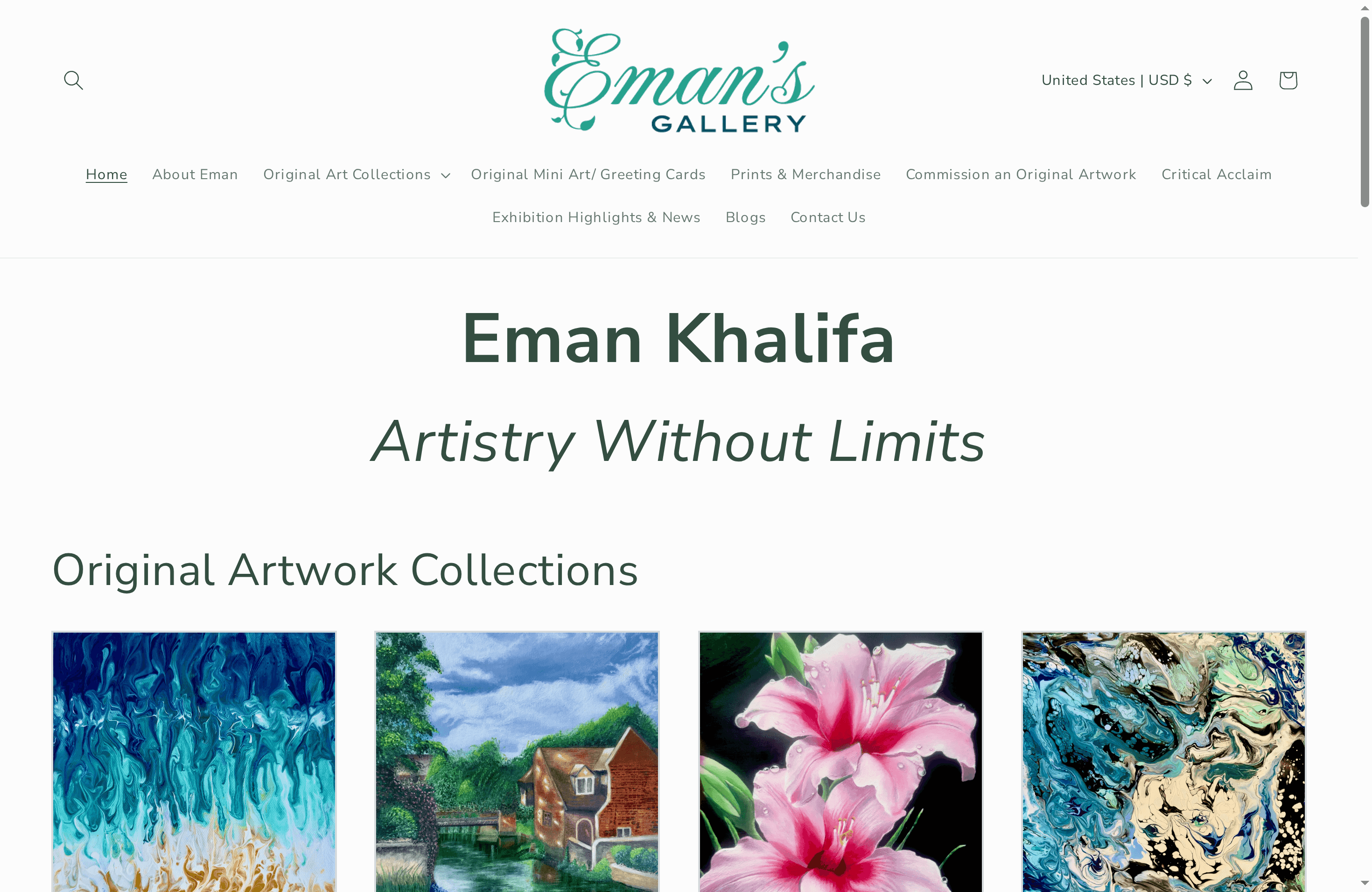
Explore our Contemporary – Eman’s Gallery collection to find exclusive handmade paintings that resonate with your vision. Embrace museum-quality canvas prints and large-scale wall art that transform your home into a gallery of sophistication and personal expression. Begin your art collecting journey now by visiting Eman’s Gallery to choose artwork that not only fits your style but also stands the test of authenticity and quality.
Frequently Asked Questions
How do I define my art collection goals for a modern luxury home?
To define your art collection goals, reflect on your personal style, budget, collecting focus, and available space. Consider creating a list of specific themes or emotions you want your collection to convey.
What budget should I set for my art collection?
Establish a realistic budget by assessing your disposable income and deciding whether you are collecting for investment or personal enjoyment. Aim to categorize your budget into specific price ranges for different pieces, making it easier to track spending over time.
What steps should I take to research contemporary art sources?
Begin by exploring online museum resources, gallery websites, and academic publications. Take notes and gather images to create a digital folder of potential artists and artworks that interest you, allowing you to stay organized in your research.
How can I ensure the artworks I select fit my home’s style?
Select artworks that align with your home’s architectural design, color palette, and emotional resonance. Create digital mockups of potential artworks in your space to visualize how they will integrate with your existing decor.
What methods can I use to verify the authenticity and quality of artworks?
Verify authenticity through provenance research, expert consultation, and scientific analysis. Maintain organized records of certificates and documentation to protect your investment and ensure the integrity of your collection.
What should I consider when completing an art purchase?
When completing an art purchase, negotiate pricing, obtain thorough documentation, and arrange for secure shipping. Ensure you have the appropriate insurance coverage in place and keep all purchase records organized for future reference.
Recommended
- Art Collection Basics: Elevating Luxury Home Interiors
- Curating Home Gallery Guide for Luxury Interiors
- Why Display Art at Home: Transforming Modern Spaces
- 7 Innovative Interior Art Display Ideas for Modern Homes
- Selling Luxury Real Estate | Pricing Suggestions | Home Valuation
Stay Connected
- ✨ Explore Eman Khalifa’s original art and fine art prints
- 📸 Follow Eman Khalifa’s art journey on: Instagram @emans_gallery and Facebook Eman’s Gallery
- 📹 Watch Eman Khalifa creating live art on: YouTube @emans_gallery
