


Why Display Art at Home: Transforming Modern Spaces
Nearly 80 percent of American luxury homeowners reveal that art is essential for crafting a distinctive home environment. Art displays are more than finishing touches—they define personal style and create striking visual statements that enrich sophisticated interiors. Whether you are curating for a modern penthouse in New York or a British townhouse in London, exploring contemporary art offers new ways to express individuality and elevate everyday living with originality.
Table of Contents
- Defining Home Art Displays and Their Impact
- Styles of Contemporary Art for Interiors
- Personal Expression Through Art Selection
- Art’s Role in Creating Modern Luxury Spaces
- Psychological and Well-Being Benefits of Art
- Financial, Social, and Design Considerations
Key Takeaways
| Point | Details |
|---|---|
| Art Displays Express Identity | Home art displays depict personal identity and cultural narrative, transforming living spaces into dynamic storytelling canvases. |
| Influence of Art on Well-Being | Engaging with art promotes mental wellness by reducing stress, enhancing mood, and facilitating self-reflection. |
| Contemporary Art Styles Enhance Interiors | Different contemporary art styles offer unique visual narratives that cater to diverse aesthetic preferences and transform spaces. |
| Art as a Strategic Investment | Purchasing art should be approached as an investment, balancing budget with potential appreciation in value and cultural significance. |
Defining Home Art Displays and Their Impact
Home art displays represent more than simple decorative choices - they are powerful expressions of personal identity and cultural narrative. Decorative arts research reveals how functional objects within domestic spaces communicate aesthetic values and individual sensibilities, transforming walls from mere structural elements into dynamic storytelling canvases.
In modern interior design, art displays serve multifaceted purposes beyond visual appeal. They create emotional landscapes within living spaces, reflecting personal journeys, cultural backgrounds, and individual tastes. Contemporary art placement becomes a sophisticated dialogue between architectural space and personal narrative, where each piece selected tells a unique story about the inhabitant’s experiences, aspirations, and aesthetic sensibilities.
Museum exhibition strategies offer insights into effective home art displays, emphasizing careful consideration of environmental conditions, lighting, and spatial relationships. Successful home art displays balance visual impact with preservation, ensuring artworks are both prominently featured and protected from potential damage.
Pro tip: Select art pieces that resonate with your personal story and complement your space’s architectural elements, creating a cohesive and meaningful visual narrative.
Styles of Contemporary Art for Interiors
Contemporary art styles have revolutionized interior design, offering homeowners unprecedented opportunities to transform living spaces into dynamic visual narratives. These artistic expressions go far beyond traditional decorative approaches, introducing complex layers of meaning and emotional resonance that reflect individual personality and cultural context.
Modern interior design embraces several distinctive contemporary art styles that cater to different aesthetic preferences. Abstract expressionism brings bold, spontaneous energy through large-scale canvases featuring dramatic color interactions and gestural brushwork. Minimalist art provides clean, understated elegance with geometric shapes and monochromatic palettes, ideal for sophisticated urban spaces. Conceptual art challenges traditional boundaries, incorporating unconventional materials and thought-provoking visual commentaries that stimulate intellectual engagement.
Museum contemporary art collections reveal the incredible diversity of artistic approaches suitable for interior spaces. Mixed media installations, digital art prints, and multimedia representations offer flexible options for homeowners seeking to create unique visual experiences. These styles emphasize personal narrative, cultural dialogue, and aesthetic innovation, transforming walls from passive backgrounds into dynamic storytelling platforms.
Pro tip: When selecting contemporary art for your interior, choose pieces that not only complement your space’s color scheme and architectural elements but also reflect your personal journey and emotional landscape.
Here’s a comparison of popular contemporary art styles for modern interiors:
| Art Style | Defining Features | Best Suited Spaces |
|---|---|---|
| Abstract Expressionism | Bold colors, dynamic brushwork | Open-plan, energetic rooms |
| Minimalist | Clean lines, monochrome palette | Urban lofts, modern condos |
| Conceptual | Unusual materials, thought-provoking | Study areas, creative nooks |
| Mixed Media | Combined techniques, layered textures | Eclectic, personalized rooms |
| Digital Art | Prints, interactive visuals | Tech-forward, contemporary homes |
Personal Expression Through Art Selection
Psychology of art reveals that art selection is far more than a decorative choice - it is a profound act of personal storytelling. Each artwork becomes a visual language through which individuals communicate their inner landscape, translating complex emotions and experiences into tangible, visual representations that transcend verbal expression.
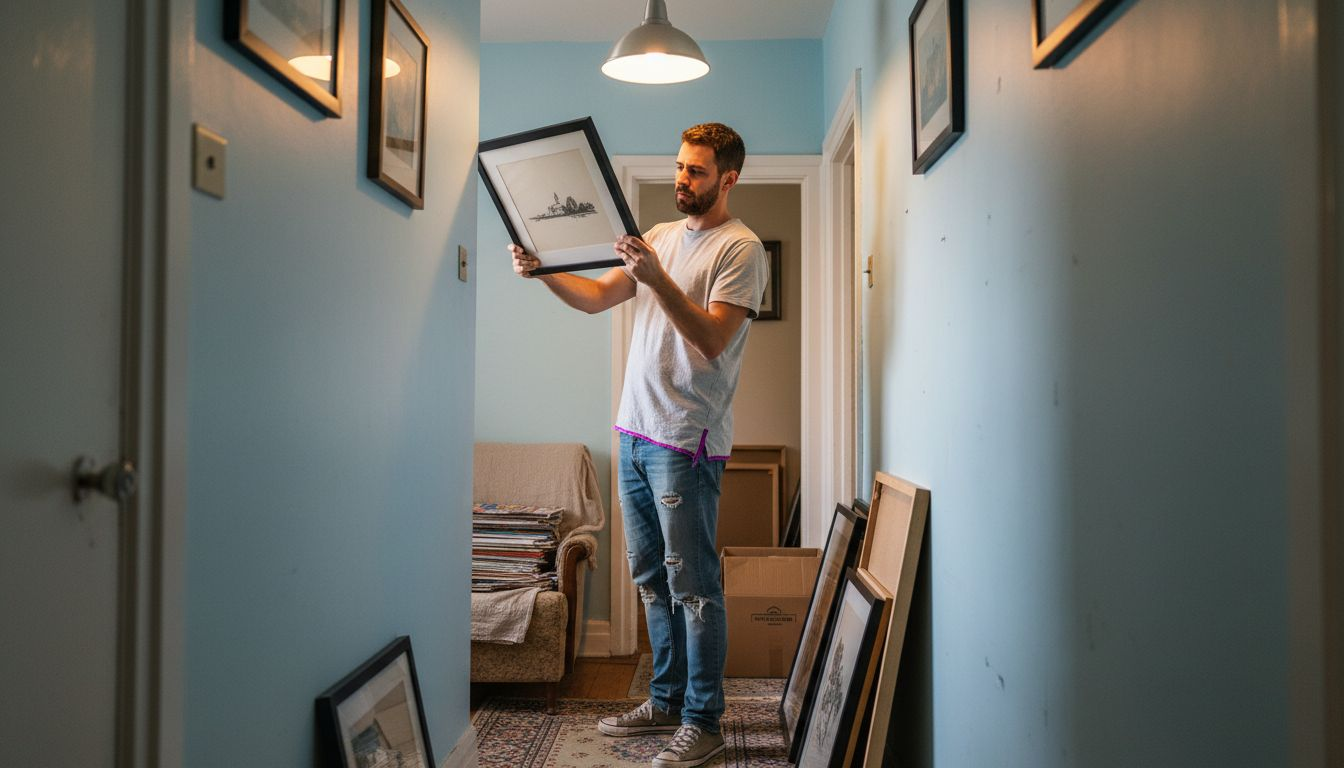
Personal art selection involves a nuanced process of introspection and emotional mapping. Different art styles serve as unique emotional conduits: abstract pieces might represent internal turbulence or creative freedom, while minimalist works could reflect a desire for clarity and simplicity. Figurative art allows direct narrative expression, enabling individuals to connect with representations of human experiences that resonate with their personal journeys.
Creative expression approaches demonstrate that art selection is a powerful mechanism for psychological growth and self-understanding. By curating spaces with meaningful artworks, individuals create personal environments that reflect their evolving identities, cultural backgrounds, and emotional landscapes. This deliberate curation becomes a form of self-care, surrounding oneself with visual narratives that inspire, challenge, and validate personal experiences.
Pro tip: Choose artworks that spark an immediate emotional response, selecting pieces that make you feel seen, understood, or inspired rather than focusing solely on aesthetic compatibility.
Art’s Role in Creating Modern Luxury Spaces
Modern art’s influence transforms luxury interiors from mere living spaces into sophisticated personal galleries. Artwork becomes a critical design element that elevates architectural environments, communicating refined taste and intellectual depth beyond traditional decorative approaches. Each carefully selected piece serves as a visual anchor, defining spatial character and reflecting the homeowner’s sophisticated aesthetic sensibilities.
Luxury spaces demand more than aesthetic placement - they require a nuanced understanding of how art interacts with architectural elements. Contemporary art movements like Cubism and Abstract Expressionism provide dynamic visual languages that challenge traditional design boundaries. Strategic art selection can transform neutral spaces into provocative environments, creating visual dialogues between architectural lines, furniture design, and artistic expressions that communicate elegance and cultural awareness.
Architecture and design collections reveal that luxury is not just about expensive materials, but about creating immersive, meaningful environments. Art in modern luxury spaces functions as a powerful narrative tool, bridging personal identity with spatial design. By integrating thoughtfully curated artworks, homeowners can craft interiors that are simultaneously intimate and sophisticated, reflecting complex emotional and cultural landscapes.
Pro tip: Select artwork that creates visual tension and dialogue with your space, choosing pieces that challenge and complement your interior’s architectural language rather than simply matching existing color schemes.
Psychological and Well-Being Benefits of Art
Art psychology research reveals profound connections between artistic engagement and mental wellness. Art serves as a powerful mechanism for emotional processing, allowing individuals to explore complex feelings and experiences through visual representation. This transformative process enables people to externalize internal struggles, creating a therapeutic pathway for self-understanding and emotional healing.
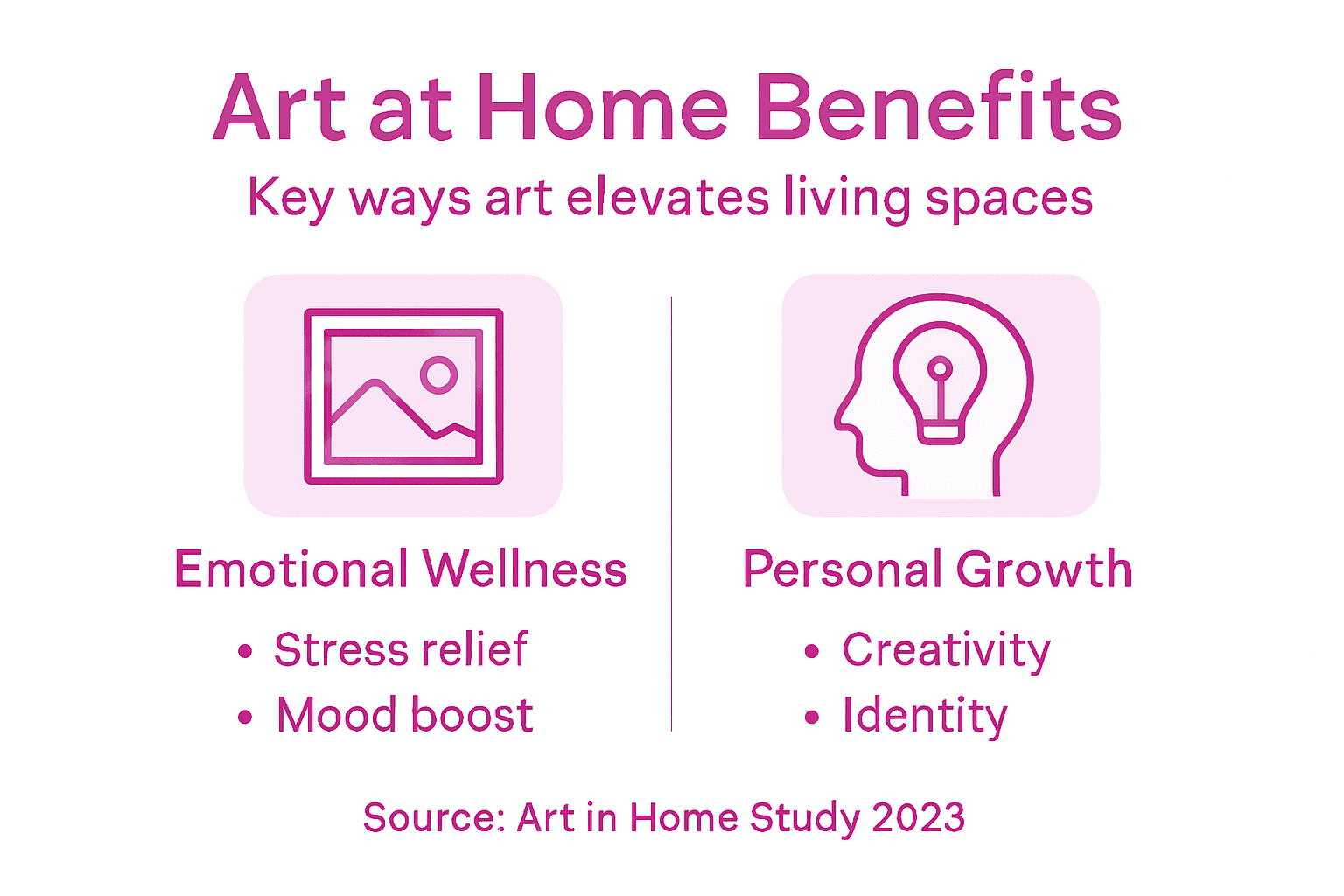
By engaging with art, individuals activate complex cognitive and emotional networks that promote psychological resilience. Different artistic styles trigger unique psychological responses - abstract art might encourage imaginative thinking, while representational pieces can foster empathy and emotional connection. The act of observing and interpreting artwork stimulates neural pathways associated with creativity, problem-solving, and emotional intelligence.
Healthcare perspectives on art demonstrate its profound impact on stress reduction and emotional regulation. Regular interaction with art can lower cortisol levels, decrease anxiety, and improve overall mood. Artistic environments create sensory experiences that interrupt negative thought patterns, providing mental respite and encouraging a more balanced psychological state.
Pro tip: Create a personal art rotation in your living space, periodically changing artworks to stimulate fresh emotional perspectives and maintain psychological engagement with your environment.
Key psychological and wellness benefits of engaging with art at home:
| Benefit | How It Helps | Example Effect |
|---|---|---|
| Stress Reduction | Lowers cortisol, eases anxiety | Calmer daily routines |
| Emotional Growth | Encourages self-reflection | Clearer personal insights |
| Creativity Boost | Stimulates innovative thinking | Inspires new ideas |
| Mood Elevation | Enhances daily enjoyment | Improved overall mood |
Financial, Social, and Design Considerations
Arts sector challenges reveal complex intersections between financial investment, social value, and design innovation in art acquisition. Purchasing artwork represents more than a financial transaction - it is a strategic decision that reflects personal values, cultural awareness, and aesthetic sophistication. Potential art collectors must balance budgetary constraints with long-term artistic appreciation, understanding that certain pieces can appreciate in value while simultaneously enriching living environments.
Social considerations play a significant role in art selection, transforming individual choices into broader cultural statements. Art becomes a medium of social communication, signaling personal taste, intellectual interests, and cultural literacy. Different artistic styles and selections can communicate socioeconomic status, global awareness, and personal narrative, making each art piece a subtle yet powerful form of social discourse.
Design history research demonstrates how financial limitations and design principles intersect in art display strategies. Emerging collectors can leverage creative display techniques to maximize visual impact while managing budget constraints. This might involve mixing original artworks with high-quality prints, exploring emerging artists, or strategically rotating collection pieces to maintain visual dynamism without continuous significant financial investment.
Pro tip: Consider art as an investment by researching emerging artists, tracking market trends, and selecting pieces that balance aesthetic appeal with potential future value appreciation.
Elevate Your Home with Thoughtfully Curated Contemporary Art
Transforming your living space into a personal gallery requires art that speaks to your emotional landscape and complements your modern interiors. This article highlights the power of home art displays to tell your unique story while enhancing psychological well-being and luxury ambiance. If you seek to create these meaningful connections through original artwork, explore the bold and diverse selections offered in the Contemporary collection at Eman’s Gallery.
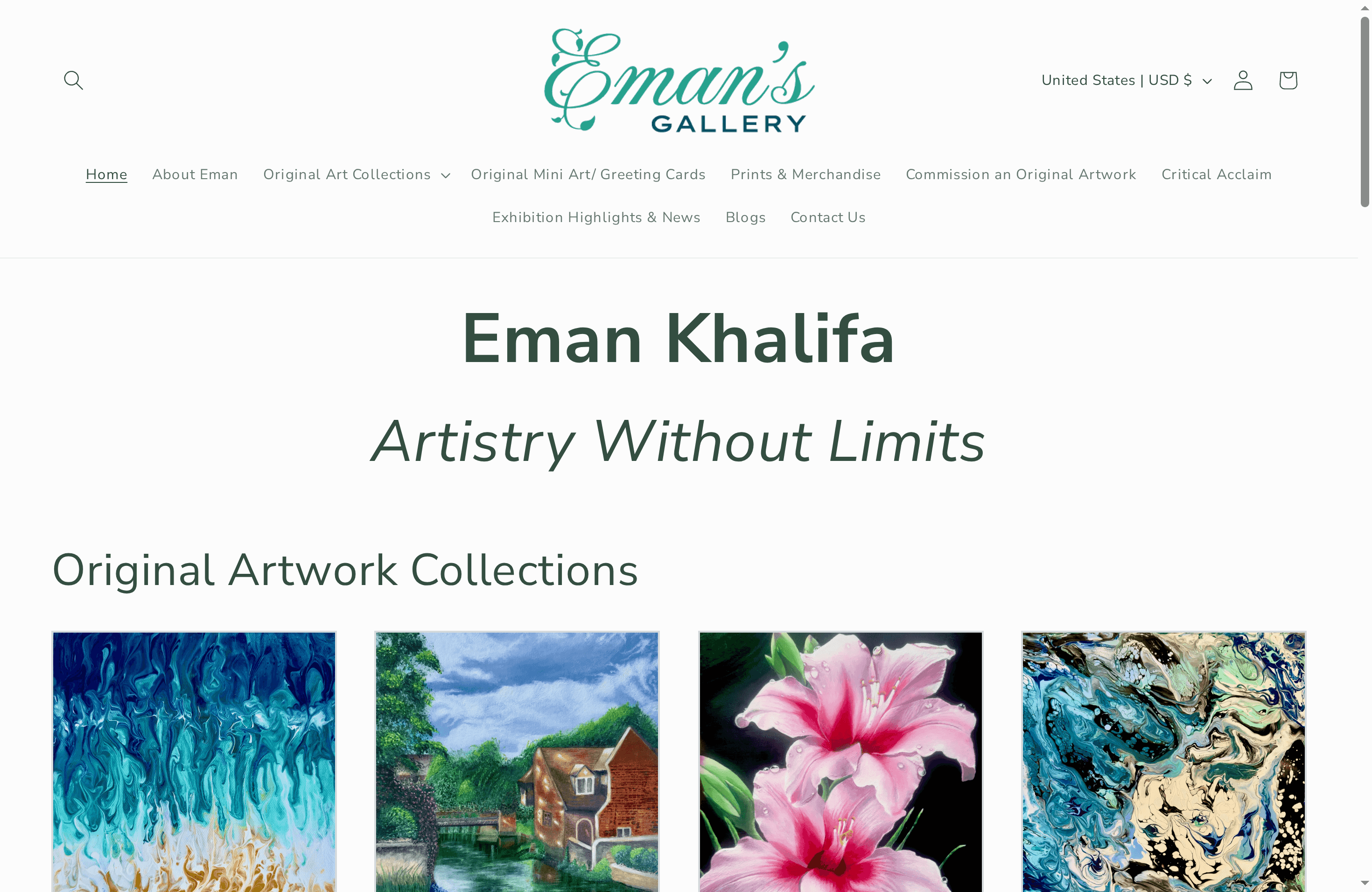
Experience the impact of museum-quality pieces and large-scale wall art designed by Eman Khalifa. By choosing art that resonates deeply, you not only beautify your space but also support emotional growth and personal expression. Visit Eman’s Gallery now to discover exclusive original paintings and canvas prints that transform your home into a dynamic visual narrative. Every piece is handmade and ready to ship worldwide, bringing exceptional art directly to your door.
Frequently Asked Questions
Why is displaying art important in home design?
Displaying art in home design transforms spaces by expressing personal identity and cultural narratives, enhancing emotional landscapes, and creating unique visual experiences. Art elevates interiors beyond mere decoration, adding depth and meaning to living environments.
How can art contribute to mental well-being in home settings?
Art contributes to mental well-being by promoting emotional processing, reducing stress, and encouraging self-reflection. Engaging with art can enhance mood, foster creativity, and provide therapeutic benefits, creating a calming and inspiring environment.
What factors should I consider when selecting art for my home?
When selecting art for your home, consider pieces that resonate with your personal story, complement your space’s architectural features, and evoke emotional responses. Additionally, think about how artworks will interact with lighting and spatial relationships to create a harmonious display.
How can I effectively display different types of art in my home?
To effectively display various types of art, balance visual impact with preservation. Use appropriate lighting, consider wall space, and create a cohesive arrangement. Mix styles and mediums to reflect your personal style while maintaining an engaging visual narrative.
Recommended
- 7 Innovative Interior Art Display Ideas for Modern Homes
- Art and Interior Design Explained: Transforming Modern Spaces
- Complete Guide to Types of Art for Interiors – Eman’s Gallery
- Contemporary Wall Art Explained: Complete Overview – Eman’s Gallery
- 8 Essential Examples of Vintage Frame Styles – ministry of sight
Stay Connected
- ✨ Explore Eman Khalifa’s original art and fine art prints
- 📸 Follow Eman Khalifa’s art journey on: Instagram @emans_gallery and Facebook Eman’s Gallery
- 📹 Watch Eman Khalifa creating live art on: YouTube @emans_gallery
