


Art Print Care Instructions for Preserving Fine Art
Most American households proudly display at least one treasured art print, yet over half of collectors unknowingly expose their pieces to preventable damage each year. Choosing where and how you showcase your artwork can determine whether it lasts for generations or begins to deteriorate within months. This practical guide walks you through every step, ensuring your art prints remain vivid and protected in any American home or collection.
Table of Contents
- Step 1: Assess The Ideal Display Location
- Step 2: Clean And Prepare Your Hands And Tools
- Step 3: Handle And Mount Art Prints Carefully
- Step 4: Protect Prints From Environmental Risks
- Step 5: Inspect And Maintain Art Prints Regularly
Quick Summary
| Main Idea | Description |
|---|---|
| 1. Choose Optimal Display Locations | Avoid areas with direct sunlight and temperature extremes to protect artwork longevity. Ideal locations include stable, interior walls with indirect light. |
| 2. Prepare Environment Before Handling | Clean your hands and workspace thoroughly to avoid damaging the art print. Use gloves and a soft surface to protect the artwork. |
| 3. Handle Art Prints with Care | Always use both hands and wear gloves when moving or mounting prints. Use acid-free mounting materials for long-term protection. |
| 4. Regularly Inspect and Maintain Art | Conduct inspections every three to six months to catch any damage early. Document changes and consult professionals for serious deterioration. |
| 5. Protect from Environmental Hazards | Store and display prints in controlled conditions away from pollutants, moisture, and extreme light to ensure their preservation and quality. |
Step 1: Assess the Ideal Display Location
Selecting the perfect spot to showcase your art print requires careful consideration of environmental factors that could potentially damage your cherished artwork. The Library of Congress recommends avoiding areas with direct light exposure, which can rapidly degrade colors and materials.
When evaluating potential display locations, start by examining your space through an art preservationist’s lens. According to Florida State Archives guidelines, you want to steer clear of environments with extreme temperature fluctuations, high humidity, direct sunlight, or significant dust and pollution. This means avoiding placing your art print over a fireplace, near heating vents, against exterior walls, or in spaces with constant direct sunlight.
Instead, look for areas with stable temperature around 70 degrees Fahrenheit, moderate humidity between 30 to 50 percent, and indirect ambient lighting. Interior walls away from windows, hallways with soft lighting, or dedicated art display areas in living rooms or studies often provide ideal conditions. Your goal is to create a protective microclimate that preserves the print’s integrity while allowing you to enjoy its beauty.
Pro tip: Use museum-grade UV filtering window films or curtains in rooms with significant natural light to protect your artwork without sacrificing brightness and view.
Step 2: Clean and Prepare Your Hands and Tools
Before handling your delicate art print, you need to create an optimal environment that protects the artwork from potential damage. The Metropolitan Museum of Art recommends thoroughly preparing your workspace and personal handling techniques to ensure the print remains in pristine condition.
Start by washing your hands with mild soap and water, removing any oils, dirt, or residue that could transfer to the artwork. If possible, use unscented soap to minimize chemical interactions. Consider keeping a dedicated pair of clean nitrile gloves specifically for art handling. According to preservation guidelines from the Library of Congress, you should always handle photographs by their edges or housing materials, avoiding direct contact with the image surface.
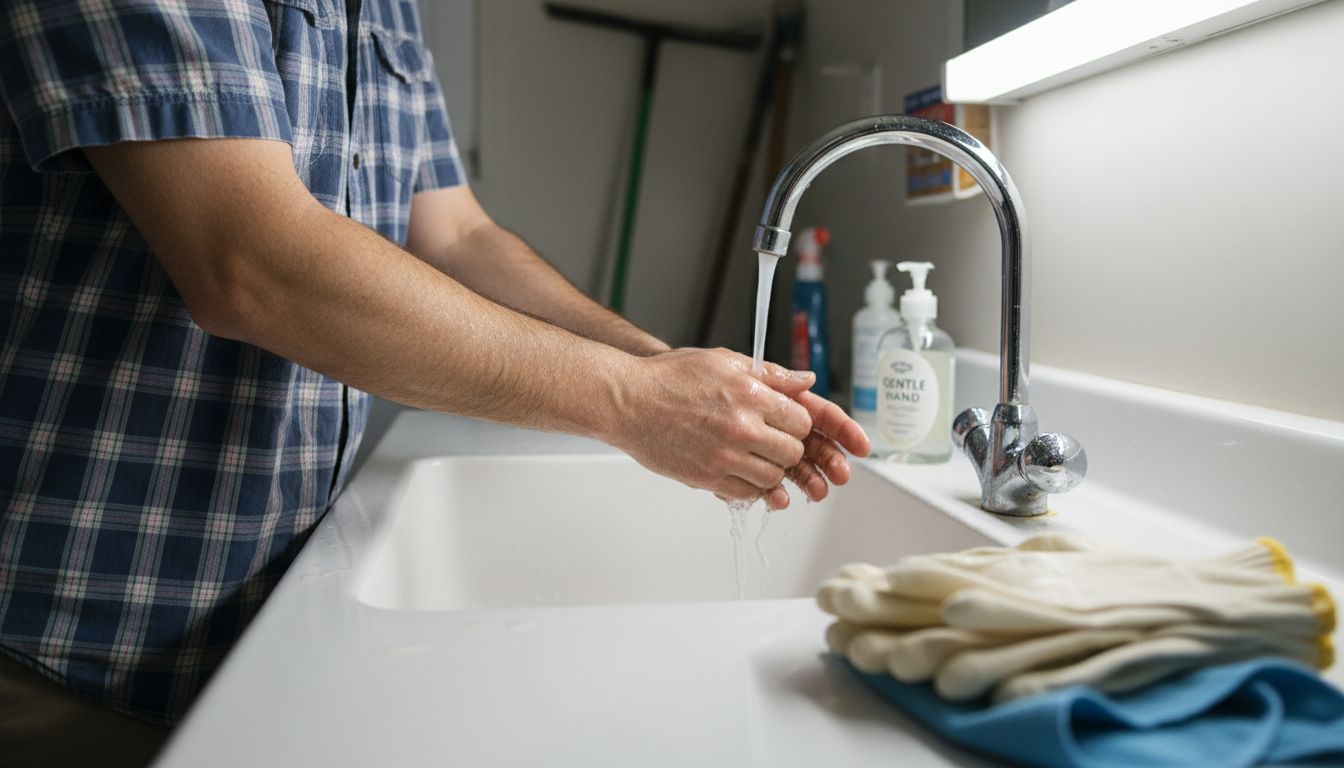
Prepare a clean workspace by clearing the area of any potential hazards like food, drinks, or unnecessary objects. Lay down a soft, clean surface such as a white cotton cloth or archival handling mat to provide a protective landing zone for your art print. Ensure good lighting and have your necessary tools ready clean microfiber cloths, archival gloves, and a soft brush for gentle dust removal.
Pro tip: Keep a small spray bottle of distilled water and lint free cloths nearby for quick emergency cleaning, but never apply liquid directly to the artwork itself.
Step 3: Handle and Mount Art Prints Carefully
The Broad Museum’s professional art handling guidelines emphasize the critical importance of proper art print manipulation techniques. Handling your art print requires meticulous attention to detail and a deliberate approach that protects the artwork’s delicate surface and structural integrity.
When moving or mounting your art print, always use both hands and handle only one piece at a time. Position the artwork with its front surface facing toward you to minimize accidental contact with the image area. For larger prints, enlist a second person to help prevent potential dropping or mishandling. Wear clean gloves or ensure your hands are thoroughly clean and free from oils or debris that could transfer to the print.
Carefully mount the art print using acid free mounting materials that will protect the artwork long term. Choose archival quality mounting boards, corner holders, or hinges that provide secure support without causing damage. When positioning the print, work slowly and deliberately, keeping the print level and avoiding sudden movements that could cause creasing or bending.
Pro tip: Create a dedicated workspace with a clean soft surface covered by a white cotton cloth to provide a protective landing zone during mounting and handling.
Step 4: Protect Prints from Environmental Risks
State archives guidelines emphasize the critical importance of protecting artwork from environmental hazards that can silently deteriorate your precious art prints. Understanding these risks is the first step in preserving the long term quality and value of your artwork.
Carefully evaluate your display and storage environments to minimize potential damage. Avoid hanging prints near fireplaces, heating vents, or exterior walls where temperature fluctuations and moisture can cause significant harm. Direct sunlight is particularly destructive, causing rapid color fading and material degradation. Instead, choose locations with stable temperatures between 65 and 70 degrees Fahrenheit, moderate humidity levels around 50 percent, and indirect ambient lighting.
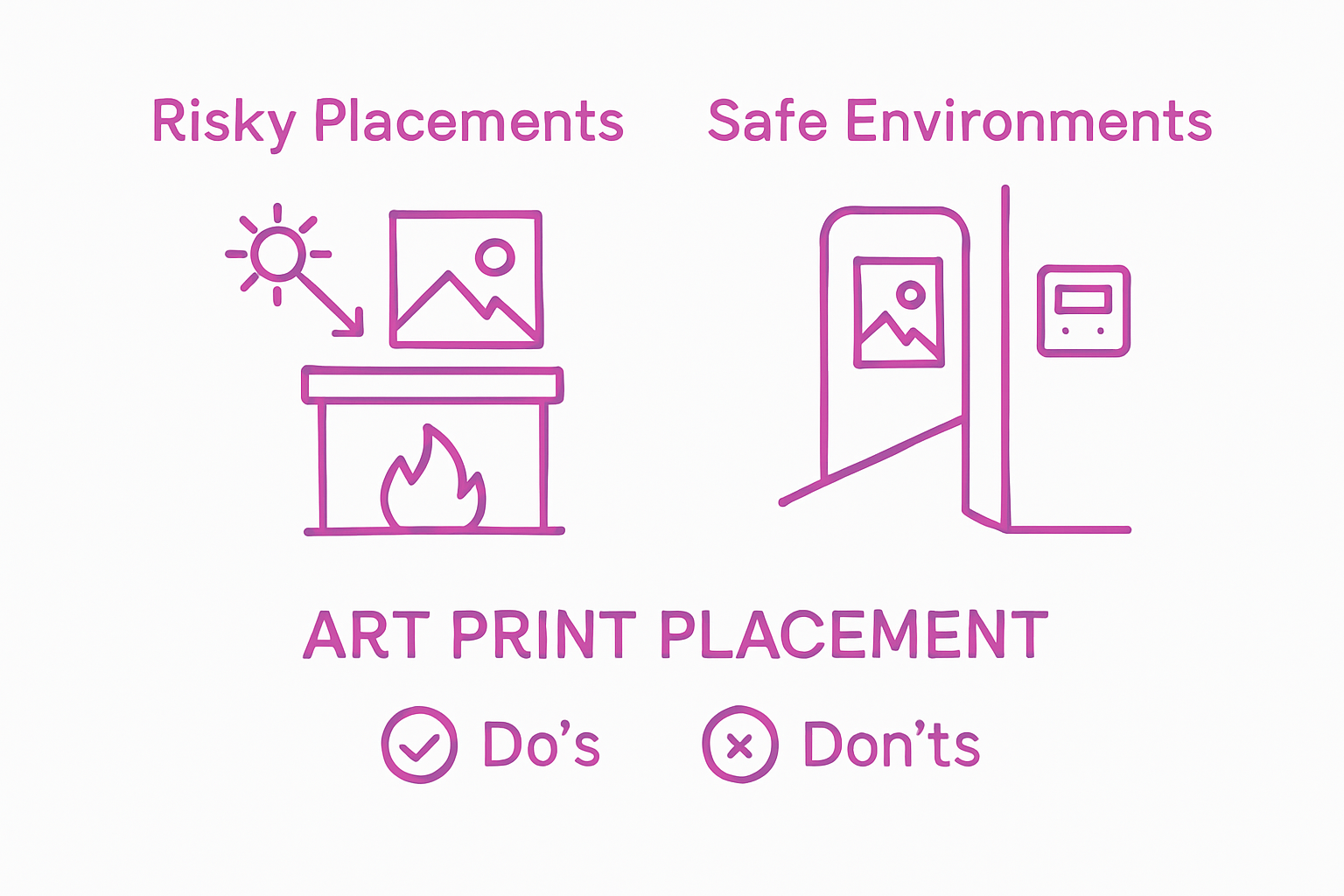
For storage periods, specialized preservation techniques recommend using acid free archival materials that create a chemically neutral environment. Invest in archival quality storage boxes or portfolios with acid free tissue paper to protect prints from dust, pollution, and potential physical damage. When storing multiple prints, use flat storage systems to prevent creasing, or carefully rolled storage methods with protective interleaving materials.
Pro tip: Create a dedicated art storage zone with consistent temperature and humidity, away from direct light sources and potential environmental contaminants.
Here’s a summary of recommended environmental conditions for displaying and storing art prints:
| Factor | Ideal Display Condition | Ideal Storage Condition |
|---|---|---|
| Temperature | Around 70°F, stable | 65–70°F, stable |
| Humidity | 30–50%, moderate | About 50%, consistent |
| Lighting | Indirect, ambient, no sunlight | Total darkness or low light |
| Placement | Interior wall, away from vents | Flat, archival storage box |
| Pollution/Dust | Minimal exposure | Sealed archival enclosures |
Step 5: Inspect and Maintain Art Prints Regularly
The Smithsonian Museum’s conservation guidelines highlight the critical importance of systematic artwork inspection to preserve the long term integrity and value of your art prints. Regular maintenance is not just a recommendation but a crucial practice for art collectors who want to protect their investment.
Develop a consistent inspection routine that involves carefully examining your art prints every three to six months. Look for subtle signs of potential damage such as slight discoloration, microscopic cracks, loose framing elements, or changes in paper texture. Pay special attention to the print’s edges, corners, and mounting materials. The Library of Congress recommends avoiding damaging storage materials like paper clips or rubber bands that can cause incremental harm to your artwork over time.
When conducting your inspection, use clean white cotton gloves to minimize direct contact with the print’s surface. Document any changes or potential issues by taking clear photographs from multiple angles. If you notice signs of significant deterioration like mold, extreme discoloration, or structural damage, consult a professional art conservator who can provide specialized restoration advice.
Use this reference to identify common art print risks and their warning signs:
| Risk Factor | Potential Damage | Early Warning Signs |
|---|---|---|
| Sunlight | Color fading, material decay | Discoloration, yellowing |
| Humidity | Mold growth, warping | Wavy paper, musty odor |
| Pollution | Staining, surface erosion | Dust buildup, dullness |
| Physical Mishandling | Tears, creases | Soft edges, small cracks |
Pro tip: Create a dedicated inspection log with dates, observations, and photographs to track your art print’s condition systematically over time.
Preserve Your Art with Museum-Quality Prints and Care Solutions
The detailed guidance in “Art Print Care Instructions for Preserving Fine Art” highlights the challenges of protecting your artwork from damage caused by light, humidity, pollution, and handling. These concerns can be overwhelming when you want your investment to last a lifetime. Maintaining ideal display conditions and using archival materials are key goals to prevent fading, warping, and other deterioration over time.
Discover how Eman Khalifa’s collections like Tectonic - From Geologic Art to Prints & Merch and Desire - From Floral Art to Prints & Merch offer museum-quality canvas prints crafted with archival materials designed for longevity.
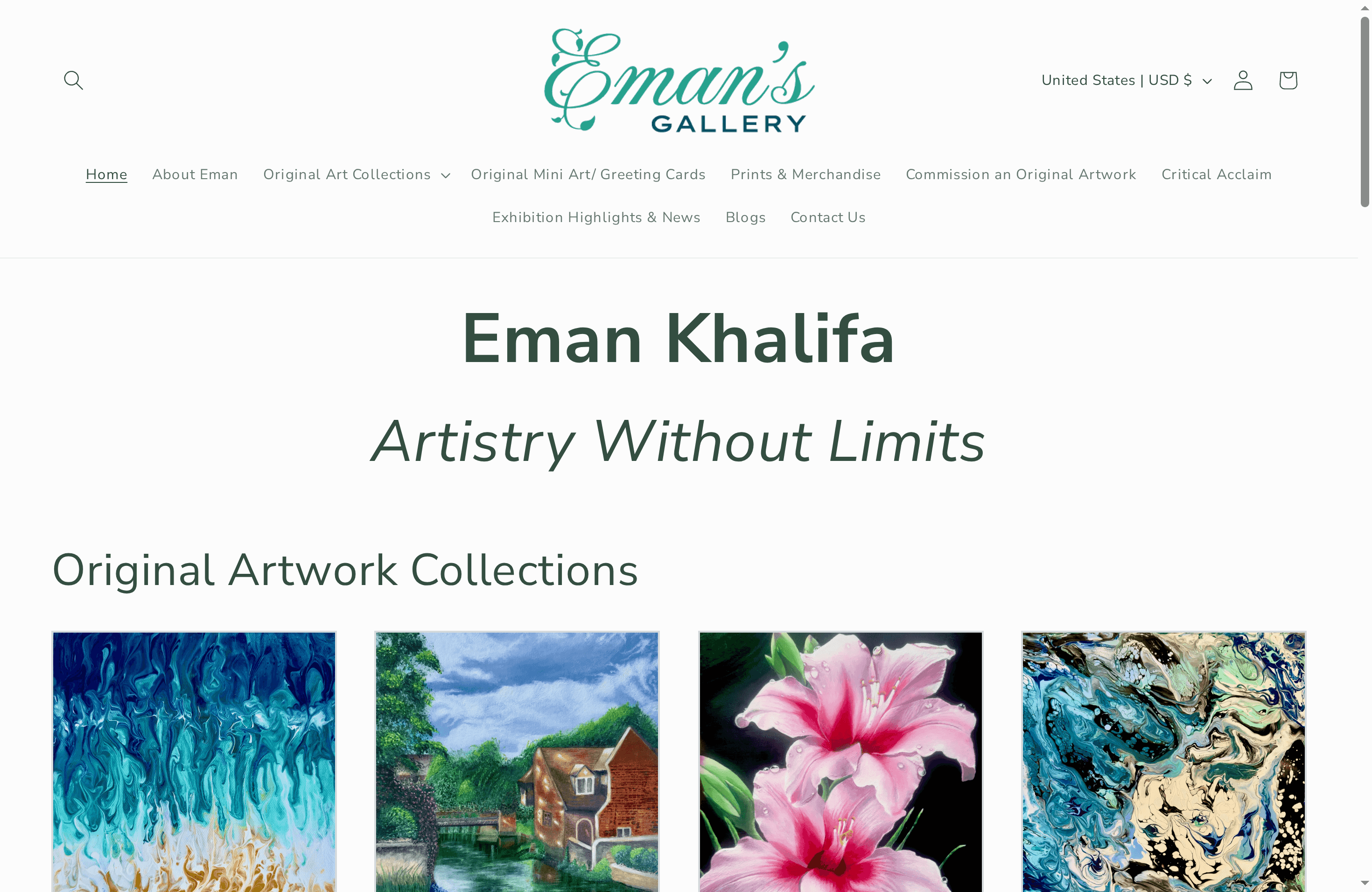
Experience the beauty of contemporary original artworks and prints at Eman’s Gallery where each piece is created and delivered with preservation in mind. Act now to bring home art that inspires and endures with professional-grade quality and thoughtful design. Explore the collection today and enjoy art that lasts a lifetime.
Frequently Asked Questions
How can I determine the ideal location to display my art print?
To determine the ideal location for your art print, choose a spot that has stable temperature and humidity without direct sunlight. Aim for a temperature around 70°F and humidity between 30-50%. Assess your space to find interior walls away from windows where environmental risks are minimized.
What steps should I take before handling my art print?
Before handling your art print, wash your hands with mild soap and water to remove oils and dirt. Additionally, consider wearing clean gloves to prevent direct contact with the print. Prepare a clean workspace with a soft, clean surface for optimal safety during handling.
How do I properly mount my art print to avoid damage?
To mount your art print safely, always use acid-free mounting materials that protect the artwork over the long term. Handle the print with both hands, face it toward you, and work slowly to avoid sudden movements that may crease or bend the print.
What precautions should I take to protect my prints from environmental damage?
Protect your prints by avoiding exposure to direct sunlight, extreme temperatures, and high humidity. Choose stable environments around 65-70°F and 50% humidity for display and storage, and utilize specialized protective materials like archival boxes to shield against dust and pollution.
How often should I inspect my art prints for damage?
Inspect your art prints every three to six months to identify any signs of damage, such as discoloration or cracking. Use clean gloves during the inspection and document your observations to track any changes over time. This routine will help you preserve the integrity of your artworks effectively.
What are warning signs of potential risks to my art prints?
Common warning signs of potential risks to your art prints include color fading due to sunlight, warping from humidity, or dust buildup indicating pollution exposure. Examine edges and corners carefully, and if you notice any signs of deterioration, take action promptly to mitigate further damage.
Recommended
- How to Store Art Prints Safely and Preserve Quality – Eman’s Gallery
- What Is Framed Art Print and Why It Matters – Eman’s Gallery
- What Is an Art Print? Complete Guide for 2025 – Eman’s Gallery
- 7 Essential Types of Art Prints for Every Decor Style – Eman’s Gallery
Stay Connected
- ✨ Explore Eman Khalifa’s original art and fine art prints
- 📸 Follow Eman Khalifa’s art journey on: Instagram @emans_gallery and Facebook Eman’s Gallery
- 📹 Watch Eman Khalifa creating live art on: YouTube @emans_gallerye
