


7 Art Collector Tips for Valuable Collections
7 Art Collector Tips for Valuable Collections
Over 40 percent of american households display original art, yet many collectors admit to feeling uncertain about where to start. Building a personal art collection is about more than just choosing beautiful pieces. It reflects your story, values, and interests while offering cultural and even financial rewards. Whether you seek investment potential or emotional resonance, the right guidance can help you create a collection that feels purposeful and truly meaningful.
Table of Contents
- 1. Define Your Art Collection Goals And Style
- 2. Research Artists And Art Movements Carefully
- 3. Buy From Reputable Galleries And Directly From Artists
- 4. Verify Art Authenticity And Provenance
- 5. Balance Personal Taste With Investment Potential
- 6. Consider Preservation And Proper Art Display
- 7. Build Relationships In The Art Community
Quick Summary
| Takeaway | Explanation |
|---|---|
| 1. Define your collection goals and style. | Identify your personal aesthetic and what artworks resonate with you to create a meaningful collection. |
| 2. Conduct thorough research on artists and movements. | Understand the context, history, and significance behind artworks to make informed purchasing decisions. |
| 3. Buy from reputable galleries or artists. | Ensure authenticity and support artists directly by purchasing through trusted sources. |
| 4. Verify authenticity and provenance. | Document art history and obtain certificates of authenticity to protect your investments from forgeries. |
| 5. Engage with the art community. | Build relationships with artists and collectors to enhance your knowledge and share your passion for art. |
1. Define Your Art Collection Goals and Style
Building a meaningful art collection starts with understanding your personal aesthetic and collecting objectives. Your art collection should reflect your unique vision and passion, transforming it from a random assortment of pieces into a curated narrative of artistic expression.
According to the Northeast Louisiana Delta African-American Heritage Museum, successful collectors invest in works that resonate personally. This means choosing art that speaks to you emotionally and intellectually, not just pieces that might appreciate in monetary value.
Key Considerations for Defining Your Collection:
- Identify art movements or styles that genuinely excite you
- Research contemporary and historical art genres
- Understand your personal visual preferences
- Consider the narrative or emotional journey you want your collection to represent
The Smithsonian Associates Art Collectors Program recommends focusing on specific historical movements like Pop Art or German Expressionism. This focused approach allows you to develop expertise and create a more cohesive collection.
Start by exploring different artistic styles and documenting what attracts you. Visit galleries, attend art fairs, and study various art periods. Your collection should feel like a personal museum that tells your unique story through visual art.
2. Research Artists and Art Movements Carefully
Successful art collecting requires more than just aesthetic appreciation. It demands thorough research and an understanding of the artistic context behind each piece you consider acquiring.
Essential Research Strategies:
- Investigate the artist’s background and artistic journey
- Study the historical context of specific art movements
- Track the provenance and exhibition history of artworks
- Understand the technical and cultural significance of pieces
The Smithsonian American Art Museum recommends gathering comprehensive information about potential artworks. This includes examining the title, subject, medium, and any unique inscriptions or marks that provide deeper insights into the piece’s origin and significance.
Deep research helps collectors make informed decisions. The Art Institute of Chicago suggests using multiple reference sources like dictionaries, encyclopedias, and artist directories to compile detailed information about artists and their works.
By meticulously investigating an artwork’s background, you transform your collection from a random assortment of pieces into a thoughtful representation of artistic heritage. Understand not just what you are buying, but the profound story and context behind each acquisition.
3. Buy from Reputable Galleries and Directly from Artists
Buying art is more than a transaction. It is an opportunity to support artists and invest in authentic creativity while ensuring the quality and provenance of your collection.
Strategic Purchasing Approaches:
- Research gallery and artist reputations
- Verify authenticity of artworks
- Build relationships with artists and galleries
- Understand the ecosystem of art sales
The Mint Artists Guild recommends seeking artists with proven support from galleries or art dealers. Look for emerging talents who demonstrate continual development and a distinctive visual language.
According to the Northeast Louisiana Delta African-American Heritage Museum, purchasing directly from artists or specialized galleries ensures that your investment supports creative communities more directly.
Careful selection means understanding an artist’s trajectory, assessing their gallery representation, and recognizing works that showcase exceptional skill and potential. Your art collection becomes a meaningful contribution to the broader artistic ecosystem when you purchase thoughtfully and intentionally.
4. Verify Art Authenticity and Provenance
Authenticity is the cornerstone of valuable art collecting. Without proper verification, your investment could be compromised by forgeries or misrepresented works.
Critical Documentation Steps:
- Obtain detailed certificates of authenticity
- Track complete artwork history
- Research artist background thoroughly
- Consult expert appraisers and art historians
The Stark Museum of Art recommends comprehensive documentation for collectors. This includes recording precise details like inscriptions, labels, and any attached historical documentation that validates the artwork’s origin and legitimacy.
According to the Whitney Western Art Museum, collectors should meticulously measure artworks, document their dimensions, and compile a bibliography of publications that reference or reproduce the piece. These steps create an irrefutable paper trail establishing the artwork’s authentic background.
Verifying provenance protects your investment and ensures your collection represents genuine artistic expressions. Research becomes your most powerful tool in distinguishing between valuable originals and potential replicas.
5. Balance Personal Taste with Investment Potential
Art collecting is a delicate dance between emotional connection and financial wisdom. Your collection should reflect both your personal aesthetic and potential long term value.
Strategic Collecting Principles:
- Choose art that resonates with you emotionally
- Research emerging artists with growth potential
- Diversify your collection strategically
- Consider both aesthetic appeal and market trends
The Smithsonian Associates Art Collectors Program emphasizes that true collectors prioritize personal passion. They recommend focusing on specific historical movements or championing a limited number of artists who genuinely excite you.
According to the Northeast Louisiana Delta African-American Heritage Museum, starting with accessible pieces like prints or limited editions allows you to build a meaningful collection without overwhelming financial risk.
The art market rewards collectors who develop a nuanced understanding of both emotional and financial value. Your collection should tell a story that is uniquely yours while maintaining potential for future appreciation.
6. Consider Preservation and Proper Art Display
Your art collection represents more than aesthetic beauty. It is a valuable investment that requires careful preservation and strategic display to maintain its integrity and value.
Preservation and Display Essentials:
- Use archival quality framing materials
- Control environmental conditions
- Rotate artwork to prevent light damage
- Document collection details meticulously
The Smithsonian American Art Museum emphasizes the critical nature of documentation. They recommend maintaining comprehensive records including purchase dates, provenance, and artist statements to protect the historical and financial value of your collection.
According to the Northeast Louisiana Delta African-American Heritage Museum, investing in proper conservation materials is not optional but necessary. This means selecting frames that protect against UV damage, maintaining stable temperature and humidity levels, and handling artworks with professional care.
Proper preservation transforms your art collection from a simple decorative assembly into a carefully curated museum quality exhibition that protects and celebrates artistic expression.
7. Build Relationships in the Art Community
Art collecting transcends mere acquisition. It is a dynamic journey of connection, learning, and shared passion with artists, curators, and fellow collectors.
Community Engagement Strategies:
- Attend gallery openings and artist talks
- Participate in local art exhibitions
- Network with artists and collectors
- Support emerging talent
The Mint Artists Guild recommends actively engaging with the art community by attending artist talks, gallery openings, and museum exhibitions. These interactions provide opportunities to expand your knowledge and discover unique artworks.
Additionally, the Mint Artists Guild highlights the importance of building genuine relationships. Artists appreciate collectors who show genuine interest beyond potential purchases.
Your involvement in the art community transforms collecting from a solitary pursuit into a rich, collaborative experience. By connecting with artists and fellow enthusiasts, you gain insights that extend far beyond the artwork itself.
Below is a comprehensive table summarizing the steps and strategies for building a meaningful art collection as discussed throughout the article.
| Main Aspect | Key Points & Actions | Benefits/Outcomes |
|---|---|---|
| Define Goals and Style | Identify movements/styles, understand preferences, create a narrative | Personal and unique art collection |
| Research Artists and Movements | Study artist background, historical context, provenance | Informed and thoughtful collections |
| Purchase Strategically | Buy from reputable sources, build relationships | Supports artists, ensures authenticity |
| Verify Authenticity | Obtain certificates, consult experts, complete documentation | Protects investment, ensures authenticity |
| Balance Taste with Investment | Choose art that resonates, diversify collection | Emotional connection with financial potential |
| Preservation and Display | Use archival materials, control environment | Maintains integrity and value |
| Community Engagement | Attend events, network with artists and collectors | Expands knowledge, enriches experience |
Elevate Your Art Collection with Curated Contemporary Originals
Building a valuable and meaningful art collection means aligning each piece with your unique taste and long-term goals. Whether you are exploring the richness of different art movements or seeking authentic works that tell a story your heart connects with, starting with carefully selected pieces is key. At Eman’s Gallery, you will discover a diverse range of original handmade artworks including bold Contemporary paintings that reflect today’s dynamic artistic expressions.
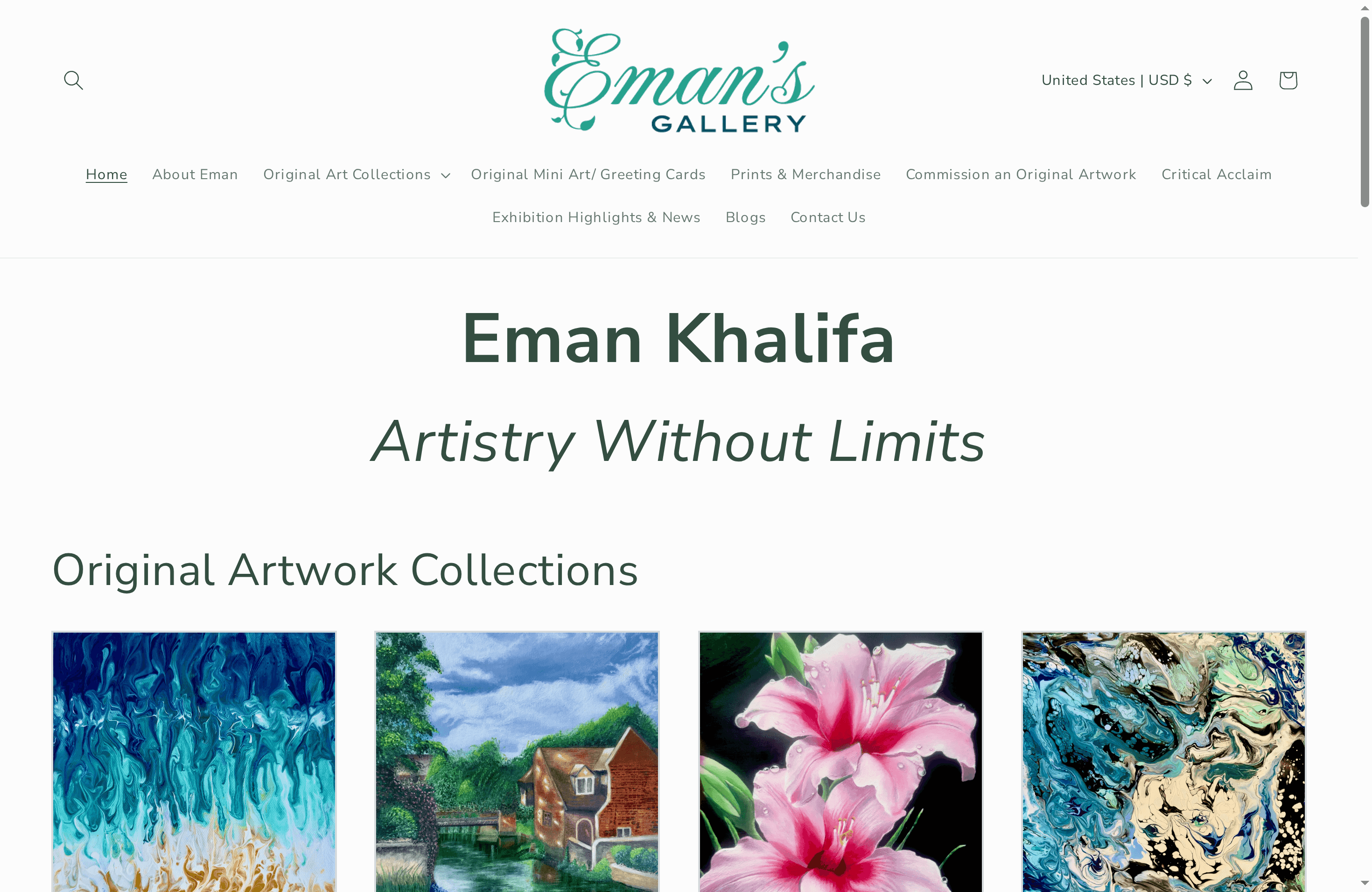
Experience the confidence that comes from buying directly from a trusted source where every artwork is museum quality and thoughtfully preserved. Take the next step toward curating a collection that balances personal passion with investment potential by exploring our exclusive curated selections at Eman’s Gallery. Your journey to owning exceptional original art begins here—don’t miss the opportunity to transform your collection today.
Frequently Asked Questions
How can I define my art collection goals and style?
To define your art collection goals and style, start by identifying the art movements or genres that resonate with you. Explore galleries, read about different periods, and document your preferences to create a cohesive narrative that reflects your personal aesthetic.
What are the steps to research artists and art movements effectively?
Research artists and art movements by investigating their backgrounds, understanding the historical context, and tracking the provenance of specific artworks. Use multiple resources such as artist directories and art reference books to gather comprehensive information on potential acquisitions.
How can I ensure that the art I buy is authentic?
To verify the authenticity of art, obtain detailed certificates of authenticity and track the complete history of the artwork. Consult expert appraisers if necessary, and keep a detailed record of its dimensions, inscriptions, and any relevant documentation.
What should I consider when balancing personal taste with investment potential in art?
When balancing personal taste with investment potential, choose artwork that you emotionally connect with while also researching the growth potential of emerging artists. Diversifying your collection and staying informed about market trends will help ensure both personal satisfaction and potential long-term value.
How do I preserve and display my art collection properly?
To preserve and display your art collection, use archival-quality framing materials and control the environmental conditions where your art is kept. Regularly rotate your artwork to prevent light damage, and maintain detailed documentation, including purchase dates and provenance details.
How can I build relationships within the art community?
Build relationships within the art community by attending gallery openings, artist talks, and local exhibitions. Engage with both artists and fellow collectors to share knowledge and discover unique artworks, transforming your collecting journey into a collaborative experience.
Recommended
- Art for Collectors Guide: Expert Insights and Strategies – Eman’s Gallery
- Art Collecting Terminology: Complete Guide for Enthusiasts – Eman’s Gallery
- 7 Expert Tips for Collecting Limited Edition Prints Wisely – Eman’s Gallery
- How to Store Art Prints Safely and Preserve Quality – Eman’s Gallery
Stay Connected
-
✨ Explore Eman Khalifa’s original art, fine art prints & art merchandise
-
📸 Follow Eman Khalifa’s art journey on: Instagram @emans_gallery and Facebook Eman’s Gallery
-
📹 Watch Eman Khalifa creating live art on: YouTube @emans_gallery
-
Supported by BabyLoveGrowth
