


Role of Art in Workspaces – Impact on Well-being
Over 80 percent of employees say that thoughtfully chosen workspace art makes them feel more valued and productive. Luxury interior designers in both British and American markets are recognizing that contemporary art does more than just decorate office walls. From vibrant abstract pieces to sleek geometric works, integrating curated art into modern offices can elevate aesthetics while nurturing creativity and promoting overall well-being among employees.
Table of Contents
- Defining The Role Of Art In Workspaces
- Art Styles For Modern Office Environments
- Enhancing Productivity And Employee Well-Being
- Reflecting Brand Identity Through Art
- Common Mistakes In Office Art Selection
Key Takeaways
| Point | Details |
|---|---|
| Role of Art | Artwork serves as a strategic design element that enhances employee well-being and stimulates creativity. |
| Impact on Productivity | Thoughtfully selected art can reduce stress and improve focus, contributing to overall workplace performance. |
| Alignment with Brand Identity | Art choices should reflect the organization’s values to create a cohesive visual narrative. |
| Common Selection Mistakes | Avoid random or overly corporate art; involve employees in the selection process for better resonance. |
Defining the Role of Art in Workspaces
Workspace art represents a strategic design element that transcends mere decoration, actively contributing to employee psychological and professional experiences. Creative workspace design transforms traditional office environments into dynamic landscapes that stimulate innovation, engagement, and personal well-being.
Art in professional settings serves multiple sophisticated functions. It functions as a visual communication tool that reflects organizational culture, stimulates cognitive processes, and creates sensory experiences that enhance mental performance. Research indicates that carefully curated artwork can reduce stress, increase creative thinking, and foster a sense of belonging among employees. Strategic art placement goes beyond aesthetic considerations, becoming an intentional intervention in workplace psychology.
The psychological impact of workplace art is profound and multidimensional. Spatial design research demonstrates that visual stimuli directly influence cognitive processes, emotional states, and interpersonal dynamics. Abstract paintings, geometric designs, and culturally resonant artworks can trigger different neurological responses, potentially boosting creativity, reducing mental fatigue, and creating environments that support collaborative interactions.
Pro tip: When selecting art for workspaces, prioritize pieces that reflect your organization’s values and create a sense of visual harmony while stimulating intellectual engagement.
Art Styles for Modern Office Environments
Modern office environments are increasingly embracing art styles that reflect dynamic organizational cultures and innovative workplace philosophies. Creative workspace design objectives emphasize the importance of selecting art that supports employee creativity, communication, and psychological well-being.
Contemporary art styles in professional settings span a diverse spectrum, ranging from minimalist geometric abstractions to vibrant digital and interactive installations. These artistic approaches are strategically curated to stimulate cognitive processes, encourage collaboration, and visually represent organizational values. Abstract expressionist pieces, with their complex color palettes and dynamic compositions, can create environments that inspire intellectual curiosity and emotional engagement. Geometric art styles, characterized by clean lines and precise forms, often resonate with technology-driven and analytical workplace cultures.
Emerging workspace art trends are pushing boundaries by incorporating cutting-edge digital and augmented reality art experiences. These innovative approaches transform traditional office environments into immersive creative landscapes that reflect technological advancement and progressive organizational thinking. Interactive digital art installations, augmented reality murals, and generative art pieces can create dynamic visual narratives that encourage innovation, spark conversations, and reflect the fluid nature of contemporary work environments.
Pro tip: Select art styles that authentically align with your organization’s culture, using visual aesthetics as a strategic tool for inspiring creativity and reinforcing workplace identity.
Here’s an overview of how different art styles impact modern office environments:
| Art Style | Workplace Impact | Best For | Visual Characteristics |
|---|---|---|---|
| Abstract Expressionism | Inspires emotional engagement | Creative agencies, media firms | Bold colors, dynamic compositions |
| Geometric Minimalism | Boosts focus and clarity | Technology companies, analytical teams | Clean lines, precise forms |
| Digital Interactive Art | Fosters innovation and engagement | Startups, progressive organizations | Moving images, responsive elements |
| Augmented Reality Murals | Promotes collaboration and dialog | Collaborative, future-oriented teams | Immersive, tech-driven visuals |
Enhancing Productivity and Employee Well-Being
Workplace art’s psychological impact extends far beyond aesthetic decoration, directly influencing employee motivation, creativity, and overall organizational performance. Strategic art integration serves as a powerful tool for creating environments that nurture mental health, stimulate cognitive processes, and promote positive workplace interactions.
The connection between art and productivity is multifaceted, involving complex psychological and neurological mechanisms. Colorful and thoughtfully selected artworks can reduce stress, improve mental focus, and create visual breaks that help employees refresh their cognitive resources. Abstract and dynamic art pieces can trigger creative thinking, while serene landscapes or geometric designs can provide calming visual anchors in high-intensity work environments. These visual stimuli help modulate emotional states, reducing workplace anxiety and promoting a more balanced, resilient mental approach to professional challenges.
Art’s role in workplace dynamics goes beyond individual psychological benefits, fostering collective engagement and organizational culture. Art installations can serve as powerful conversation starters, facilitate unexpected interactions between employees, and create shared visual experiences that transcend traditional communication barriers. By representing organizational values through carefully curated art collections, companies can strengthen team cohesion, communicate brand identity, and create a sense of collective purpose that extends beyond individual job roles.
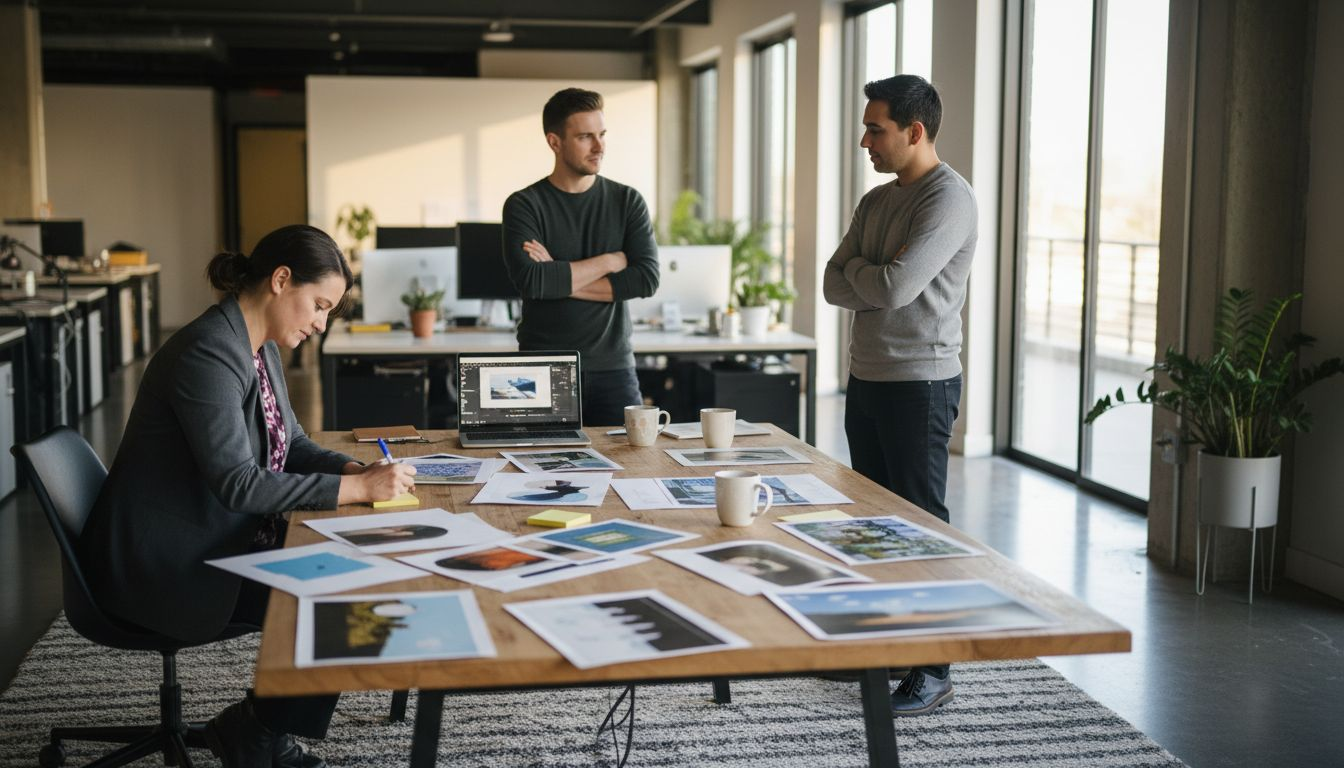
Pro tip: Rotate artwork periodically to maintain visual stimulation and engage employees in the selection process, transforming art from a passive background element into an active component of workplace culture.
Reflecting Brand Identity Through Art
Corporate art collections represent far more than decorative elements, functioning as powerful visual narratives that communicate an organization’s core values, mission, and cultural identity. These strategic artistic selections transform workspace environments into immersive brand experiences that engage employees and visitors alike, creating a tangible representation of the company’s unique philosophical and creative approach.
Artistic curation in professional settings enables organizations to craft nuanced visual languages that reflect their distinct organizational personality. By selecting artworks that align with specific color palettes, stylistic approaches, and thematic elements, companies can create cohesive visual environments that subtly reinforce brand messaging. Technology firms might choose minimalist geometric pieces that suggest innovation and precision, while creative agencies could opt for bold, experimental works that demonstrate imaginative thinking and unconventional problem-solving.
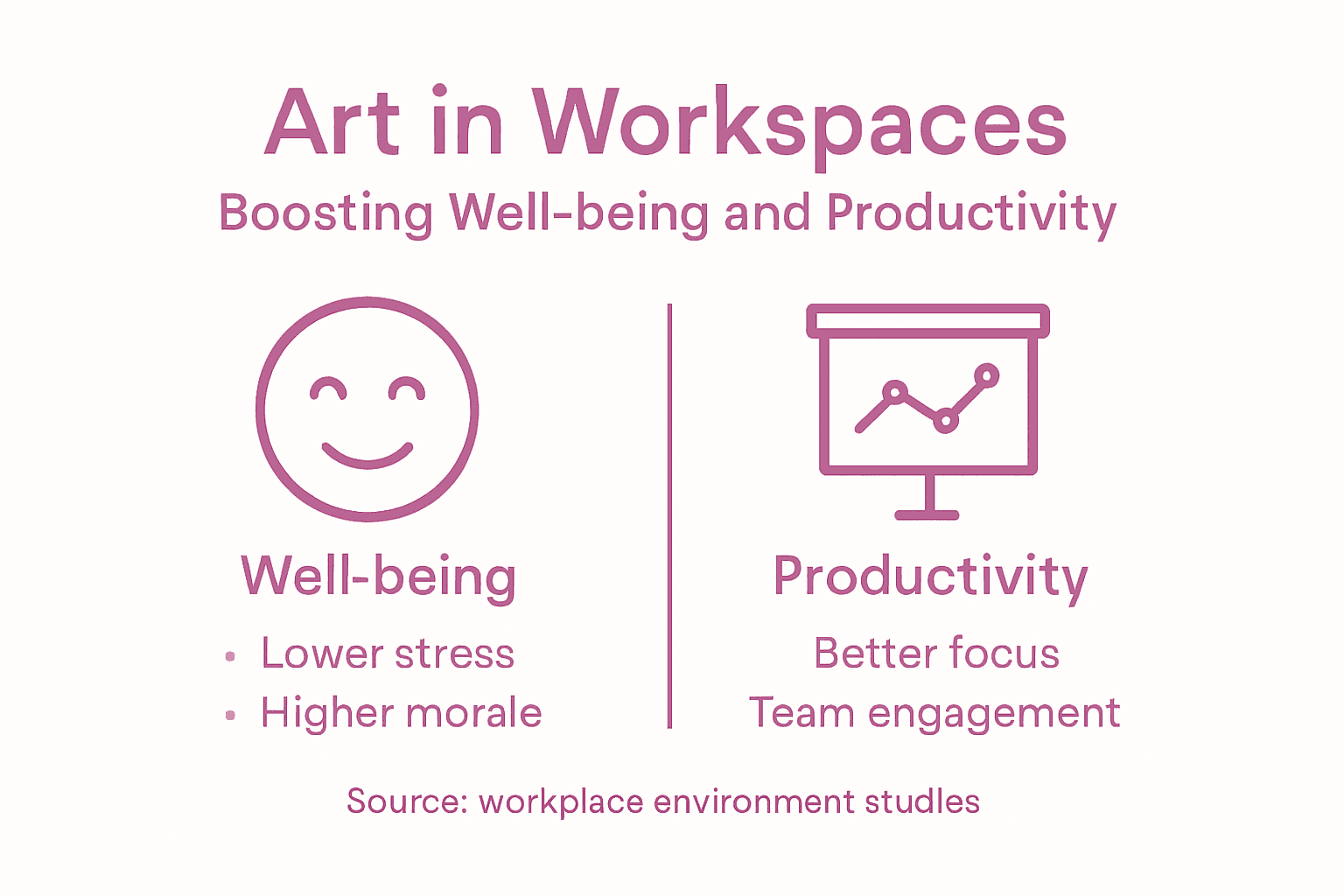
Art’s role in workplace branding extends beyond aesthetic considerations, serving as a sophisticated communication tool that bridges organizational culture with visual representation. Carefully selected art installations can communicate complex brand narratives, illustrate company values, and create emotional connections that transcend traditional corporate communication methods. These visual narratives help transform abstract corporate principles into tangible, experiential elements that employees and visitors can directly engage with and interpret.
Pro tip: Develop an art selection strategy that authentically represents your brand’s unique identity, involving employees in the curation process to create a more meaningful and collaborative workplace aesthetic.
Common Mistakes in Office Art Selection
Workspace art selection challenges often stem from a fundamental misunderstanding of art’s strategic role in professional environments. Organizations frequently approach art as a purely decorative element, overlooking its profound potential to influence employee psychology, creativity, and organizational culture. This superficial approach can transform potentially transformative artistic interventions into ineffective and disconnected visual elements.
One of the most critical errors in office art selection is the failure to align artwork with the organization’s unique identity and employee preferences. Companies might randomly select pieces that lack meaningful connection to their brand narrative or workplace dynamics, resulting in art that feels disconnected and inauthentic. Technology companies might inappropriately display traditional landscape paintings, while creative agencies could err by choosing overly corporate and sterile artwork that suppresses rather than stimulates creative energy.
Symbolic limitations in art selection reveal deeper organizational blind spots in understanding art’s transformative potential. Common mistakes include overcrowding spaces with artwork, selecting pieces without considering their psychological impact, and ignoring the critical relationship between art, workspace design, and employee well-being. These missteps can inadvertently create visual noise that distracts rather than inspires, ultimately undermining the intended positive effects of workplace art interventions.
Pro tip: Conduct employee surveys and collaborative art selection processes to ensure artwork resonates with your team’s creative spirit and organizational culture.
The following table summarizes common mistakes in office art selection and how to avoid them:
| Mistake | Business Consequence | Prevention Strategy |
|---|---|---|
| Ignoring brand alignment | Disconnected workplace culture | Involve branding in art selection |
| Lack of employee input | Lower engagement, missed impact | Survey staff for preferences |
| Overcrowded art displays | Visual noise, reduced creativity | Curate fewer, more meaningful pieces |
| Overly sterile selections | Stifled innovation | Balance professionalism with creativity |
Elevate Your Workspace Well-Being with Thoughtfully Curated Art
Creating a workspace that truly nurtures well-being and sparks creativity starts by addressing the challenge many organizations face: selecting art that aligns with company culture and enhances employee motivation. The article highlights how strategic art choices can reduce stress, boost focus, and foster collaboration through engaging visual stimuli. At Eman’s Gallery, we understand these needs deeply and offer a wide selection of original and premium canvas art prints designed to transform your professional environment.
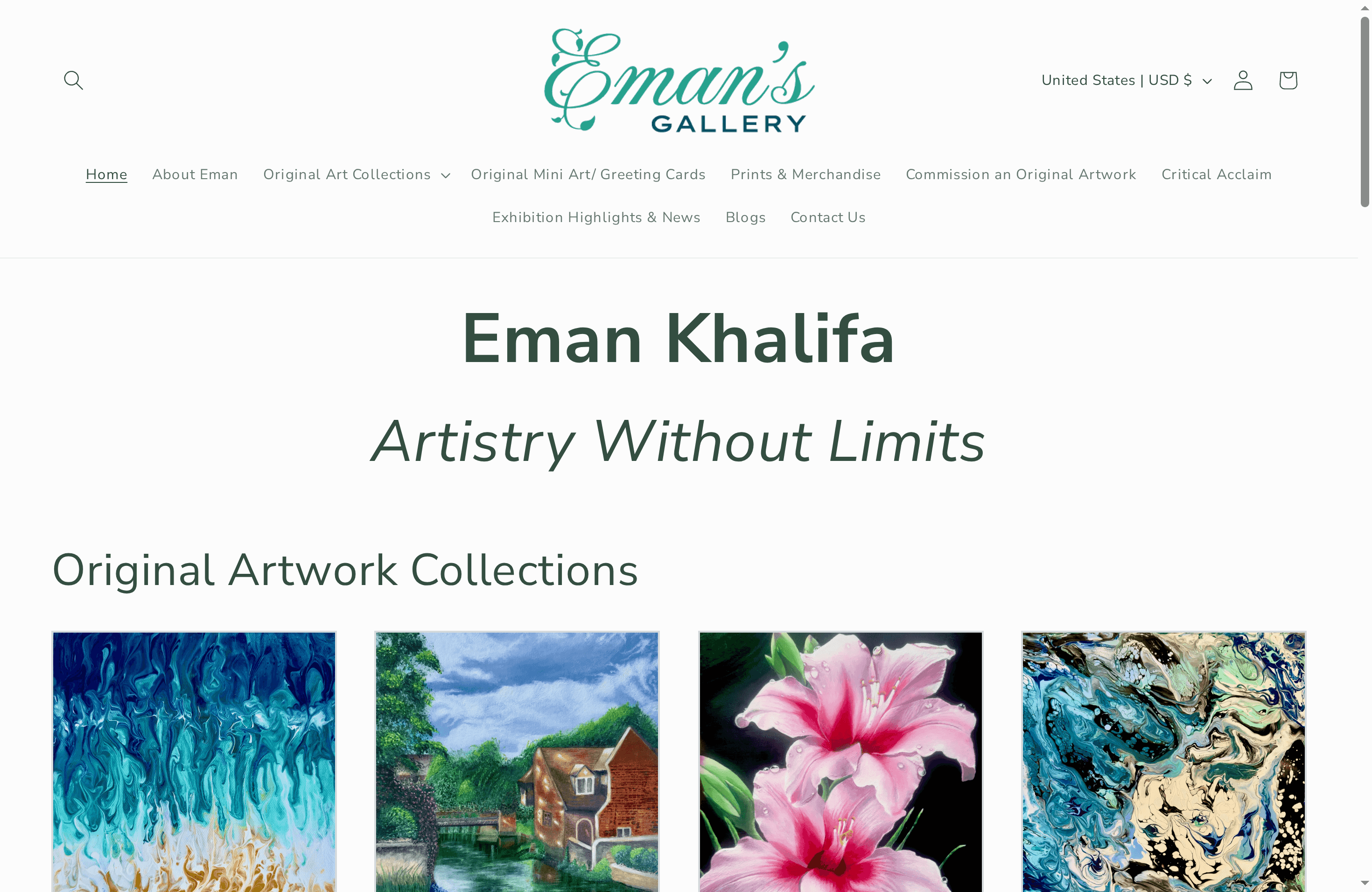
Discover unique pieces that resonate with your organization’s identity and invigorate your office atmosphere by exploring our collection of Canvas Art Prints by Eman Khalifa | Premium Giclée Wall Art. Bring dynamic energy and well-being to your workspace today with art that inspires meaningful connection. Visit Eman’s Gallery now and start building a creative environment that supports productivity and emotional balance. For a broader range of options, check out our carefully curated Art Prints on Canvas for Inspired Home Decor | Shop Unique Designs to find art solutions that speak directly to your team’s spirit.
Frequently Asked Questions
What is the role of art in enhancing workplace well-being?
Art in workspaces serves as a strategic design element that influences employee psychological experiences, reduces stress, enhances creativity, and fosters a sense of belonging, ultimately contributing to improved overall well-being.
How does artwork affect employee productivity?
Carefully selected artwork can boost productivity by reducing stress, enhancing focus, and providing visual breaks, which refresh cognitive resources and stimulate creative thinking.
What types of art styles are best for modern office environments?
Modern offices often benefit from various art styles, including abstract expressionism to inspire emotional engagement, geometric minimalism for clarity, and digital interactive art to foster innovation and collaboration.
How can companies select art that reflects their brand identity?
Organizations should choose art that aligns with their core values and mission, engaging employees in the curation process to create an authentic representation of the brand’s unique identity and culture.
Recommended
- Why Display Art at Home: Transforming Modern Spaces
- Why Art Matters – Impact on Culture and Wellbeing
- Complete Guide to Types of Art for Interiors – Eman’s Gallery
- Art and Interior Design Explained: Transforming Modern Spaces
Stay Connected
- ✨ Explore Eman Khalifa’s original art and fine art prints
- 📸 Follow Eman Khalifa’s art journey on: Instagram @emans_gallery and Facebook Eman’s Gallery
- 📹 Watch Eman Khalifa creating live art on: YouTube @emans_gallery
