


6 Key Qualities of Collectible Art for Savvy Buyers
Choosing the right statement art for your luxury space can feel overwhelming. With so many options, it’s tough to know what truly makes a piece valuable and worth collecting. You want art that not only transforms interiors but also stands the test of time—delivering aesthetic impact and investment potential for years to come.
The good news is there are clear factors that set collectible art apart. When you understand qualities like unique artistic vision, material integrity, and proven authenticity, you can make confident decisions and avoid costly mistakes. As you read on, you’ll discover practical insights that help you select art with lasting cultural relevance, value, and visual power.
Table of Contents
- 1. Unique Artistic Vision Sets Pieces Apart
- 2. High-Quality Materials Ensure Longevity
- 3. Strong Provenance Boosts Trust and Value
- 4. Renowned Artist Reputation Increases Appeal
- 5. Timeless Aesthetic Matches Luxury Spaces
- 6. Limited Editions Enhance Investment Potential
Quick Summary
| Takeaway | Explanation |
|---|---|
| 1. Unique artistic vision matters | Invest in original art reflecting distinct perspectives for lasting value. |
| 2. Quality materials ensure longevity | Choose artworks made from superior materials to protect your investment over time. |
| 3. Provenance boosts trust and value | Clear ownership history adds authenticity and enhances an artwork’s market value. |
| 4. Artist reputation increases appeal | Recognizable artists offer greater investment potential and maintain demand. |
| 5. Limited editions enhance investment potential | Scarcity of limited editions increases value, making them smarter investment choices. |
1. Unique Artistic Vision Sets Pieces Apart
What makes one painting worth collecting while another fades into obscurity? The answer lies in unique artistic vision. Collectors invest in pieces that reflect genuine originality and a distinct perspective that cannot be replicated or mass-produced.
Artistic vision is the unmistakable signature of an artist’s creative practice. It’s what happens when personal expression meets technical skill and a willingness to explore new territory. Rather than following established trends, artists with strong vision pursue their own creative paths, developing unconventional methods that set their work apart from the mainstream.
Artistic practices that integrate creative innovation demonstrate how originality drives the collectibility of contemporary art. When you acquire a piece from an artist with a distinctive voice, you’re investing in something that cannot be easily replicated or mass-produced.
Why collectors value unique artistic vision:
- Original perspective adds cultural significance and long-term investment appeal
- Distinctive style becomes instantly recognizable across the artist’s body of work
- Novel artistic methods create authentic emotional connections with viewers
- Unconventional approaches often appreciate in value as the artist gains recognition
When evaluating a piece, ask yourself: Does this reflect a personal viewpoint? Can you identify the artist’s distinct approach? Is there authenticity in how the work explores its subject matter?
Artists who develop their own visual language stand out in crowded markets. Interior designers purchasing statement pieces benefit greatly from this originality. A work with true artistic vision transforms a space in ways that generic or trend-chasing pieces simply cannot achieve.
Authentic artistic expression provides novel and culturally resonant perspectives that elevate both aesthetic and investment value.
Consider how unique artistic expression contributes to cultural impact across different contexts. Collectors who understand this principle make smarter acquisitions that stand the test of time.
Pro tip: Research the artist’s creative evolution rather than purchasing their work at face value. Look for consistent thematic interests and technical choices that demonstrate genuine vision developing over time, not random stylistic shifts chasing trends.
2. High-Quality Materials Ensure Longevity
A painting is only as good as the materials used to create it. Quality materials directly determine whether your investment will appreciate or deteriorate over decades. Collectors who understand material composition make smarter purchasing decisions that protect their investment long-term.
Artists select from various materials, and not all are created equal. Canvas quality, paint composition, pigment stability, and surface preparation all affect how a piece ages. When an artist invests in superior materials, they’re essentially guaranteeing that their work will maintain its aesthetic integrity and value.
The difference between archival-grade and standard materials is significant. Archival materials resist fading, cracking, and deterioration caused by environmental factors like light, humidity, and temperature fluctuations. Your piece will look vibrant and fresh decades from now when made with these premium options.
What to evaluate when assessing material quality:
- Canvas type and weight (heavier, museum-quality canvas lasts longer)
- Paint pigments and binders (lightfast pigments resist fading over time)
- Surface preparation and primer application (prevents deterioration from the ground up)
- Varnish or protective coatings (shields artwork from dust and UV exposure)
Conservation research shows that durable and stable materials preserve aesthetic integrity across generations. When selecting pieces for your collection, ask about the specific materials used and whether they meet conservation standards.
Interior designers benefit from understanding this too. Statement pieces created with quality materials maintain their visual impact longer, making them better investments for luxury spaces. A well-made artwork won’t fade or deteriorate, ensuring your interior design vision remains intact.
High-quality materials are the foundation of an artwork’s longevity and the protection of your investment’s value.
Recent advancements in materials science enhance art preservation through innovative protective substances. Some contemporary artists now incorporate these new technologies into their practice, extending the lifespan of their work beyond traditional methods.
Pro tip: Request documentation from the artist about the specific materials used, including paint brands and canvas suppliers. This information becomes valuable for conservation professionals and future collectors, and it demonstrates the artist’s commitment to creating lasting work.
3. Strong Provenance Boosts Trust and Value
Imagine buying a painting only to discover later that its ownership history is unclear or incomplete. Provenance is the documented record of who has owned a piece throughout its history. This single factor can make or break your confidence in an acquisition and significantly impact its market value.
Provenance answers the question: Where did this artwork come from? A clear ownership chain from creation to present day provides verified documentation that protects you against forgeries and gives you peace of mind. When you know exactly where a piece has been and who owned it, you’re making an informed investment.
Strong provenance directly influences how much collectors are willing to pay. An artwork with a well-documented history from respected collections or galleries commands higher prices than similar pieces with unclear backgrounds. The more prestigious the previous owners or exhibition history, the greater the value appreciation potential.
What strong provenance includes:
- Original purchase receipts and sales documentation
- Exhibition history in galleries or museums
- Records from previous collectors or institutions
- Authentication certificates from reputable sources
- Photographs and condition reports over time
Verified ownership documentation protects against forgeries and establishes confidence in your purchase. When evaluating contemporary art from galleries like Eman’s Gallery, clean provenance means the artist has complete records of the work from creation onward.
For interior designers selecting statement pieces for luxury spaces, provenance becomes increasingly important when client budgets are substantial. A work with strong historical significance or a noteworthy exhibition record justifies higher acquisition costs and adds another layer of appeal to interior schemes.
Provenance transforms art from an unknown quantity into a trustworthy investment with verified authenticity and cultural significance.
Research shows that provenance enriches artworks through authentic connection to historically significant collections and exhibitions. This cultural significance directly translates to stronger market performance and greater appeal to future collectors.
Pro tip: Always request complete provenance documentation before purchasing contemporary art. Even newer works from living artists should have clear records from the studio or gallery, establishing a clean ownership chain that protects your investment and makes future resale significantly easier.
4. Renowned Artist Reputation Increases Appeal
Would you rather buy from an unknown artist or someone whose work is recognized globally? Artist reputation matters tremendously in the collectible art market. A renowned artist’s name alone can determine whether a piece appreciates or stagnates in value.
Reputation is built over years through consistent quality, exhibition history, peer recognition, and cultural impact. When collectors see a name they recognize, they feel confident in their purchase. That confidence translates into demand, which drives prices upward and makes pieces more desirable across the market.
Established artists benefit from sustained market appeal that newer artists simply cannot match. Their work sells faster, attracts serious collectors, and maintains value through economic cycles. When you invest in a renowned artist, you’re betting on a proven track record.
How does reputation develop? Through multiple pathways that reinforce each other:
- Museum exhibitions and acquisitions by major institutions
- Recognition from peer artists and critics in the art community
- Consistent presence in gallery showings and auction results
- Media coverage and features in respected art publications
- Collections held by prominent collectors and institutions
Artist prestige and status within networks significantly influence market demand and auction performance. When an artist associates with prestigious galleries, museums, or other high-status artists, their reputation grows exponentially.
For interior designers and collectors, choosing artists with established reputations reduces risk substantially. A piece by a recognized contemporary artist is easier to insure, maintain, and eventually sell. The investment protection alone makes reputation a critical evaluation factor.
Renowned artists achieve sustained market appeal and cultural significance that translates directly into higher investment value and long-term appreciation potential.
Consider that artist recognition influences collectible art desirability and investment potential globally. An artist gaining recognition through major exhibitions or critical acclaim sees their work appreciate more rapidly than lesser-known peers creating similar quality pieces.
This doesn’t mean only established names are worth collecting. Emerging artists with strong exhibition records and peer recognition can offer excellent value. But understanding reputation’s role helps you make strategic decisions aligned with your investment timeline and risk tolerance.
Pro tip: Research an artist’s exhibition history and institutional affiliations before purchasing. Check museum collections, gallery representation across multiple countries, and critical reviews in established art publications to assess their reputation trajectory and investment potential.
5. Timeless Aesthetic Matches Luxury Spaces
Trends fade, but timeless beauty endures. Timeless aesthetics in art are the opposite of fleeting fashion statements. They anchor luxury spaces with elegance that transcends decades, making them smart investments that appreciate rather than depreciate as tastes shift.
What separates timeless art from trendy pieces? Timeless works embody universal principles like balance, harmony, and refined simplicity. They resonate across cultures and generations because they tap into something fundamental about human appreciation for beauty. A timeless piece looks as relevant today as it will in ten years.
Luxury spaces demand permanence. When you’re investing in high-end interiors, you want art that won’t feel dated next season. Timeless pieces maintain their appeal regardless of what’s currently fashionable, protecting your design investment and ensuring your space remains sophisticated indefinitely.
Characteristics of timeless art:
- Refined color palettes that harmonize with various design schemes
- Composition based on enduring design principles rather than passing trends
- Quality materials that age beautifully without degrading
- Subject matter with universal rather than momentary appeal
- Clarity and elegance that improves with familiarity
Timeless design uses cultural contextualization and adaptable approaches to ensure lasting beauty and relevance. This applies directly to collectible art that functions as both investment and interior element.
For interior designers selecting pieces for luxury homes, timeless aesthetics solve a fundamental problem. You can confidently recommend artwork knowing it will enhance the space for years without requiring updates or replacements. This reliability builds client trust and elevates your design credibility.
Timeless aesthetics create spaces that resonate universally, offering lasting elegance and enduring cultural relevance ideal for luxury environments.
When you choose art that transforms modern luxury spaces, prioritize pieces with timeless qualities over those following current trends. Contemporary artists who draw from classical principles create work that feels both current and enduring.
The investment advantage is clear. Trendy art often depreciates when fashion shifts. Timeless pieces maintain steady value because they appeal to collectors across different eras and design movements.
Pro tip: Evaluate potential art purchases by imagining them in your space five, ten, and twenty years from now. If the piece still feels relevant and beautiful without the supporting context of current trends, it possesses genuine timeless qualities worth the investment.
6. Limited Editions Enhance Investment Potential
Imagine owning one of only fifty pieces created by an artist versus a print run of thousands. Limited editions create scarcity, and scarcity drives value. This fundamental economic principle makes limited edition art one of the smartest collectible investments available.
When production is restricted, demand naturally increases. Collectors compete for access to scarce pieces, pushing prices upward over time. An original artwork or limited edition print becomes increasingly valuable as the remaining pieces enter collections and become unavailable.
Scarcity alone doesn’t guarantee value. The piece must also have artist reputation, authentic documentation, and proper certification. These factors combined create a powerful investment profile that outperforms broader art market indices.
Why limited editions outperform unlimited releases:
- Restricted supply creates natural demand pressure
- Numbered editions provide verifiable scarcity documentation
- Collectors perceive higher exclusivity and prestige
- Resale values typically appreciate more consistently
- Lower production numbers reduce market flooding
Limited edition art portfolios demonstrate superior risk-return performance compared to unrestricted releases. Authentication and proper documentation transform limited editions into confident investments protected by verifiable scarcity.
For collectors and interior designers, limited editions offer tangible advantages. You’re not just buying beautiful art. You’re acquiring something finite that becomes increasingly scarce as years pass and pieces enter permanent collections.
Limited editions authenticated and properly documented provide collectors with enhanced confidence and superior long-term investment value in global art markets.
Consider purchasing limited edition prints with proper documentation from galleries that maintain complete records. Artists who number their editions (like “1 of 50”) demonstrate commitment to maintaining scarcity and protecting collector value.
The math is compelling. If an artist creates one thousand unlimited prints, each individual piece competes with all others for collector attention. If the same artist creates fifty numbered prints, each piece becomes increasingly precious as it’s held or sold.
This doesn’t mean limited editions are always expensive upfront. Emerging artists often offer limited editions at accessible price points. Smart collectors recognize that today’s affordable limited edition from a talented artist may become tomorrow’s high-value piece.
Pro tip: Always verify edition numbers and request certificates of authenticity before purchasing limited editions. Request documentation showing the total print run, authentication details, and the artist’s commitment to not reproducing the edition in different formats or materials.
Below is a comprehensive table summarizing the key concepts discussed in the article regarding factors that enhance art collectibility and value.
Discover Art That Embodies the 6 Key Qualities Every Collector Values
Navigating the collectible art world can be challenging when seeking unique artistic vision, high-quality materials, strong provenance, renowned reputation, timeless aesthetics, and limited editions. These essential qualities ensure your investment not only delivers emotional impact but also long-term value and authenticity. At Eman’s Gallery, we understand this well. Our collection of original handmade paintings and museum-quality prints by Artist Eman Khalifa reflects these exact qualities that savvy buyers demand.
Whether you are an art collector, interior designer, or luxury homeowner looking to enhance your space with statement pieces that stand the test of time, explore our curated selection. Experience artworks created with impeccable craftsmanship and clear provenance that offer exclusivity through limited editions.
Enrich your collection today with pieces that marry creativity and lasting appeal from a gallery committed to superior standards and worldwide shipping.
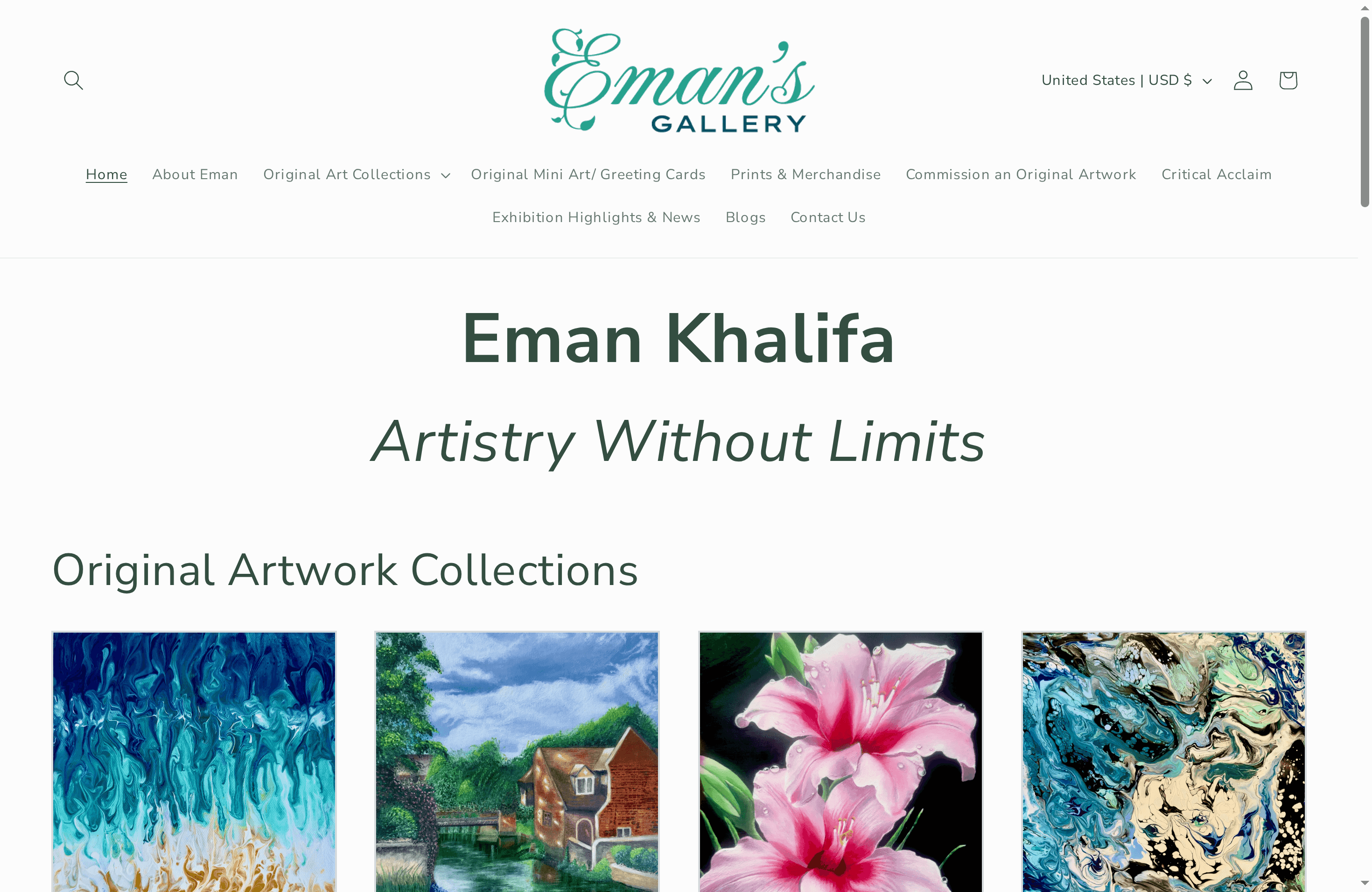
Elevate your space and investment by browsing original artworks and exclusive prints at Eman’s Gallery. Begin your journey with confidently authenticated art designed to captivate and endure. Visit us now to find your next timeless masterpiece.
Frequently Asked Questions
What is unique artistic vision in collectible art?
Unique artistic vision refers to an artist’s original perspective and creative approach that sets their work apart. To assess this, evaluate if the piece reflects personal viewpoints and explore the artist’s distinctive style and methods.
How do high-quality materials affect the value of collectible art?
High-quality materials ensure the longevity and aesthetic integrity of a piece, making it a smart investment. Examine details like canvas type and paint composition to verify that the artwork is made with materials that resist deterioration over time.
Why is provenance important when buying art?
Provenance is the documented history of an artwork’s ownership, which establishes authenticity and can significantly impact value. Always request complete provenance documentation before purchasing to ensure you are making a secure investment.
How does an artist’s reputation influence collectible art prices?
An established artist’s reputation can drive demand and price appreciation for their work. Research the artist’s exhibition history and recognition within the art community to gauge potential future value before making a purchase.
What characteristics define timeless aesthetics in art?
Timeless aesthetics in art embody universal principles such as balance and harmony, ensuring their relevance across different eras. When selecting art, prioritize pieces that show these qualities to maintain their appeal in luxury spaces over time.
How do limited editions enhance the investment potential of art?
Limited editions create scarcity, which can lead to increased demand and investment value over time. Verify edition numbers and authenticity before purchasing to ensure you are acquiring a piece that stands out in the market.
Recommended
- 7 Art Collector Tips for Valuable Collections - Eman’s Gallery
- 7 Collectible Art Examples Every Collector Should Know
- 7 Key Art Investment Benefits for Collectors and Homeowners
- Art Collector Insights & Strategies Guide - Eman’s Gallery
Stay Connected
- ✨ Explore Eman Khalifa’s original art and fine art prints
- 📸 Follow Eman Khalifa’s art journey on: Instagram @emans_gallery and Facebook Eman’s Gallery
- 📹 Watch Eman Khalifa creating live art on: YouTube @emans_gallery
