


What is illustration art: A 2026 guide for enthusiasts
Many people dismiss illustration art as simple drawing or cartoons, missing its sophisticated role in visual storytelling. Illustration art combines technical skill with purposeful communication, creating works that inform, persuade, and inspire across editorial, commercial, and fine art contexts. This guide explores what defines illustration art, the creative process behind it, how it differs from traditional fine art, and practical strategies for appreciating and collecting these compelling works in 2026.
Table of Contents
- What Is Illustration Art? Definition And Core Purpose
- The Creative Process Behind Illustration Art: Methods And Tools
- Nuances And Evolving Borders: Illustration Art Vs. Fine Art And AI Impact
- Practical Guide: Appreciating And Collecting Illustration Art In 2026
- Explore Original Illustration-Inspired Art At Eman’s Gallery
- Frequently Asked Questions
Key takeaways
| Point | Details |
|---|---|
| Definition and purpose | Illustration art visually communicates ideas or stories with clear intent, distinguishing itself from fine art through its communicative function. |
| Creative process | Illustrators follow five stages: concept development, thumbnails, rough sketches, final artwork, and digital refinement, often requiring 8 to 20 hours per piece. |
| Evolving boundaries | Illustration overlaps with fine art and scientific illustration while AI tools assist but don’t replace human creativity and authenticity. |
| Collecting strategies | Focus on mid-career artists through trusted directories, research provenance, and explore growth areas like video game concept art. |
What is illustration art? Definition and core purpose
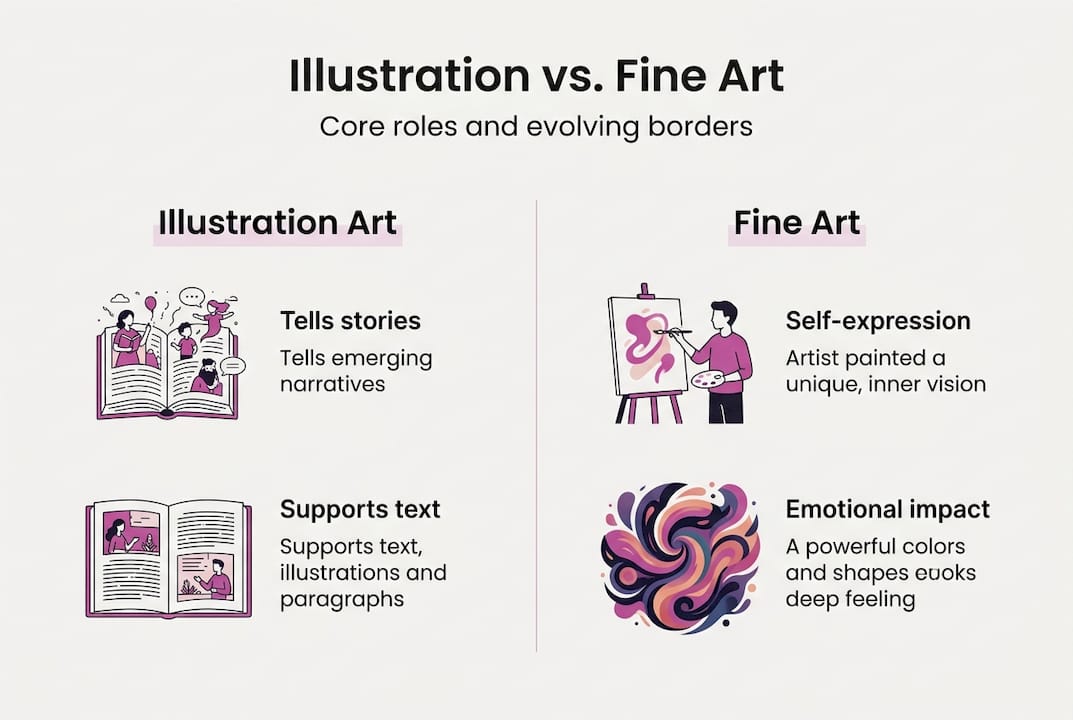
Illustration art is a visual representation created to convey ideas, stories, concepts, or enhance text, distinguishing it from fine art by its communicative, purpose-driven intent. Unlike fine art, which often exists for aesthetic or conceptual expression alone, illustration serves a specific function whether explaining complex ideas, supporting narratives, or persuading audiences. This functional nature doesn’t diminish its artistic merit. Many illustration works demonstrate exceptional technical skill, creative vision, and emotional depth that rivals any contemporary art piece.
The scope of illustration art extends across multiple domains. Editorial illustration accompanies articles and opinion pieces, translating abstract concepts into visual metaphors readers can grasp instantly. Advertising illustration captures attention and communicates brand messages with memorable imagery. Book illustration brings stories to life, creating visual worlds that enhance reader experience. Concept art for films and games establishes visual direction for entire creative projects. Each application demands different skills but shares the core principle of purposeful visual communication.
What makes illustration art particularly valuable is its dual nature. While created to serve specific communicative goals, the best illustration transcends its original purpose to become standalone artwork. A magazine illustration might initially support an article, but collectors prize it decades later for its artistic qualities. This intersection of function and aesthetics creates unique opportunities for art enthusiasts seeking works with both narrative depth and visual appeal.
Common forms of illustration art include:
- Editorial illustration for magazines, newspapers, and digital publications
- Advertising and commercial illustration for brands and marketing campaigns
- Book illustration spanning children’s books, graphic novels, and literary works
- Concept art for entertainment industries including film, television, and gaming
- Technical and scientific illustration requiring precision and clarity
The distinction between illustration and pure fine art lies primarily in intent rather than quality or technique. An illustrator might use the same materials and demonstrate identical technical prowess as a fine artist, but their work answers a brief or solves a communication problem. This purposeful creation process shapes everything from composition choices to color palette selection, ensuring the final piece serves its intended audience effectively.
The creative process behind illustration art: methods and tools
Creating compelling illustration art follows a structured yet flexible process that balances creative vision with client needs or project requirements. Key methodologies include concept development, thumbnails, rough sketches, revisions, and final artwork using traditional or digital tools. Understanding this process helps collectors appreciate the time investment and skill required for quality illustration work.
The journey begins with concept development and research. Illustrators study the subject matter, gather visual references, and explore different approaches to communicating the core message. For a children’s book about ocean life, this might involve researching marine biology, studying underwater photography, and sketching various sea creatures. This research phase ensures accuracy and authenticity, building a foundation for all subsequent work.
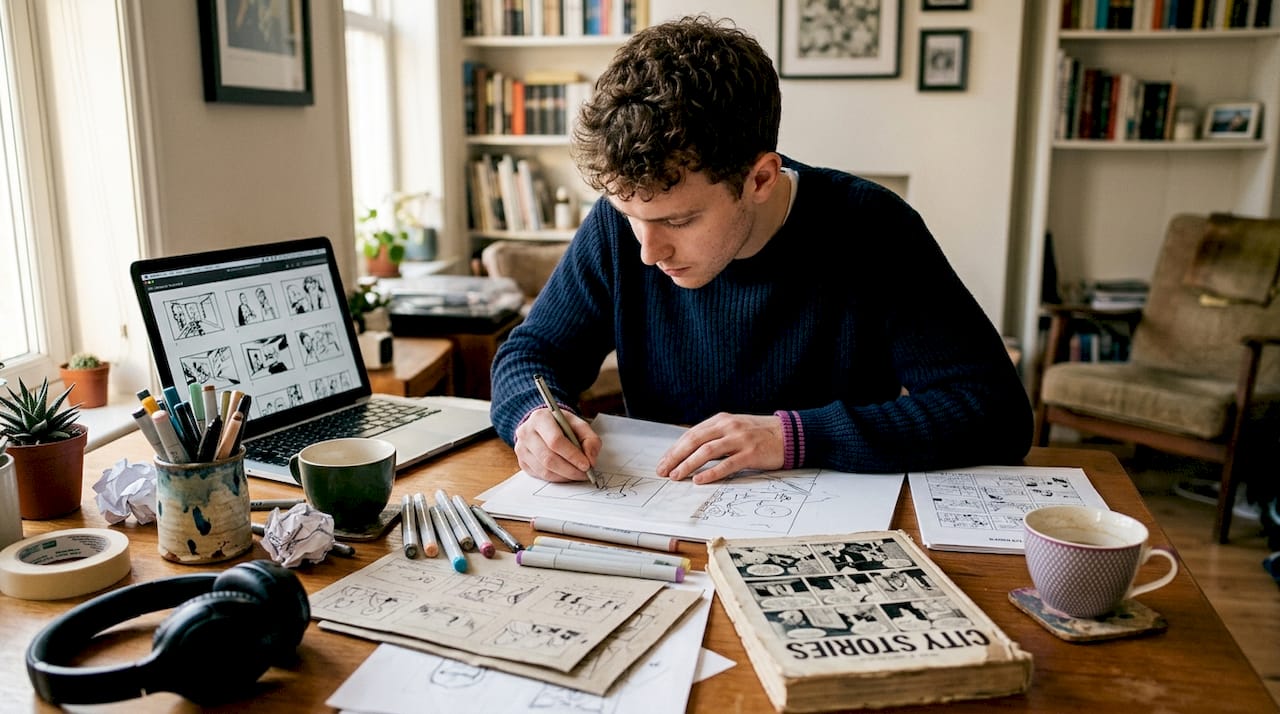
Next comes thumbnailing and storyboarding, where illustrators create small, quick sketches exploring different compositions and visual approaches. These thumbnails test ideas rapidly without committing significant time to any single direction. For projects involving multiple illustrations like books or editorial series, storyboards map out how individual pieces work together as a cohesive visual narrative. This stage proves critical for identifying potential issues before investing hours in detailed work.
The rough sketch phase refines chosen concepts into more detailed drawings. Illustrators establish composition, figure placement, perspective, and overall visual flow. Clients or art directors typically review these roughs, providing feedback that shapes the final direction. This collaborative revision process ensures the illustration meets both artistic standards and communication objectives, preventing costly changes later in production.
Final artwork creation brings the approved rough to completion using chosen media. Traditional illustrators might work with pencils, ink, watercolor, gouache, or oil paints, each medium offering distinct visual qualities. Digital illustrators use software like Adobe Photoshop, Procreate, or Clip Studio Paint, which provide flexibility for revisions and color adjustments. Many contemporary illustrators blend both approaches, creating hand-drawn base artwork then scanning and enhancing digitally.
Digital refinement completes the process, even for traditionally created work. Illustrators adjust colors, clean up details, and prepare files for reproduction across different media. This stage ensures the illustration reproduces accurately whether printed in books, displayed on screens, or used for merchandise. Creating a 32-page children’s book often takes 3 to 6 months, with individual illustrations requiring 8 to 20 hours depending on complexity and detail level.
Pro Tip: Invest time in thorough storyboarding before creating final artwork. This upfront planning prevents major revisions later, saving both time and creative energy while ensuring your home gallery curation includes cohesive, well-planned pieces.
Nuances and evolving borders: illustration art vs. fine art and AI impact
The boundary between illustration and fine art has always been permeable, with many artists working fluidly across both domains. Fine art illustration exists in this liminal space, created with illustrative techniques but intended primarily for gallery exhibition rather than commercial reproduction. Artists like Norman Rockwell and N.C. Wyeth created works that functioned as both commercial illustration and collectible fine art, commanding respect in museums and auction houses.
Scientific and medical illustration represents another specialized niche where accuracy trumps aesthetic concerns, yet artistic skill remains essential. These illustrators must render anatomical structures, biological processes, or technical mechanisms with absolute precision while making complex information visually accessible. The best scientific illustration achieves both goals, creating images that inform specialists while engaging general audiences. This specialized field requires deep subject knowledge combined with exceptional drawing ability.
AI tools are reshaping illustration creation but haven’t replaced human artists. Approximately 43% of illustrators now use AI assistance for tasks like generating reference images, exploring color schemes, or creating background elements. However, AI-generated imagery lacks the intentionality, cultural understanding, and emotional nuance that human illustrators bring to their work. Collectors and art directors still value human-created illustration for its authenticity and the unique perspective each artist contributes.
Interestingly, human imperfection enhances rather than diminishes illustration art’s value. The slight variations in hand-drawn lines, unexpected color choices, and personal style quirks create visual interest and authenticity that perfectly rendered AI images often lack. These human touches build trust and emotional connection with viewers, making illustration more effective at its core communication purpose. As AI tools become more prevalent, the distinctly human qualities in illustration may become even more valuable to collectors seeking authentic artistic expression.
| Feature | Illustration Art | Fine Art | Scientific Illustration |
|---|---|---|---|
| Primary purpose | Visual communication and storytelling | Aesthetic and conceptual expression | Accurate information conveyance |
| Client involvement | High, with briefs and revisions | Low, artist-directed | Very high, technical accuracy required |
| Reproduction intent | Often created for mass reproduction | Typically one-of-a-kind originals | Created for educational/technical publications |
| Subject matter | Varied, driven by project needs | Artist’s personal vision | Specific technical or scientific subjects |
| Market value | Based on artist reputation and application | Based on artistic merit and provenance | Based on accuracy and educational value |
The distinction between these categories matters less than understanding what draws you to specific works. An editorial illustration might speak to you more powerfully than a gallery painting, while a scientific illustration’s precision could offer unexpected aesthetic pleasure. Appreciating illustration art means recognizing that purposeful creation doesn’t diminish artistic value. In fact, the constraint of serving a specific communication goal often pushes illustrators toward more innovative visual solutions than they might explore without such parameters.
Pro Tip: When valuing art prints, consider whether the work was created as original illustration art or fine art, as this affects both market value and collectibility. Original illustration commissioned for specific publications often carries historical significance beyond its aesthetic appeal.
Understanding these nuances helps collectors make informed decisions and appreciate the full context of works they acquire. The overlap between illustration and fine art creates exciting opportunities to discover undervalued artists whose illustration work deserves recognition alongside traditional fine art.
Practical guide: appreciating and collecting illustration art in 2026
Building an illustration art collection requires different strategies than collecting traditional fine art, though the fundamental principles of research, authentication, and personal taste still apply. Focus on mid-career illustrators who have established reputations but haven’t yet reached peak market prices. These artists often produce technically accomplished work at more accessible price points than either emerging artists with inflated hype or established masters commanding premium prices.
Trusted illustration directories provide excellent starting points for discovery. The Society of Illustrators maintains comprehensive artist databases and hosts exhibitions showcasing contemporary illustration talent. Online platforms like Behance and ArtStation allow you to explore portfolios across thousands of illustrators, filtering by style, medium, and subject matter. Gallery representation matters less in illustration than fine art, as many successful illustrators sell directly to collectors or through specialized illustration galleries.
Market trends in 2026 show particularly strong growth in video game concept art and illustration for self-published books. US median illustrator income reached $58,370 per year, while demand in video game concept art grew 14% as the gaming industry expanded. Self-published authors spent $1.2 billion on illustrations in 2023, creating robust demand for book illustrators across all genres. These trends suggest where collecting opportunities and value appreciation potential currently exist.
| Metric | 2026 Data | Implication for Collectors |
|---|---|---|
| Median illustrator income | $58,370/year | Sustainable career supports consistent output |
| Video game concept art demand growth | +14% | Strong market for this illustration category |
| Self-publishing illustration spending | $1.2B in 2023 | Robust demand creates collecting opportunities |
| Illustrators using AI tools | 43% | Human-only work may gain premium value |
Identifying valuable illustration involves assessing both artistic merit and market factors. Look for distinctive personal style that sets an artist apart from peers. Technical proficiency matters, but unique vision and consistent quality across a body of work indicate long-term collecting potential. Consider the illustration’s original context and whether it has historical or cultural significance beyond its aesthetic qualities. Original artwork created for landmark publications or groundbreaking campaigns often appreciates substantially over time.
Avoid common pitfalls when starting your collection:
- Buying solely based on current trends without considering personal connection to the work
- Neglecting to verify authenticity and provenance, especially for vintage illustration
- Overlooking condition issues that affect value, particularly for works on paper
- Failing to research an artist’s career trajectory and market presence before investing significantly
- Ignoring proper framing and conservation for works on paper, which deteriorate without protection
Pro Tip: Before purchasing any illustration art, research both the artist’s professional reputation and the work’s provenance. Original illustration from significant publications carries historical value, while personal commissions may lack the context that enhances collectibility. Understanding these distinctions helps you make purchases aligned with your collecting goals and investment strategy.
The reasons art increases in value apply equally to illustration, with artist reputation, scarcity, and cultural significance driving appreciation. However, illustration art offers unique advantages for new collectors. Lower entry prices compared to fine art allow you to build a substantial collection while developing your eye and understanding market dynamics. The narrative content in illustration also makes collections more accessible to visitors who might find abstract fine art challenging to engage with.
Exploring contemporary realism alongside illustration art reveals interesting parallels in how artists balance representation with personal vision. Both approaches value technical skill and clear communication while leaving room for individual artistic expression. This overlap creates opportunities to build cohesive collections that span illustration and fine art without jarring stylistic jumps.
As you develop your collection, document your purchases thoroughly. Maintain records of purchase price, artist information, provenance details, and any exhibition history. This documentation proves essential for insurance purposes and substantially affects resale value should you later decide to sell pieces. The time invested in proper record keeping pays dividends throughout your collecting journey, protecting both your financial investment and the historical integrity of the works you acquire.
Explore original illustration-inspired art at Eman’s Gallery
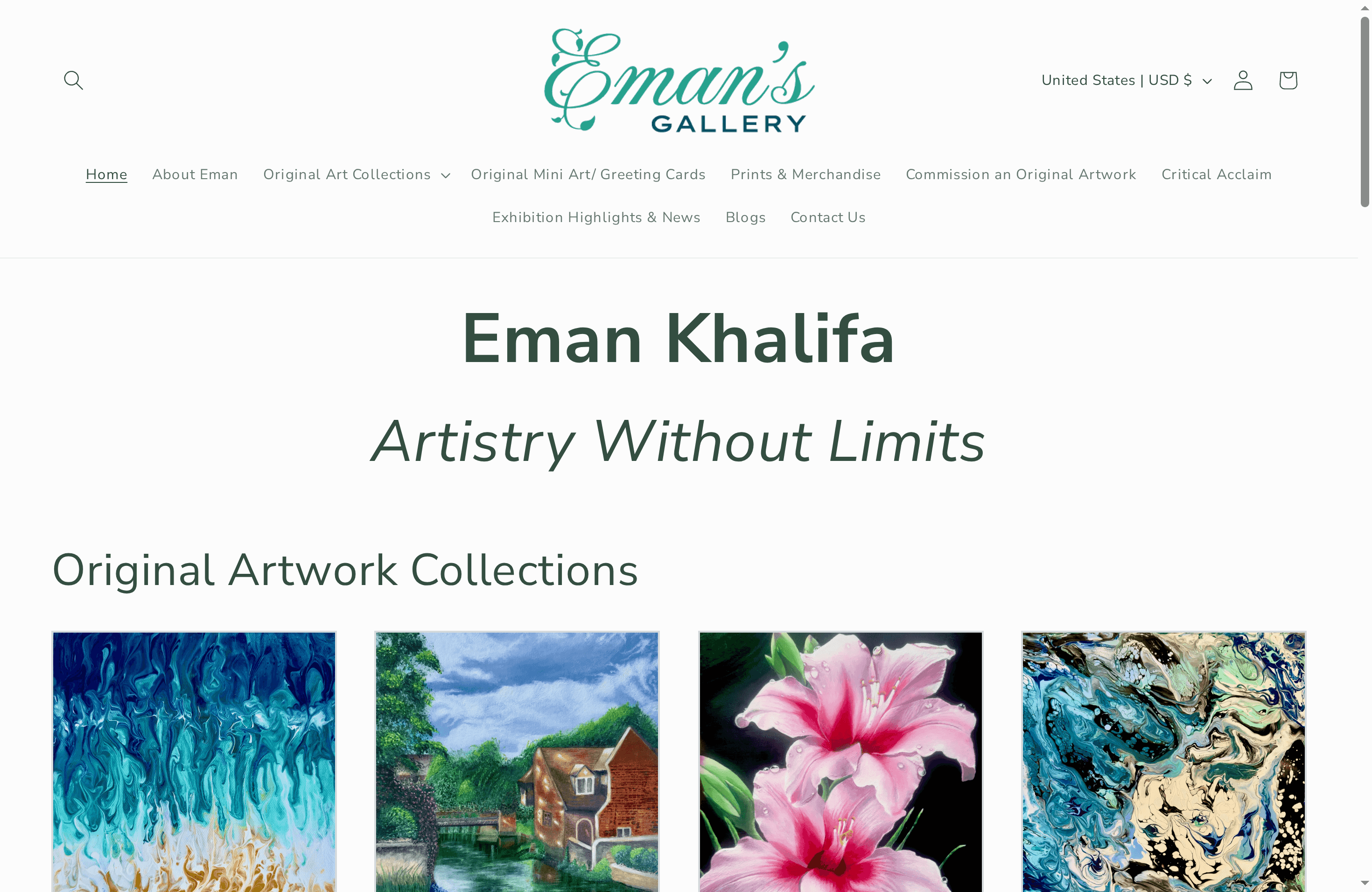
If this exploration of illustration art has sparked your interest in collecting works that blend narrative power with visual beauty, Eman’s Gallery offers carefully curated options for discerning collectors. Our collection features original paintings that embody the illustrative tradition’s emphasis on clear visual communication while maintaining the aesthetic sophistication contemporary art enthusiasts expect. Works like Good Tidings and Nocturned demonstrate how contemporary artists continue illustration art’s legacy of purposeful, engaging visual storytelling.
Whether you’re beginning your collecting journey or expanding an established collection, we provide museum-quality canvas prints and one-of-a-kind originals suitable for both personal enjoyment and long-term investment. Each piece in our collection reflects the same commitment to technical excellence and meaningful visual communication that defines the best illustration art across history.
Frequently asked questions
What is the difference between illustration art and fine art?
Illustration art serves primarily communicative purposes, created to convey specific ideas, support narratives, or solve visual communication problems for clients or publications. Fine art typically exists for aesthetic and conceptual expression, driven by the artist’s personal vision rather than external briefs. However, these categories overlap significantly, with many artists working across both domains and some illustration achieving fine art status through exceptional artistic merit.
How long does it typically take to create an illustration artwork?
Time investment varies dramatically based on project complexity, detail level, and medium choice. Creating a 32-page children’s book illustration project takes 3 to 6 months, with individual final illustrations requiring 8 to 20 hours depending on technique and revision needs. Single editorial illustrations might take several days, while complex concept art for films can demand weeks of development.
Can illustration art be considered a good investment?
Illustration art offers compelling investment potential, particularly when focusing on mid-career artists with established reputations and distinctive styles. Original illustration from significant publications or cultural moments often appreciates substantially as those works gain historical importance. The key is researching artist career trajectories, verifying authenticity and provenance, and collecting works that demonstrate both technical excellence and cultural relevance beyond their original commercial context.
How can I start collecting illustration art as a beginner?
Start by exploring directories like Society of Illustrators and focus on mid-career artists for better investment potential while building your knowledge and taste. Attend illustration exhibitions, follow artists on portfolio platforms, and study how different illustrators approach similar subjects to develop your aesthetic preferences. Research artist reputation and work provenance before making significant purchases, and consider starting with prints or smaller original works while learning market dynamics. Understanding the benefits of collecting contemporary art helps frame realistic expectations for your illustration collecting journey.
Recommended
- Art Collector Insights & Strategies Guide - Eman’s Gallery
- Why art increases in value: guide for collectors 2026
- What Makes Art Original: Complete Guide for 2025 - Eman’s Gallery
- What is art curation: a complete 2026 guide
- Understanding Experimental Illustration Techniques for Art Lovers – The Mansion Press
Stay Connected
- ✨ Explore Eman Khalifa’s original art, fine art prints & art merchandise
- 📸 Follow Eman Khalifa’s art journey on: Instagram @emans_gallery and Facebook Eman’s Gallery
- 📹 Watch Eman Khalifa creating live art on: YouTube @emans_gallery
