


Why art increases in value: guide for collectors 2026
The global art market is worth over $2 trillion, attracting serious collectors and investors worldwide. Many believe art value is unpredictable and purely subjective, leaving potential buyers confused about how to assess quality investments. This guide clarifies the concrete factors that drive art appreciation over time, revealing how certain artworks consistently increase in value while others stagnate. Understanding these principles helps you make informed decisions when building a valuable collection.
Table of Contents
- How Art Value Is Assessed: Understanding The Market
- Key Factors Driving Increases In Art Value
- The Role Of Market Dynamics And Buyer Behavior
- Historical Examples: Learning From Iconic Works And Artists
- Explore Original Art Collections At Eman’s Gallery
Key takeaways
| Point | Details |
|---|---|
| Market structure | Art markets divide into primary sales and secondary resales, with auctions providing objective value benchmarks. |
| Core value drivers | Artist reputation, scarcity, provenance, and institutional validation directly impact price appreciation. |
| Market dynamics | Buyer anticipation and speculation influence prices, though transaction costs create friction compared to traditional assets. |
| Historical evidence | Basquiat’s works increased 519% since 2009, demonstrating how emerging artists become investment opportunities. |
| Collector strategy | Early investment in quality original works from emerging artists offers highest appreciation potential. |
How art value is assessed: understanding the market
The art market divides into primary and secondary markets, each serving distinct functions in price discovery. Primary markets involve first sales directly from artists or galleries, establishing initial pricing based on the artist’s reputation and comparable works. Secondary markets handle resales between collectors, with auction houses like Sotheby’s and Christie’s providing transparent price records that become benchmarks for future valuations.
Professional art valuation determines fair market value through systematic analysis of multiple factors. Appraisers examine artist credentials, exhibition history, and comparable sales data to establish defensible price ranges. This process differs fundamentally from subjective personal taste, focusing instead on objective market indicators that predict future demand.
Several key elements shape professional valuations:
- Artist reputation within the contemporary art community and among collectors
- Documented provenance showing ownership history and exhibition records
- Physical condition and authenticity verification through expert analysis
- Current market trends affecting demand for specific styles or movements
- Scarcity factors including edition size and availability of similar works
Understanding what makes art valuable requires recognizing that markets reward artists who demonstrate consistent quality, innovation, and growing institutional recognition. Collectors who grasp these assessment principles can identify undervalued works before broader market recognition drives prices higher.
Key factors driving increases in art value
Artists who achieve technical mastery command premium prices as collectors recognize superior skill and artistic vision. This reputation effect compounds over time as museums acquire works, critics publish favorable reviews, and wealthy collectors compete for limited pieces. An emerging artist selling works for $5,000 today might command $50,000 within five years if their reputation grows through strategic gallery representation and institutional validation.
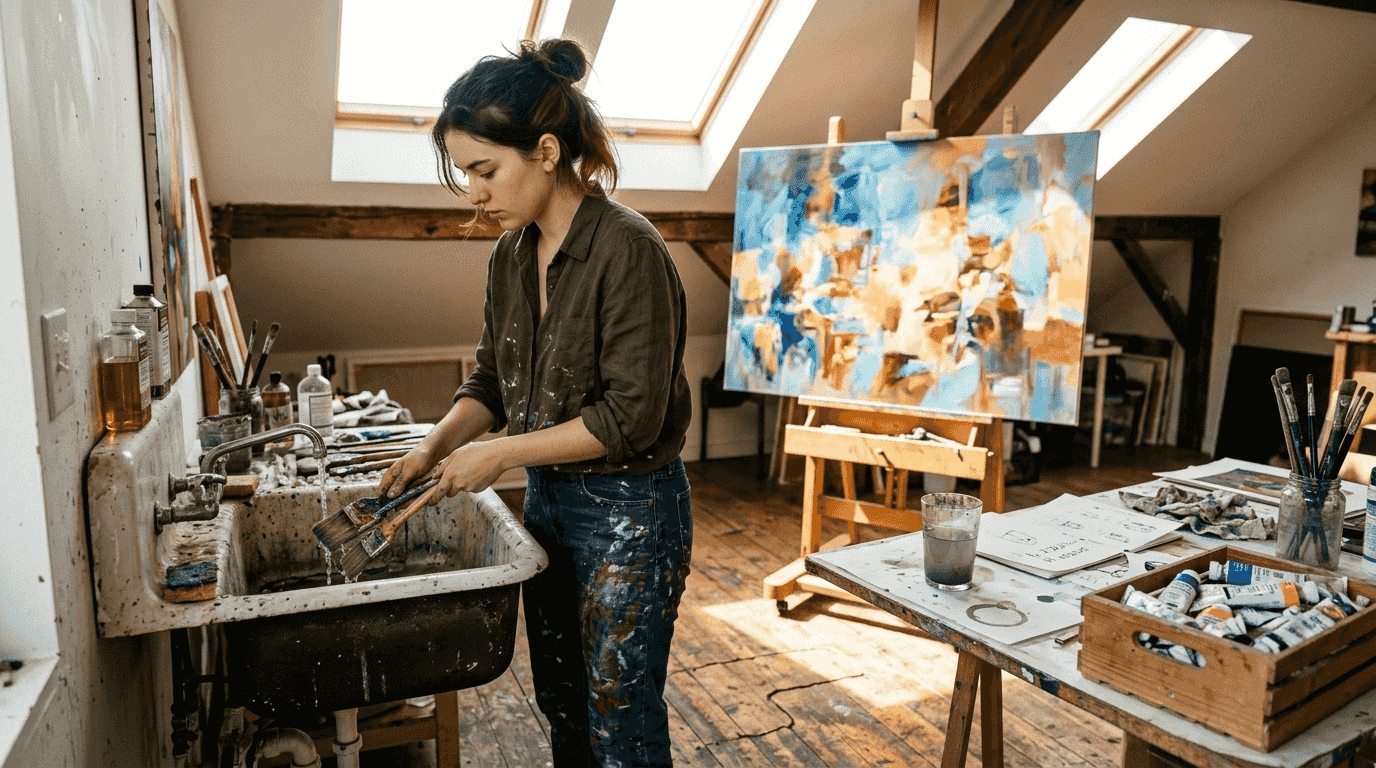
Scarcity dramatically impacts value, particularly for artists who produce limited bodies of work. Jean-Michel Basquiat created only about 1,000 paintings during his brief career, making each piece increasingly precious as demand grows. Original paintings carry inherent scarcity that prints and reproductions cannot replicate, explaining why original art consistently appreciates faster than mass-produced alternatives.
The relationship between artist mortality and value follows a predictable pattern:
- Initial market uncertainty creates temporary price softness after an artist’s death
- Collectors recognize the finite supply will never increase again
- Postmortem price premiums emerge as demand concentrates on remaining works
- Museums and institutions compete to acquire pieces for permanent collections
- Prices stabilize at higher levels reflecting permanent scarcity
Institutional validation triggers substantial value increases when major museums acquire or exhibit an artist’s work. A museum retrospective signals serious artistic merit, attracting new collectors and investors who view the exhibition as third-party endorsement. Prices often surge 20% to 50% following major institutional recognition as the artist transitions from emerging talent to established master.
Pro Tip: Track emerging artists gaining museum attention before major retrospectives occur. Early acquisition of quality pieces before institutional validation offers maximum appreciation potential as broader markets discover the artist’s significance.
The role of market dynamics and buyer behavior
Art prices fluctuate unpredictably as subjective taste intersects with investment speculation. Contemporary art sales dropped 12% in 2024, demonstrating how quickly market sentiment shifts compared to traditional asset classes. This volatility creates both risk and opportunity, rewarding collectors who understand cyclical patterns and maintain long-term perspectives.
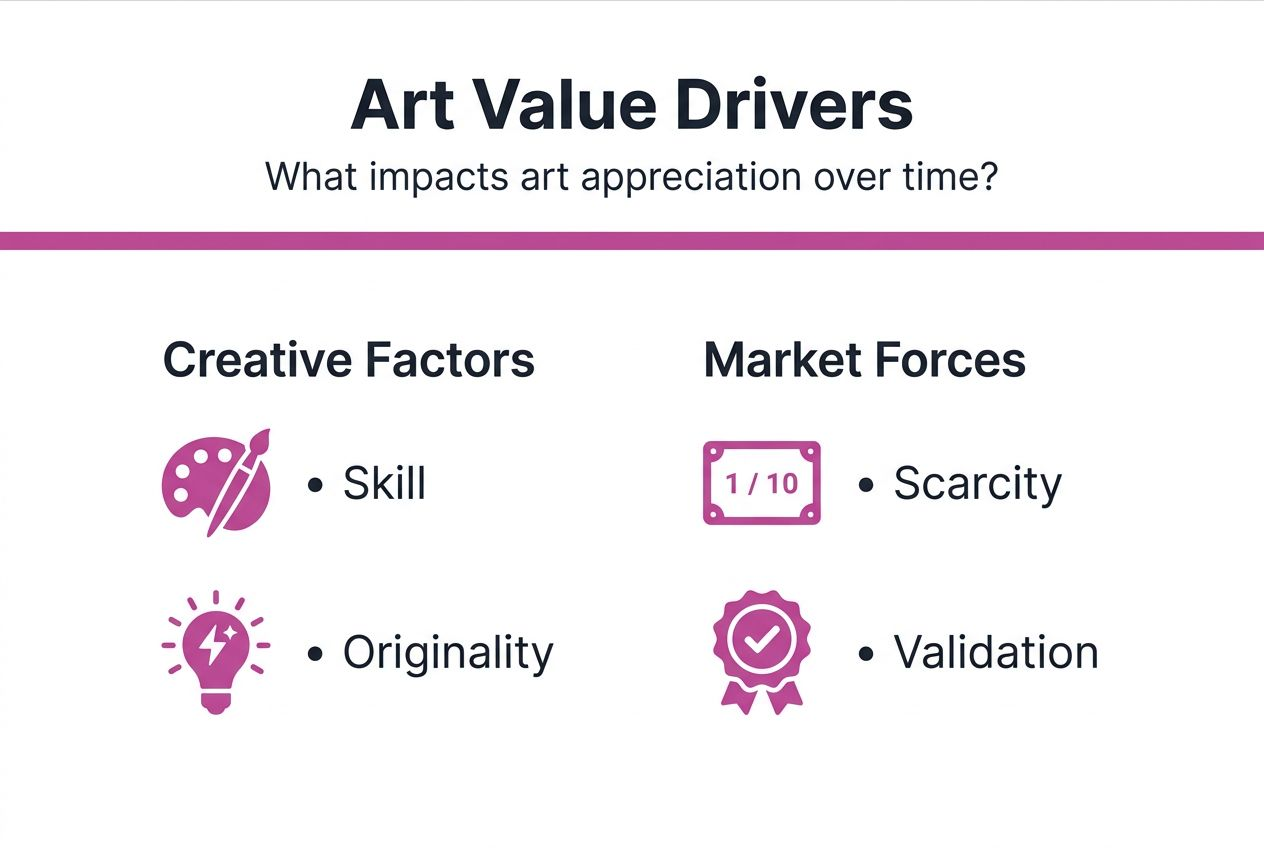
Collector anticipation drives demand as buyers speculate on future value appreciation. When wealthy collectors identify promising emerging artists, their purchasing activity signals quality to other investors, creating self-reinforcing demand cycles. This anticipatory behavior explains why certain artists experience rapid price escalation while technically comparable peers languish at lower price points.
Transaction costs and market frictions distinguish art from liquid financial assets:
- Auction house commissions typically reach 25% of hammer price
- Authentication processes require expert verification and documentation
- Physical storage and insurance create ongoing ownership costs
- Illiquidity means selling quickly often requires accepting discounted prices
- Geographic limitations restrict buyer pools for certain artists or styles
These frictions can delay price adjustments, but also create opportunities for informed collectors to acquire undervalued works before broader market recognition.
“The art market does not behave like conventional financial markets. Prices reflect complex interactions between aesthetic judgment, social signaling, and pure financial speculation.”
Understanding these unique market characteristics helps collectors navigate volatility and identify genuine investment opportunities in contemporary art. Successful investors recognize that short-term price swings matter less than long-term trends driven by artist reputation, scarcity, and institutional validation.
Historical examples: learning from iconic works and artists
Jean-Michel Basquiat’s market trajectory illustrates how scarcity and rising fame multiply artwork values over decades. His Red Man One painting appreciated 519% since 2009, while early works purchased for $5,000 now command prices 22,000 times higher. This extraordinary appreciation resulted from multiple converging factors: the artist’s untimely death at 27, growing institutional recognition, and limited supply meeting explosive demand.
Basquiat’s auction price evolution demonstrates systematic value appreciation:
| Year | Notable Sale | Price | Context |
|---|---|---|---|
| 1984 | Early career sale | $5,000 | Living artist, emerging recognition |
| 2009 | Red Man One | $2.1M | Post-recession market recovery |
| 2017 | Untitled (1982) | $110.5M | Record-breaking Sotheby’s auction |
| 2024 | El Gran Espectaculo | $46.5M | Sustained high-value market |
This progression shows how institutional exhibitions and museum acquisitions create inflection points in artist valuations. Each major retrospective or museum purchase validated Basquiat’s significance, attracting new collectors and driving prices higher.
Early investment in emerging artists offers the highest appreciation potential when you identify talent before broader market recognition. Collectors who purchased Basquiat works in the 1980s achieved returns exceeding virtually any traditional investment vehicle. The key lies in recognizing quality, innovation, and growing institutional interest before prices reflect full market consensus.
Pro Tip: Study artists gaining attention from respected curators and critics rather than following social media hype. Museum acquisitions and gallery representation by established dealers provide more reliable signals of long-term value than online popularity metrics.
Successful art collecting requires patience as markets slowly recognize artistic merit. Basquiat’s full valuation took decades to materialize, rewarding collectors who maintained conviction through market cycles and temporary price softness.
Explore original art collections at Eman’s Gallery
Now that you understand how original artworks appreciate through scarcity, artist reputation, and market recognition, consider starting or expanding your collection with unique pieces.
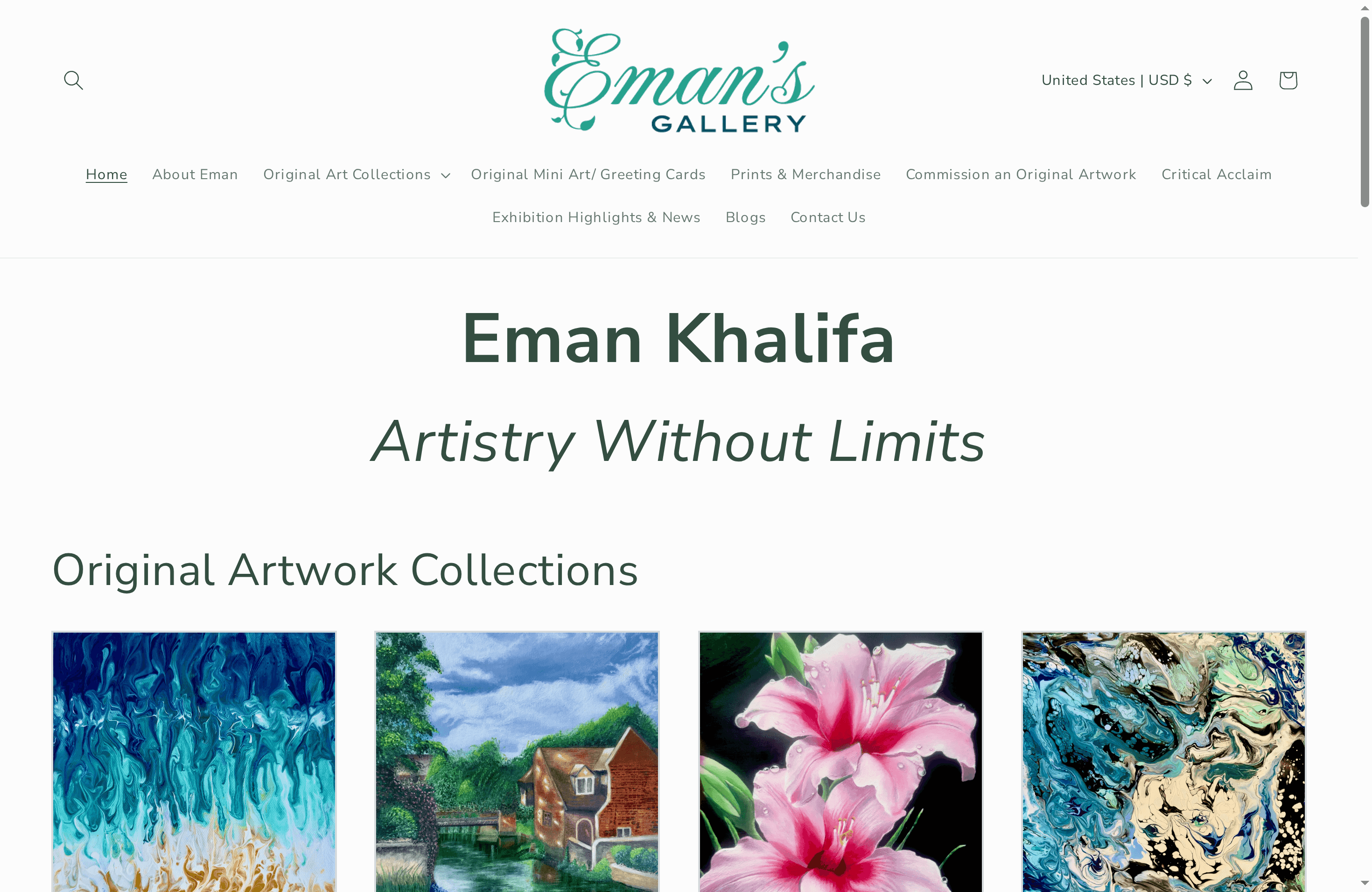
Eman’s Gallery offers one-of-a-kind original paintings by contemporary artist Eman Khalifa, including abstract, geometric, floral, landscape, seascape, and still-life works. Each handmade piece represents the kind of authentic originality that drives long-term value appreciation. Explore distinctive works like Good Tidings, Nocturned, and Mystic Sea to discover original art that combines aesthetic beauty with investment potential. These pieces ship worldwide from multiple distribution centers, making it easy to begin building a valuable collection today.
Frequently asked questions
What makes certain artworks increase in value over time?
Artworks appreciate when artist reputation grows through institutional validation, media coverage, and critical acclaim. Scarcity plays a crucial role, as limited supply meets increasing demand from collectors and investors. Original handmade pieces carry inherent scarcity that mass-produced prints cannot replicate, explaining their superior appreciation potential.
How long does it typically take for art to increase in value?
Value appreciation timelines vary dramatically based on artist trajectory and market conditions. Emerging artists may see significant price increases within 5 to 10 years if they gain gallery representation and institutional recognition. Established artists with proven track records often show steadier annual appreciation of 3% to 8%, though breakthrough moments like major exhibitions can trigger sudden price surges.
Is buying original art a better investment than prints?
Original artworks consistently outperform prints in long-term value appreciation because each piece is unique and irreplaceable. Prints exist in editions of hundreds or thousands, diluting scarcity that drives collector demand. While prints offer affordable access to an artist’s aesthetic, only originals qualify as true collectibles with serious investment potential.
What should I look for when buying art as an investment?
Focus on artists demonstrating technical mastery, innovative vision, and growing institutional recognition through museum exhibitions or gallery representation. Verify authenticity and provenance documentation to ensure resale value. Consider emerging artists with strong critical reception before prices reflect full market consensus, as early acquisition offers maximum appreciation potential.
Do all artists become more valuable after they pass away?
Not all artists experience postmortem value increases, but those with strong reputations and limited bodies of work typically do. The market recognizes that supply becomes permanently fixed while demand often grows as museums and collectors compete for remaining pieces. Artists who achieved significant recognition during their lifetimes see the most consistent postmortem appreciation.
How do I know if an artist’s work will appreciate in value?
Track institutional indicators like museum acquisitions, gallery representation by respected dealers, and positive critical reviews in art publications. Monitor auction results for comparable works to identify upward price trends. Artists gaining consistent recognition across multiple validation channels demonstrate higher probability of sustained value appreciation than those relying solely on social media popularity.
Recommended
- What Makes Art Valuable: Key Factors Explained - Eman’s Gallery
- Art Collector Insights & Strategies Guide - Eman’s Gallery
- 7 Key Art Investment Benefits for Collectors and Homeowners
- 6 Key Qualities of Collectible Art for Savvy Buyers
Stay Connected
- ✨ Explore Eman Khalifa’s original art and fine art prints
- 📸 Follow Eman Khalifa’s art journey on: Instagram @emans_gallery and Facebook Eman’s Gallery
- 📹 Watch Eman Khalifa creating live art on: YouTube @emans_gallery
