


What Makes Art Original: Complete Guide for 2025
What Makes Art Original: Complete Guide for 2025
More than 80 percent of art lovers admit they struggle to tell the difference between true original art and high-quality reproductions. With so many myths and changing trends, it’s easy to get confused about what makes a work truly unique. Understanding the core qualities of original art not only helps collectors make wiser choices but also deepens appreciation for creative expression, guiding you through the maze of misconceptions that surround authenticity in the art world.
Table of Contents
- Defining Original Art And Common Misconceptions
- Key Characteristics That Define Originality
- Types Of Original Art Versus Reproductions
- Legal Protections And Artist Rights
- How Collectors And Buyers Identify Original Art
Key Takeaways
| Point | Details |
|---|---|
| Understanding Original Art | Original art is defined by unique conceptual design and an innovative approach, transcending mere technical skill. |
| Misconceptions of Originality | Many believe that technical ability alone signifies originality, but it is the distinctive perspective and emotional impact that matter most. |
| Types of Art Distinctions | Original artworks are direct creations by artists, whereas reproductions lack the same conceptual authenticity and emotional resonance. |
| Legal Protections for Artists | Legal protections, such as copyright, are essential for safeguarding artists’ unique contributions and preventing unauthorized reproductions. |
Defining Original Art and Common Misconceptions
The concept of original art transcends simple reproduction and represents a complex interplay of creativity, cultural context, and individual expression. According to Oxford Academic, artistic originality is deeply rooted in the aesthetic domain, challenging traditional institutional definitions and exploring the nuanced ecological conditions that shape creative works.
Historically, originality has been a fluid concept. Wikipedia reveals that our understanding of what constitutes an original artwork has dramatically evolved since the 18th century. This evolution reflects shifting cultural perspectives and artistic movements that continually redefine creative boundaries.
Key characteristics of original art include:
- Unique conceptual design
- Personal artistic vision
- Innovative technique or approach
- Direct creation by the artist
- Evidence of individual creative process
Common misconceptions about original art often stem from misunderstanding its fundamental nature. Many people incorrectly assume that technical skill alone determines originality, when in fact, it’s the distinctive perspective and emotional resonance that truly distinguish an original work.
To help art enthusiasts navigate these nuanced waters, we’ve created a comprehensive guide on original art versus prints that breaks down the essential differences and helps collectors make informed decisions.
Key Characteristics That Define Originality
Originality in art is not a simple binary concept, but a multifaceted dimension of creative expression. According to British Journal of Aesthetics, true originality involves the creation of new forms and ideas that deliberately deviate from established artistic norms, challenging existing perceptions and pushing creative boundaries.
Research from ArXiv suggests that originality can be understood through the lens of complex systems, where artistic creation emerges as a form of self-organization. This perspective reveals that original artworks are not just randomly different, but represent intricate systems of innovative thought and execution.
Key elements that demonstrate artistic originality include:
- Radical departure from conventional techniques
- Profound emotional or intellectual provocation
- Introducing unexpected perspectives
- Transforming existing artistic paradigms
- Demonstrating deep conceptual understanding
Through these characteristics, artists create works that transcend mere technical skill. Original art speaks a unique language, communicating ideas and emotions in ways that challenge viewers’ existing understanding. It’s about creating something that hasn’t been seen before, not just reproducing familiar visual patterns.

For art enthusiasts seeking deeper insights, our guide on original art versus prints offers a comprehensive exploration of what truly makes an artwork stand out in a crowded artistic landscape.
Types of Original Art Versus Reproductions
The world of art is a complex landscape where originality intersects with reproduction in fascinating ways. Wikipedia highlights the nuanced concept of appropriation, which challenges traditional boundaries between original artwork and reproductions by using pre-existing images with minimal transformation.
Different types of art exist along a spectrum of originality. Outsider Art represents one extreme, where self-taught artists create deeply personal works that stand apart from mainstream artistic conventions. These works exemplify pure originality, emerging from individual perspectives unbound by established artistic traditions.
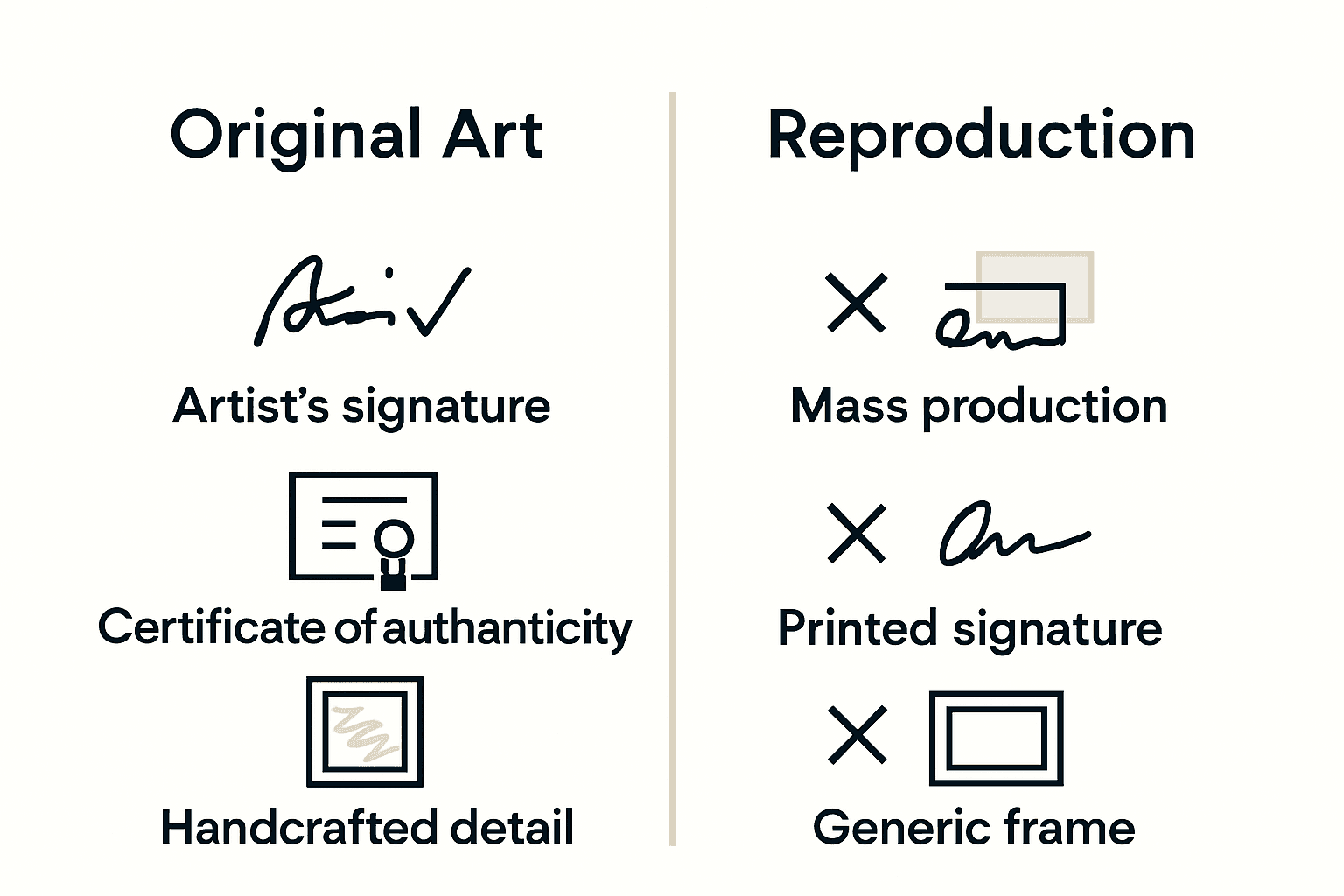
Key distinctions between original art and reproductions include:
- Unique creative process
- Individual artist’s direct intervention
- Conceptual and emotional authenticity
- Handcrafted versus mechanically produced
- Intrinsic artistic value
Reproductions can be categorized into several types:
- Prints: Limited edition reproductions authorized by the artist
- Posters: Mass-produced image reproductions
- Giclée: High-quality digital art prints
- Lithographs: Reproductions created through specialized printing techniques
For art enthusiasts interested in understanding the nuanced world of art collecting, our guide to collecting art prints offers comprehensive insights into making informed artistic choices.
Legal Protections and Artist Rights
In the realm of creative expression, legal protections play a crucial role in safeguarding artists’ intellectual property. Wikipedia introduces the concept of the “threshold of originality,” a critical legal standard used to determine whether a work qualifies for copyright protection, distinguishing truly original creations from derivative works.
Under United States copyright law, Wikipedia reveals that originality requires two fundamental elements: independent creation and a minimal degree of creativity. This standard, established in the landmark Feist Publications v. Rural Telephone Service Co. case, ensures that artists receive legal recognition for their unique contributions.
Key legal protections for artists include:
- Copyright registration
- Moral rights preservation
- Protection against unauthorized reproduction
- Intellectual property ownership
- Rights to derivative works
Artists must navigate several critical legal considerations:
- Documenting the creative process
- Understanding international copyright laws
- Registering original works
- Monitoring potential infringements
- Maintaining detailed records of creation
For art collectors and enthusiasts seeking deeper insights into the intricate world of art acquisition, our guide to investing in artist prints provides comprehensive information about protecting artistic rights and making informed collecting decisions.
How Collectors and Buyers Identify Original Art
The landscape of art identification is becoming increasingly complex with technological advancements. ArXiv highlights the emergence of Creative Adversarial Networks (CAN), which generate art by learning and deviating from established artistic styles, creating significant challenges for collectors in distinguishing between original and AI-generated works.
Modern art collectors must develop sophisticated strategies to authenticate original artworks. ArXiv emphasizes how artificial intelligence is fundamentally transforming our understanding of creativity, blurring traditional boundaries between human-created and machine-generated art.
Key strategies for identifying original art include:
- Examining artist’s unique signature and provenance
- Analyzing technical execution and material details
- Verifying certificate of authenticity
- Understanding the artwork’s historical and cultural context
- Consulting professional art appraisers and experts
Critical authentication techniques:
- Detailed visual inspection
- Scientific material analysis
- Comparative stylistic research
- Provenance documentation review
- Expert consultation
For art enthusiasts seeking deeper insights into building a discerning art collection, our guide to collecting limited edition prints offers expert strategies for making informed artistic investments.
Discover True Originality in Art with Emans Gallery
Feeling overwhelmed by the challenge of distinguishing original artworks from reproductions or prints The article highlights the importance of authenticity, provenance, and unique artistic vision when identifying true original art. It also explains the emotional connection and legal protections that make owning genuine creativity so valuable. If you are passionate about surrounding yourself with one-of-a-kind paintings and drawings that embody these exact qualities you are not alone.
Explore our exclusive collection of original handart pieces that celebrate unique creative expression and authentic craftsmanship.
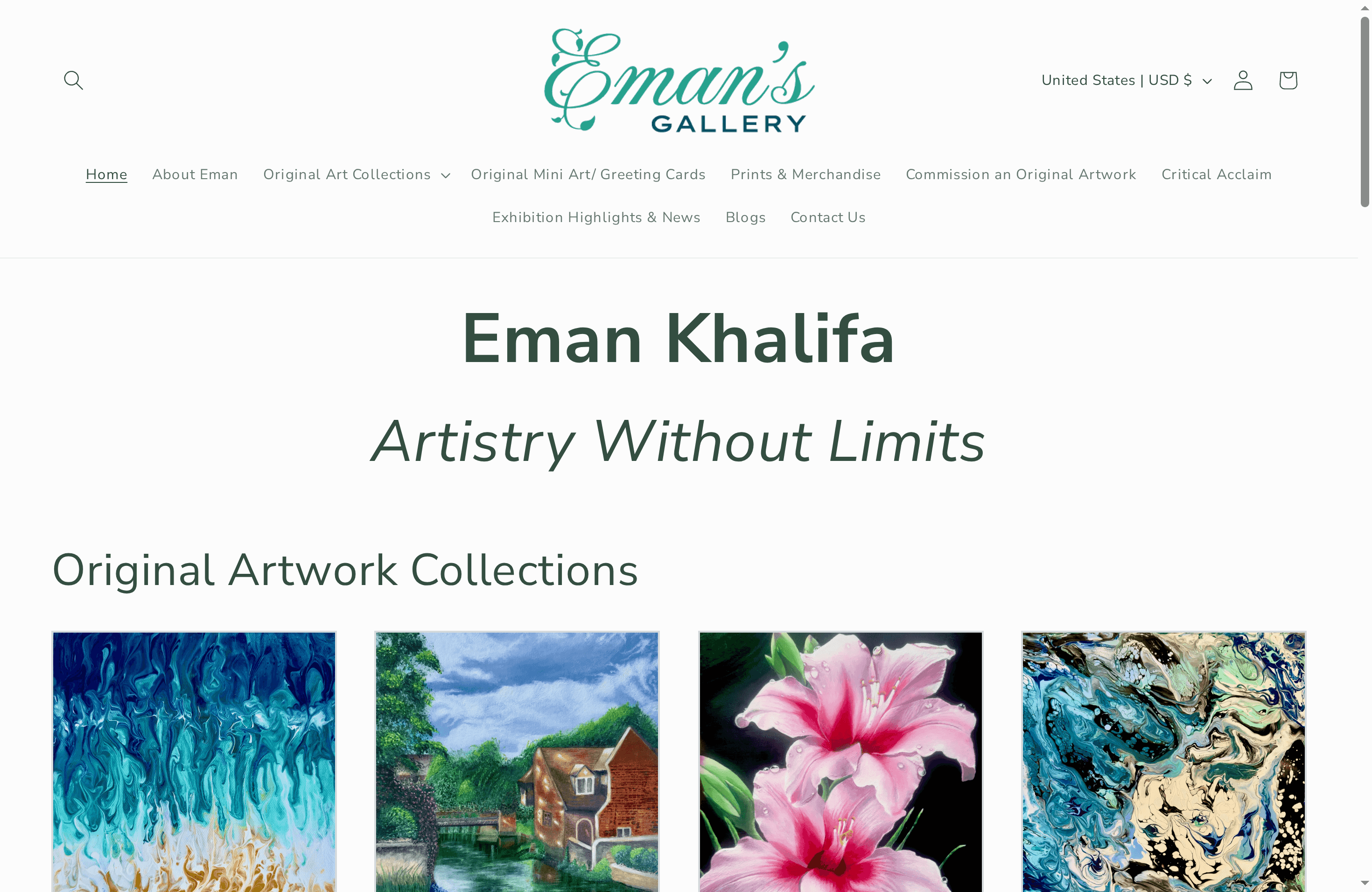
Take action now to bring original art into your personal space or collection by visiting Eman's Gallery. Browse our original paintings and framed archival prints to find a piece with genuine provenance and creative authenticity. Dive deeper into understanding the difference between original art and prints through our guide on original art versus prints. Ready to expand with beautiful, limited edition pieces Our guide to collecting limited edition prints is here to help you make informed choices that last a lifetime.
Frequently Asked Questions
What defines original art?
Original art is defined by unique conceptual design, personal artistic vision, innovative techniques, and direct creation by the artist, showcasing their individual creative process.
How can I differentiate between original art and reproductions?
To differentiate, look for elements such as unique creative processes, artist signatures, and authenticity certificates. Original art will typically exhibit emotional and conceptual authenticity that reproductions lack.
What legal protections exist for original artists?
Legal protections for artists include copyright registration, moral rights preservation, and protection against unauthorized reproductions, ensuring that artists retain rights to their unique creations.
How can I authenticate original artwork?
Authenticating original artwork involves examining the artist’s signature, analyzing technical execution, verifying certificates of authenticity, and seeking expert advice when necessary.
Own Genuinely Original Art from Eman's Gallery
- Original Paintings — handmade, one-of-a-kind works with full provenance
- Mini Original Art — smaller originals, accessible entry point for collectors
- Framed Archival Prints — limited museum-quality prints, artist-authorised
- All Wall Art Prints — browse the full range by size and format
Recommended
- 7 Key Differences: Original Art vs Prints for Your Space – Eman’s Gallery
- Contemporary Wall Art Explained: Complete Overview – Eman’s Gallery
- Why Self-Actualization Should Be the Foundation—Not the Peak—of Our Ne – Eman’s Gallery
- Why Invest in Artist Prints: Complete Guide – Eman’s Gallery
- 7 Inspiring Examples of Abstract Painting for Art Lovers
- ✨ Explore Eman Khalifa’s original art and fine art prints
- 📸 Follow Eman Khalifa’s art journey on: Instagram @emans_gallery and Facebook Eman’s Gallery
- 📹 Watch Eman Khalifa creating live art on: YouTube @emans_gallery
- Supported by BabyLoveGrowth
