


What Is Contemporary Art? Complete Guide Explained
What Is Contemporary Art? Complete Guide Explained
Contemporary art challenges what many american viewers expect from artistic expression, with over three hundred distinct styles and movements shaping today’s creative world. This broad approach goes far beyond traditional painting, pushing boundaries through technology, social commentary, and personal stories. The result is an art scene as diverse as american society itself, giving you new ways to see culture, identity, and global change through powerful visual experiences.
Table of Contents
- Core Definition Of Contemporary Art
- Major Styles And Movements Today
- Key Characteristics And Techniques
- Contemporary Art In Interiors And Merchandise
- Collecting, Displaying, And Buying Contemporary Art
Key Takeaways
| Point | Details |
|---|---|
| Definition of Contemporary Art | Represents a dynamic form of artistic expression from 1970 to present; emphasizes conceptual exploration over traditional techniques. |
| Major Movements | Includes diverse styles like Minimalist, Digital, and Street Art, each pushing creative boundaries and challenging norms. |
| Characteristics and Techniques | Focuses on experimentation, integration of technology, and prioritization of conceptual messaging over technical mastery. |
| Collecting Contemporary Art | Involves understanding artistic context, evaluating quality, and developing personal connections with artworks beyond mere visual appeal. |
Core Definition Of Contemporary Art
Contemporary art represents a dynamic and evolving realm of artistic expression that challenges traditional boundaries and reflects the complex social, technological, and cultural landscape of our modern world. According to research from Stanford Encyclopedia of Philosophy, defining contemporary art remains complex, with definitions increasingly focusing on institutional features and the fluid nature of artistic creation.
Contemporary art is broadly understood as artwork created from approximately 1970 to the present, characterized by its remarkable diversity and emphasis on conceptual exploration over traditional technical mastery. As EBSCO Research explains, this artistic movement prioritizes ideas, social commentary, and experimental approaches that transcend conventional artistic methods.
Key characteristics of contemporary art include:
- Multidisciplinary approach integrating various media and techniques
- Strong emphasis on conceptual messaging and social critique
- Breaking traditional artistic boundaries
- Reflecting current global technological and cultural shifts
- Encouraging viewer interaction and personal interpretation
Unlike previous art movements constrained by specific stylistic rules, contemporary art embraces radical experimentation. Artists leverage diverse mediums like digital technology, performance, installation, and mixed media to communicate complex ideas about identity, technology, politics, and human experience. Contemporary Wall Art Explained: Complete Overview further explores how these artistic expressions transform traditional visual narratives into provocative, thought-provoking experiences.
Major Styles And Movements Today
Contemporary art encompasses a rich tapestry of styles and movements that challenge traditional artistic conventions and push creative boundaries. Wikipedia highlights several significant movements that have emerged in recent decades, each representing unique approaches to artistic expression and cultural commentary.
Conceptual Art stands at the forefront of contemporary artistic movements, prioritizing ideas and intellectual concepts over traditional aesthetic concerns. This approach emphasizes the importance of the underlying concept, often using minimalist or unconventional methods to communicate complex social and philosophical ideas. Performance art and installation art have similarly transformed artistic practice, breaking down barriers between the artwork, the artist, and the audience.
Key contemporary art movements include:
- Minimalist Art: Focusing on extreme simplification of form
- Postmodern Art: Challenging grand narratives and established artistic traditions
- Digital Art: Leveraging technology as both medium and message
- Street Art: Transforming public spaces into canvases of social commentary
- Multimedia Installations: Combining multiple artistic mediums for immersive experiences
According to the Contemporary Art Centre, contemporary art boasts over three hundred distinct styles and movements, reflecting the incredible diversity and complexity of modern artistic expression. These movements are not just about creating visual experiences but about challenging viewers’ perceptions, sparking critical conversations, and reflecting the intricate social, political, and technological landscapes of our time.
VIDEO:video_content] [Contemporary Wall Art Explained: Complete Overview provides deeper insights into how these diverse artistic approaches translate into visual experiences that resonate with modern audiences.
Key Characteristics And Techniques
Contemporary art defies traditional artistic boundaries, embracing a radical approach that prioritizes conceptual depth over technical perfection. EBSCO Research highlights that this artistic movement is fundamentally characterized by its subjective nature, with artists deliberately moving beyond conventional techniques and exploring a vast spectrum of mediums and expressive strategies.
Artistic Techniques in contemporary art are remarkably diverse, ranging from traditional paintbrush and canvas to digital technologies, performance, installation, and multimedia experiences. Artists intentionally blur the lines between different artistic disciplines, creating hybrid forms that challenge viewers’ perceptions and expectations. The emphasis is less on technical mastery and more on communicating powerful ideas, social commentary, and personal narratives.
Key characteristics of contemporary art techniques include:
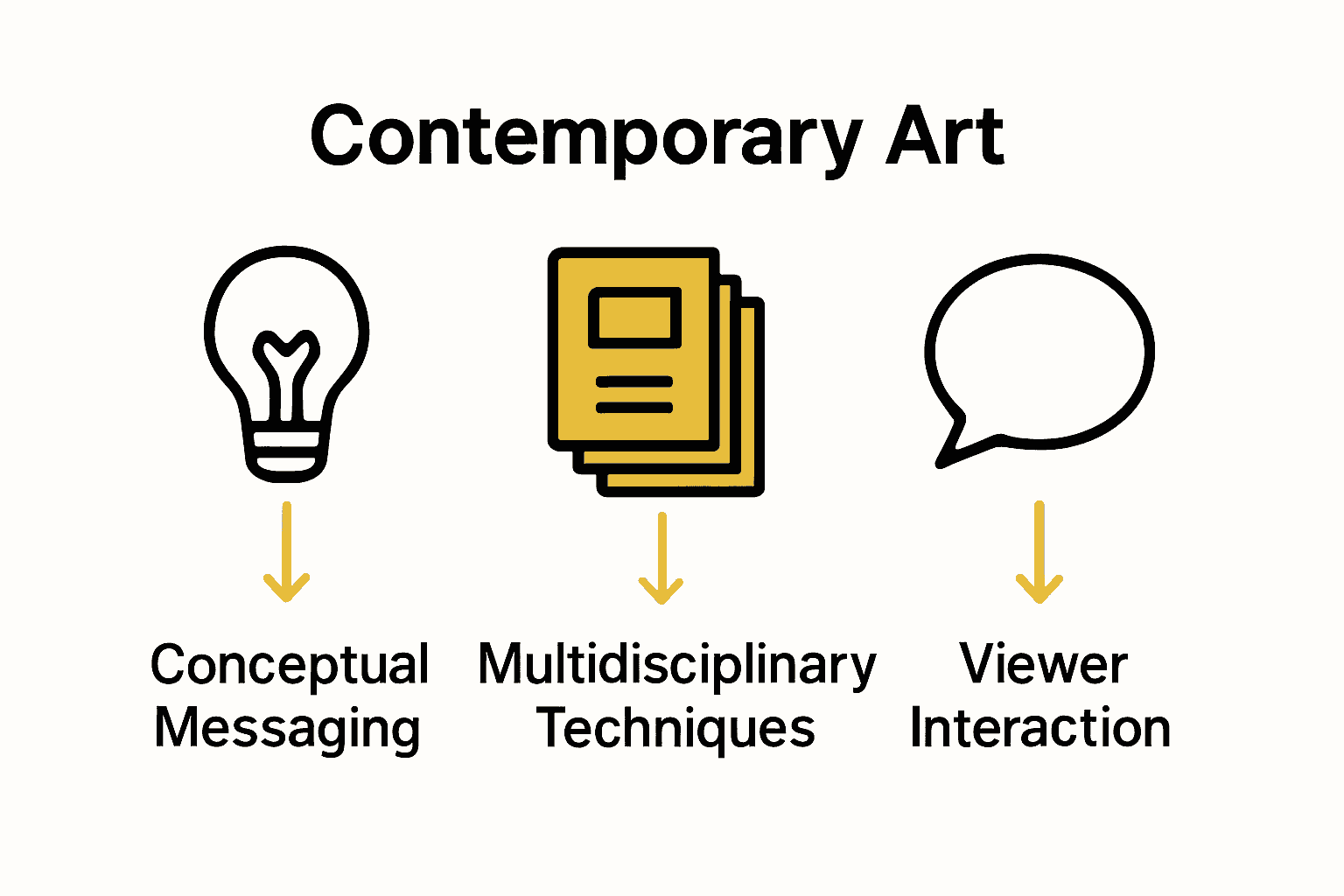
- Experimental and interdisciplinary approaches
- Integration of technology and digital mediums
- Emphasis on conceptual messaging
- Breaking traditional artistic boundaries
- Personal and subjective interpretation
According to Wikipedia, contemporary art lacks a uniform organizing principle, with artists engaging in a nuanced cultural dialogue that addresses complex themes like identity, community, and global interconnectedness. This approach transforms art from a purely visual medium into a powerful platform for social critique, personal expression, and intellectual exploration. Contemporary Wall Art Explained: Complete Overview offers deeper insights into how these innovative techniques translate into compelling visual experiences that resonate with modern audiences.
Contemporary Art In Interiors And Merchandise
Contemporary art has dramatically transformed the way we perceive interior design and personal merchandise, evolving from traditional wall hangings to immersive, dynamic expressions of cultural identity. EBSCO Research highlights how contemporary art’s diverse forms and materials have revolutionized interior spaces, turning them into personal statements that reflect individual creativity and cultural narratives.
Art Integration in modern interiors goes far beyond simple decoration, becoming a powerful means of personal expression and communication. Contemporary art pieces transform living spaces by introducing unique textures, provocative concepts, and emotional depth. From Abstract paintings that challenge perception to multimedia installations that engage viewers, these artistic expressions turn ordinary spaces into extraordinary experiences that reflect personal identity and aesthetic sensibilities.
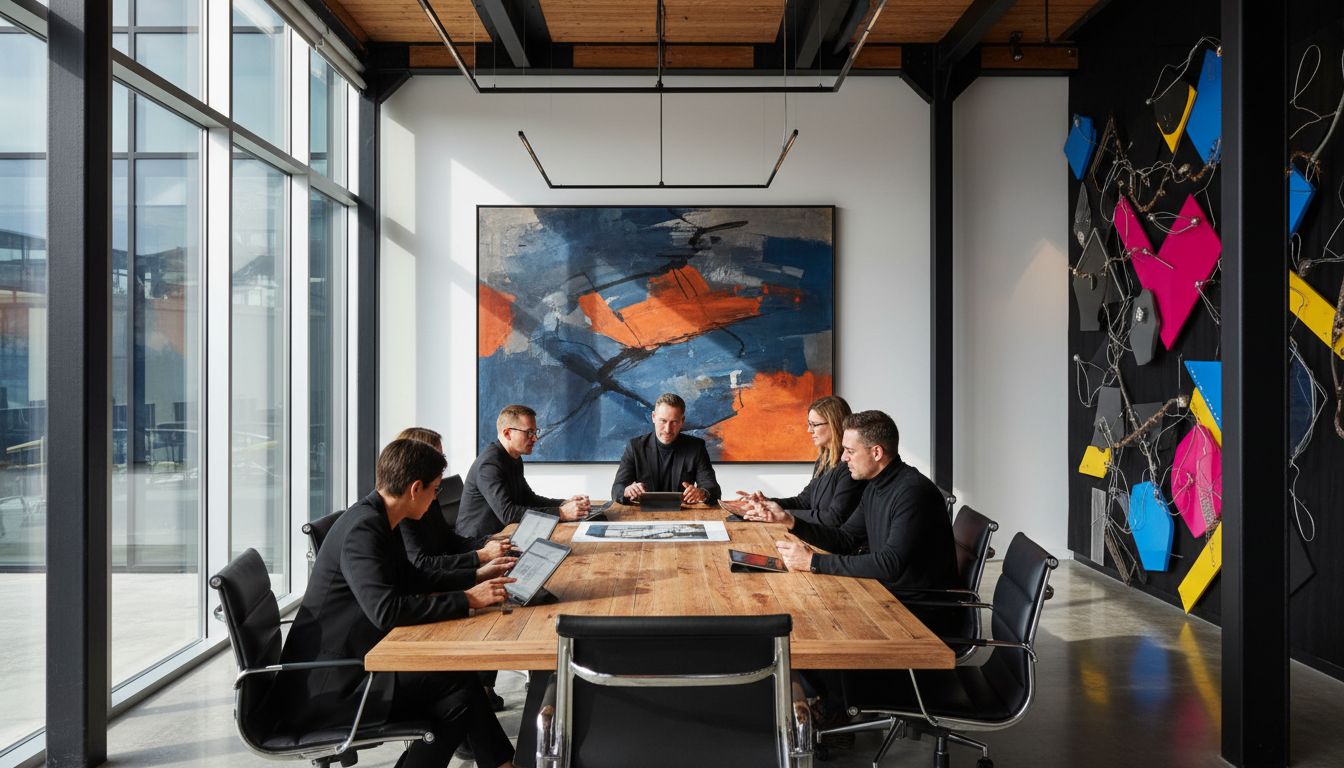
Key ways contemporary art influences interiors and merchandise include:
- Creating focal points in living spaces
- Expressing personal and cultural narratives
- Transforming functional objects into artistic statements
- Challenging traditional design boundaries
- Introducing dynamic visual conversations
According to CeROArt, contemporary art’s influence extends beyond traditional canvas, permeating everyday objects and living environments. This integration allows individuals to transform mundane spaces and products into meaningful artistic expressions. For those looking to incorporate these artistic principles into their living spaces, 7 Inspiring Art Display Ideas to Elevate Your Home Decor offers practical insights into creating compelling interior environments that celebrate contemporary artistic vision.
Collecting, Displaying, And Buying Contemporary Art
Collecting contemporary art is a nuanced journey that extends far beyond simple acquisition, demanding deep understanding and thoughtful engagement with artistic expression. EBSCO Research provides critical insights into the contemporary art market, highlighting the complex factors that influence artwork selection, including authenticity, provenance, and emerging market trends.
Art Collecting requires a strategic approach that balances personal aesthetic preferences with an understanding of artistic value and cultural significance. Contemporary art collectors must develop a discerning eye, looking beyond surface-level visual appeal to comprehend the conceptual depth, cultural context, and potential long-term artistic significance of each piece. This involves researching artists, understanding their creative philosophy, and recognizing works that represent meaningful cultural dialogues.
Key considerations when collecting contemporary art include:
- Researching artist backgrounds and artistic trajectories
- Understanding the conceptual context of artworks
- Evaluating artistic quality and potential future value
- Developing a personal connection with the artwork
- Considering diverse artistic mediums and expressions
According to CeROArt, successful art collecting emphasizes understanding the artist’s intention and the artwork’s broader cultural context. Aspiring collectors should approach contemporary art as an intellectual and emotional investment, seeking pieces that resonate personally while representing significant artistic statements. For those beginning their collecting journey, Art Collecting Terminology: Complete Guide for Enthusiasts offers valuable insights into navigating the complex world of contemporary art acquisition.
Discover Contemporary Art That Speaks to You
Navigating the vibrant yet complex world of contemporary art can feel overwhelming. The challenge often lies in finding pieces that not only showcase innovative techniques but also deeply resonate with your personal story and style. Whether you are drawn to conceptual messaging, multidisciplinary approaches, or art that transforms your living space into a bold statement, the right artwork can elevate your environment and spark meaningful conversations.
Explore original paintings, wall art prints, and unique merchandise like t-shirts and tote bags that bring contemporary art right into your daily life. At Emans Gallery, you will find collections designed to align with the cutting-edge spirit of contemporary art, offering you a chance to express your identity while embracing innovation. Don’t wait to transform your spaces and style with art that truly challenges and inspires. Start your journey today at Emans Gallery and immerse yourself in the power of contemporary creativity.
Frequently Asked Questions
What defines contemporary art?
Contemporary art is broadly defined as artwork created from approximately 1970 to the present, characterized by diversity and a focus on conceptual exploration over traditional techniques.
What are the key characteristics of contemporary art?
Key characteristics include a multidisciplinary approach, emphasis on social critique, breaking traditional artistic boundaries, reflecting current societal shifts, and encouraging viewer interaction.
How does contemporary art influence interior design?
Contemporary art transforms interior spaces by creating focal points, expressing personal cultural narratives, and turning functional objects into artistic statements, enhancing emotional depth and visual interest.
What considerations should I keep in mind when collecting contemporary art?
When collecting contemporary art, it’s important to research the artist, understand the conceptual context of the artwork, evaluate its quality and potential value, and develop a personal connection with the pieces you choose.
Shop Contemporary Art
Explore Eman's Gallery collections that embody the spirit of contemporary art:
- Original Contemporary Paintings — handmade, one-of-a-kind works
- Abstract Art — expressive, conceptual works for modern interiors
- Geometric Abstraction — minimalist, structured contemporary pieces
- Framed Archival Prints — museum-quality contemporary prints, ready to hang
Recommended
- Contemporary Wall Art Explained: Complete Overview – Eman’s Gallery
- Art Collecting Terminology: Complete Guide for Enthusiasts – Eman’s Gallery
- What Makes Art Original: Complete Guide for 2025 – Eman’s Gallery
- Elemental Abstract Art by Eman Khalifa | Original Mixed Media Paintings for Modern Interiors – Eman’s Gallery
- Fine Art Portraits: Everything You Need to Know – The Family Portrait Companys
Stay Connected
- ✨ Explore Eman Khalifa’s original art and fine art prints
- 📸 Follow Eman Khalifa’s art journey on: Instagram @emans_gallery and Facebook Eman’s Gallery
- 📹 Watch Eman Khalifa creating live art on: YouTube @emans_gallery
- Supported by BabyLoveGrowth
