


Popular art genres: Find the perfect style for your collection
TL;DR:
- Contemporary art remains the largest and most actively traded auction sector globally.
- Key genres like abstract, realism, conceptual, mixed media, and geometric appeal to different collector goals.
- Personal intent and emotional connection are more important than genre trends when building a satisfying collection.
Choosing art for a collection is rarely straightforward. With hundreds of contemporary genres competing for attention, collectors often find themselves caught between personal taste, market trends, and practical considerations like space and budget. Contemporary art is the largest auction sector by value, which means the options are vast and the stakes feel high. This guide breaks down the most popular contemporary art genres, compares their key attributes, and offers practical guidance so you can make confident, informed decisions for your collection.
Table of Contents
- How to evaluate art genres for your collection
- Top contemporary art genres collectors love
- Comparison: Art genre features and collector appeal
- Choosing the right genre for your space and goals
- The surprising truth: Why genre matters less than intent
- Explore and purchase original art from top genres
- Frequently asked questions
Key Takeaways
| Point | Details |
|---|---|
| Contemporary dominates market | Contemporary art, especially paintings, leads collector demand and auction value. |
| Small works trending | Collectors are increasingly drawn to smaller artworks for flexibility and affordability. |
| Know your intent | Clarity about your collection’s purpose leads to better choices than trend-chasing alone. |
| Compare before you buy | Evaluating genres by material, price, and appeal lets you invest confidently. |
How to evaluate art genres for your collection
Before exploring specific genres, it helps to build a personal framework for evaluation. Collecting without clear criteria leads to impulse purchases that may not serve your long-term goals. Here is a practical process for assessing any genre:
- Define your collection goal. Are you collecting for investment, interior decoration, or personal enjoyment? Each goal points to different genres and price tiers. Investment-focused collectors often prioritize market-recognized movements, while décor-driven collectors focus on scale, color palette, and spatial compatibility.
- Understand technical skill versus conceptual depth. Some genres, like contemporary art realism, reward technical mastery. Others, like conceptual art, prioritize the idea behind the work. Neither is superior, but knowing which you value helps narrow your search quickly.
- Factor in trending themes. In 2026, collectors are responding strongly to materiality, large-scale works, and participatory or immersive experiences. These themes cut across multiple genres and signal where market energy is concentrated.
- Assess display space and budget. A large-scale installation may be conceptually exciting but impractical for a city apartment. Matching genre characteristics to your physical environment prevents costly mismatches.
- Research market performance. Post-War and Contemporary art dominates fine art auctions, which confirms that this broad category continues to attract serious buyer interest globally.
Understanding the benefits of collecting art beyond aesthetics, including cultural value and long-term appreciation, also strengthens your evaluation process.
Pro Tip: Smaller artworks are increasingly valued by collectors because they are flexible, easier to display, and often more affordable entry points into an artist’s practice. Do not overlook them when evaluating a genre.
Top contemporary art genres collectors love
With a solid evaluation framework in place, it becomes easier to assess which genres align with your goals. Here are the genres that consistently attract collector attention today.
- Abstract painting. Color, form, and texture take center stage. Abstract works are highly versatile for interior spaces and span a wide price range, from emerging artist originals to blue-chip auction lots. They remain one of the most accessible genres for new collectors.
- Contemporary realism. Lifelike imagery updated for modern sensibilities. This genre bridges traditional craft with current subject matter, making it appealing to collectors who value technical skill. Browse contemporary realism works to see how this style translates across different subjects.
- Conceptual art. The idea drives the impact. Works in this genre often challenge assumptions about what art can be, and they tend to attract collectors interested in intellectual engagement over decorative appeal.
- Mixed media and installation. These works combine materials, textures, and sometimes physical space to create immersive experiences. They are among the fastest-growing categories in 2026, driven by collector interest in tactile, handmade qualities.
- Geometric and pattern-based work. Precise, structured, and visually striking. This genre works exceptionally well in modern and minimalist interiors and appeals to collectors who favor order and visual clarity.
Paintings account for 70 to 71% of global transaction value, confirming that traditional painted works across abstract, realist, and geometric styles remain the backbone of the collector market. Staying informed about abstract art trends helps you track where this dominant category is heading.
| Genre | Collector appeal | Display flexibility |
|---|---|---|
| Abstract painting | High, broad audience | Very high |
| Contemporary realism | High, skill-focused buyers | High |
| Conceptual art | Niche, intellectually driven | Moderate |
| Mixed media | Growing, tactile appeal | Moderate |
| Geometric | Strong, interior-focused | Very high |
Pro Tip: 40% of Artsy sales are small-scale works under 15.75 inches in 2026. Prioritizing smaller pieces within any genre gives you more flexibility and often better value for money.
For collectors who want to extend their engagement with a genre beyond wall art, unique art merchandise offers a practical way to connect with an artist’s visual language in everyday objects.
Comparison: Art genre features and collector appeal
Having explored each genre individually, a direct comparison clarifies the practical differences that matter most when making a purchase decision.
| Genre | Primary medium | Typical size | Price tier | Market growth |
|---|---|---|---|---|
| Abstract painting | Oil, acrylic, mixed | Small to large | Entry to premium | Stable, strong |
| Contemporary realism | Oil, watercolor | Small to medium | Mid to premium | Steady |
| Conceptual art | Variable | Variable | Mid to high | Niche growth |
| Mixed media | Paper, fabric, found objects | Small to large | Entry to mid | Fast growing |
| Geometric | Acrylic, digital print | Small to large | Entry to mid | Growing |
This comparison highlights a few important patterns. Abstract painting and geometric work offer the widest range of entry points, making them practical for collectors at different budget levels. Conceptual art carries higher risk but can deliver strong returns when the artist gains wider recognition. Mixed media sits in a particularly interesting position right now.
“Mixed media, materiality, and sculptural opulence emphasize tactile human touch against digital uniformity.”
Collectors now favor works that emphasize human touch over digital art uniformity, and mixed media directly addresses this preference. The handmade quality of these works creates a clear point of difference in a market increasingly saturated with digital reproductions.
For collectors focused on interior integration, understanding art for modern interiors helps match genre characteristics to specific room environments. And for those building a collection with long-term value in mind, reviewing the qualities of collectible art provides a useful checklist before committing to any purchase.
One pattern worth noting: price tier alone does not predict satisfaction. Collectors who purchase within their budget but outside their genuine taste often regret the decision faster than those who stretch slightly for a work they truly connect with.

Choosing the right genre for your space and goals
With a clear picture of each genre’s attributes, the next step is translating that knowledge into a personal collection strategy. Here is a practical decision process:
- Assess your space first. Measure your walls, note the light conditions, and identify the dominant colors and materials in the room. A large abstract canvas works differently in a bright, open loft than in a narrow hallway.
- Identify your primary goal. Investment, decoration, and personal enjoyment are not mutually exclusive, but one usually takes priority. Let that priority guide your genre shortlist.
- Set a realistic budget range. Each genre spans a wide price range. Knowing your ceiling prevents you from falling in love with works that are out of reach and helps you focus on what is actually available to you.
- Consider entry points within each genre. Prints, small originals, and works on paper are available across most genres and allow you to test a style before committing to a major purchase.
- Review the artist’s track record. Consistency of output, exhibition history, and collector demand all signal whether an artist’s work is likely to hold or grow in value.
For specific genre recommendations by goal:
- Investment focus: Abstract painting and contemporary realism have the strongest auction track records.
- Immersive experience: Mixed media and installation offer the most dynamic spatial presence.
- Flexible décor: Geometric and abstract works adapt to the widest range of interior styles.
- Affordable entry: Small-scale works are in demand, comprising 40% of Artsy purchases, and they are available across every genre listed here.
If you are working with limited wall space, the guide on displaying art in small spaces offers concrete strategies for maximizing visual impact. And if you are ready to start purchasing, the resource on where to buy original paintings covers what to look for when selecting a reputable source.
The surprising truth: Why genre matters less than intent
Here is something most genre guides will not tell you: the genre itself is rarely the deciding factor in long-term collector satisfaction. What matters more is the clarity of your intent when you buy.
Collectors who purchase because a genre is trending often find themselves with works that feel disconnected from their broader collection within a few years. Trends shift. What feels urgent in 2026 may feel dated by 2030. The most celebrated private collections are built around a consistent vision, not a checklist of fashionable genres.
Contemporary genres often value conceptual depth over perfection, which means even technically imperfect works can carry significant cultural and financial weight if the idea behind them is strong. This is actually liberating for collectors. It means you do not need to be an expert in technique to make a meaningful acquisition.
Personal resonance is a legitimate and powerful selection criterion. If a work stops you, holds your attention, and continues to reward looking, that response is data. It tells you something about the work’s quality that no market report can fully quantify. Reviewing the art value guide reinforces this point: value is built from multiple factors, and emotional connection is one of them.
Buy with intent. The genre is just the starting point.
Explore and purchase original art from top genres
Ready to move from research to acquisition? Eman’s Gallery offers original handmade paintings and museum-quality prints across the genres covered in this guide, including abstract, geometric, floral, landscape, and seascape works by artist Eman Khalifa.
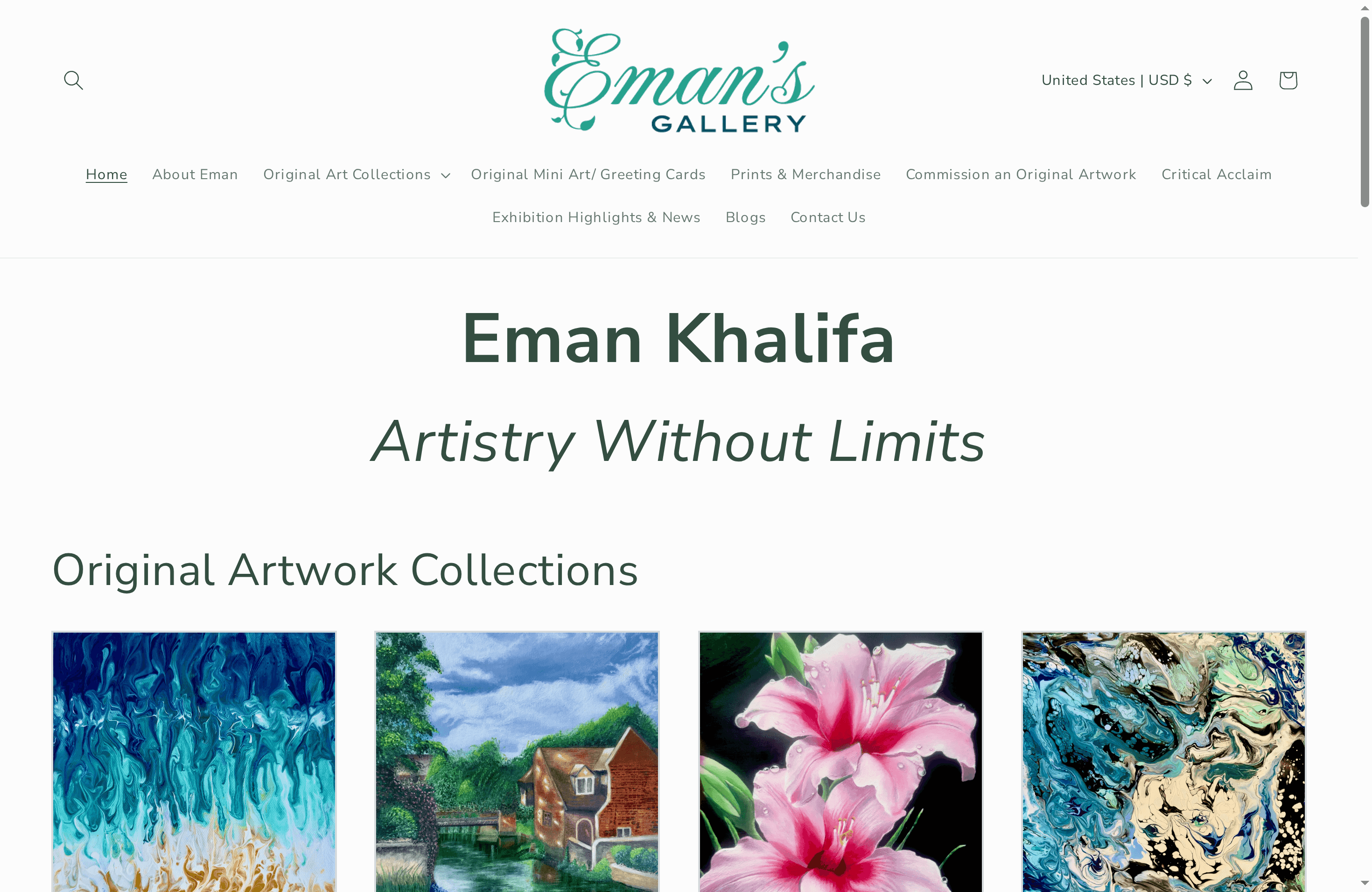
Whether you are building a focused collection or looking for a single statement piece, the gallery provides options at multiple price points. The fluid ocean art painting is a strong example of original seascape work that combines painterly skill with contemporary sensibility. For collectors who prefer prints, the full range of wall art prints offers museum-quality reproductions shipped worldwide. Originals, prints, and small works are all available, making it easy to find the right fit for your space and budget.
Frequently asked questions
What is the most popular art genre among collectors today?
Contemporary painting remains the top choice, accounting for 70 to 71% of global transaction value at auctions. Abstract and realist works within this category consistently attract the broadest collector demand.
Are small artworks a trend in 2026?
Yes. 40% of online art purchases are for works under 15.75 inches, reflecting a clear shift toward intimate, versatile pieces that work across a range of living spaces.
How do mixed media and installation art appeal to collectors?
These genres offer immersive, tactile experiences that emphasize the handmade quality of the work, setting them apart from digital art and making them particularly relevant in the current market climate.
How can I choose the right art genre for my home?
Assess your wall space, lighting, and existing décor first, then match those conditions to the size and color characteristics typical of each genre before making a final decision.
Where can I buy original works from popular art genres?
You can purchase original paintings and high-quality prints directly from curated online galleries that specialize in contemporary art, such as Eman’s Gallery, which ships worldwide from multiple countries.
Recommended
- Best art for modern interiors: top original pieces 2026
- 7 Top Art Print Subjects Every Collector Should Know - Eman’s Gallery
- 7 Art Collector Tips for Valuable Collections - Eman’s Gallery
- 6 Key Qualities of Collectible Art for Savvy Buyers
Stay Connected
- Explore Eman's Gallery Original Mini-Art Cards, hand-painted by Eman Khalifa
- ✨ Explore Eman Khalifa’s original art, fine art prints & art merchandise
- 📸 Follow Eman Khalifa’s art journey on: Instagram @emans_gallery and Facebook Eman’s Gallery
- 📹 Watch Eman Khalifa creating live art on: YouTube @emans_gallery
