


Best art for modern interiors: top original pieces 2026
Choosing the right art for modern interiors can feel overwhelming, especially when you want pieces that truly reflect your personal style while enhancing your space. Original contemporary art offers a unique opportunity to make a bold statement and create visual harmony in your home. This article provides a clear evaluation framework and showcases standout original pieces for 2026, helping you navigate the selection process with confidence. You’ll discover practical criteria for assessing art, explore curated options across diverse styles, and learn how to match pieces to your specific interior design needs.
Table of Contents
- How To Evaluate And Select Art For Modern Interiors
- Top Original Art Styles And Pieces To Consider In 2026
- Comparison Table: Original Art Pieces For Varying Modern Interior Styles
- Making The Right Choice: Recommendations For Different Modern Interior Scenarios
- Explore Original Art Collections At Eman’s Gallery
- FAQ
Key takeaways
| Point | Details |
|---|---|
| Evaluation criteria | Clear criteria help in choosing art that complements modern interiors through style, scale, color, and emotional impact. |
| Style diversity | Original contemporary art styles vary widely and serve different aesthetic goals, from fluid abstracts to geometric minimalism. |
| Comparison tools | Side-by-side tables provide straightforward evaluation of art pieces to simplify decision-making. |
| Scenario-based guidance | Practical recommendations assist in balancing statement pieces with cohesive design for different modern interior types. |
| Curated selection | Exploring a focused collection of top 2026 pieces streamlines the art acquisition process. |
How to evaluate and select art for modern interiors
Selecting art for modern interiors requires evaluating style, scale, color, and emotional resonance. These four criteria form the foundation of thoughtful art choices that enhance rather than overwhelm your space. Style compatibility ensures the artwork aligns with your interior design language, whether minimalist, eclectic, or luxury contemporary. Scale determines visual impact and balance, with oversized pieces commanding attention in spacious rooms while smaller works suit intimate settings.
Color harmony creates cohesion between art and existing décor. Analyze your room’s palette and identify whether you want art that complements or contrasts with dominant hues. A neutral space benefits from bold color injections, while vibrant interiors often need calming, monochromatic pieces. Emotional resonance matters most because art should evoke feelings that align with the room’s purpose, whether energizing a workspace or creating tranquility in a bedroom.
When applying these criteria, consider how each element interacts with your specific environment. A large abstract painting might overwhelm a compact living room but transform a double-height entryway into a stunning focal point. Similarly, a delicate floral piece could get lost on a vast wall but shine in a cozy reading nook. Testing scale through digital mockups or painter’s tape outlines helps visualize proportions before committing.
Practical application of these criteria involves several key steps:
- Measure your wall space and calculate the ideal art size (typically 60-75% of furniture width for pieces above sofas)
- Photograph your room in natural and artificial light to assess how colors shift throughout the day
- Create a mood board with paint swatches, fabric samples, and potential art images to test visual harmony
- Visit galleries or use augmented reality apps to experience art at actual scale in your space
- Consider the viewing distance, as abstract details emerge up close while bold compositions work from afar
Pro Tip: When selecting large statement pieces for modern interiors, ensure the artwork’s longest dimension doesn’t exceed two-thirds of the wall width to maintain visual breathing room and prevent the space from feeling cramped.
Understanding why display art at home goes beyond aesthetics. Art influences mood, sparks conversation, and reflects your identity. The right piece transforms a house into a home by adding layers of meaning and personality that generic décor cannot achieve. This emotional connection makes the evaluation process worthwhile, turning art selection from a decorating task into a journey of self-expression.
Top original art styles and pieces to consider in 2026
Fluid abstract ocean themes dominate contemporary art trends in 2026, offering dynamic movement and organic color transitions that energize modern interiors. Original paintings like fluid abstracts and tonalism moonlit scenes are popular for modern interiors. These pieces feature sweeping gestures in blues, teals, and gold accents that mimic water’s natural flow. The good tidings original painting exemplifies this style with its layered texture and luminous quality, perfect for living rooms or open-concept spaces where visual movement creates energy without overwhelming minimalist furnishings.
Tonalism and moonlit night scene originals provide a counterpoint to vibrant abstracts, offering atmospheric depth and contemplative moods. These works use subtle gradations of a limited color palette to create ethereal landscapes that suit bedrooms, meditation spaces, or library settings. The soft-focus quality and muted tones complement modern interiors seeking sophistication without bold statements. Tonalist pieces work exceptionally well in spaces with abundant natural light, as shifting daylight reveals hidden color nuances throughout the day.
Geometric and monochrome outline prints appeal to minimalist sensibilities while maintaining artistic integrity. These pieces feature clean lines, precise shapes, and restrained color schemes that align with Scandinavian and Japanese-inspired interiors. Black-and-white compositions or single-color variations create visual interest through form rather than chromatic complexity. They pair beautifully with concrete, steel, and light wood finishes common in contemporary architecture.
Key features and design benefits of trending 2026 styles include:
- Fluid abstracts deliver energetic focal points with organic shapes that soften angular modern furniture and architecture
- Tonalist moonlit scenes introduce calming atmospheres through subtle color shifts and dreamy horizons
- Geometric compositions provide structured visual rhythm that complements minimalist design principles
- Monochrome works offer versatility, adapting to evolving color schemes without requiring replacement
- Textured originals add tactile dimension that photographs and prints cannot replicate, creating depth in flat modern walls
- Large-scale seascapes bring nature indoors, fulfilling biophilic design needs in urban environments
These styles fulfill the selection criteria established earlier by offering clear style identities, flexible scale options, intentional color palettes, and distinct emotional tones. Fluid abstracts energize, tonalism soothes, and geometric works organize visual space. Understanding these characteristics helps you match art to room function and personal preference. For deeper insights into contemporary movements, explore how to understand modern art guide luxury spaces 2026 and apply those principles to your selection process.
Emerging in 2026 are hybrid styles combining abstract expressionism with digital manipulation, creating pieces that bridge traditional painting techniques with contemporary technology aesthetics. These works appeal to tech-savvy homeowners and design-forward spaces, offering conversation-starting originality. Additionally, sustainable art practices gain prominence, with artists using eco-friendly materials and processes that resonate with environmentally conscious collectors seeking alignment between values and aesthetics.
Comparison table: original art pieces for varying modern interior styles
After exploring individual styles and their characteristics, a structured comparison clarifies how specific pieces match different modern interior needs. This table evaluates key original artworks across critical attributes, helping you quickly identify the best fit for your space and design vision.
| Art Piece | Style | Size Range | Color Palette | Ideal Room Setting | Key Benefit |
|---|---|---|---|---|---|
| Good Tidings Original | Fluid Abstract Ocean | 24x36 to 48x60 inches | Blue, teal, gold, white | Living room, entryway, open concept | Energizes space with dynamic movement and luminous depth |
| Nocturned Original | Tonalism Moonlit Scene | 20x30 to 40x50 inches | Deep blue, silver, charcoal, cream | Bedroom, study, meditation space | Creates contemplative atmosphere with subtle color gradations |
| Geometric Outline Print | Minimalist Geometric | 16x20 to 36x48 inches | Black, white, single accent color | Home office, hallway, minimalist living room | Provides structured visual rhythm without overwhelming simplicity |
| Floral Abstract Original | Contemporary Floral | 18x24 to 30x40 inches | Soft pink, green, ivory, gold | Dining room, guest bedroom, powder room | Adds organic elegance with refined color sophistication |
| Seascape Horizon Original | Landscape Seascape | 30x40 to 60x80 inches | Ocean blue, sand beige, sky gray | Master bedroom, spa bathroom, lounge area | Brings calming nature connection to urban interiors |
This comparison reveals important patterns for decision-making. Larger pieces (48x60 inches and above) suit spacious rooms with high ceilings and minimal competing visual elements. Mid-size works (24x36 to 40x50 inches) offer versatility across most residential settings. Smaller pieces work best in groupings or intimate spaces where viewing distance is close.
Color palette considerations extend beyond personal preference to functional lighting needs. Cool palettes (blues, grays, silvers) recede visually, making rooms feel more spacious and serene. Warm palettes (golds, pinks, creams) advance visually, creating intimacy and warmth. Neutral-dominant pieces with single accent colors provide maximum flexibility as your décor evolves over time.
Room setting recommendations reflect both aesthetic compatibility and functional appropriateness. High-energy abstract pieces energize social spaces like living rooms and dining areas, while contemplative tonalist works enhance private retreats. Geometric minimalist art supports focus in workspaces, and nature-inspired seascapes fulfill wellness needs in bedrooms and bathrooms.
When using this comparison table, prioritize the attributes most critical to your situation. If you’re furnishing a compact apartment, size constraints narrow options immediately. If you’re working with a specific color scheme, palette compatibility becomes the primary filter. For rooms serving multiple functions, consider how the art’s emotional tone supports your primary use case. Discover more options through best art prints for living room 2026 to expand your selection beyond original paintings.
The table also highlights an important trade-off: statement pieces with bold colors and large scales command attention but limit décor flexibility, while subtle works in neutral palettes adapt easily to changing styles but may lack visual impact. Balancing this tension depends on whether you view art as a long-term investment anchor or a rotating element of your interior design strategy.
Making the right choice: recommendations for different modern interior scenarios
Different modern interior styles benefit from distinct art choices to enhance mood and cohesion. Understanding your interior archetype streamlines the selection process by eliminating incompatible options and highlighting pieces that amplify your design vision. Each scenario below addresses common challenges and offers actionable guidance for matching art to environment.
Minimalist modern interiors prioritize simplicity, negative space, and intentional object placement. Art in these spaces should respect restraint while providing a carefully curated focal point. Choose monochrome geometric works or single-color abstracts that echo the room’s clean lines. Avoid busy compositions or excessive color variation that disrupts visual calm. Scale matters enormously here: one large statement piece typically outperforms multiple smaller works, maintaining the uncluttered aesthetic central to minimalism.
Eclectic modern spaces blend diverse influences, textures, and periods, creating layered, personality-rich environments. These interiors accommodate bolder art choices and experimental pairings. Fluid abstracts with multiple colors, expressive brushwork, and dynamic compositions thrive here. You can mix styles by grouping a tonalist landscape with geometric prints, creating visual conversation through contrast. The key is maintaining a unifying element, whether a consistent frame style, repeating accent color, or thematic thread connecting disparate pieces.
Luxury contemporary interiors emphasize high-end materials, sophisticated palettes, and refined details. Art selection should reflect investment quality and timeless appeal. Original paintings with visible texture, premium materials, and established artistic provenance suit these spaces best. Larger scales (48x60 inches and above) convey appropriate grandeur. Tonalist moonlit scenes and fluid ocean abstracts with metallic accents complement marble, brass, and velvet finishes common in luxury design. Avoid trendy styles that may date quickly, focusing instead on pieces with enduring aesthetic value.
Compact modern spaces present unique challenges, as oversized art overwhelms while undersized pieces get lost. The solution lies in strategic placement and scale manipulation. A single medium-large piece (30x40 inches) placed at eye level creates the illusion of expanded space by drawing the eye upward. Vertical orientations emphasize ceiling height in small rooms. Light-colored art with airy compositions prevents visual heaviness. Consider diptychs or triptychs that span wall width without overwhelming, creating horizontal flow that makes narrow rooms feel wider.
Practical recommendations by scenario:
- Minimalist spaces: Select one large-scale monochrome or geometric piece per room; avoid gallery walls
- Eclectic interiors: Layer 3-5 pieces of varying sizes and styles unified by color or theme
- Luxury environments: Invest in original paintings with provenance; prioritize quality over quantity
- Compact rooms: Choose vertical orientations and light palettes; use mirrors opposite art to amplify impact
- Open-concept layouts: Create visual zones with distinct art styles that share a common color thread
- Rental properties: Opt for museum-quality prints and modular hanging systems for flexibility
Budget considerations need not compromise style. Emerging artists offer original works at accessible price points, providing unique pieces with investment potential. Limited edition prints capture the essence of originals at a fraction of the cost. Canvas reproductions of sold-out originals maintain visual impact while accommodating tighter budgets. Prioritize pieces that genuinely resonate over brand names or artificial scarcity marketing.
Pro Tip: Layer art styles for visual interest by establishing a dominant style (60% of pieces), a complementary secondary style (30%), and accent pieces (10%) that introduce unexpected elements, creating depth without chaos in eclectic or transitional modern interiors.
For comprehensive guidance on integrating art into your design strategy, explore art and interior design explained to deepen your understanding of spatial relationships, color theory, and compositional balance. These foundational principles empower confident decision-making regardless of your interior scenario.
Explore original art collections at Eman’s Gallery
Now that you understand evaluation criteria, top styles, and scenario-specific recommendations, the next step is discovering pieces that bring your vision to life. Eman’s Gallery offers curated collections of original contemporary paintings and museum-quality prints designed specifically for modern interiors. The good tidings original and nocturned original featured in this article exemplify the quality and style diversity available, from energizing fluid abstracts to contemplative tonalist scenes.
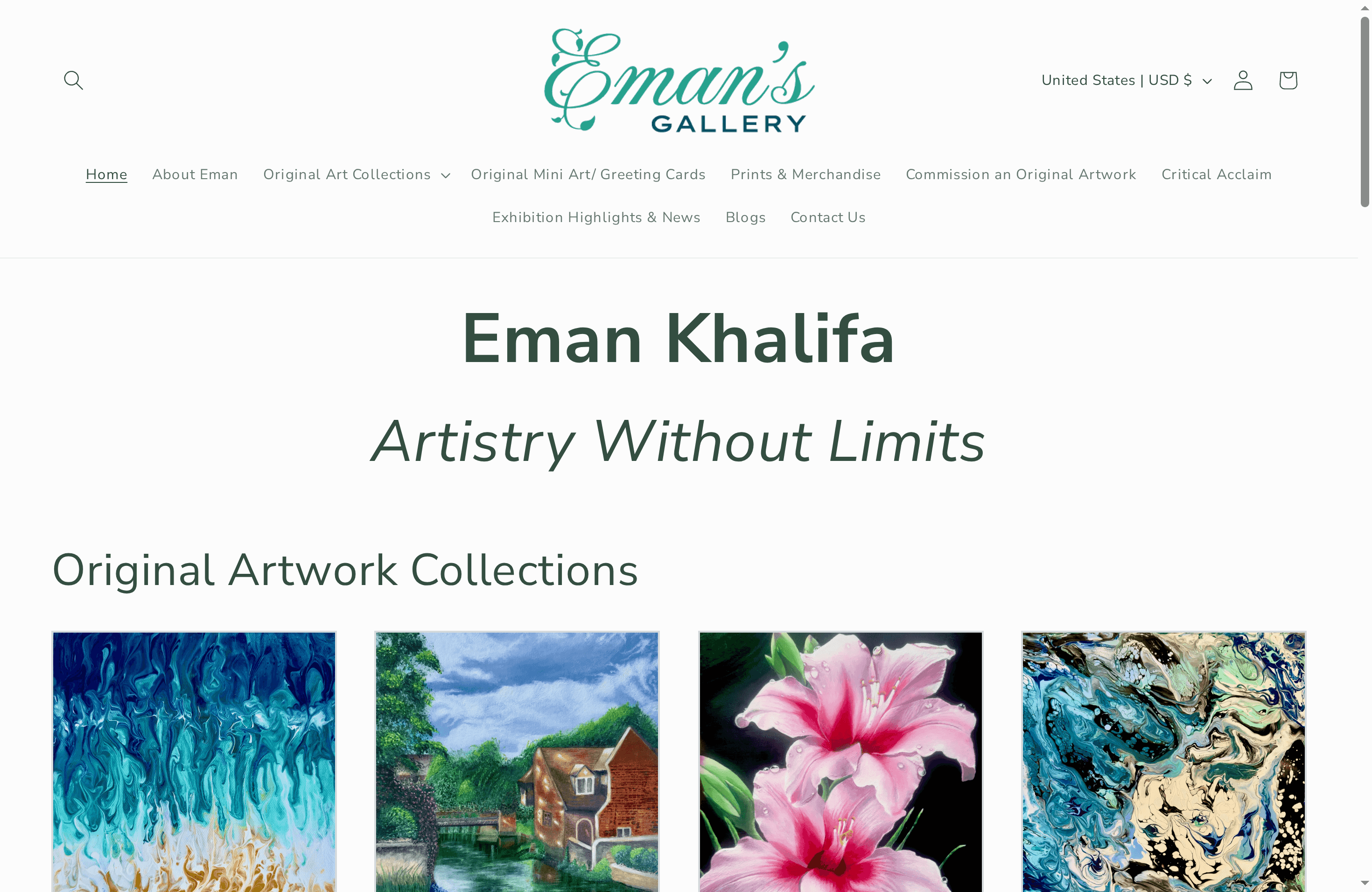
Browse the complete selection of wall art prints to find pieces that match your specific color palette, scale requirements, and design aesthetic. Each artwork includes detailed dimensions, color specifications, and styling suggestions to simplify your selection process. With worldwide shipping and a focus on unique, handmade originals, Eman’s Gallery provides the perfect resource for transforming your modern interior with art that truly reflects your personal style and enhances your daily living experience.
FAQ
What is the best type of art for minimalist modern interiors?
Monochrome geometric abstracts or single-color compositions work best for minimalist spaces, emphasizing simplicity and intentional negative space. Choose pieces where form and line create visual interest without chromatic complexity, ensuring the artwork respects the restraint central to minimalist design. Scale should be proportional but bold, with one large statement piece typically outperforming multiple smaller works. For practical display strategies, review interior art display ideas modern homes to optimize placement and lighting.
How can I choose art that reflects my personal style in a modern space?
Explore diverse styles and themes, noting which pieces evoke genuine emotional responses rather than following trends or designer recommendations. Trust your instincts about color, subject matter, and composition, then balance those preferences with your existing décor for visual harmony. Start with a mood board combining paint samples, furniture photos, and potential art images to test compatibility before purchasing. Building a collection over time allows your taste to evolve naturally. Learn systematic approaches through the step by step art collection guide for confident acquisition decisions.
What budget-friendly original art options are best for modern interiors?
Limited edition prints and canvas reproductions offer excellent budget alternatives, capturing the visual impact of originals at accessible price points. Investing in emerging artists provides unique pieces with potential appreciation value while supporting creative communities. Museum-quality printing technology now replicates texture and color accuracy remarkably well, making prints viable long-term décor solutions. Consider signature art merchandise for smaller accent pieces that extend your chosen aesthetic across multiple rooms without significant investment, creating cohesive design flow throughout your home.
Recommended
- 7 Innovative Interior Art Display Ideas for Modern Homes - Eman’s Gallery
- Why Decorate With Art: Transforming Modern Luxury Spaces
- Why Display Art at Home: Transforming Modern Spaces
- Art and Interior Design Explained: Transforming Modern Spaces - Eman’s Gallery
- Gallery 3 — Origins Ranch
Stay Connected
- ✨ Explore Eman Khalifa’s original art and fine art prints
- 📸 Follow Eman Khalifa’s art journey on: Instagram @emans_gallery and Facebook Eman’s Gallery
- 📹 Watch Eman Khalifa creating live art on: YouTube @emans_gallery
