


Essential art print caring tips for collectors: 5 key steps
Art prints are investments in beauty, but they’re also surprisingly fragile. UV light, humidity swings, and even the oils on your fingertips can quietly degrade a piece you paid good money for. Most collectors don’t realize the damage is happening until it’s already visible: faded colors, warped paper, yellowing edges. The good news is that protecting your prints doesn’t require a museum-grade conservation lab. A few consistent habits, applied at the right moments, can extend the life of your collection by decades.
Table of Contents
- Criteria for preserving art prints: What matters most
- Handling art prints: Step-by-step protective routines
- Displaying art prints: Placement, rotation, and light defense
- Storing art prints: Safe solutions for different types
- Comparison guide: Quick-reference print care summary
- Connect caring tips to unique art finds at Eman’s Gallery
- Frequently asked questions
Key Takeaways
| Point | Details |
|---|---|
| Stable environment is key | Keeping prints in a consistently cool, dry place prevents most damage. |
| Handle prints with care | Always use gloves and support prints fully to avoid oils and bending. |
| Smart display choices | Avoid sunlight and rotate prints often to protect them from fading. |
| Tailored storage protects | Storing prints flat, rolled, or oversized requires specific solutions. |
| Expert help when needed | Seek professional restoration for valuable or fragile art prints. |
Criteria for preserving art prints: What matters most
Before you rearrange your walls or buy storage supplies, it helps to understand what actually threatens art prints in a home setting. The three biggest culprits are light, moisture, and temperature fluctuation. Each one works slowly and silently, which is exactly what makes them dangerous.
According to art conservation guidelines, preventive care prioritizes stability over perfection, and consistency is the single most important factor for home settings. You don’t need a climate-controlled vault. You need an environment that doesn’t wildly fluctuate between seasons or even between morning and night.
Here’s a quick breakdown of the key environmental factors:
| Factor | Ideal range | Common risk |
|---|---|---|
| Relative humidity | 40–55% | Mold, warping, brittleness |
| Temperature | 60–75°F (15–24°C) | Cracking, adhesive failure |
| Light exposure | Minimal UV | Fading, color shift |
| Air quality | Low dust, no smoke | Surface contamination |
The most overlooked tool for home collectors is a hygrometer, a small device that measures humidity in a room. You can find one for under $20, and it tells you instantly whether your display space is safe. If your readings consistently fall outside the stable 40–55% RH range, a small humidifier or dehumidifier can correct the problem cheaply.
For a deeper look at what these standards mean in practice, the art print care instructions guide covers media-specific advice for canvas, paper, and giclée prints.
Pro Tip: The 40–55% humidity range isn’t arbitrary. Below 40%, paper fibers dry out and become brittle. Above 55%, you risk mold growth and ink bleeding. A hygrometer reading in this range means your prints are in a safe zone.
Handling art prints: Step-by-step protective routines
Physical handling causes more damage than most collectors expect. Skin oils, pressure marks, and accidental bending can leave permanent traces on a print’s surface. The fix is simple, but it requires building a habit.
Follow these steps every time you handle a print:
- Wash and dry your hands before touching any print, even if you plan to wear gloves.
- Put on clean cotton gloves. As Yale’s preservation guide notes, you should handle prints by edges only, using cotton gloves to prevent oil transfer and surface damage.
- Lift from the bottom and sides. Never grip the image area directly, even through gloves.
- Keep the print flat during transport. Tilting or bending, even slightly, can stress the paper fibers.
- Place on a clean, padded surface before setting down. A soft cloth or foam mat works well.
- Avoid stacking prints face-to-face without protective interleaving tissue between them.
“The most common source of irreversible print damage isn’t poor storage. It’s casual handling during moves, reframing, or cleaning.”
For preserving fine art prints long-term, building these steps into a consistent routine matters more than any single product you buy. You can also find a structured art print maintenance workflow that walks through seasonal care tasks in detail.
Pro Tip: For rolled or oversized prints, unroll slowly on a clean flat surface. Place soft weights (like clean books wrapped in cloth) along the edges to let the print relax naturally. Never force it flat or use tape.
Displaying art prints: Placement, rotation, and light defense
Where you hang a print matters as much as how you frame it. Two rooms in the same house can have dramatically different risk profiles depending on light, heat sources, and moisture levels.
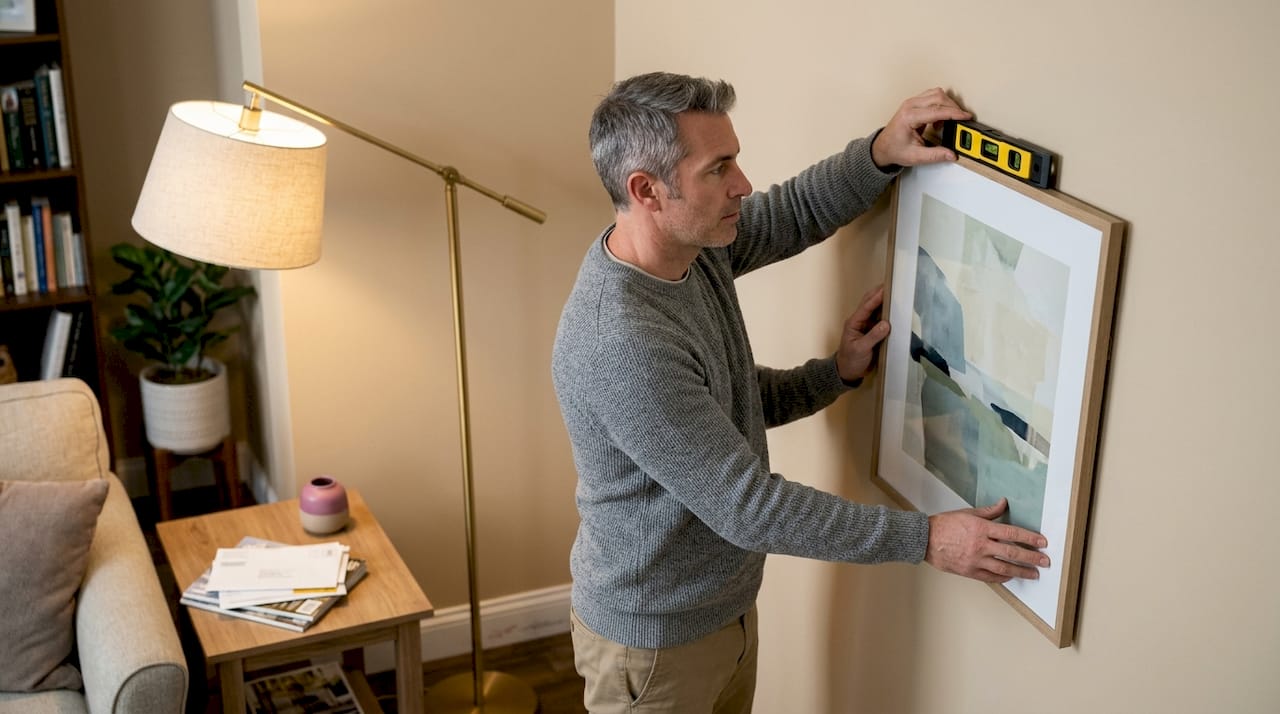
The display conservation advice from conservation experts is clear: keep prints away from direct sunlight, heat sources, and high-humidity areas like kitchens and bathrooms. A hallway with indirect light is safer than a sunny living room wall, even if the living room looks better.
Here’s a side-by-side comparison of display locations:
| Location | Risk level | Notes |
|---|---|---|
| North-facing wall, interior room | Low | Best for sensitive prints |
| South-facing window wall | High | Direct UV exposure |
| Kitchen or bathroom | High | Humidity and grease |
| Hallway with indirect light | Low to medium | Good airflow, minimal UV |
| Near a fireplace or radiator | High | Heat causes paper to dry and crack |
A few practical display strategies worth adopting:
- Use UV-filtering glass or acrylic in frames. Standard glass blocks almost no UV light.
- Rotate light-sensitive prints every three to six months. Rotating displays limits cumulative exposure and extends the print’s life significantly.
- Display copies of your most vulnerable originals. Keep the original stored safely and enjoy a high-quality reproduction on the wall.
- Adjust lighting angles so spotlights don’t shine directly onto the print surface. Lighting adjustment tips can help you get the look you want without the damage.
For ideas on how to arrange prints beautifully while keeping them safe, the guide on styling art prints covers layout, spacing, and wall groupings. If you’re choosing frames, the framing prints guide explains which materials offer the best long-term protection.
“A stable environment and thoughtful placement will always outperform an elaborate setup in an unsuitable room.”
Storing art prints: Safe solutions for different types
Not every print lives on a wall. Seasonal pieces, gifts waiting to be framed, and overflow from a growing collection all need proper storage. The wrong approach here can undo years of careful display habits.
Here’s what works for each print type:
Flat prints (paper, giclée, lithograph):
- Store horizontally in acid-free folders or flat boxes.
- Place acid-free tissue between each print to prevent surface contact.
- Keep boxes in a cool, dry room away from exterior walls.
- Never store in a basement or attic where temperature swings are extreme.
Rolled prints (posters, large-format prints):
- As Yale’s storage best practices recommend, unroll slowly with support and use gentle weights to flatten before re-rolling.
- Roll loosely around an acid-free tube, image side out.
- Store tubes horizontally in a clean, dry space.
Oversized prints:
- Avoid folding at all costs. Fold lines are permanent.
- If a print is already damaged or requires restoration, consult a professional conservator rather than attempting home repairs.
For a full breakdown of art print storage solutions by print type and size, including what to look for in acid-free materials, that resource covers the specifics in detail. You’ll also find media-specific advice in the care instructions for prints guide.
Pro Tip: Label every storage container with the artist’s name, the print title, the date acquired, and the media type. When you’re pulling prints out months later, this saves time and prevents unnecessary handling.
Comparison guide: Quick-reference print care summary
Use this table as a fast reference when you’re making decisions about handling, display, or storage. It pulls together the key recommendations from the sections above.
| Care area | Best practice | What to avoid |
|---|---|---|
| Handling | Cotton gloves, edges only, flat surface | Bare hands, gripping image area |
| Display environment | 40–55% RH, indirect light, stable temp | Kitchens, bathrooms, sunny walls |
| Framing | UV-filtering glass or acrylic | Standard glass, no backing board |
| Flat storage | Acid-free folders, horizontal, cool room | Basements, attics, stacking without tissue |
| Rolled storage | Acid-free tube, image side out, horizontal | Tight rolling, vertical storage |
| Oversized prints | Professional conservator for damage | Folding, DIY restoration attempts |
| Rotation | Every 3–6 months for light-sensitive pieces | Leaving in direct light indefinitely |
Collectors who apply these practices consistently can expect significantly longer print lifespans. Research on archival preservation for art prints shows that preventive care routines can extend a print’s display life by up to 40% compared to unmanaged conditions. That’s the difference between a print that fades in 15 years and one that still looks sharp at 25.
The table above isn’t exhaustive, but it covers the decisions you’ll face most often. Bookmark it, print it out, or save it somewhere accessible before your next rehang.
Connect caring tips to unique art finds at Eman’s Gallery
Now that you’re equipped to protect what you own, it’s worth thinking about what you add to your collection next. The best prints are the ones worth protecting.
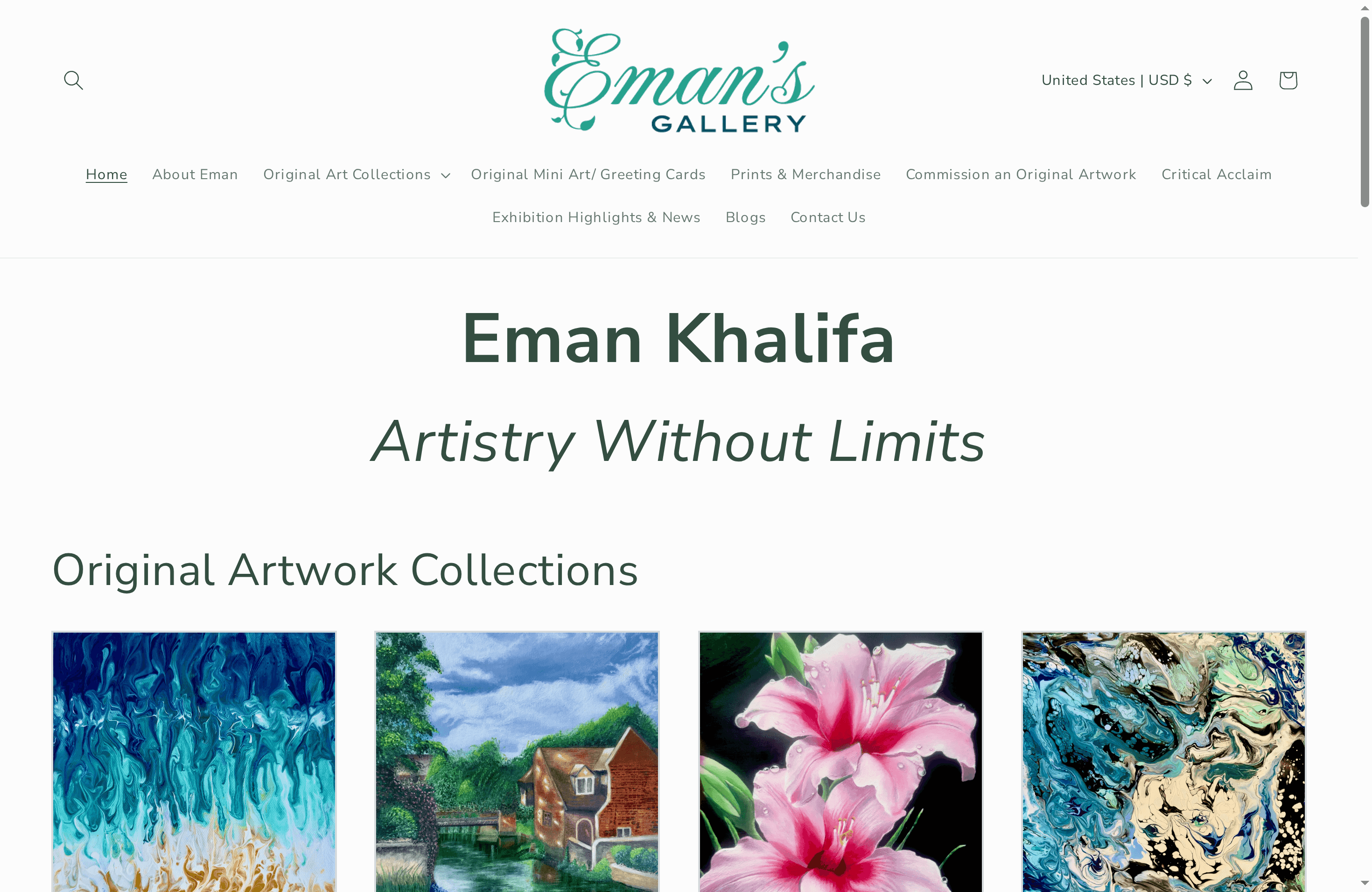
At Eman’s Gallery, every canvas print and original painting is created with longevity in mind, using museum-quality materials that respond well to the care practices covered in this article. Whether you’re drawn to bold abstract work or something quieter, pieces like the Private Eye canvas print are made to last when displayed thoughtfully. If you’re still figuring out where and how to hang your new pieces, the guide on displaying art prints at home walks through placement, grouping, and styling in practical terms. Good art deserves good care, and we’re here to help with both.
Frequently asked questions
Can I clean art prints at home without damaging them?
Yes, but keep it minimal. Use a soft brush or a can of compressed air to remove dust, and handle prints by edges throughout the process. Avoid water, cleaning sprays, or any direct contact with the image surface.
How often should I rotate art prints on display?
Rotate light-sensitive prints every three to six months to reduce cumulative UV exposure. Prints in low-light rooms can go longer between rotations.
What’s the best environment for storing art prints?
A stable room with 40–55% relative humidity, away from sunlight and heat sources, is ideal. Avoid basements and attics where stable 40–55% RH conditions are hard to maintain.
What should I do with damaged or oversized prints?
For any print with tears, foxing, or significant fading, contact a professional conservator. As Yale’s preservation guide advises, professional restoration is the right call for oversized or high-value pieces rather than DIY attempts.
Recommended
- Art Print Care: 40% Longer Life with Archival Methods
- 7 Art Collector Tips for Valuable Collections - Eman’s Gallery
- Art Print Care Instructions for Preserving Fine Art - Eman’s Gallery
- Art Print Maintenance Workflow for Long-Lasting Beauty - Eman’s Gallery
- Wine investment benefits for collectors and investors – FU Wine
Stay Connected
-
✨ Explore Eman Khalifa’s original art, fine art prints & art merchandise
-
📸 Follow Eman Khalifa’s art journey on: Instagram @emans_gallery and Facebook Eman’s Gallery
-
📹 Watch Eman Khalifa creating live art on: YouTube @emans_gallery
