


Canvas Print: What It Is and Why It Matters
TL;DR:
- A canvas print is a digital image printed on textured fabric and mounted on a wooden frame for wall display. It is a reproducible, durable, textured art piece that closely resembles an original painting and can last up to 200 years. Proper manufacturing and care are essential to ensure visual quality and longevity of the print.
A canvas print is defined as a digital image printed directly onto canvas fabric and mounted on a wooden stretcher frame for wall display. The term “canvas print” is the standard industry label, though you may also see it called a giclée canvas print or a fine art canvas reproduction. The process combines inkjet or giclée printing technology with traditional stretching and framing craftsmanship. The result is a textured, durable piece of wall art that closely resembles an original painting without being one.
What is a canvas print? definition and core materials
A canvas print is a digital image printed on textured fabric, commonly cotton or polyester blends, and stretched over a wooden frame for display. That single sentence covers the canvas print definition, but the details behind each component matter more than most buyers realize.
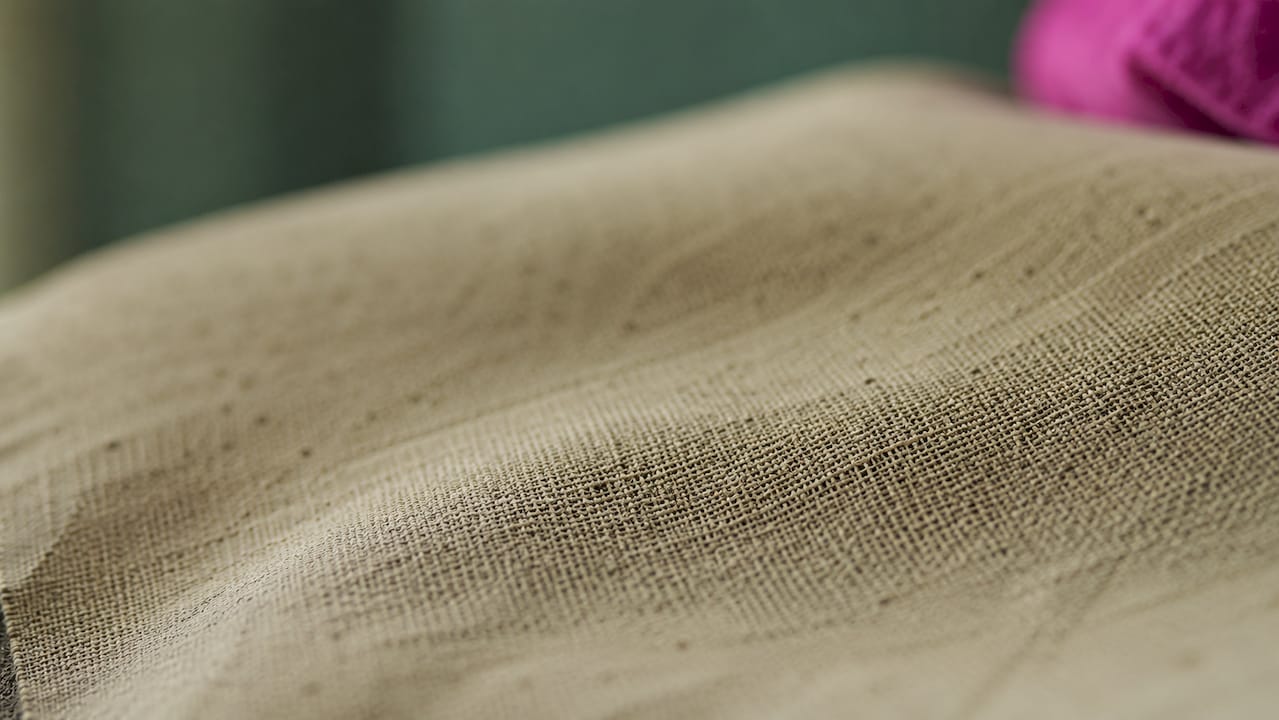
Canvas fabric is the foundation. Cotton canvas is the premium standard. It accepts ink evenly, holds texture well, and resists yellowing over decades. Polyester blends cost less but tend to show color shifts over time. Poly-cotton blends sit in the middle, offering reasonable durability at a moderate price point.
Printing technology determines color fidelity. Inkjet printing is the baseline method. Giclée printing is the professional-grade version, using archival pigment inks sprayed at extremely high resolution. The word “giclée” comes from the French verb meaning “to spray,” and it has become the recognized term for museum-quality fine art printing. You can learn more about giclée print standards and how they affect color accuracy and longevity.
The wooden frame is called a stretcher bar assembly. It holds the canvas taut and gives the print its three-dimensional, gallery-wrapped appearance. The frame is what separates a canvas print from a flat paper poster.
How are canvas prints made?
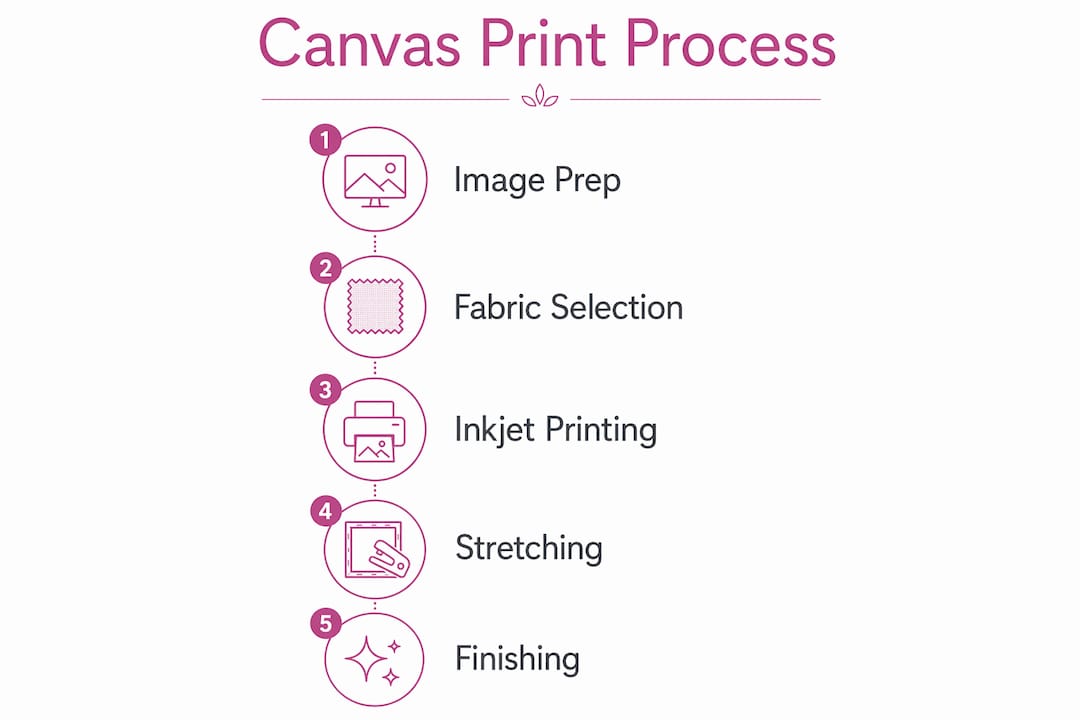
The production of a canvas print follows a clear sequence. Each step affects the final quality.
-
Image preparation. A digital file is color-corrected and sized for the target canvas dimensions. Resolution must be high enough to avoid pixelation at large sizes. Professional printers typically require a minimum of 150 DPI at the final print size.
-
Printing. The canvas fabric feeds through a wide-format inkjet or giclée printer. Archival pigment inks bond with the canvas fibers rather than sitting on the surface. This bonding is what makes the color resistant to fading.
-
Drying and coating. After printing, the canvas dries fully. Many premium producers apply a UV-protective coating or a pH-neutral archival varnish. This layer shields the pigments from ultraviolet light and airborne pollutants.
-
Stretching. Skilled craftsmen pull the canvas tightly over the wooden stretcher bars and staple it to the back. Tension must be even across all four sides. Uneven tension creates visible ripples or sagging within months.
-
Framing and finishing. The corners are folded and secured. The back is inspected for tension consistency. Skilled craftsmen in stretching and mounting are as important to final quality as the printer itself.
Pro Tip: Ask any canvas print supplier whether their stretcher bars are kiln-dried. Kiln-dried wood resists warping caused by humidity changes, which is the most common reason canvas prints lose their flat appearance over time.
How do canvas prints compare to paintings and posters?
Understanding what a canvas art print is requires knowing what it is not. The three formats buyers most often confuse are original paintings, canvas prints, and paper posters.
| Format | Surface | Production Method | Uniqueness | Typical Lifespan |
|---|---|---|---|---|
| Original painting | Canvas or board | Hand-applied paint by artist | One of a kind | 100+ years with care |
| Canvas print | Canvas fabric | Inkjet or giclée printing | Reproducible | 75–200 years (archival) |
| Paper poster | Coated paper | Digital printing | Reproducible | 10–25 years |
Canvas prints are mechanical reproductions, enabling multiple identical copies from a single digital file. An original painting involves direct pigment application by the artist’s hand. No two originals are the same. A canvas print can be reprinted on demand.
The texture difference between a canvas print and a paper poster is significant. Canvas fabric has a woven grain that catches light and creates depth. A paper poster is flat and reflective. Side by side, the canvas print reads as art. The poster reads as a reproduction.
Longevity separates canvas prints from paper prints most clearly. High-quality giclée canvas prints using archival pigment inks can last 75–200 years under proper display conditions. Standard paper posters rarely exceed 25 years before noticeable fading.
What are the best uses and benefits of canvas prints?
Canvas prints serve a wide range of purposes. The benefits of canvas prints make them one of the most versatile wall art formats available.
- Home decor. Canvas prints work in living rooms, bedrooms, hallways, and home offices. Their textured surface adds visual weight that flat prints cannot match.
- Commercial spaces. Hotels, restaurants, and corporate offices use canvas prints for large-scale wall installations. The format scales well from small accent pieces to oversized statement walls.
- Personal photography. Made-to-order canvas prints allow customers to transform personal photos into unique wall art. This is a fundamentally different product from mass-produced retail prints, where licensing rights remain with the vendor.
- Art reproduction. Artists and galleries use canvas prints to offer affordable reproductions of original works. Buyers get the visual experience of a painting at a fraction of the cost.
- Gift giving. A canvas print of a meaningful photo or artwork is a durable, personalized gift that outlasts most alternatives.
The textured aesthetic and vibrant colors of canvas prints enrich both photographs and artwork, making them a popular choice for customizable wall decor across residential and commercial settings.
Pro Tip: For large walls, a single oversized canvas print creates more visual impact than a grid of smaller prints. Most professional interior designers recommend a minimum of 24 x 36 inches for any wall wider than 8 feet.
How to choose and care for canvas prints
Selecting a quality canvas print and maintaining it correctly determines how long it looks good on your wall.
-
Verify the frame material. Kiln-dried wooden stretcher bars prevent warping. Ask specifically about this. Generic pine or untreated wood expands and contracts with humidity, pulling the canvas out of shape.
-
Confirm archival ink standards. Any reputable supplier should state whether they use archival pigment inks. Dye-based inks fade faster and are not suitable for long-term display.
-
Check canvas weight and weave. Heavier cotton canvas (typically 340–400 GSM) holds tension better and shows less texture distortion at large sizes.
-
Avoid direct sunlight. UV light degrades even archival inks over time. Display canvas prints away from windows or use UV-filtering glass if the piece is in a bright room. Proper art print maintenance extends the life of any canvas significantly.
-
Clean carefully. Dust with a soft, dry microfiber cloth. Never use water or cleaning sprays directly on the canvas surface. Moisture can cause the fabric to sag or the ink to lift.
-
Watch for sagging. Poor quality canvas prints using cheap polyester blends and inadequate tensioning develop sagging or visible corner folds within 1–2 years. If you notice early sagging, canvas pliers and replacement stretcher keys can re-tension the fabric before the damage becomes permanent.
Key takeaways
A canvas print is a printed-on-fabric wall art format that combines archival inkjet technology with hand-stretched wooden frames to produce durable, textured pieces lasting up to 200 years.
| Point | Details |
|---|---|
| Canvas print definition | A digital image printed on cotton or poly-cotton canvas and stretched over a wooden frame. |
| Production quality markers | Archival pigment inks, kiln-dried stretcher bars, and even hand-tensioning determine longevity. |
| Canvas print vs. painting | Paintings are unique hand-applied works; canvas prints are reproducible mechanical copies. |
| Lifespan advantage | Giclée canvas prints last 75–200 years; paper posters typically fade within 10–25 years. |
| Best use cases | Home decor, commercial spaces, personal photography, art reproduction, and gift giving. |
Where technology meets craft: my perspective as an artist
Most people assume canvas prints are simply photos on fabric. That misses the real story. The quality gap between a well-made canvas print and a cheap one is enormous, and it comes down almost entirely to the framing process, not the printer.
I have watched suppliers invest in the best wide-format printers available and then undercut all of that quality by rushing the stretching step. Uneven tension is invisible in the first week. Six months later, the canvas has a visible bow across the center. The ink is perfect. The frame ruined it.
The other misconception I encounter constantly is that canvas prints are a lesser alternative to original paintings. They are a different product entirely. A canvas print of a strong composition, printed with archival inks on quality cotton, and properly framed will outlast most paper-based art in any collection. For buyers who want the visual texture of a painting without the price of an original, a well-made canvas print is the most honest answer the market offers.
What I find genuinely interesting is how the giclée process has changed art accessibility. Works that once existed only in museum collections can now be reproduced at near-original fidelity. That is not a compromise. It is a different kind of value.
— Eman
Explore canvas prints at Emansgallery
Emansgallery offers a curated selection of museum-quality canvas prints made from original artworks by artist Eman Khalifa. Each print uses archival pigment inks on premium cotton canvas, hand-stretched over kiln-dried wooden frames.
Whether you are decorating a living room, searching for a statement piece for a luxury interior, or looking for a meaningful gift, the canvas and framed prints collection covers abstract, geometric, seascape, and figurative styles. Standout pieces include the Private Eye canvas print and the Fragments of Memory canvas print, both available for worldwide shipping from the UK, USA, Canada, Australia, and beyond.
FAQ
What is a canvas print, exactly?
A canvas print is a digital image printed on canvas fabric, typically cotton or a poly-cotton blend, and stretched over a wooden frame for display. It is the standard format for gallery-quality wall art reproductions.
How long do canvas prints last?
High-quality giclée canvas prints using archival pigment inks last 75–200 years under proper display conditions. Cheaper prints using dye-based inks or polyester blends fade significantly faster.
Are canvas prints the same as original paintings?
No. Canvas prints are mechanical reproductions made from digital files. Original paintings involve direct pigment application by an artist and are one of a kind. Multiple identical canvas prints can be produced from a single image.
What makes a canvas print high quality?
Quality depends on three factors: archival pigment inks, kiln-dried wooden stretcher bars, and even hand-tensioning during the stretching process. Any weakness in these three areas shortens the print’s lifespan and appearance.
Can i turn my own photo into a canvas print?
Yes. Made-to-order canvas print services allow customers to upload personal photos or artwork and receive a custom wall art piece. This differs from mass-produced retail prints, where the vendor holds the image licensing rights.
Stay Connected
- ✨ Explore Eman Khalifa's original art, fine art prints and art-inspired merchandise.
- Follow Eman Khalifa's art journey on: Instagram @emans_gallery and Facebook
- Watch Eman Khalifa creating live art on: YouTube @emans_gallery
