


7-Step Collecting Art Prints Checklist for Luxury Homes
Over 65 percent of luxury homeowners say the right art print instantly transforms a space. With the modern american and British interior scene growing more personalized every year, selecting unique art has become just as important as choosing furniture. Whether you crave bold color or subtle sophistication, discovering the art print that harmonizes with your space and style means every room feels both curated and uniquely yours.
Table of Contents
- 1. Define Your Art Print Style And Room Theme
- 2. Set A Realistic Budget For Quality Wall Art
- 3. Research Trusted Galleries And Online Sellers
- 4. Verify Authenticity And Print Quality Standards
- 5. Consider Size, Framing, And Placement Options
- 6. Review Artist Credentials And Print Edition Details
- 7. Plan Optimal Installation And Art Care Routine
Quick Summary
| Takeaway | Explanation |
|---|---|
| 1. Define Your Art Style | Assess your room’s theme and color palette to ensure art prints align with your overall aesthetic. |
| 2. Set a Budget | Establish a realistic budget for art purchases to prioritize quality over quantity in your collection. |
| 3. Research Reputable Sellers | Verify the authenticity and quality of art sellers through reviews and documentation before buying. |
| 4. Authenticate Art Prints | Confirm signatures, edition numbers, and quality standards to protect your investment in art. |
| 5. Plan for Installation | Consider proper lighting, temperature, and mounting materials to ensure the longevity of your art collection. |
1. Define Your Art Print Style and Room Theme
Selecting art prints for your luxury home begins with understanding your unique interior design aesthetic and personal artistic preferences. Your art collection should reflect your personality while creating a harmonious visual narrative throughout your living spaces.
Interior design experts suggest that successful art selection starts with analyzing your existing room theme and architectural style. Whether your home embraces modern minimalism, classic elegance, or eclectic global influences, your art prints should complement and enhance the underlying design language.
To effectively define your art print style, consider these strategic approaches:
Room Theme Assessment
- Examine your current interior color palette
- Identify predominant architectural elements
- Recognize the emotional atmosphere you want to create
Art Style Alignment
- Match art print styles with room design
- Select color schemes that harmonize with existing decor
- Balance visual weight and spatial proportions
Understanding how art interacts with your space is crucial. Interior design principles recommend choosing art prints that create visual dialogue with your room’s existing elements, not compete with them.
Emotional connection matters significantly. Select art prints that resonate with you personally, creating an authentic representation of your taste and lifestyle. A thoughtfully curated art collection transforms a house into a home.
Pro Tip: Create a digital mood board using design apps to visualize how different art prints will interact with your existing room theme before making final selections.
2. Set a Realistic Budget for Quality Wall Art
Budgeting for art prints is a strategic process that transforms your luxury home collection from random acquisitions to a thoughtful investment. Understanding your financial boundaries helps you curate a meaningful art collection without compromising quality or overextending your resources.
Art collecting is less about spending large sums and more about making intelligent purchasing decisions. Art collection strategies suggest creating a structured approach to your art investment that aligns with your financial capabilities and aesthetic goals.
Budget Allocation Strategies
- Determine a monthly or quarterly art investment amount
- Research price ranges for different art print categories
- Consider quality over quantity
Budget Tiers for Art Collecting
- Introductory Level: $25 $100 monthly
- Intermediate Level: $250 $500 quarterly
- Advanced Collectors: $1000+ annually
Prioritize prints that offer exceptional quality and potential long term value. Look for limited edition pieces from emerging artists or established creators with proven market recognition. Each art print should feel like a carefully considered addition to your home rather than an impulse purchase.
Remember that building an art collection is a gradual process. Start with smaller investments and expand your collection strategically as your confidence and understanding grow.
Pro Tip: Create a dedicated savings fund for art purchases separate from your regular discretionary spending to maintain disciplined and intentional collecting.
3. Research Trusted Galleries and Online Sellers
Finding reputable art print sources requires strategic research and careful evaluation of potential sellers. Your goal is to discover platforms that offer authentic artworks with proven quality and reliable purchasing experiences.
Art collectors should approach online art purchases with a discerning eye. Gallery quality standards help buyers distinguish between professional art marketplaces and amateur sellers.
Research Criteria for Art Sellers
- Verify seller authenticity and professional reputation
- Check comprehensive customer review systems
- Examine artist and print provenance documentation
- Review return and authenticity guarantee policies
- Investigate print production and archival quality
Recommended Research Channels
- Professional online art galleries
- Curated marketplace platforms
- Local art galleries with online presence
- Artist direct sales websites
- Verified museum and gallery gift shops
When evaluating potential art print sellers, look beyond attractive imagery. Investigate their reputation by examining customer feedback, understanding their print production methods, and confirming the authenticity of their artwork collection.
Remember that a trusted seller provides transparent information about print origins, artist backgrounds, and technical specifications of their artwork.
Pro Tip: Create a digital spreadsheet to track and compare different art sellers research findings including pricing website reputation and unique offerings.
4. Verify Authenticity and Print Quality Standards
Authentic art prints represent far more than decorative elements they are valuable investments requiring meticulous verification. Distinguishing genuine collectible prints from mass produced reproductions demands a strategic and informed approach.
Signed art print authentication involves examining multiple critical factors that validate a print performance and value.
Authentication Verification Checklist
- Confirm artist signature
- Check edition numbering
- Review certificate of authenticity
- Examine print production techniques
- Validate paper quality and type
- Inspect printing method
- Research print provenance
Key Authentication Elements
- Signature: Hand signed by original artist
- Numbering: Consistent limited edition markings
- Certificate: Official document verifying print details
- Paper: Archival quality museum grade materials
- Printing: Professional techniques like lithography or giclée
Professional collectors understand that authentication is not just about visual appeal but protecting your artistic investment. Carefully documenting and verifying each print helps maintain its long term value and artistic integrity.
Pro Tip: Photograph authentication documents and store digital copies in a secure cloud backup to protect your art investment records.
5. Consider Size, Framing, and Placement Options
Selecting art prints requires strategic consideration of size, framing, and room placement to transform your luxury home into a curated visual experience. The right art print can elevate your interior design from ordinary to extraordinary.
Styling art prints for home display involves understanding how visual elements interact within your living space.
Size Selection Strategies
- Large prints for spacious rooms
- Medium prints for balanced areas
- Small prints for intimate spaces
- Proportional sizing with furniture scale
Framing Considerations
-
Protective Features
- UV protective glass
- Acid free mounting materials
- Archival quality backing
-
Aesthetic Matching
- Complement room color palette
- Match furniture style
- Consider metal wood or minimalist frames
Placement Principles
- Hang at average eye level (57 58 inches from floor)
- Create visual balance with furniture
- Consider natural light exposure
- Allow breathing room around artwork
- Use artwork as room focal points
Successful art print integration requires thoughtful planning and an understanding of how visual elements interact within your living environment.
Pro Tip: Use painter tape to create precise placement templates before permanently hanging your art prints to visualize their final positioning.
6. Review Artist Credentials and Print Edition Details
Evaluating an artist’s credentials and understanding print edition specifics are crucial steps in building a meaningful art print collection for luxury homes. Your investment goes beyond aesthetic appeal and requires careful research into the artist’s professional background and print characteristics.
Limited edition print collecting requires strategic evaluation of artist reputation and print details.
Artist Credentials Assessment
- Academic art training background
- Professional exhibition history
- Gallery representation
- Awards and critical recognition
- Published portfolio or catalog
Print Edition Details
-
Numerical Tracking
- Total edition size
- Individual print number
- Limited edition status
-
Technical Specifications
- Printing technique
- Paper quality
- Archival preservation standards
-
Provenance Documentation
- Artist signature
- Certificate of authenticity
- Print registration details
Careful investigation of these elements helps distinguish between casual reproductions and valuable collectible art prints. Understanding an artist work and print characteristics protects your investment and ensures you acquire meaningful pieces.
Pro Tip: Create a digital portfolio documenting your art print collection with detailed notes about each piece artist background and edition information.
7. Plan Optimal Installation and Art Care Routine
Preserving the beauty and value of art prints requires a strategic approach to installation and ongoing maintenance. Your art collection represents a significant investment that demands thoughtful care and protection.
Art print care instructions help collectors maintain their artwork quality and longevity.
Installation Considerations
- Avoid direct sunlight exposure
- Maintain stable temperature and humidity
- Use archival quality mounting materials
- Select UV protective glazing
- Consider professional installation services
Art Care Routine Elements
-
Cleaning Techniques
- Use soft microfiber cloths
- Avoid liquid cleaners
- Gentle dust removal
-
Storage Recommendations
- Acid free storage boxes
- Cool and dry environment
- Avoid basement or attic spaces
-
Handling Protocols
- Always wear clean cotton gloves
- Handle prints by edges
- Minimize direct contact
Consistent and careful maintenance protects your art prints from environmental damage and preserves their aesthetic and monetary value. Treat each piece as a precious investment requiring professional level attention.
Pro Tip: Create a dedicated art care kit with microfiber cloths white cotton gloves and acid free tissue paper for professional level print maintenance.
Below is a comprehensive table summarizing the key strategies and recommendations for selecting art prints for luxury home design discussed throughout the article.
| Main Topic | Details | Recommendations |
|---|---|---|
| Defining Style and Theme | Analyze the room’s design and personal preferences. | Evaluate color palettes, architectural elements, and desired atmospheres. |
| Budgeting | Establish financial boundaries for art purchases. | Prioritize quality pieces appropriate for budget levels, considering introductory to advanced collector tiers. |
| Researching Art Sellers | Evaluate gallery and online marketplace credentials. | Verify authenticity, customer feedback, and seller reputations. |
| Verifying Authenticity | Confirm the legitimacy of art prints. | Check for artist signatures, limited-edition documentation, and archival material quality. |
| Sizing and Placement | Fit art proportions to space and ensure suitable display techniques. | Consider medium matching frames and maintain eye-level placement. |
| Artist and Edition Details | Explore artist credentials and limited-edition print characteristics. | Assess exhibition history, printing techniques, and certificates of authenticity. |
| Installation and Maintenance | Protect and sustain the value and integrity of the art. | Avoid direct sunlight, maintain proper handling, and implement cleaning routines. |
This table provides an outline of actionable steps for integrating and maintaining an art print collection in a luxury home setting.
Elevate Your Luxury Home with Handpicked Canvas Art Prints
Curating a sophisticated art print collection for your luxury home requires keen attention to style, authenticity, and quality. The 7-step checklist highlights the importance of aligning your art choices with your room theme, verifying print editions, and selecting archival framing techniques. At Eman’s Gallery, we understand these challenges and offer a refined selection of museum-quality Canvas Art Prints by Eman Khalifa that embody originality and timeless elegance.
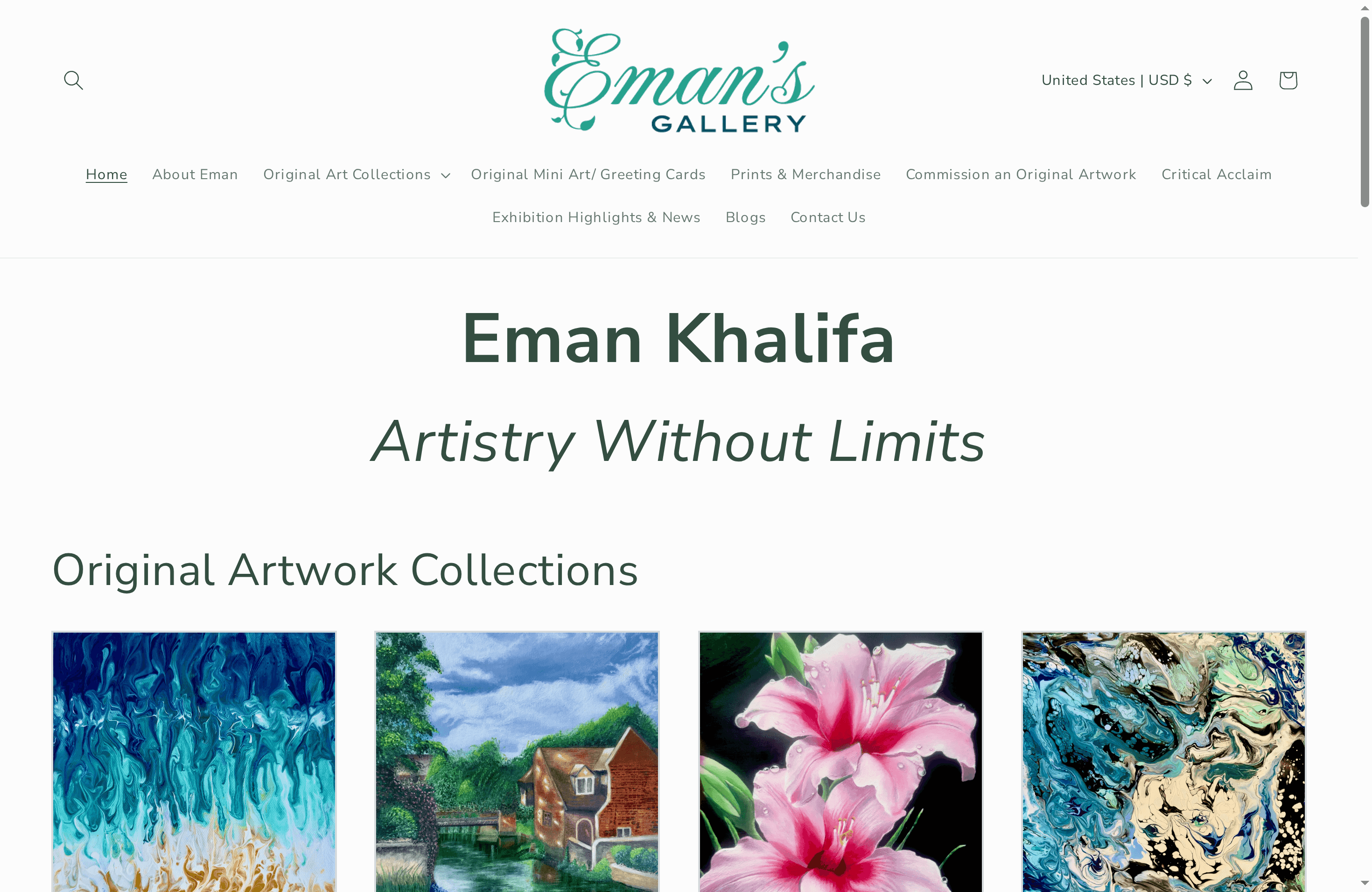
Transform your space effortlessly with art prints that resonate emotionally and meet the highest standards of craftsmanship. Explore our exclusive collection at Artwork Printed on Canvas for pieces that promise authentic value and impeccable presentation. Begin building your distinctive collection today by visiting Eman’s Gallery and find the perfect art that complements your luxury lifestyle.
Frequently Asked Questions
How do I define my art print style and room theme?
To define your art print style and room theme, start by analyzing your existing color palette, architectural elements, and the emotional atmosphere you want to create. Consider creating a digital mood board using design apps to visualize how different prints will enhance your living spaces.
What budget should I set for purchasing quality art prints?
Set a realistic budget for art prints by determining an investment amount that aligns with your financial capabilities. For example, you might allocate $250 to $500 quarterly for art purchases, prioritizing quality pieces to build a meaningful collection over time.
How do I research trusted galleries and online sellers for art prints?
Research trusted galleries and online sellers by verifying their authenticity and reputation. Create a digital spreadsheet to track seller information, customer reviews, pricing, and return policies to ensure a reliable purchasing experience.
What should I look for to verify the authenticity of art prints?
To verify the authenticity of art prints, check for the artist’s signature, edition numbering, and a certificate of authenticity. Use a checklist to confirm these elements alongside paper quality and printing techniques to protect your investment.
How should I select the size and framing for my art prints?
Select the size of your art prints based on the proportions of your furniture and the space available. Use protective features like UV protective glass and archival quality materials when framing to enhance the artwork’s longevity and aesthetic appeal.
What are the best practices for installing and caring for art prints?
For optimal installation, avoid direct sunlight exposure and maintain stable temperature and humidity. Establish an ongoing care routine that includes gentle dust removal with microfiber cloths and proper storage to preserve your art prints’ quality and value.
Recommended
- Art Collection Basics: Elevating Luxury Home Interiors
- Role of Prints in Decor: Elevating Luxury Interiors
- Art Showcasing Techniques for Luxurious Interiors
- Why Seasonal Art Prints Matter in Upscale Interiors
Stay Connected
- ✨ Explore Eman Khalifa’s original art and fine art prints
- 📸 Follow Eman Khalifa’s art journey on: Instagram @emans_gallery and Facebook Eman’s Gallery
- 📹 Watch Eman Khalifa creating live art on: YouTube @emans_gallery
