


Understand modern art: guide for luxury spaces 2026
Many people dismiss modern art as random splashes of paint or incomprehensible abstract shapes. This misconception keeps collectors and designers from confidently selecting pieces that could transform luxury interiors. Modern art spans over 100 years and covers diverse styles from Impressionism to Abstract Expressionism, offering rich narratives and emotional depth. This guide clarifies what modern art truly encompasses, explores its key movements and philosophies, corrects common myths, and provides practical strategies for integrating these works into sophisticated spaces.
Table of Contents
- Definition And History Of Modern Art
- Key Movements In Modern Art
- Core Concepts And Philosophies Of Modern Art
- Common Misconceptions About Modern Art
- Modern Art In Contemporary Design And Trends
- Practical Application For Collectors And Designers
- Discover Modern Art Pieces For Luxury Interiors At Eman’s Gallery
- Frequently Asked Questions
Key takeaways
| Point | Details |
|---|---|
| Modern art redefined expression | Movement emerged in late 19th century, rejecting classical realism for abstraction and experimentation. |
| Major movements include Impressionism, Cubism, Surrealism, Abstract Expressionism | Each style represents distinct approaches to form, perspective, and emotional communication. |
| Core concepts emphasize abstraction and emotion | Artists simplify forms to evoke feelings and explore psychological themes through innovative materials. |
| Many misconceptions exist | Modern art includes representational styles, not just abstract work, and enhances luxury design narratives. |
| Influences current design trends | Bold colors, surreal imagery, and nature themes from modern art shape 2026 luxury interior aesthetics. |
Definition and history of modern art
Modern art is an art movement beginning in the late 19th century focusing on abstraction, experimentation, and breaking tradition. This period roughly spans from the 1860s through the 1970s, marking a dramatic shift in how artists approached their craft. Instead of meticulously recreating reality, modern artists prioritized personal vision, emotional expression, and innovative techniques.
Modern art’s origins were influenced by industrialization, war, and technological change, causing artists to explore themes like alienation, urban life, and psychology. The rapid transformation of society demanded new visual languages. Artists responded by abandoning academic conventions and creating works that reflected the fractured, complex nature of modern existence.
Key characteristics of modern art include:
- Rejection of classical realism in favor of subjective interpretation
- Experimentation with new materials, techniques, and compositional approaches
- Focus on the artist’s inner vision rather than external representation
- Exploration of psychological states, urban experiences, and social critiques
- Use of bold colors, simplified forms, and unconventional perspectives
This revolutionary period fundamentally changed how we understand art’s purpose. Modern artists saw their work as a vehicle for personal expression and social commentary rather than mere decoration. For collectors and designers today, understanding this context helps explain why modern pieces carry such emotional weight and why they resonate so powerfully in transforming modern luxury spaces where authenticity and narrative matter.
Key movements in modern art
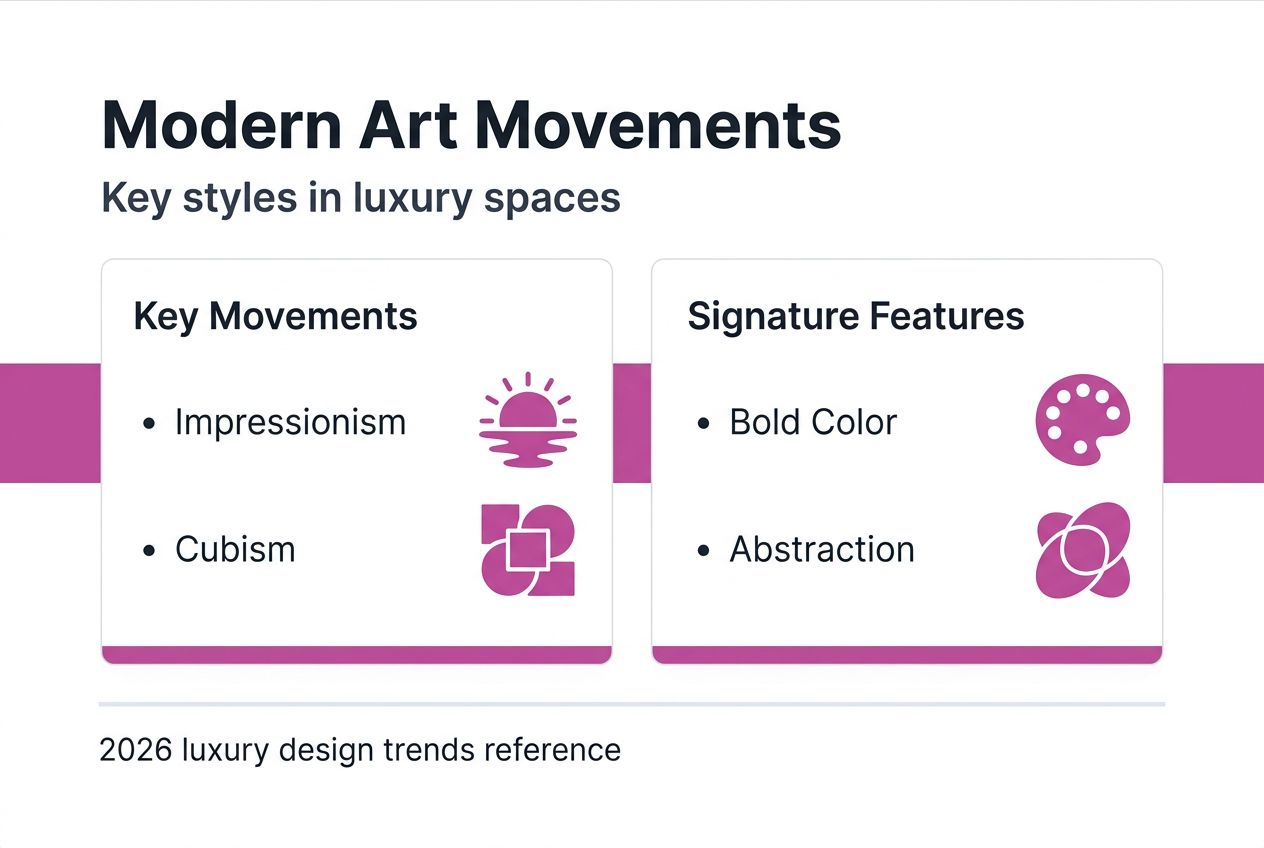
Key modern art movements include Impressionism, Cubism, Surrealism, and Abstract Expressionism, each representing a distinct approach to abstraction and expression. Understanding these movements helps collectors and designers identify styles that align with their aesthetic vision and space requirements.
| Movement | Time Period | Key Characteristics | Notable Artists |
|---|---|---|---|
| Impressionism | 1860s-1880s | Light, color, momentary perception, visible brushstrokes | Monet, Renoir, Degas |
| Cubism | 1907-1920s | Geometric forms, multiple perspectives, fragmented subjects | Picasso, Braque |
| Surrealism | 1920s-1940s | Dreamlike imagery, psychological symbolism, unexpected juxtapositions | Dalí, Magritte, Miró |
| Abstract Expressionism | 1940s-1960s | Emotional intensity, gestural brushwork, non-representational forms | Pollock, Rothko, de Kooning |
Each movement emerged as a response to the previous generation’s limitations:
- Impressionism broke from academic precision to capture fleeting sensory experiences
- Cubism shattered single-point perspective to show objects from multiple viewpoints simultaneously
- Surrealism delved into the unconscious mind to reveal hidden psychological truths
- Abstract Expressionism eliminated recognizable subjects entirely to communicate pure emotion
For luxury interiors, these movements offer distinct aesthetic vocabularies. Impressionist works bring luminous, contemplative qualities ideal for residential spaces seeking tranquility. Cubist pieces add intellectual sophistication to corporate environments. Surrealist imagery creates conversation focal points in hospitality settings. Abstract Expressionist works deliver dramatic emotional impact in large-scale installations.
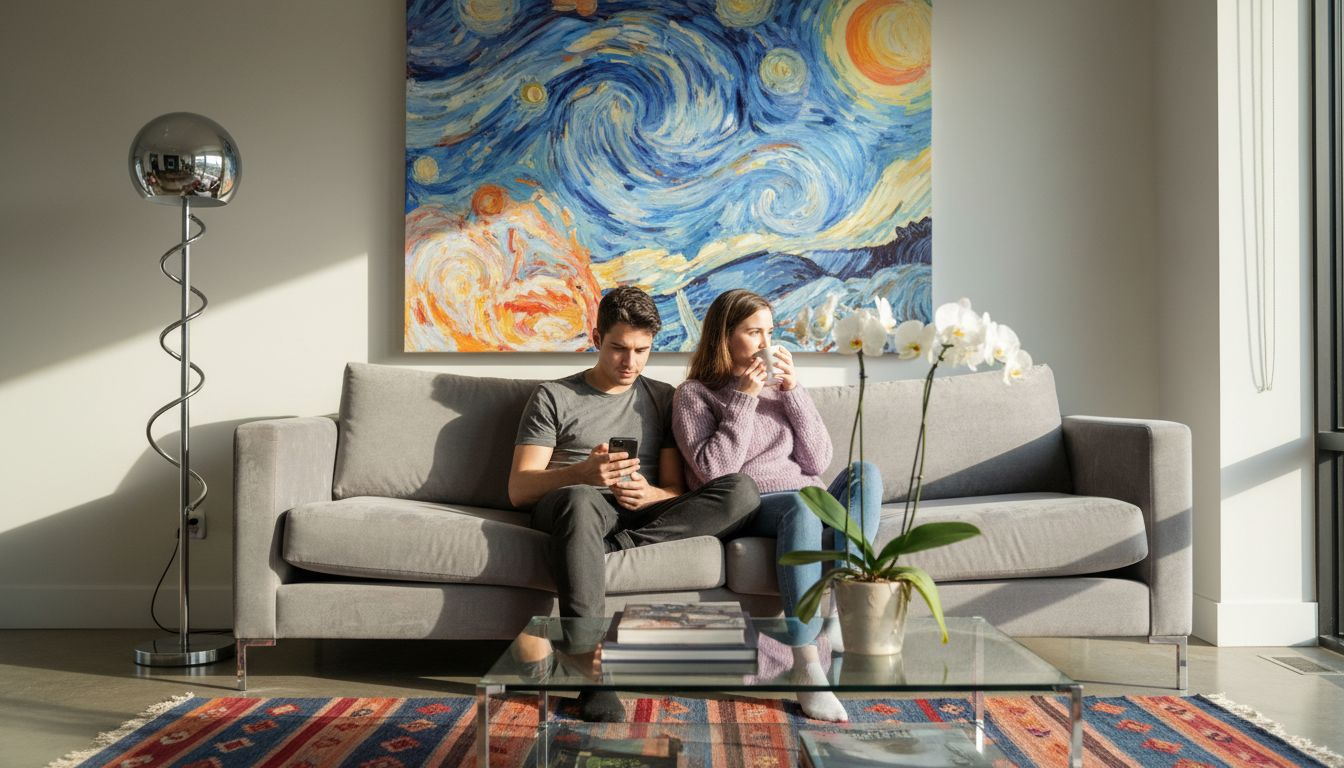
Exploring art styles explained provides deeper insights into how these movements translate to contemporary design choices, helping you select pieces that enhance rather than clash with your modern luxury spaces.
Core concepts and philosophies of modern art
Modern art rests on philosophical foundations that prioritize innovation, emotional truth, and conceptual depth over technical perfection. Abstraction in modern art means reducing recognizable forms to evoke emotion and ideas, pioneered by artists like Wassily Kandinsky. This simplification isn’t random. It distills subjects to their essential emotional or conceptual core, allowing viewers to project their own meanings and feelings.
Expressionism focuses on raw emotion over realistic depiction, as seen in Ernst Ludwig Kirchner’s works. Artists use vivid colors, distorted forms, and dynamic compositions to convey psychological intensity. This approach recognizes that emotional truth often requires abandoning literal accuracy.
Material innovation represents another core principle. Modern art often incorporates unconventional materials and mixed media, such as Duchamp’s Fountain. By introducing found objects, industrial materials, and non-traditional surfaces, artists expanded what could constitute art. This democratization of materials continues influencing contemporary practice.
Key philosophical principles include:
- Rejection of academic hierarchies that valued certain subjects or techniques over others
- Emphasis on the artist’s subjective experience as valid subject matter
- Belief that art should challenge viewers rather than simply please them
- Integration of political, social, and psychological themes into visual language
- Recognition that innovation and experimentation drive artistic evolution
Pro Tip: When selecting modern art for luxury spaces, look beyond surface aesthetics to understand the emotional narrative each piece communicates. This deeper engagement creates more meaningful connections between artwork and environment, enhancing the role of art in self-expression within your space.
Common misconceptions about modern art
Several persistent myths prevent people from fully appreciating modern art’s value and versatility. Correcting these misconceptions opens opportunities for more confident collecting and design decisions.
Modern art is not only abstract or incomprehensible; it includes representational styles like Impressionism. While abstraction plays a significant role, many modern movements maintained recognizable subjects. Impressionism, Fauvism, and even early Cubism retained identifiable forms. The spectrum from realistic to abstract offers choices for every aesthetic preference.
Myth: Modern art completely rejects tradition. Reality: Modern artists often reinterpreted rather than abandoned classical techniques. Many studied academic methods before innovating. They built upon tradition rather than destroying it, creating dialogues between past and present.
Myth: Modern art is elitist and disconnected from everyday life. Reality: Modern art emerged from artists observing industrial society, war, and urban transformation. These works address universal human experiences like alienation, joy, fear, and wonder. In luxury interiors, modern pieces create authentic emotional atmospheres rather than pretentious statements.
Common misunderstandings include:
- Believing all modern art lacks skill or technical mastery
- Assuming abstract work has no meaning or intentionality
- Thinking modern art doesn’t fit traditional or classic design schemes
- Viewing modern pieces as temporary trends rather than enduring artistic achievements
- Dismissing modern art as unsuitable for residential or corporate luxury settings
Pro Tip: Visit galleries and museums to experience modern art in person. Digital reproductions often fail to capture texture, scale, and presence that make pieces powerful. Direct exposure builds confidence in your aesthetic judgment and helps you articulate what resonates with your vision.
Understanding these realities empowers you to explore modern art without preconceptions. Dive deeper into art styles explained to see how diverse modern approaches complement various luxury interior design philosophies.
Modern art in contemporary design and trends
Modern art’s principles continue shaping luxury interior design trends in 2026. Recent trends include maximalism with bold colors, revival of surreal and dreamlike imagery, and nature-inspired themes promoting harmony in luxury interiors. These movements reflect modern art’s lasting influence on how we conceptualize space, color, and emotional atmosphere.
Maximalism embraces the bold color palettes pioneered by Fauvism and Abstract Expressionism. Luxury spaces now feature vibrant, saturated hues that create energetic, confident environments. This trend rejects minimalist neutrality in favor of personality and visual richness.
Surreal and psychological imagery has resurged, echoing Surrealism’s exploration of dreams and the unconscious. Contemporary artists blend figurative and abstract elements to create narratives that intrigue and provoke thought. These pieces serve as compelling focal points in residential and hospitality settings.
Nature-inspired artwork connects modern art’s organic abstraction with biophilic design principles. Simplified botanical forms and landscape abstractions bring balance and tranquility to urban luxury spaces, creating visual respite from technology-dominated environments.
| Design Trend | Modern Art Influence | Application in Luxury Spaces |
|---|---|---|
| Maximalism | Fauvism, Abstract Expressionism color theory | Bold statement pieces in living areas, dramatic entryways |
| Surreal imagery | Surrealism’s psychological depth | Conversation pieces in lounges, creative office spaces |
| Nature abstraction | Organic forms in Abstract art | Calming works in bedrooms, wellness areas |
| Emotional expression | Expressionism’s raw authenticity | Impactful pieces in dining rooms, private galleries |
Current trends emphasize:
- Large-scale works that command attention and define spatial character
- Mixed media pieces reflecting modern art’s material innovation
- Emotionally resonant work that creates authentic atmosphere
- Curated collections telling cohesive aesthetic stories
These principles help you leverage modern art’s power in transforming modern luxury spaces while honoring the role of art in self-expression within your personal or professional environment.
Practical application for collectors and designers
Selecting modern art for luxury spaces requires balancing aesthetic impact with functional considerations. These strategies help you make confident choices that enhance rather than overwhelm your environment.
-
Start by identifying the emotional atmosphere you want to create. Modern art excels at evoking specific moods through color, composition, and subject matter. A calming bedroom benefits from soft abstractions, while a dynamic office needs energizing gestural work.
-
Consider scale relative to wall space and room proportions. Large modern pieces make bold statements in open-plan living areas or lobbies. Smaller works suit intimate spaces or create gallery wall arrangements that tell visual stories.
-
Evaluate color relationships between artwork and existing design elements. Modern art’s bold palettes can either complement or provide deliberate contrast. Both approaches work when executed intentionally with clear vision.
-
Assess lighting conditions and how they affect the artwork. Modern paintings with heavy impasto or mixed media elements create dramatic shadows and texture under directional lighting. Flat abstractions suit even ambient illumination.
-
Match artwork intensity to space function. Residential areas accommodate personal, emotionally complex pieces. Corporate settings benefit from sophisticated, conversation-starting works that project professionalism. Hospitality venues need engaging pieces that appeal to diverse audiences.
Pro Tip: Build relationships with galleries and artists whose aesthetic aligns with your vision. This network provides access to emerging work before it reaches wider markets, offering both investment potential and unique pieces unavailable elsewhere.
Practical considerations include:
- Authentication and provenance documentation for investment pieces
- Proper framing and mounting to protect and present work optimally
- Insurance coverage reflecting current market valuations
- Climate control to preserve works from humidity and temperature fluctuations
- Strategic placement away from direct sunlight to prevent fading
For comprehensive guidance, explore resources like the step-by-step art collection guide, art collection basics, art and interior design explained, and curating home gallery guide. These resources provide frameworks for building cohesive collections that reflect your aesthetic while maintaining investment value.
Discover modern art pieces for luxury interiors at Eman’s Gallery
Transform your luxury space with carefully curated modern art that embodies the principles explored throughout this guide. Eman’s Gallery offers original handmade paintings that bring emotional depth, sophisticated aesthetics, and authentic artistic vision to residential, corporate, and hospitality environments.
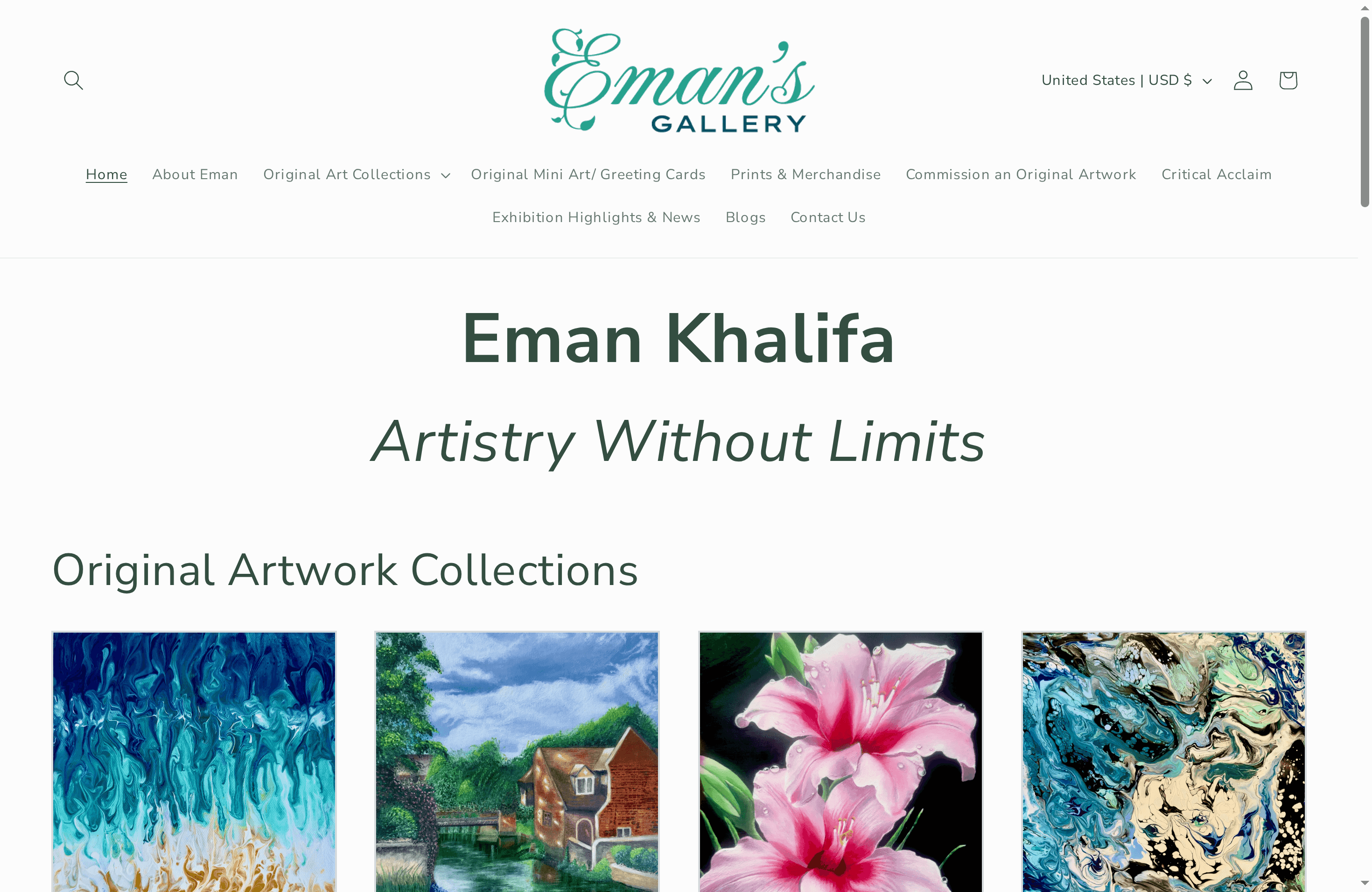
Our collection features diverse styles from bold abstractions to elegant tonalism, each piece designed to create meaningful visual impact. Good Tidings original painting showcases vibrant color relationships that energize contemporary spaces. Nocturned original painting offers moody sophistication perfect for intimate settings. Abracadabra original painting demonstrates expressive gestural work that commands attention in larger rooms. Each original artwork arrives ready to hang, with worldwide shipping ensuring your vision becomes reality regardless of location. Explore the full collection to find pieces that resonate with your aesthetic and elevate your luxury interior design.
Frequently asked questions
What distinguishes modern art from contemporary art?
Modern art refers to works created roughly between 1860s and 1970s, characterized by movements like Impressionism, Cubism, and Abstract Expressionism that broke from classical traditions. Contemporary art encompasses work produced from 1970s onward to present day, often addressing current social issues and incorporating digital media, installation, and performance elements beyond traditional painting and sculpture.
How can I tell if a modern art piece suits my luxury interior?
Evaluate whether the piece’s emotional tone aligns with your desired atmosphere, its color palette complements or intentionally contrasts your existing design, and its scale fits the wall space without overwhelming the room. Trust your visceral response, as modern art succeeds when it creates genuine emotional connection rather than merely matching décor.
Is modern art a good investment for collectors?
Authentic modern art pieces from recognized movements and artists have demonstrated strong appreciation over decades, particularly works with solid provenance and excellent condition. Focus on acquiring pieces you genuinely connect with while ensuring proper documentation, as emotional satisfaction combined with potential financial appreciation creates the most rewarding collecting experience.
What should I consider when displaying modern art in a corporate setting?
Select pieces that project professionalism while sparking conversation and creative thinking among employees and clients. Avoid overly personal or controversial imagery in favor of sophisticated abstractions or conceptual works that complement your brand identity. Ensure proper lighting, secure mounting, and placement in high-visibility areas where the work enhances rather than competes with functional space requirements.
Recommended
- Why Decorate With Art: Transforming Modern Luxury Spaces
- Step by Step Art Collection for Modern Luxury Homes
- Why Display Art at Home: Transforming Modern Spaces
- Curating Home Gallery Guide for Luxury Interiors
Stay Connected
- ✨ Explore Eman Khalifa’s original art and fine art prints
- 📸 Follow Eman Khalifa’s art journey on: Instagram @emans_gallery and Facebook Eman’s Gallery
- 📹 Watch Eman Khalifa creating live art on: YouTube @emans_gallery
