


Art and Interior Design Explained: Transforming Modern Spaces
Selecting contemporary art for an American or European home is about more than finding a pretty canvas. Nearly 60 percent of luxury homeowners say that curated artwork is the defining touch that sets their living space apart. In both New York and Paris, bold artistic choices now influence everything from room flow to emotional atmosphere. This article reveals how thoughtful art and design synergy can transform modern interiors into personalized and sophisticated statements.
Table of Contents
- Defining Art and Interior Design Synergy
- Major Art Styles for Contemporary Spaces
- How Art Influences Interior Atmosphere
- Integrating Original Art Into Interiors
- Common Pitfalls When Decorating With Art
Key Takeaways
| Point | Details |
|---|---|
| Art and Interior Design Integration | The collaboration between art and interior design enhances the emotional and aesthetic qualities of spaces, creating immersive experiences that tell a story. |
| Strategic Art Placement | Careful selection and placement of artwork can dramatically affect the atmosphere and function of a room, contributing to a cohesive visual narrative. |
| Avoiding Common Mistakes | To prevent a disjointed aesthetic, be mindful of scale, color harmony, and style consistency when incorporating art into interiors. |
| Art as a Psychological Tool | Artwork influences emotional responses and perceptions within a space, making its selection a pivotal element in curating the desired atmosphere. |
Defining Art and Interior Design Synergy
Art and interior design represent a powerful collaborative partnership that transforms spaces from mere functional environments into dynamic visual narratives. This synergy goes beyond aesthetic decoration, creating immersive experiences that communicate emotion, personality, and cultural context through carefully curated spatial elements. Contemporary design research reveals how architectural concepts integrate intimately with interior expressions, establishing a profound dialogue between art and the built environment.
Interior design serves as a canvas where art breathes life into architectural spaces. By strategically selecting and positioning artwork, designers can dramatically alter room dynamics, manipulate perceived spatial dimensions, and evoke specific emotional responses. Color palettes, textures, and artistic compositions work together to create harmonious environments that reflect individual stories and design philosophies. Museums like those designed by Richard Meier demonstrate how architectural interactions with surrounding art can dramatically enhance visitor experiences, illustrating the intricate relationship between physical space and artistic expression.
The art and interior design synergy operates through several key principles. Spatial balance requires understanding how artworks interact with architectural elements, scale, and room geometry. Color theory plays a crucial role in selecting pieces that complement or intentionally contrast existing design schemes. Texture and material selection further amplify this connection, with art serving not just as decoration but as an integral component of spatial storytelling. Each artwork becomes a strategic design element that communicates mood, culture, and personal narrative.
Pro Tip - Art Selection Strategy: When integrating art into interior spaces, consider pieces that resonate with the room’s existing architectural language and emotional tone, creating a cohesive visual narrative that feels intentional and sophisticated.
Stay Connected
-
✨ Explore Eman Khalifa's original art, fine art prints & art merchandise
-
📸 Follow Eman Khalifa's art journey on: Instagram @emans_gallery and Facebook Eman's Gallery
-
📹 Watch Eman Khalifa creating live art on: YouTube @emans_gallery
-
Supported by BabyLoveGrowth
Major Art Styles for Contemporary Spaces
Contemporary interior design celebrates a diverse range of art styles that transform living spaces into dynamic visual experiences. Art Nouveau, a groundbreaking movement popular between 1890 and 1910, continues to influence modern design through its emphasis on natural forms and sinuous curves, introducing organic aesthetics that challenge traditional architectural boundaries. This artistic approach seamlessly integrates natural motifs with innovative materials, creating spaces that feel both elegant and organically connected.
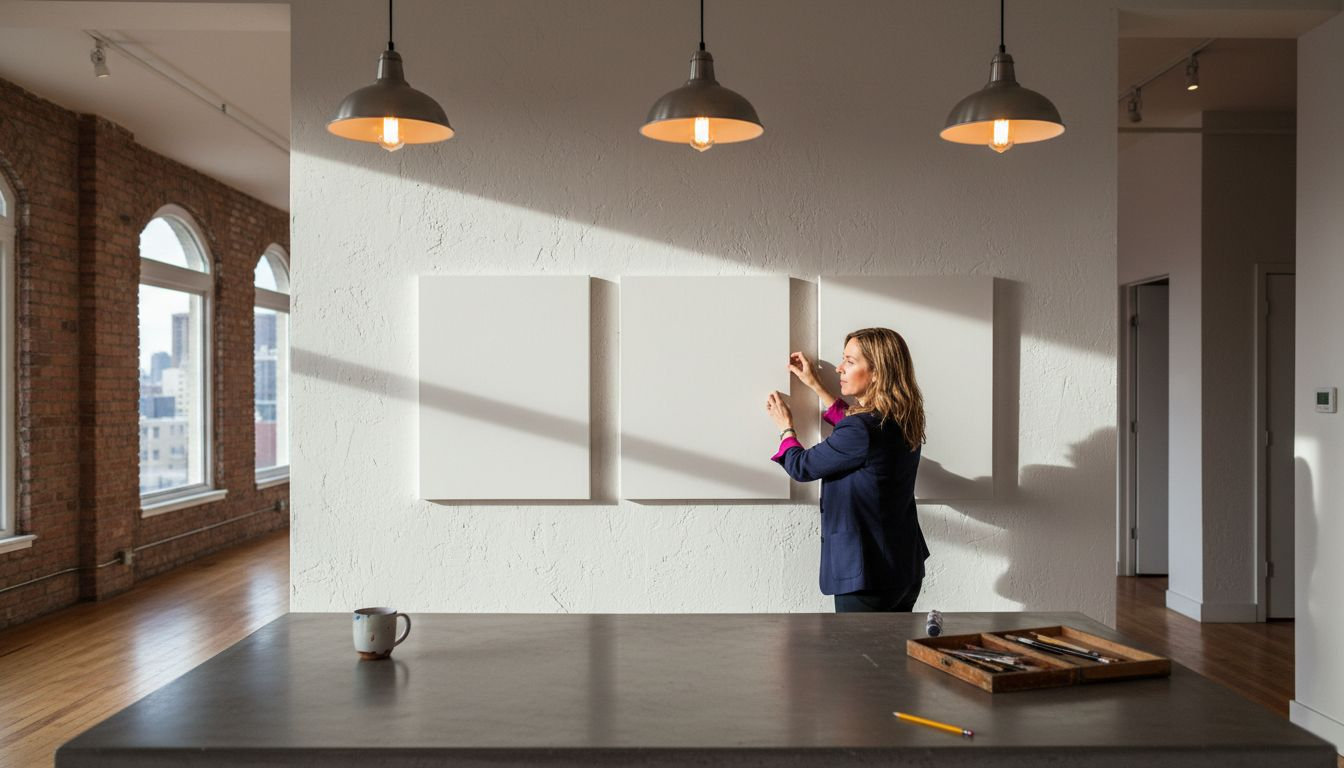
Parametric design represents another revolutionary approach to contemporary art styles, utilizing advanced computational algorithms to generate fluid, adaptive forms that redefine spatial experiences. These digital design techniques enable interior designers to create intricate, mathematically precise environments that challenge traditional geometric constraints. By leveraging technology, parametric art styles introduce complex spatial narratives that transform rooms into living, breathing compositions that respond dynamically to human interaction.
Contemporary art styles in interior design span multiple distinctive approaches. Minimalist styles emphasize clean lines and neutral color palettes, creating serene environments that prioritize space and simplicity. Abstract expressionism introduces bold color statements and emotional depth, transforming walls into powerful visual narratives. Geometric art styles leverage precise shapes and mathematical principles, creating visually striking compositions that balance mathematical precision with aesthetic appeal. Digital and new media art styles further expand design possibilities, incorporating interactive and technologically integrated art pieces that blur boundaries between traditional artistic mediums.
Pro Tip - Art Style Selection: When selecting art styles for contemporary spaces, consider the emotional tone and functional requirements of each room, choosing pieces that not only complement the architectural language but also reflect the unique personality and lifestyle of the inhabitants.
Here’s a summary of how various art styles uniquely influence contemporary interior design:
| Art Style | Key Visual Elements | Typical Atmosphere Created | Ideal Use Cases |
|---|---|---|---|
| Minimalist | Clean lines, neutrals | Calming, spacious, uncluttered | Living rooms, offices, bedrooms |
| Abstract Expressionism | Bold colors, gestural | Energetic, emotionally charged | Accent walls, creative spaces |
| Geometric | Patterns, sharp forms | Dynamic, modern, structured | Entryways, modern apartments |
| Art Nouveau | Organic motifs, curves | Elegant, natural, fluid | Hallways, boutique spaces |
| Digital/New Media | Interactive, tech-based | Innovative, engaging, futuristic | Media rooms, tech-focused interiors |
Stay Connected
-
✨ Explore Eman Khalifa's original art, fine art prints & art merchandise
-
📸 Follow Eman Khalifa's art journey on: Instagram @emans_gallery and Facebook Eman's Gallery
-
📹 Watch Eman Khalifa creating live art on: YouTube @emans_gallery
-
Supported by BabyLoveGrowth
How Art Influences Interior Atmosphere
Art serves as a profound psychological and emotional catalyst in transforming interior spaces, creating immersive environments that transcend mere visual aesthetics. Advanced sensory-cognitive design models demonstrate how interior environments can dramatically influence emotional responses and cognitive processes, revealing that artwork is not simply decorative but a critical component of spatial psychology.
Color, composition, and visual complexity play pivotal roles in shaping interior atmosphere. Sophisticated research utilizing fuzzy logic and image processing techniques reveals how specific visual attributes like color harmony and aesthetic complexity directly impact human perception and emotional engagement. Abstract paintings can introduce energy and movement, while serene landscape pieces can create a sense of calm and contemplation. Monochromatic artwork might generate a minimalist, sophisticated ambiance, whereas vibrant, multi-colored pieces can inject dynamism and playfulness into a room.
The psychological impact of art extends beyond visual stimulation, functioning as a powerful communication tool within interior spaces. Different art styles communicate distinct emotional narratives: minimalist pieces suggest sophistication and restraint, while expressionist works convey intense emotional depth. Large-scale artworks can make spaces feel more expansive, while intimate pieces create a sense of personal connection. Texture, scale, and placement further modulate the artwork’s atmospheric influence, transforming walls from passive backgrounds into active participants in spatial storytelling.
Pro Tip - Emotional Atmosphere Curation: Select artworks that not only complement your interior design but intentionally evoke the emotional tone you want to create, understanding that each piece is a deliberate instrument in crafting your space’s psychological landscape.
Stay Connected
-
✨ Explore Eman Khalifa's original art, fine art prints & art merchandise
-
📸 Follow Eman Khalifa's art journey on: Instagram @emans_gallery and Facebook Eman's Gallery
-
📹 Watch Eman Khalifa creating live art on: YouTube @emans_gallery
-
Supported by BabyLoveGrowth
Integrating Original Art Into Interiors
Original art transforms interior spaces from mundane environments into personalized narratives, bringing unique character and emotional depth to living areas. Contemporary design research demonstrates innovative approaches to incorporating cultural elements and creative techniques into interior design through advanced multimedia and algorithmic methods, highlighting the profound potential of integrating authentic artistic expressions.
Advanced computational systems now support creative interior design ideation, enabling more sophisticated and intentional art integration strategies. Successful art integration involves carefully considering scale, placement, color harmony, and thematic coherence. Large statement pieces can anchor a room’s visual identity, while smaller artworks create intimate focal points. Consideration of architectural elements, existing color palettes, and furniture styles ensures that original art becomes an organic extension of the interior design rather than a disconnected decorative element.
The selection process for integrating original art requires a nuanced approach that balances personal aesthetic preferences with design principles. Abstract pieces can introduce dynamic energy, while representational art provides narrative depth. Texture, medium, and artistic style should complement the room’s overall design language. Placement strategies vary from creating gallery walls that tell a comprehensive visual story to positioning singular pieces as dramatic focal points that draw the viewer’s eye and spark conversation. Lighting plays a crucial role in art presentation, with carefully positioned illumination transforming artwork from mere decoration to a living, breathing design element.
Pro Tip - Art Integration Strategy: Approach original art selection as a holistic design process, viewing each piece not just as a decorative object but as a critical component of your interior’s emotional and visual narrative.
Stay Connected
-
✨ Explore Eman Khalifa's original art, fine art prints & art merchandise
-
📸 Follow Eman Khalifa's art journey on: Instagram @emans_gallery and Facebook Eman's Gallery
-
📹 Watch Eman Khalifa creating live art on: YouTube @emans_gallery
-
Supported by BabyLoveGrowth
Common Pitfalls When Decorating With Art
Interior art decoration requires strategic thinking and nuanced design considerations to avoid common mistakes that can undermine a space’s aesthetic potential. Contemporary design research highlights the critical challenge of avoiding ‘jumbling together’ of styles, which can lead to incoherent and visually chaotic interior environments, emphasizing the importance of thoughtful, purposeful art selection.
Modern art integration strategies must navigate complex challenges, particularly when considering technological approaches like AI-generated artwork that may compromise artistic authenticity. Common pitfalls include mismatched scale, inappropriate color coordination, and overcrowding. Many homeowners make the mistake of selecting art purely based on personal attachment without considering how the piece interacts with the existing architectural elements, furniture, and overall room design. Artwork that is too small can appear insignificant, while oversized pieces can overwhelm a space and create visual imbalance.
The most frequent decorative errors involve a lack of intentional curation and understanding of artistic dialogue within a room. Mixing too many competing styles without a unifying visual theme can create a disjointed and confused aesthetic. Color harmony becomes crucial - artwork should either complement the room’s existing color palette or provide a strategic contrast that adds visual interest. Placement is equally critical, with many individuals hanging art at incorrect heights or positioning pieces without considering sightlines, natural light, and the room’s architectural flow.
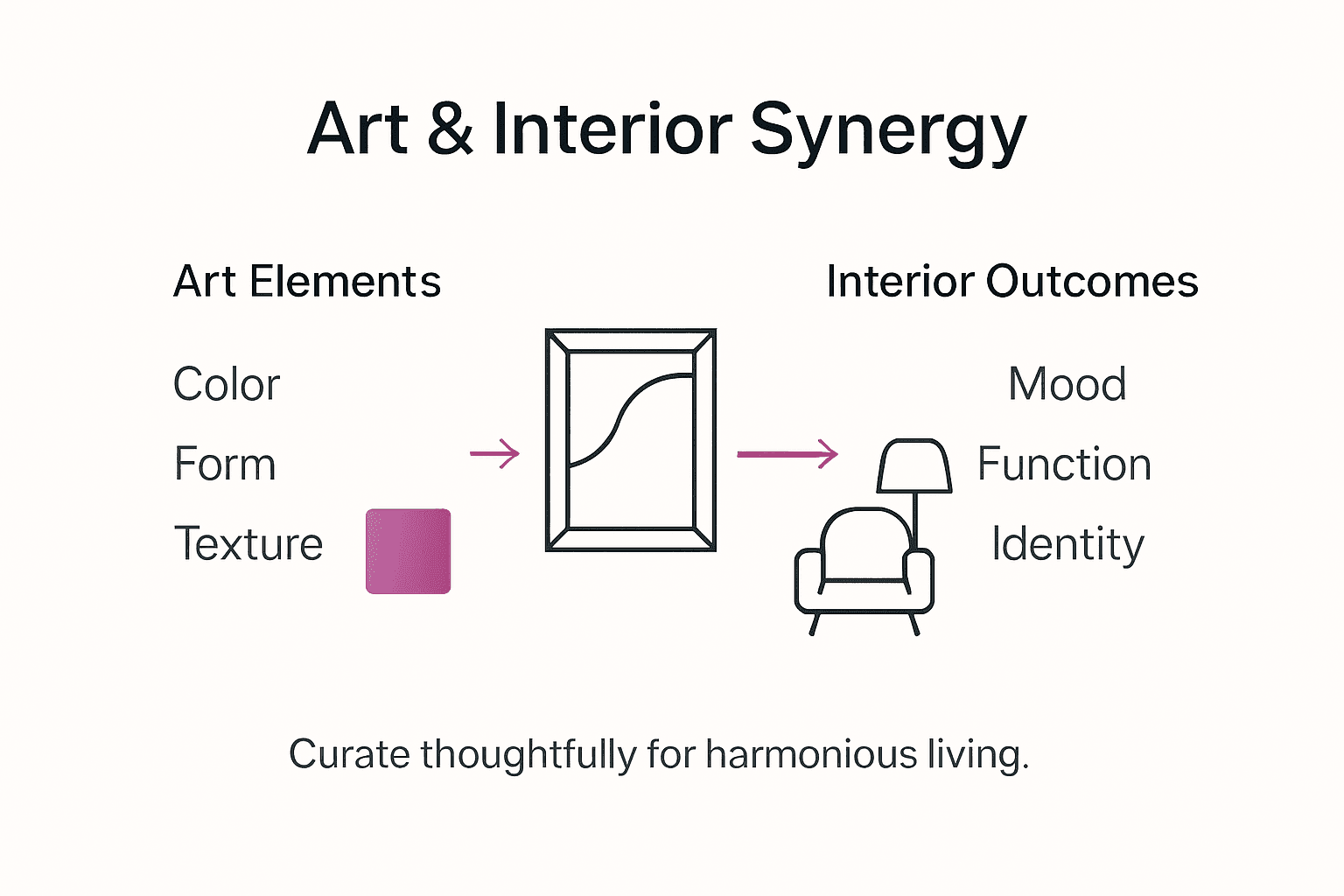
Pro Tip - Art Placement Strategy: Always measure and mark artwork placement at eye level, typically 57-60 inches from the floor, and use painter’s tape to visualize the arrangement before making any permanent hanging decisions.
The following table highlights common pitfalls in art integration and how to avoid them:
| Common Pitfall | Negative Impact | Solution |
|---|---|---|
| Incorrect art scale | Overwhelms or underwhelms space | Match artwork size to room and furniture |
| Clashing color palette | Creates visual discord | Coordinate art colors with decor tones |
| Overcrowding artwork | Leads to cluttered feel | Allow space between pieces for balance |
| Mismatched art styles | Causes design inconsistency | Unify styles with a common visual thread |
| Poor placement height | Hampers viewer experience | Position at average eye level (57–60 in.) |
Stay Connected
-
✨ Explore Eman Khalifa's original art, fine art prints & art merchandise
-
📸 Follow Eman Khalifa's art journey on: Instagram @emans_gallery and Facebook Eman's Gallery
-
📹 Watch Eman Khalifa creating live art on: YouTube @emans_gallery
-
Supported by BabyLoveGrowth
Elevate Your Space with Art That Speaks
Struggling to create a cohesive and emotionally engaging interior? This article highlights challenges like choosing the right scale, color harmony, and art style to avoid visual chaos and instead build a unified design narrative. The synergy between art and interior design can transform modern spaces by reflecting your personality and enhancing atmosphere through carefully curated original artworks.
Discover handpicked selections at Contemporary – Eman’s Gallery where each piece is designed to blend seamlessly with your architectural vision and emotional tone.
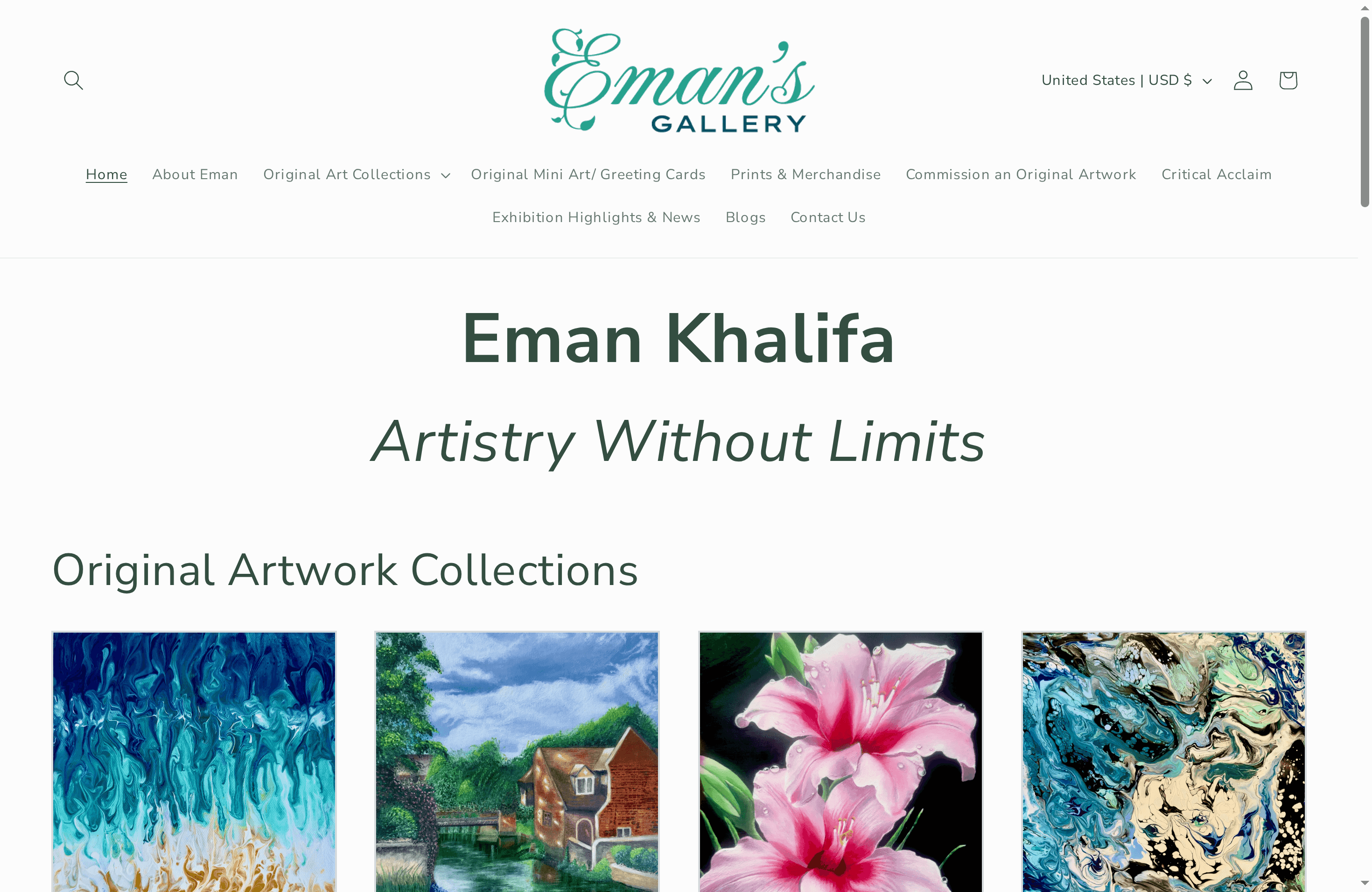
Bring these concepts to life today with unique original paintings, museum-quality prints, and art-inspired merchandise at Eman’s Gallery. Start transforming your space into a personalized sanctuary that tells your story with art that truly resonates. Explore now and reimagine your interiors with confidence.
Frequently Asked Questions
How does art influence the atmosphere of an interior space?
Art serves as a psychological and emotional catalyst, creating immersive environments that enhance visual aesthetics and evoke specific feelings, thereby transforming the overall atmosphere of a room.
What are the key principles for integrating art into interior design?
Key principles include understanding spatial balance, employing color theory to ensure harmony, and selecting art pieces that complement the existing textures and materials in the space.
What are common pitfalls to avoid when decorating with art?
Common pitfalls include mismatched scales, overcrowding artwork, clashing color palettes, and incorrect placement heights that can disrupt the visual flow and coherence of a space.
What considerations should be made when selecting original art for interiors?
Considerations should include the size and scale of the artwork, its thematic coherence with the room’s design, color harmony, and the emotions you want the artwork to evoke within the space.
Recommended
- Complete Guide to Types of Art for Interiors – Eman’s Gallery
- Contemporary Wall Art Explained: Complete Overview – Eman’s Gallery
- What Is Contemporary Art? Complete Guide Explained – Eman’s Gallery
- 7 Top Art Print Subjects Every Collector Should Know – Eman’s Gallery
Stay Connected
- ✨ Explore Eman Khalifa’s original art and fine art prints
- 📸 Follow Eman Khalifa’s art journey on: Instagram @emans_gallery and Facebook Eman’s Gallery
- 📹 Watch Eman Khalifa creating live art on: YouTube @emans_gallery
