


Art Styles Explained: Shaping Luxury Interiors
Most luxury homeowners in the UK and USA know the impact art can have, but fewer realize that over 60 percent of American interior designers consider art style selection crucial to shaping a room’s atmosphere. Unique wall art choices do more than decorate; they reveal distinct cultural influences and personal stories. This article uncovers how strategic use of diverse art styles transforms interiors, helping you create spaces with character and true aesthetic sophistication.
Table of Contents
- Defining Art Styles and Their Role
- Key Categories: Abstract, Geometric, and More
- Characteristics and Visual Impact in Interiors
- Choosing the Right Art Style for Your Space
- Mistakes to Avoid in Luxury Art Selection
Key Takeaways
| Point | Details |
|---|---|
| Art Styles Define Spaces | Art styles serve as visual languages that communicate emotions and cultural narratives, transforming interior spaces beyond mere decoration. |
| Emotional Resonance Matters | Artwork should reflect personal narratives and evoke genuine emotions, enhancing the room’s aesthetic and experiential quality. |
| Scale and Proportion are Key | Understanding the scale and proportion of artworks is crucial for effective placement and integration in interior designs. |
| Creating Visual Harmony | Balancing bold statement pieces with complementary artworks fosters a cohesive and emotionally resonant environment. |
Defining Art Styles and Their Role
Art styles are visual languages that communicate complex emotions, cultural narratives, and aesthetic philosophies through creative expression. In luxury interior design, they serve as transformative elements that go beyond mere decoration, creating immersive spatial experiences.
Each art style represents a unique approach to representing visual ideas, emerging from specific historical, cultural, and philosophical contexts. These styles range from representational approaches like Realism, which captures objective reality, to abstract movements like Cubism and Expressionism that deconstruct visual perception and communicate emotional landscapes. Modern luxury interiors strategically leverage these diverse styles to craft sophisticated environments that reflect individual narratives and aesthetic sensibilities.
The selection of art styles plays a critical role in defining interior spaces. Contemporary art movements particularly emphasize how visual elements can shape emotional atmospheres and communicate personal values. Art transforms spatial dynamics by introducing color, texture, and thematic depth that transcend traditional decorative boundaries. An abstract expressionist painting, for instance, can inject energy and dynamism into a minimalist room, while a classical landscape might introduce tranquility and contemplative elegance.
Pro tip: When selecting art for luxury interiors, consider how different styles interact with architectural elements and existing design narratives to create a cohesive and emotionally resonant environment.
Key Categories: Abstract, Geometric, and More
Luxury interior design embraces multiple art styles that transform spaces into dynamic visual narratives. Geometric art styles represent a sophisticated approach characterized by precise mathematical forms, clean lines, and structured compositions that bring intellectual elegance to living environments.
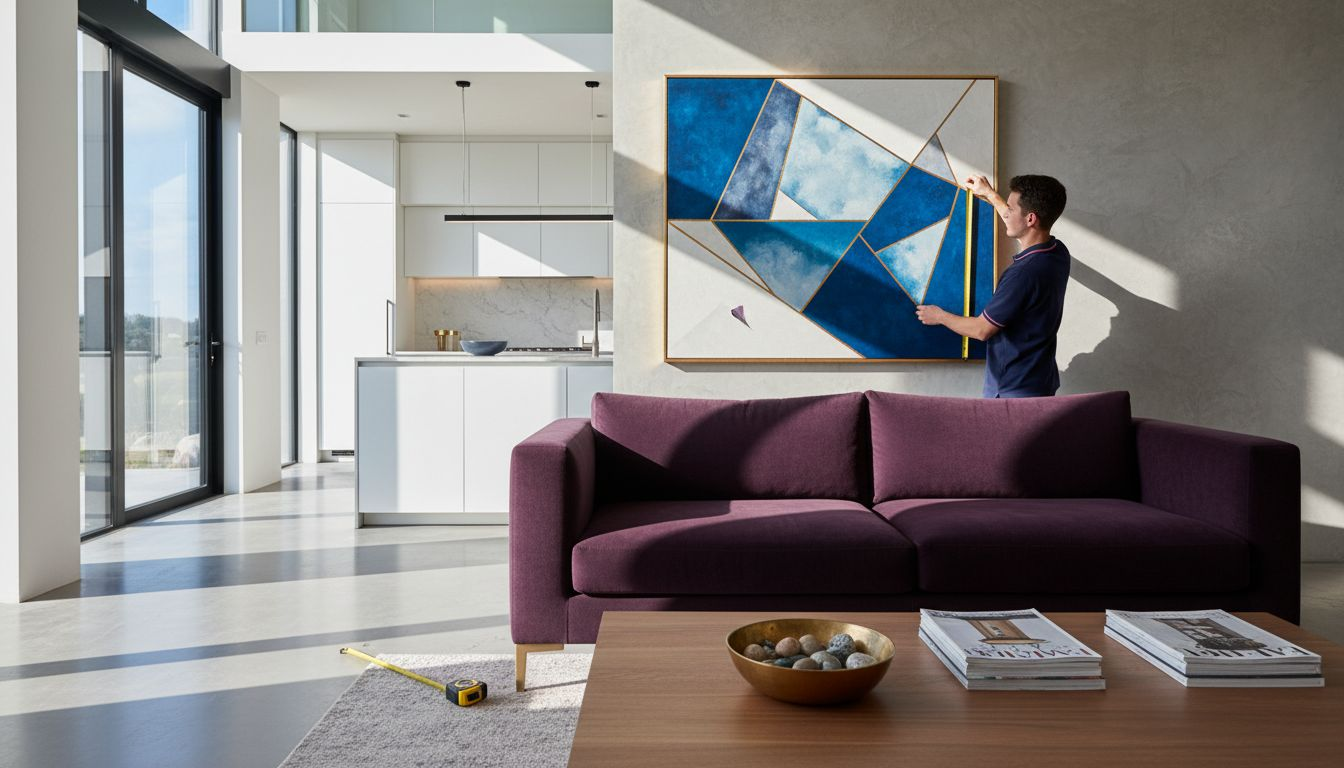
Abstract art categories offer remarkable versatility for interior design, ranging from minimalist color field paintings to complex expressionist works. These styles communicate emotional states and conceptual ideas through non-representational visual language. Modern abstract art deconstructs traditional representational techniques, using color, shape, and texture to evoke profound sensory experiences that transcend literal imagery. Contemporary artists leverage abstract techniques to create visual dialogues that challenge perceptual boundaries and invite viewer interpretation.
Beyond abstract and geometric styles, luxury interiors also incorporate other significant art movements. Surrealist works introduce dreamlike qualities, photorealistic pieces provide precise visual narratives, and mixed media compositions blend multiple aesthetic approaches. Modern abstract art trends demonstrate how these diverse styles can create layered, intellectually stimulating interior environments that reflect sophisticated aesthetic sensibilities and personal narratives.
Pro tip: When selecting art styles for luxury interiors, consider creating visual harmony by balancing bold statement pieces with complementary supporting artworks that enhance the room’s overall emotional and aesthetic landscape.
Here is a comparison of popular art styles and their visual effects in luxury interiors:
| Art Style | Visual Impact | Ideal Spaces |
|---|---|---|
| Abstract | Adds dynamic energy | Modern, minimalist rooms |
| Geometric | Conveys order and calm | Contemporary living spaces |
| Surrealist | Invites imagination | Creative lounges, studies |
| Photorealistic | Offers clarity, realism | Formal dining or hallways |
| Mixed Media | Introduces complexity | Eclectic, open environments |
Characteristics and Visual Impact in Interiors
Art transforms interior spaces by introducing profound visual narratives that extend far beyond simple decoration. Fine art in high-end interiors serves as a critical aesthetic element, defining spatial character and offering deeply personal expressions of style and emotion. Large-scale artworks become dramatic focal points, creating visual anchors that draw the eye and establish sophisticated design hierarchies.
Spatial dynamics are fundamentally reshaped through strategic art placement. Contemporary interior designers leverage artwork to create visual zones within open floor plans, using color, scale, and composition to guide viewer perception and emotional experience. Abstract pieces can introduce dynamic energy, while more contemplative works like minimalist or landscape paintings can establish a sense of calm and reflection. The visual weight and emotional resonance of art pieces directly influence how occupants perceive and interact with interior environments.
Color interaction represents another crucial characteristic of art’s visual impact. Artworks serve as powerful design elements that can either harmonize with existing color palettes or intentionally create deliberate visual contrast. Carefully selected pieces can introduce accent colors, bridge design elements, and create visual continuity across different areas of a living space. The interplay between artwork and interior design becomes a sophisticated dialogue of color, texture, and emotional expression.
Pro tip: Select artworks that not only complement your interior design but also tell a personal story, creating spaces that feel both aesthetically refined and authentically meaningful.
Choosing the Right Art Style for Your Space
Selecting the perfect art style requires understanding how visual elements interact with your specific interior environment. Types of art for interiors demand careful consideration of architectural characteristics, existing design elements, and the emotional atmosphere you want to create. The right artwork transforms a space from merely functional to profoundly expressive.
Interior architecture plays a pivotal role in art style selection. Modern minimalist spaces benefit from bold abstract pieces that introduce visual complexity, while traditional interiors might harmonize better with representational works like classical landscapes or intricate still life compositions. Consider the room’s color palette, lighting conditions, ceiling height, and architectural details when choosing artwork. An oversized geometric painting can energize a stark contemporary living room, whereas a delicate watercolor might soften a structured industrial space.
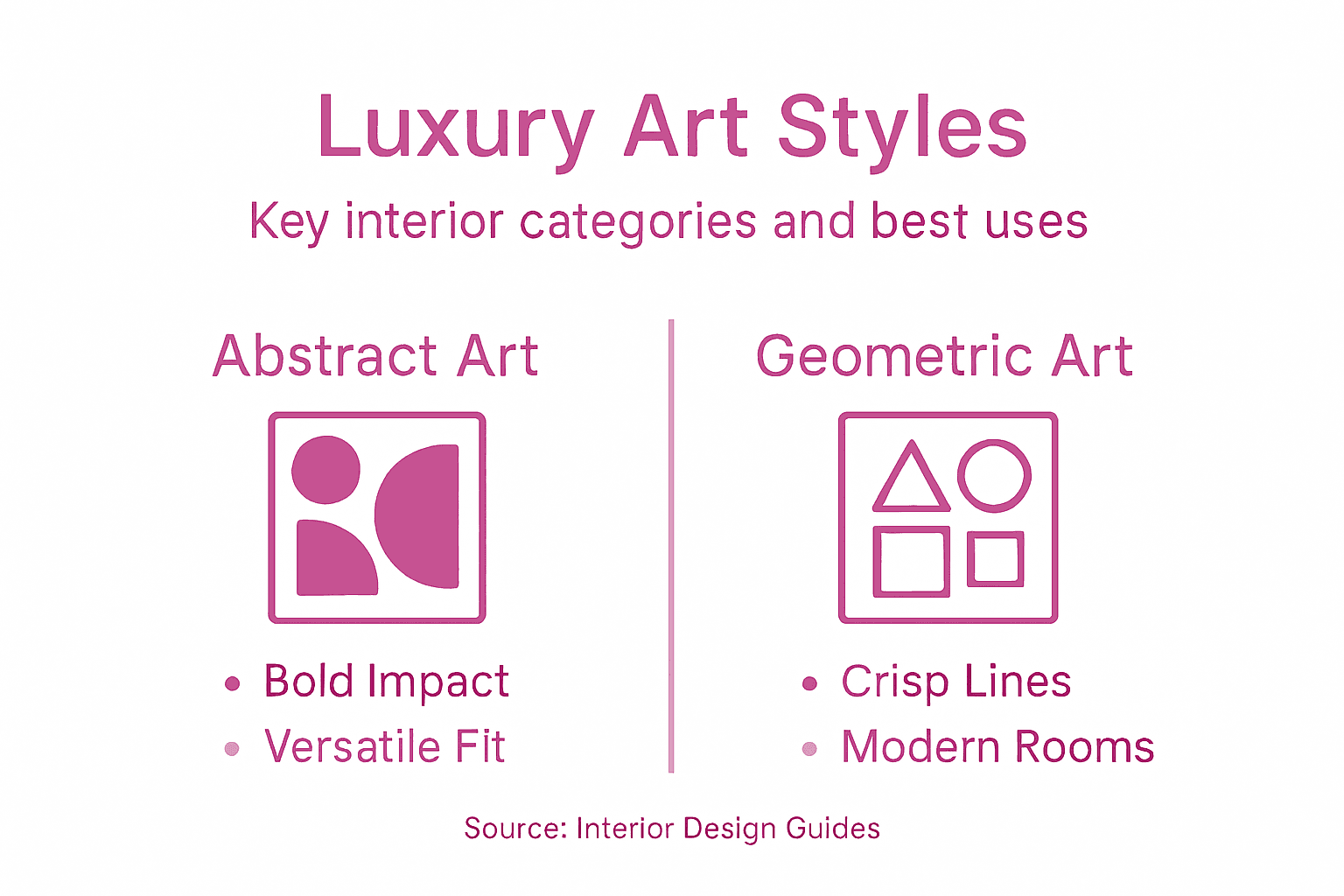
Emotional resonance distinguishes exceptional art selections from merely decorative choices. Different art styles communicate distinct emotional narratives. Geometric art introduces intellectual precision and calm, abstract expressionism brings dynamic energy, while surrealist pieces invite contemplation and imagination. The artwork should not just complement the room but also reflect the occupant’s personality, creating a space that feels authentically personal and deeply meaningful.
Pro tip: Create a visual mood board combining room photographs, paint swatches, and potential artwork images to preview how different art styles will interact with your specific interior environment.
The following table summarizes key art selection considerations for different interior types:
| Interior Type | Recommended Art Style | Rationale |
|---|---|---|
| Minimalist | Bold Abstract | Creates contrast, adds interest |
| Classical | Landscape/Still Life | Complements traditional details |
| Industrial | Delicate Watercolor | Softens harsh architectural lines |
| Open Concept | Large Geometric Piece | Defines zones, energizes space |
Mistakes to Avoid in Luxury Art Selection
Art selection for luxury interiors demands nuanced understanding beyond surface aesthetics. Art collection basics reveal critical considerations that distinguish sophisticated selections from amateur decorative choices. Discerning homeowners must navigate potential pitfalls that can undermine the artistic integrity and visual impact of their curated spaces.
One fundamental error involves selecting artwork solely based on color matching or trend compliance. Emotional resonance matters exponentially more than superficial coordination. Artworks should communicate personal narratives and evoke genuine emotional responses, transcending mere decorative function. Purchasing art that lacks personal connection or intellectual depth transforms potentially transformative pieces into expensive wallpaper, diminishing the potential for creating truly meaningful interior environments.
Scale and proportion represent another crucial consideration often misunderstood by luxury art collectors. Oversized artworks can overwhelm spaces, while undersized pieces appear insignificant and disconnected. Strategic art placement requires understanding architectural proportions, considering sight lines, lighting conditions, and the visual dialogue between artwork and surrounding design elements. Each piece should feel intentionally integrated, not randomly inserted or awkwardly positioned.
Pro tip: Invest time in understanding your personal aesthetic narrative and emotional connection to art before making significant purchases, ensuring each artwork represents a meaningful investment in your interior’s visual storytelling.
Elevate Your Luxury Interiors with Thoughtfully Curated Art Styles
Understanding how art styles shape emotional atmosphere and spatial dynamics is key to creating luxury interiors that truly resonate. Whether you seek the intellectual calm of geometric forms or the dynamic energy of bold abstracts, selecting the right artwork can transform your environment into a deeply personal and visually engaging space. Discover unique original paintings and museum-quality prints that perfectly align with your design vision.
Explore the exclusive Canvas Art Prints by Eman Khalifa for premium giclée pieces that enhance minimalist and contemporary spaces. For those intrigued by the structured elegance of nature-inspired patterns, explore the Tectonic - From Geologic Art to Prints & Merch collection. Begin your journey to infuse your interiors with meaningful art at Eman’s Gallery today and make your luxury space not just beautiful but authentically yours.
Frequently Asked Questions
What are the different art styles commonly used in luxury interior design?
Luxury interior design often incorporates various art styles such as abstract, geometric, surrealist, photorealistic, and mixed media. Each style contributes uniquely to the emotional and aesthetic landscape of a space.
How can art influence the emotional atmosphere of a room?
Art can shape the emotional atmosphere of a room by introducing color, texture, and thematic depth. For example, abstract pieces can add energy, while classical landscapes can provide tranquility and elegance.
What should I consider when choosing art for a minimalist space?
When selecting art for a minimalist space, opt for bold abstract pieces that create contrast and add visual interest. Consider the scale and placement to ensure the artwork complements the clean lines and simplicity of the environment.
How do I ensure that my art selections tell a personal story?
To ensure your art selections reflect a personal story, choose pieces that resonate emotionally with you and connect to your personal experiences or values. This will create a more meaningful and authentic living space.
Recommended
- Art and Interior Design Explained: Transforming Modern Spaces
- Complete Guide to Types of Art for Interiors – Eman’s Gallery
- Art Showcasing Techniques for Luxurious Interiors
- Art Collection Basics: Elevating Luxury Home Interiors
Stay Connected
- ✨ Explore Eman Khalifa’s original art and fine art prints
- 📸 Follow Eman Khalifa’s art journey on: Instagram @emans_gallery and Facebook Eman’s Gallery
- 📹 Watch Eman Khalifa creating live art on: YouTube @emans_gallery
