


Art Collection Basics: Elevating Luxury Home Interiors
Most American luxury homeowners discover that nearly half of premium properties feature curated art collections as a key element of interior design. For those stepping into stylish new homes across the UK or USA, building a personal collection can feel daunting yet deeply rewarding. This guide offers proven strategies for choosing original contemporary pieces, avoiding common pitfalls, and transforming blank walls into a reflection of your sophisticated taste.
Table of Contents
- Defining Art Collection for New Homeowners
- Choosing Between Painting Types and Styles
- How to Select Original Contemporary Art
- Budgeting, Authentication, and Avoiding Scams
- Displaying, Insuring, and Caring for Art
Key Takeaways
| Point | Details |
|---|---|
| Art as Personal Narrative | Curating an art collection transforms a living space into a personal story reflecting individual taste and cultural appreciation. |
| Budget and Research | Allocate a budget for art acquisition that includes additional costs like authentication and conservation for long-term value. |
| Environmental Factors | Proper display and care for art involve considering environmental conditions to preserve artwork longevity and integrity. |
| Professional Relationships | Build a network of trusted art professionals for guidance in authenticating and managing your art collection effectively. |
Defining Art Collection for New Homeowners
Art collecting represents more than acquiring beautiful pieces—it’s about curating a personal narrative within your living space. Private art collections have historically been a hallmark of sophisticated homeowners, evolving from royal treasuries to personalized expressions of individual taste and cultural appreciation.
For new luxury homeowners, understanding art collection fundamentals involves recognizing that collections can range dramatically in scope and intention. Some collectors focus on specific periods, artistic movements, or regional styles, while others develop eclectic assemblages that reflect their unique aesthetic sensibilities. The key is developing a deliberate approach that transforms your home from a mere living space into a curated environment that tells your personal story.
When beginning an art collection, professional strategies matter. Institutional approaches to collection management offer valuable insights for individual collectors. Consider factors like artwork provenance, preservation conditions, and long-term aesthetic coherence. Your collection should not just decorate walls but create meaningful visual dialogues that enhance your home’s architectural character and reflect your intellectual and emotional landscape.
Pro tip: Start your art collection by investing in 2-3 pieces that genuinely resonate with you, rather than purchasing randomly or solely for perceived investment value.
Choosing Between Painting Types and Styles
Navigating the world of art styles requires understanding the nuanced visual characteristics that define different artistic movements. Each style represents a unique approach to expressing visual experience, with distinct techniques, emotional resonance, and historical context that can dramatically transform a living space.
Classic artistic styles range from highly representational approaches like Renaissance and Baroque, which emphasize realistic detail and dramatic lighting, to more interpretive movements like Impressionism and Abstract art. Artistic styles emerge as distinctive visual languages), each offering homeowners different opportunities for personal expression. Contemporary collectors might gravitate toward Abstract pieces that play with color and form, or choose more traditional Realist paintings that provide intricate narrative details.
When selecting paintings for luxury home interiors, consider how different styles interact with your architectural space. An Abstract geometric painting might complement minimalist modern design, while a landscape in impressionist style could soften contemporary architectural lines. The key is creating visual harmony that reflects both the artwork’s inherent character and your home’s unique aesthetic personality.
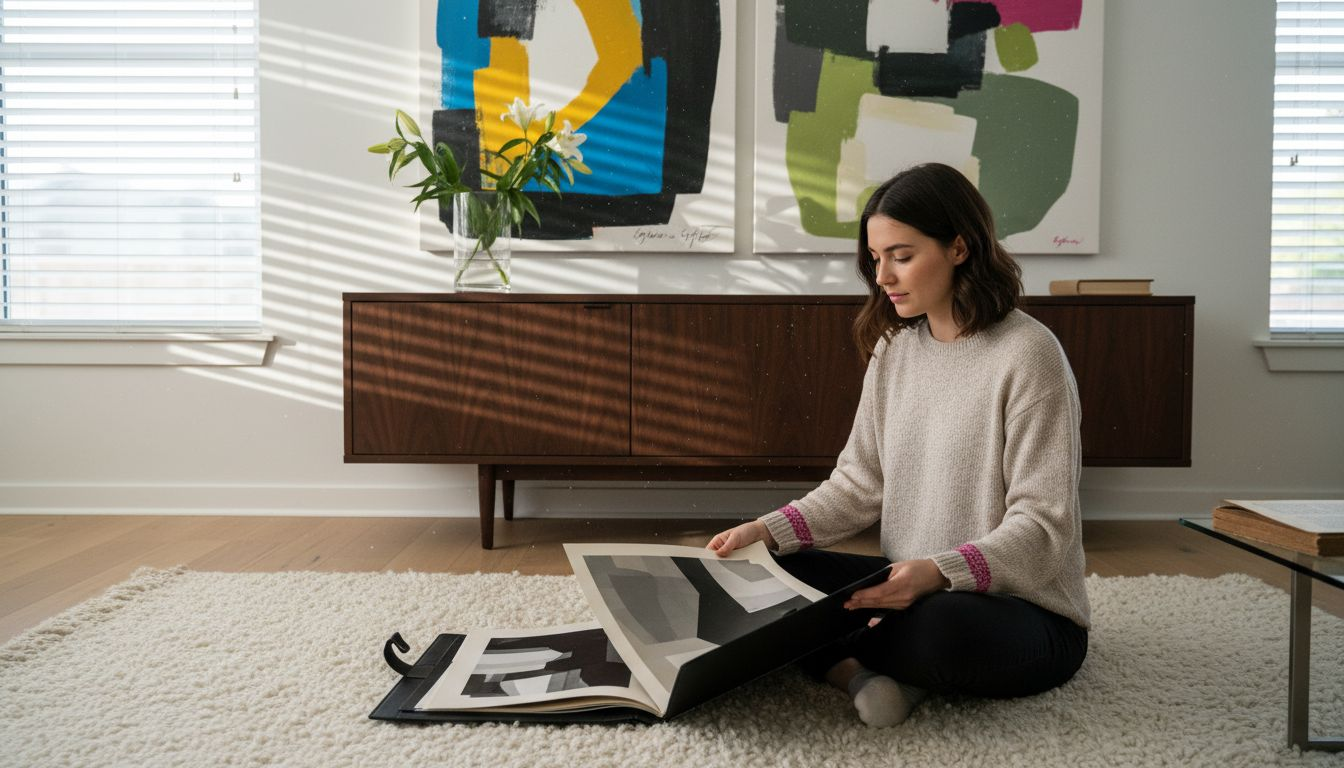
Here’s a concise comparison of popular art styles and their ideal home settings:
| Art Style | Key Visual Feature | Best Interior Match |
|---|---|---|
| Renaissance | Detailed realism | Classic or traditional homes |
| Impressionism | Soft color blending | Light-filled modern spaces |
| Abstract | Geometric forms | Minimalist or urban lofts |
| Baroque | Dramatic lighting | Grand or ornate settings |
| Realism | Accurate portrayal | Cozy, narrative-driven decor |
Pro tip: Before purchasing, photograph your interior space and digitally preview potential artworks to ensure style and color compatibility.
How to Select Original Contemporary Art
Contemporary art selection demands a nuanced approach that goes beyond mere aesthetic appreciation. This dynamic art form, typically created from the 1970s onward, represents a rich tapestry of cultural expression that reflects current societal dialogues, technological innovations, and personal perspectives.
Understanding the significance of original artwork requires deep engagement with the artist’s intent and creative context. Provenance and authenticity become critical considerations when building a meaningful contemporary art collection. Luxury homeowners should invest time in researching artists, understanding their career trajectories, and verifying the artwork’s genuine origins through reputable galleries and expert consultations.
Selecting contemporary art for home interiors involves more than finding visually appealing pieces. Consider how each artwork contributes to your space’s narrative, whether through bold geometric compositions that complement minimalist design or introspective pieces that create emotional depth. Look for works that not only resonate with your personal aesthetic but also challenge and expand your visual perspective, transforming your home into a dynamic, thoughtful environment.
Pro tip: Attend local art gallery openings and contemporary art fairs to develop a personal relationship with emerging artists and gain firsthand insight into original artwork selection.
Budgeting, Authentication, and Avoiding Scams
Art authentication is a complex process that demands strategic financial planning and expert insight. Luxury homeowners must approach art collection as an investment requiring meticulous research, understanding that the true cost extends far beyond the initial purchase price.
Navigating the art market requires comprehensive due diligence. Effective collection management policies recommend creating a holistic budget that encompasses not just acquisition costs, but also critical expenses like professional authentication, conservation, insurance, and potential restoration. Emerging collectors should allocate approximately 15-20% of their artwork budget for these supplementary expenses to protect their investment and ensure long-term preservation.
Protecting yourself from potential art fraud involves multiple strategic approaches. Work exclusively with reputable galleries and dealers, request comprehensive provenance documentation, and consider hiring independent art authentication experts who can provide forensic verification of an artwork’s origins. Red flags include sellers reluctant to share detailed documentation, artwork priced suspiciously below market value, and incomplete transaction histories.
Pro tip: Develop a network of trusted art professionals and allocate at least 10% of your artwork budget for expert consultation and authentication services.
Displaying, Insuring, and Caring for Art
Artwork preservation strategies require a sophisticated approach that balances aesthetic presentation with scientific conservation techniques. Luxury homeowners must understand that displaying art involves more than simply hanging a piece on a wall—it demands careful consideration of environmental factors that can dramatically impact an artwork’s longevity and value.
Controlling environmental conditions is paramount for art preservation. Protective exhibition practices recommend using UV-filtering glazing, maintaining consistent temperature and humidity levels, and minimizing direct light exposure. Professional conservators suggest keeping artworks away from direct sunlight, heating vents, and areas with significant temperature fluctuations. Invest in museum-grade framing materials that provide archival protection, using acid-free mounting boards and conservation-grade glass that blocks harmful ultraviolet radiation.
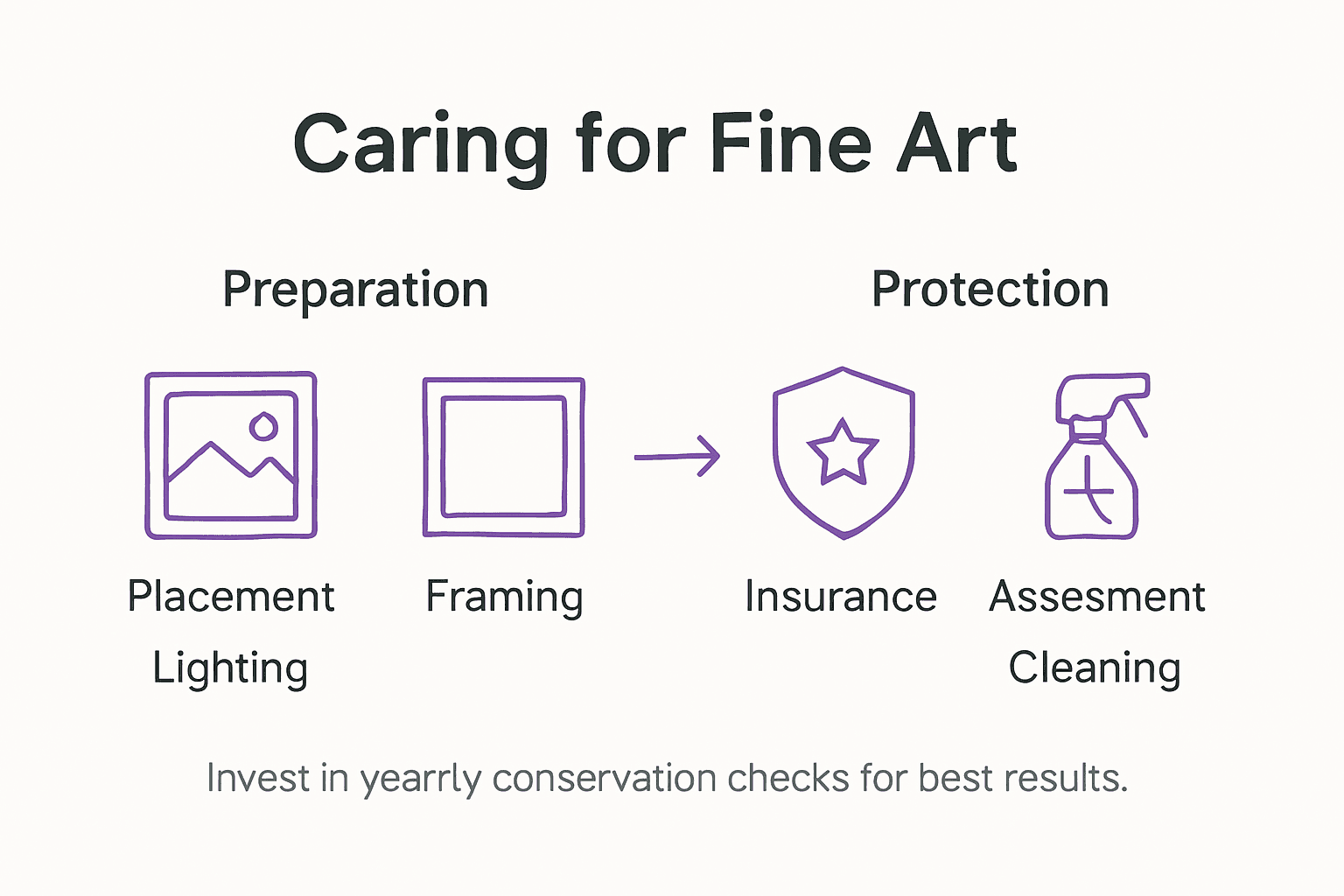
Insurance represents another critical aspect of art collection management. Specialized art insurance policies differ significantly from standard homeowner coverage, offering protection that accounts for an artwork’s unique value, potential appreciation, and restoration requirements. Collectors should document each piece thoroughly, including professional appraisals, provenance records, and high-resolution photographs to ensure comprehensive coverage in case of damage or loss.
Below is a summary of essential art collection management steps and their importance:
| Step | Purpose | Value to Homeowner |
|---|---|---|
| Authentication | Verify artwork origins | Avoid fraud, ensure value |
| Conservation | Preserve physical condition | Protect long-term investment |
| Professional Appraisal | Determine market worth | Accurate insurance coverage |
| Provenance Research | Track ownership history | Enhance credibility, resale |
| Insurance | Protect against loss or damage | Financial peace of mind |
Pro tip: Schedule annual professional conservation assessments to proactively identify and address potential preservation challenges before they become significant problems.
Elevate Your Luxury Home with Thoughtfully Curated Art
New homeowners face the challenge of transforming their spaces into personalized havens that reflect their unique taste and story. This journey requires not only selecting art that complements architectural design but also choosing pieces with authentic provenance and lasting value. Whether you are drawn to bold abstract expressions or serene still life compositions, finding original artwork that resonates emotionally and visually is key to building a meaningful collection.
Discover a diverse range of original paintings and museum-quality prints at Eman’s Gallery featuring carefully curated collections like Contemporary and Still Life & Interiors. Each piece is crafted to harmonize with sophisticated living spaces while supporting your vision for a curated home environment.
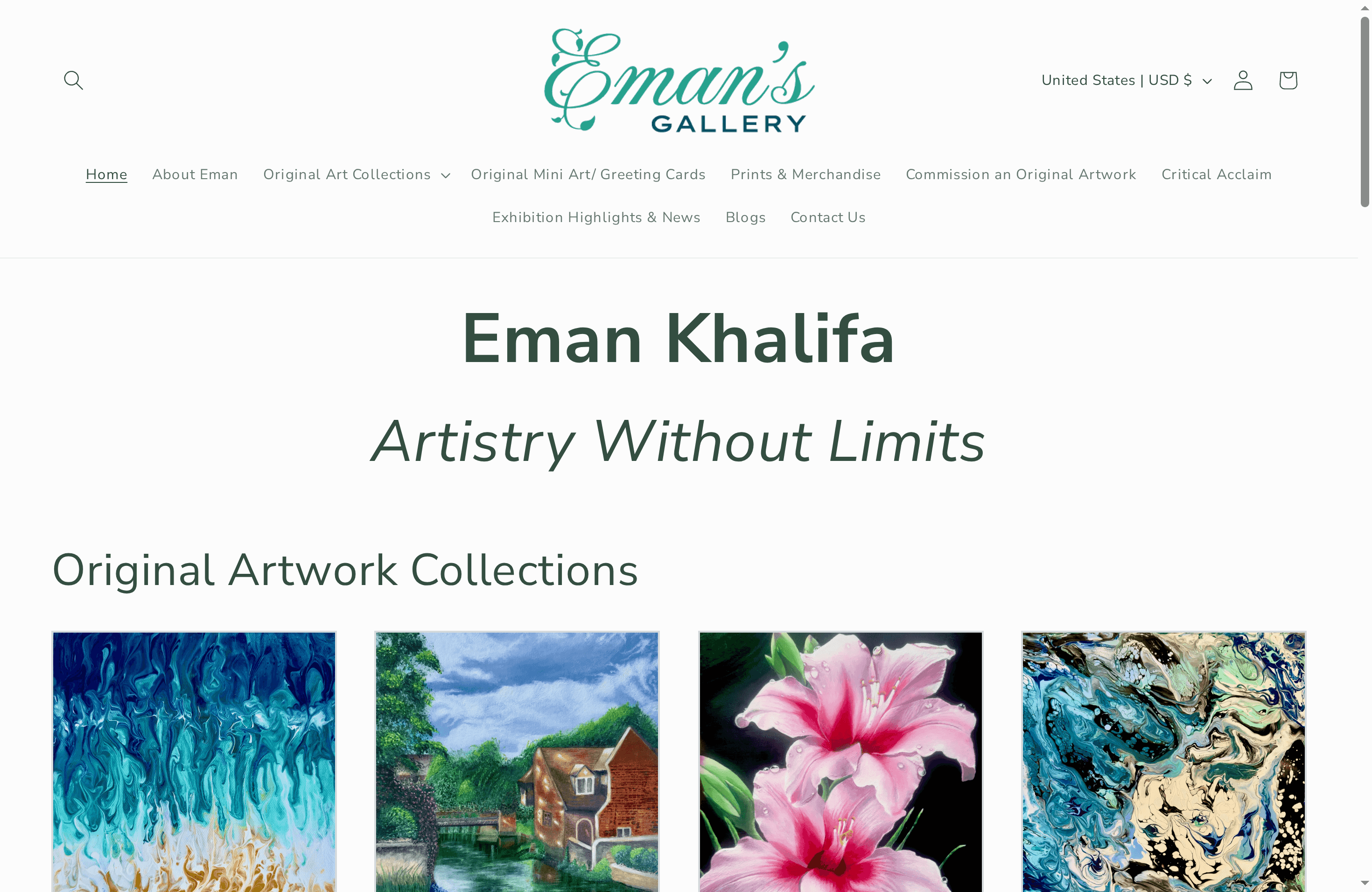
Begin your elevated art collection journey today by visiting Eman’s Gallery. Explore exclusive works designed to enrich luxury interiors. Shop now to secure authentic artwork that enhances your home’s ambiance and withstands the test of time.
Frequently Asked Questions
What are the key elements to consider when starting an art collection?
To begin an art collection, focus on factors like artwork provenance, preservation conditions, and ensuring long-term aesthetic coherence. Start with pieces that resonate with you personally to create a meaningful collection.
How do I choose the right art style for my luxury home interior?
Selecting an art style should involve considering how the artwork interacts with your home’s architecture. For example, Abstract pieces may suit minimalist designs, while Impressionist landscapes can soften modern lines. Aim for visual harmony.
What steps should I take to authenticate a piece of artwork?
When authenticating artwork, work with reputable galleries and request provenance documentation. Consider hiring independent art authentication experts to verify the artwork’s origins and ensure its value is protected.
How can I protect my art collection from damage?
To protect your art collection, control environmental factors such as light exposure, temperature, and humidity. Use museum-grade framing materials and schedule annual professional conservation assessments to address preservation challenges.
Recommended
- Complete Guide to Types of Art for Interiors – Eman’s Gallery
- Art and Interior Design Explained: Transforming Modern Spaces
- Curating Art for Interiors: A Step-by-Step Guide to Stunning Spaces – Eman’s Gallery
- 7 Top Art Print Subjects Every Collector Should Know – Eman’s Gallery
Stay Connected
- ✨ Explore Eman Khalifa’s original art and fine art prints
- 📸 Follow Eman Khalifa’s art journey on: Instagram @emans_gallery and Facebook Eman’s Gallery
- 📹 Watch Eman Khalifa creating live art on: YouTube @emans_gallery
