


How to get prints made of your artwork in 2026
You’ve poured your heart into creating original artwork, and now you want to share it with a wider audience. Producing high-quality prints can transform your art practice by making your work accessible to more collectors without creating new originals every time. This guide walks you through the essential steps of preparing your artwork files, selecting printing methods and materials, working with print services, and avoiding common mistakes so you can confidently expand your reach and sales opportunities.
Table of Contents
- Preparing Your Artwork Files For Print
- Choosing The Right Printing Method And Materials
- Selecting A Printing Service And Placing Your Order
- Common Mistakes And How To Avoid Them
Key takeaways
| Point | Details |
|---|---|
| File preparation is crucial | High-resolution files at 300 dpi with proper color profiles ensure print quality matches your original artwork |
| Multiple printing methods exist | Giclée, inkjet, digital, and screen printing each offer different quality levels, costs, and best-use scenarios |
| Material choice affects presentation | Canvas, fine art paper, and photo paper create distinct visual effects and durability for different buyer preferences |
| Service selection matters | Researching print providers and communicating specifications clearly prevents costly errors and delays |
| Proofs prevent mistakes | Always review test prints before bulk orders to catch color, resolution, or formatting issues early |
Preparing your artwork files for print
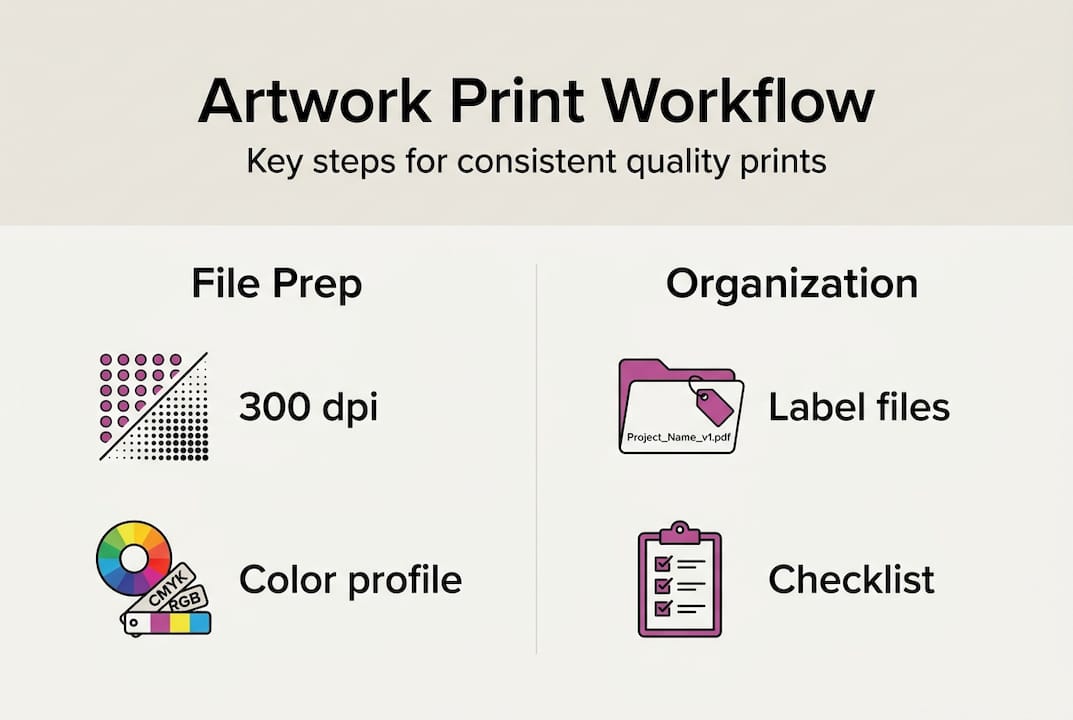
Before sending your artwork to any printer, you need to ensure your digital files meet professional standards. The quality of your print depends entirely on the quality of your source file. Start by scanning physical artwork at 300 dpi resolution minimum or creating digital art at this resolution from the beginning. Lower resolutions produce pixelated, blurry prints that disappoint buyers and damage your reputation.
Color management separates amateur prints from professional ones. Use sRGB color profile for most online print services and consumer displays, or Adobe RGB for fine art printing with expanded color gamut. Your monitor should be calibrated regularly so what you see on screen matches the final print. Many artists discover their prints look dramatically different from their screen preview because they skipped this step.
File format selection impacts both quality and compatibility with print services. TIFF files preserve maximum detail without compression, making them ideal for archival prints. PNG files offer lossless compression with transparency support, perfect for artwork with clear backgrounds. PDF files work well for vector art and maintain layout integrity. Most professional printers accept all three formats, but always confirm requirements before preparing files.
| Format | Advantages | Best Uses | | — | — | | TIFF | No compression, maximum quality, industry standard | Fine art prints, archival reproductions, gallery quality | | PNG | Lossless compression, supports transparency, widely compatible | Digital art, graphics with clear backgrounds, web-to-print | | PDF | Preserves layout, vector support, universal compatibility | Vector artwork, multi-page documents, print-ready files |
Create a systematic file preparation workflow to maintain consistency across all your prints. Organize your files with clear naming conventions that include artwork title, dimensions, and version number. Save master files separately from print-ready exports. Double-check dimensions match your intended print size at full resolution. Understanding art print terminologies helps you communicate effectively with print services and avoid confusion about specifications.
Pro Tip: Calibrate your monitor using a hardware calibration tool every month to ensure accurate color representation, especially if you work in color-critical fields or sell prints where color fidelity matters to buyers.
Document your file preparation checklist and follow it for every artwork you prepare for printing. Include steps like checking resolution, confirming color profile, reviewing dimensions, saving in correct format, and creating backup copies. This systematic approach prevents rushed mistakes when you’re excited to see your work printed. Learning proper storage methods for art prints also protects your investment once prints arrive.
Choosing the right printing method and materials
Printing technology has evolved dramatically, giving artists multiple options for reproducing their work. Giclée printing uses archival inks and high-end inkjet printers to create museum-quality reproductions with exceptional color accuracy and longevity. Standard inkjet printing offers good quality at lower costs, suitable for affordable prints and merchandise. Digital printing provides fast turnaround for large quantities but may sacrifice some color depth. Screen printing works beautifully for graphic designs and limited editions with bold, flat colors.
Each method serves different artistic goals and budgets. Different printing methods affect durability, texture, and color accuracy in ways that impact how collectors perceive and value your work. Giclée prints command higher prices because they’re considered closest to original artwork quality. Digital prints work well for testing market interest before investing in premium reproductions. Screen prints appeal to collectors who appreciate the handcrafted aspect of limited editions.
| Method | Quality Level | Cost Range | Best For |
|---|---|---|---|
| Giclée | Museum-grade, archival | High | Fine art reproductions, gallery sales, high-end collectors |
| Inkjet | Good to excellent | Medium | General art prints, online sales, affordable originals |
| Digital | Good, fast production | Low to medium | Large quantities, promotional materials, test runs |
| Screen | Excellent for graphics | Medium to high | Limited editions, bold designs, collectible prints |
Material selection transforms how your artwork appears and feels. Canvas prints create texture and depth, making reproductions feel more like original paintings. They work exceptionally well for abstract, landscape, and bold contemporary pieces. Fine art paper delivers crisp detail and rich color saturation, ideal for detailed illustrations, photography-based art, and watercolor reproductions. Photo paper provides glossy or matte finishes with vibrant colors, perfect for photographic artwork and digital illustrations.
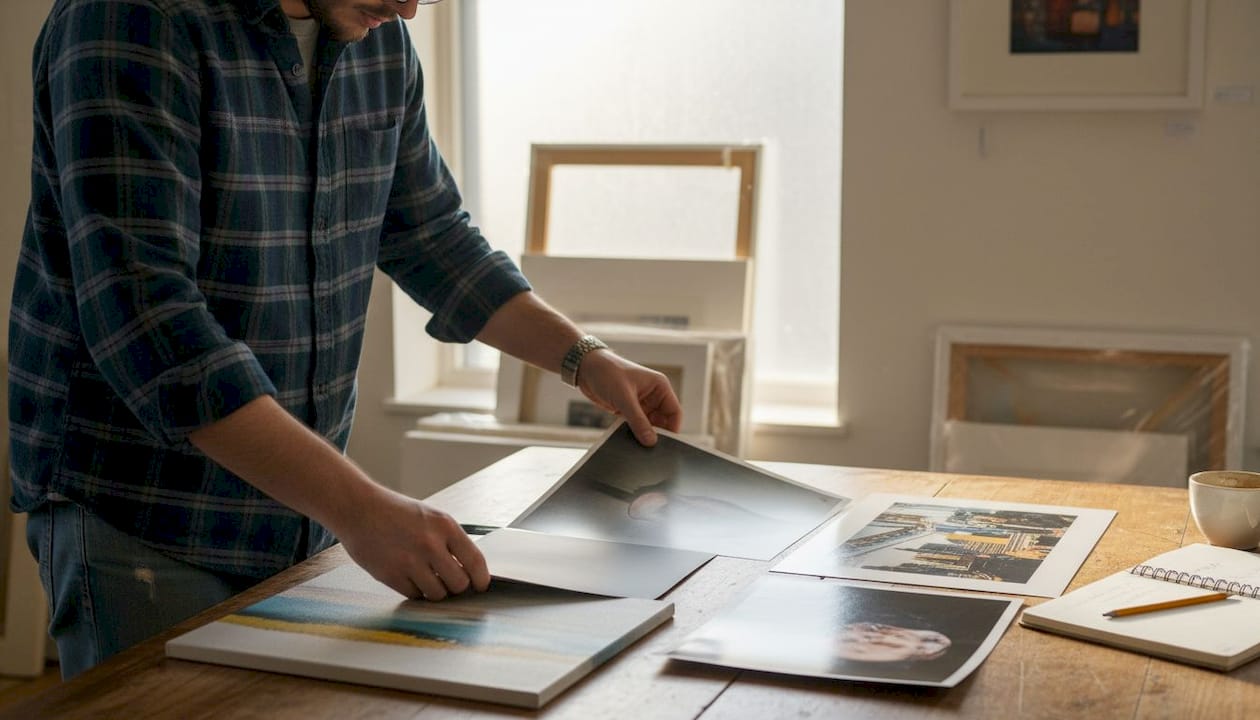
Finish options add another layer of customization to your prints. Matte finishes reduce glare and create a sophisticated, gallery-like appearance that works in any lighting. Gloss finishes enhance color vibrancy and contrast, making bold artwork pop with visual impact. Satin finishes split the difference, offering subtle sheen without overwhelming glare. Consider where buyers will display your work when selecting finishes. Bright rooms with lots of windows benefit from matte, while dramatic artwork in controlled lighting shines with gloss.
Pro Tip: Order small test prints on different materials and finishes before committing to bulk production, letting you compare how your specific artwork translates across options and make informed decisions that satisfy both you and your buyers.
Exploring different types of art prints expands your understanding of how materials and methods combine to create distinct products. Some artists offer multiple print options for the same artwork, letting buyers choose based on their budget and display preferences. This strategy maximizes sales opportunities while maintaining quality standards across your product line.
Selecting a printing service and placing your order
Finding the right print service partner determines whether your vision becomes reality or a disappointing compromise. Research local print shops and online services by reviewing their portfolios, reading customer testimonials, and examining sample prints if possible. Look for providers who specialize in art reproductions rather than general commercial printing, as they understand the unique requirements of fine art. Choosing a reputable print shop and clear communication reduces errors and ensures your prints meet professional standards.
Evaluate potential print services on several criteria beyond just price. Check their equipment quality and whether they use archival inks and materials. Confirm their color management processes and whether they offer proofing services. Review their turnaround times and shipping options. Ask about their file requirements and whether they provide technical support if you encounter issues. Compare pricing structures, including setup fees, per-print costs, and bulk discounts.
When you’re ready to place an order, clear communication prevents costly mistakes. Create a detailed specification sheet for each artwork that includes exact dimensions, material preferences, finish selection, quantity needed, and any special instructions. Reference your file preparation documentation to ensure the printer receives everything they need. Confirm color expectations by describing your artwork and any critical color elements that must reproduce accurately.
Upload your files according to the print service’s specifications, following their naming conventions and file organization requirements. Most services provide online portals where you can upload files, select options, and track orders. Double-check every selection before submitting, as changes after order placement often incur fees or delays. Save confirmation emails and order numbers for reference.
Critical steps before finalizing your print order:
- Request and carefully review a digital proof showing how your file will print
- Order a physical proof for important or expensive print runs to verify color and quality
- Confirm all specifications match your requirements in the order summary
- Verify shipping address and expected delivery timeline
- Understand the return or reprint policy if prints don’t meet standards
Managing print inventory becomes important as you scale your print sales. Start with smaller quantities to test market demand before investing in bulk orders. Track which artworks sell best and in what sizes or materials. Consider offering pre-orders for new releases to gauge interest and reduce upfront costs. Understanding art print maintenance helps you advise buyers on caring for their purchases, building trust and reducing return requests.
Establish relationships with reliable print services rather than constantly switching providers. Consistent quality comes from working with partners who understand your standards and preferences. Many print services offer better pricing and priority service to repeat customers. Building these relationships also gives you someone to consult when you want to try new materials or techniques.
Common mistakes and how to avoid them
Even experienced artists encounter challenges when producing prints. Understanding common pitfalls helps you avoid expensive mistakes and frustrating delays. Many artists encounter issues like low resolution images, incorrect color profiles, and skipping proofs that compromise their print quality and waste money on unusable products.
Resolution mistakes top the list of print failures. Artists often assume a file that looks good on screen will print well, but screens display at much lower resolution than printers require. Enlarging a low-resolution file creates pixelation and blur that no printing technique can fix. Always create or scan artwork at final print size and 300 dpi minimum. If you need larger prints than your original file supports, work with the print service to determine maximum size before quality degrades.
Color calibration oversights create the frustrating experience of prints that look completely different from your screen. Without calibrated monitors and proper color profiles, you’re essentially guessing how prints will appear. Invest in basic color management tools and learn to use them. Request color proofs for your first prints with a new service to establish baseline expectations. Keep notes about how different printers handle your artwork’s colors.
Skipping proof reviews ranks among the costliest mistakes artists make. Ordering 100 prints without seeing a test print first can result in 100 unusable prints if something went wrong with file preparation, color conversion, or printing setup. Always order single proofs for new artworks, new print services, or new materials. The small additional cost and time save you from catastrophic bulk order failures.
Before approving any print run, verify these critical elements with your printer: color accuracy matches your expectations, resolution appears sharp and detailed, dimensions match your specifications exactly, materials and finishes are correct, and any special requirements like borders or signatures are properly executed.
File format confusion causes compatibility issues and quality loss. Sending RGB files when the printer needs CMYK, or providing compressed JPEGs instead of lossless formats, degrades your print quality. Always confirm file requirements before preparing your artwork. Save master files in the highest quality format and create specific export versions for different uses.
Poor communication with print services leads to mismatched expectations and disappointing results. Assuming the printer knows what you want without clear specifications invites problems. Document everything in writing. Ask questions when you’re unsure about any aspect of the process. Request samples of materials before ordering if you haven’t worked with them before. The few minutes spent clarifying details prevents hours of frustration and potential financial losses.
Rushing the process compromises quality at every stage. Taking time to properly prepare files, research print options, review proofs, and communicate clearly produces better results than hurrying through steps to get prints faster. Build adequate time into your production schedule for each phase, including potential revisions and reprints if needed.
Explore high-quality original and print artworks at Eman’s Gallery
Seeing professional print quality in action helps you envision possibilities for your own artwork. Eman’s Gallery showcases how museum-quality canvas prints can beautifully reproduce original paintings while maintaining the depth, color, and emotional impact that makes art compelling. Browse collections ranging from abstract and geometric to floral and landscape pieces, all available as both one-of-a-kind originals and carefully crafted prints.
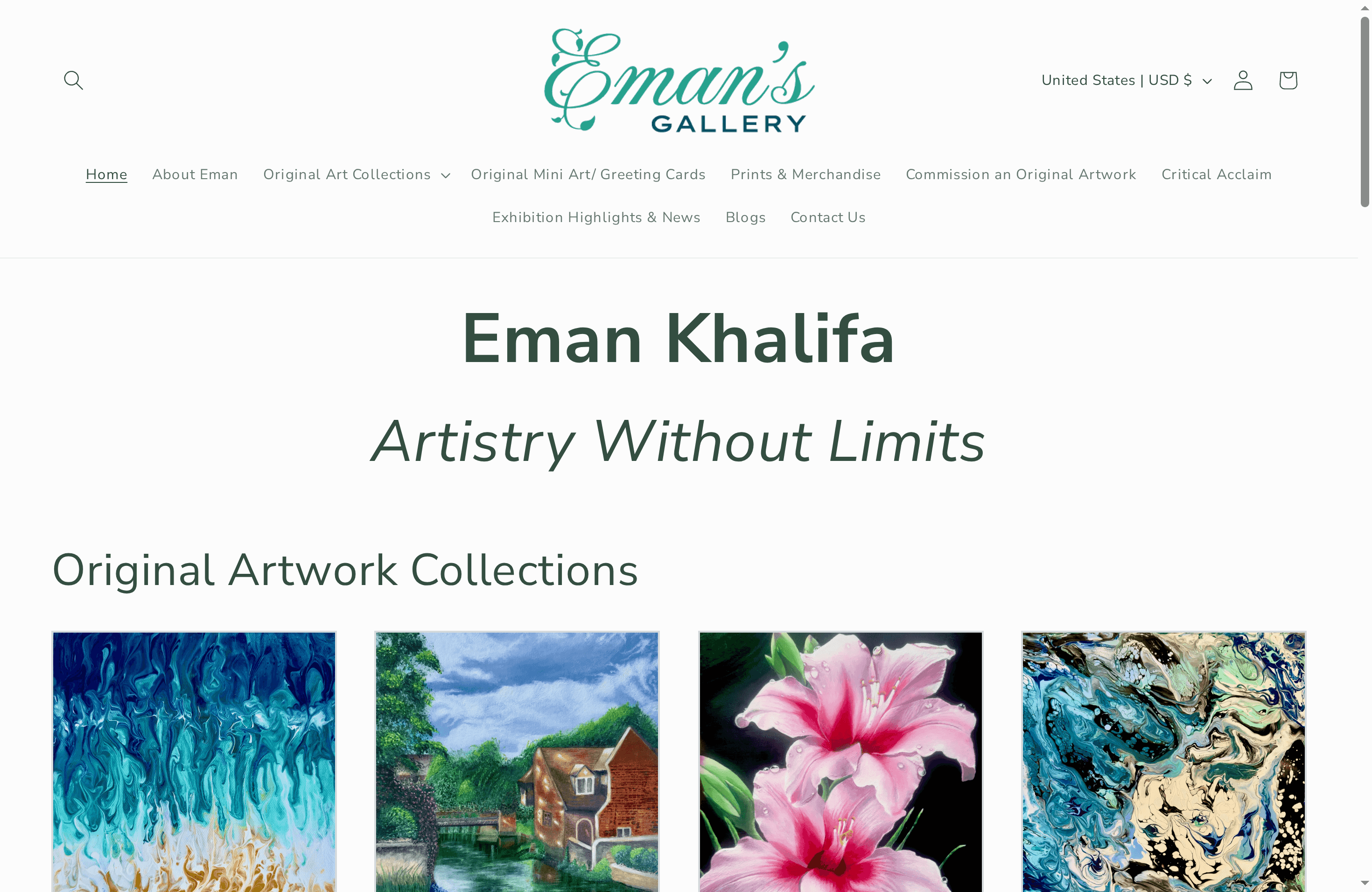
Exploring pieces like Good Tidings Original demonstrates the level of detail and vibrancy achievable in quality reproductions. The extensive wall art prints collection shows how different artworks translate to print format across various sizes and styles. You’ll also discover creative applications through signature art merchandise that extends artwork into everyday items, inspiring ideas for diversifying your own product offerings beyond traditional prints.
Frequently asked questions
How do I get prints made of my artwork?
Prepare high-resolution digital files at 300 dpi with proper color profiles, then research and select a print service that specializes in art reproductions. Upload your files according to their specifications, choose materials and finishes, and always request a proof before ordering quantities. The process typically takes one to three weeks depending on proof approval and production time.
How much does it cost to get art prints made?
Costs vary widely based on size, material, printing method, and quantity. Small giclée prints on fine art paper might cost $15 to $30 each in small quantities, while large canvas prints can range from $50 to $200 or more. Digital prints and bulk orders reduce per-unit costs significantly. Request quotes from multiple services to compare pricing for your specific needs.
What’s the best way to sell prints of my artwork?
Establish an online presence through your own website or platforms like Etsy, combining professional product photography with clear descriptions of materials and sizes. Offer multiple size options and price points to appeal to different buyers. Market through social media showcasing both your originals and prints, and consider participating in local art markets or galleries to reach collectors who prefer buying in person.
How do I protect my artwork when making prints?
Retain full copyright to your original artwork automatically upon creation, and consider registering copyrights for valuable pieces. Include copyright notices on prints and limit edition sizes to maintain exclusivity. Use watermarks on digital previews shared online. Work only with reputable print services that respect artist rights and won’t reproduce your work without permission.
How can I ensure my prints maintain quality over time?
Use archival-quality materials including acid-free papers and lightfast inks that resist fading for decades. Advise buyers to display prints away from direct sunlight and in climate-controlled environments. Provide care instructions with each print explaining proper handling and framing. Choose giclée printing with pigment-based inks rather than dye-based inks for maximum longevity, especially for pieces marketed as investment-quality art.
Recommended
- What Is an Art Print? Complete Guide for 2025 - Eman’s Gallery
- Why Artists Make Prints: Complete Expert Guide - Eman’s Gallery
- Top 6 Best Art Prints for Interior Designers in 2026
- Top 5 Custom Art Print Services in 2026 for Art Lovers
Stay Connected
- ✨ Explore Eman Khalifa’s original art and fine art prints
- 📸 Follow Eman Khalifa’s art journey on: Instagram @emans_gallery and Facebook Eman’s Gallery
- 📹 Watch Eman Khalifa creating live art on: YouTube @emans_gallery
