


Art Reproduction Process 2026: 95% Color Accuracy Guide
Many assume art reproductions are inferior knock-offs lacking originality. Yet surveys show 65% of interior designers prefer museum-quality reproductions for consistent aesthetics in large projects. High-quality reproductions can rival originals in visual impact when produced correctly. This guide demystifies the art reproduction process, empowering you to confidently select pieces that enhance your collection or interior design projects with precision and longevity.
Table of Contents
- Introduction To The Art Reproduction Process
- Step-By-Step Art Reproduction Process
- Comparison Of Popular Art Reproduction Techniques
- Material Selection And Its Impact On Longevity And Aesthetics
- Common Misconceptions About Art Reproductions
- Quality Assurance And Color Matching In Art Reproduction
- Application Of Art Reproductions In Collecting And Interior Design
- Legal And Ethical Considerations In Art Reproduction
- Discover Quality Art Reproductions At Eman’s Gallery
Key Takeaways
| Point | Details |
|---|---|
| High-resolution capture and color management ensure reproduction accuracy | Calibrated workflows deliver museum-grade fidelity |
| Giclée and UV printing suit different needs with distinct pros and cons | Choose based on color gamut, drying time, and budget |
| Material choice affects longevity and aesthetic quality significantly | Archival pigment inks last over 100 years versus dye-based alternatives |
| Legal licensing is essential to avoid penalties and ensure compliance | Unauthorized reproductions carry significant legal and financial risks |
| Understanding these factors enables smarter collecting and design decisions | Apply technical knowledge to real-world purchasing choices |
Introduction to the Art Reproduction Process
Art reproduction transforms original artworks into accessible, high-quality copies for collectors and designers. The process combines advanced digital capture, precise color science, and carefully selected materials to preserve the integrity of the original. For collectors, reproductions offer cost-effective access to iconic pieces. For interior designers, they provide scalable solutions for large installations without compromising visual impact.
Art reproduction includes both digital and traditional methods critical to collectors and designers. Digital methods like giclée printing use inkjet technology with archival inks. Traditional methods include lithography and screen printing, though less common today for fine art. Understanding these distinctions helps you evaluate quality and make informed purchases.
Key benefits include:
- Cost savings compared to originals while maintaining visual appeal
- Flexibility to reproduce works at various scales for different spaces
- Durability suited to high-traffic environments or sunlit areas
- Consistency across multiple pieces for cohesive design projects
The reproduction industry has evolved dramatically with digital technology. Modern workflows achieve accuracy levels previously impossible, bridging the gap between accessibility and authenticity.
Step-by-Step Art Reproduction Process
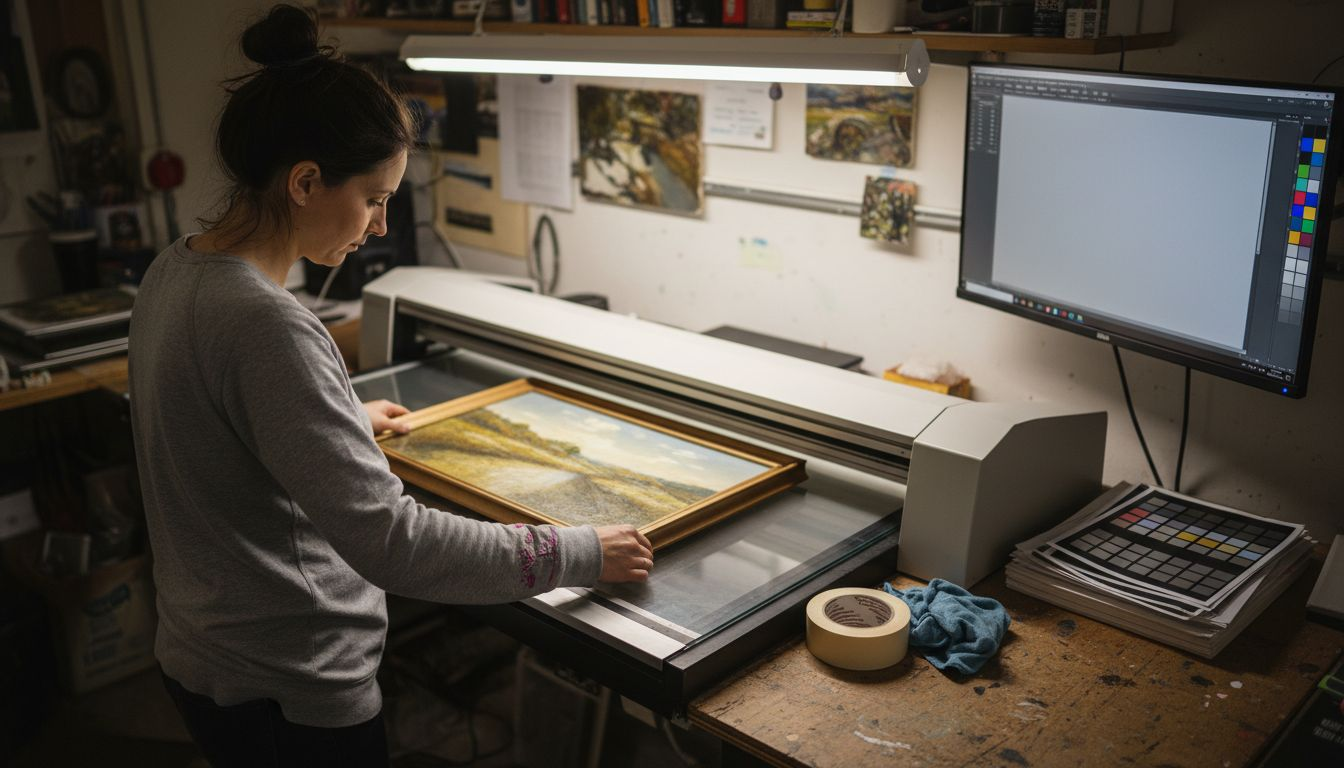
Creating a quality reproduction follows a precise sequence. Each stage builds on the previous to ensure fidelity to the original artwork. Understanding these steps helps you assess producer credibility and final product quality.
- High-resolution digital capture scans the original at 300-600 DPI to preserve fine details and texture
- Color management applies calibrated devices and ICC profiles to match original hues accurately
- Printing method selection considers project scale, budget, and desired longevity
- Substrate choice balances aesthetic goals with environmental factors like humidity and light exposure
- Multi-stage proofing uses soft proofs on calibrated monitors and hard proofs under standard lighting conditions
- Protective coatings apply UV-resistant varnishes or laminates to extend lifespan
Multi-stage proofing reduces color mismatch errors by up to 95%, ensuring what you see matches what you receive. This verification process separates professional operations from amateur producers. Soft proofing simulates final output on screen before printing. Hard proofing produces physical samples under controlled lighting matching gallery or home conditions.
Pro Tip: Avoid producers using low-resolution images or uncalibrated workflows. Request proof prints before committing to large orders. Verify they use ICC profiles and calibrated monitors throughout production.
The capture stage determines maximum achievable quality. No later process can recover detail lost during initial scanning. Professional setups use drum scanners or high-end flatbed scanners with specialized software. Color management ensures consistency across devices, from capture through printing to final display. Without this discipline, colors shift unpredictably between stages.
Comparison of Popular Art Reproduction Techniques
Three primary methods dominate contemporary art reproduction. Each offers distinct advantages depending on your project requirements and budget constraints.
| Technique | Pros | Cons | Best For |
|---|---|---|---|
| Giclée | Superior color gamut, archival inks, fine detail | Higher cost, slower production | Museum-quality pieces, limited editions |
| UV Printing | Fast drying, versatile substrates, cost-effective | Narrower color range, less archival | Large-scale commercial installations |
| 3D Texture Printing | Replicates brushstroke texture, tactile authenticity | Very high cost, limited availability | High-end collectors, oil painting reproductions |
Giclée printing offers superior color gamut with archival pigment inks compared to UV printing. The term giclée derives from French, meaning “to spray.” This method uses specialized inkjet printers with 8-12 color channels instead of standard CMYK. The expanded palette captures subtle tonal variations impossible with fewer inks.
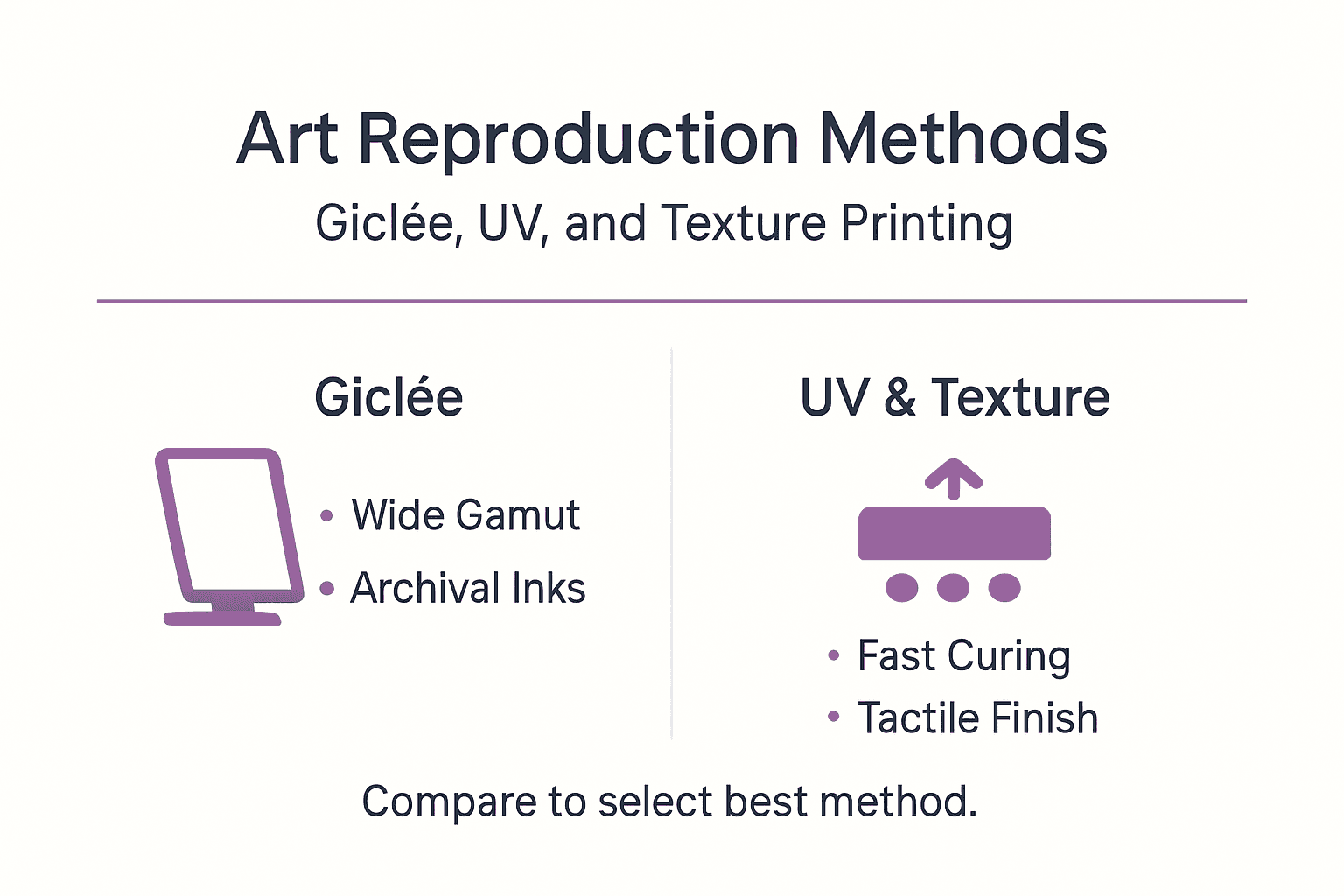
UV printing cures ink instantly under ultraviolet light. This speed advantage suits high-volume projects but sacrifices some color depth. The inks contain photoinitiators that harden upon UV exposure, allowing printing on non-absorbent surfaces like metal or glass. For interior designers managing tight deadlines, UV printing delivers acceptable quality faster.
Texture printing adds a third dimension by layering clear polymer to mimic brushstrokes. This technique creates tactile depth matching oil paintings. The process remains expensive and niche, reserved for premium reproductions where authenticity justifies the investment.
Pro Tip: Choose your printing technique based on project scale and environmental factors. Giclée suits residential collections with controlled lighting. UV printing works for commercial spaces with budget constraints and fast turnaround needs.
Material Selection and Its Impact on Longevity and Aesthetics
Substrate and ink choices directly determine how long your reproduction retains its visual appeal. Understanding material characteristics prevents premature fading and deterioration.
Archival pigment inks contain microscopic solid particles suspended in liquid. They resist UV degradation and chemical breakdown. Pigment-based giclée prints can retain color accuracy for over 100 years under museum conditions. Dye-based inks dissolve colorants in liquid, producing vibrant hues that fade within 10-25 years under similar conditions.
| Substrate Type | Texture | Longevity | Ideal Use |
|---|---|---|---|
| Fine Art Paper | Smooth to slightly textured | 75-100 years with archival inks | Prints requiring paper authenticity |
| Canvas | Woven texture | 100+ years with proper care | Large wall art, paintings |
| Metal | Smooth, reflective | 50-75 years | Modern installations |
| Acrylic | Glossy, dimensional | 50+ years | High-end displays |
Canvas substrates offer superior durability compared to paper for long-term displays. The woven structure tolerates humidity fluctuations better than paper fibers. Canvas also accepts stretching over frames without creasing, making it ideal for large-scale installations.
Fine art papers range from smooth hot-press to heavily textured cold-press surfaces. Rag content (cotton fiber percentage) affects archival properties. Papers with 100% cotton rag content remain acid-free indefinitely, preventing yellowing. Wood pulp papers contain lignin, which degrades over decades.
Texture influences perceived quality. Smooth surfaces suit photographic reproductions and digital art. Textured substrates complement impressionist or abstract works, adding tactile dimension. The impact of ink and material selection extends beyond aesthetics to long-term value retention. Collectors should prioritize archival combinations for investment pieces.
Environmental factors accelerate or slow degradation. Direct sunlight, high humidity, and temperature fluctuations shorten lifespan regardless of materials. Proper framing with UV-protective glass adds years to any reproduction.
Common Misconceptions about Art Reproductions
Several persistent myths discourage collectors and designers from embracing quality reproductions. Clearing these misconceptions opens opportunities for smarter acquisitions.
- Myth: All reproductions are inferior to originals
- Reality: High-quality reproductions can rival originals visually, particularly for works originally created digitally or with flat color fields
- Myth: Price correlates directly with quality
- Reality: Cost varies widely based on scale, substrate, and printing method, not always indicating archival standards or color fidelity
- Myth: Legal licensing for reproductions is minimal
- Reality: Compliance is essential to avoid penalties ranging from fines to legal action
The belief that reproductions lack value stems from poor-quality mass production flooding the market decades ago. Modern giclée technology produces museum-grade pieces indistinguishable from originals at normal viewing distances. Many museums sell reproductions of their collections using identical processes to archive originals.
Price reflects multiple factors beyond quality. Limited edition reproductions command premiums due to artificial scarcity, not superior production. Conversely, open edition prints from reputable producers may offer better value with identical archival properties. Always verify specifications rather than assuming price indicates quality.
“Museum-quality reproductions serve essential roles in education and accessibility. When produced ethically with proper licensing, they democratize art without diminishing original works. The key lies in transparency about methods and materials.” — Industry Expert on Art Reproduction Standards
Licensing misconceptions create legal exposure. Copyright persists 70 years after an artist’s death in most jurisdictions. Reproducing protected works without permission violates intellectual property law. Penalties include statutory damages, legal fees, and destruction of infringing materials. Debunking these myths empowers informed decision-making based on facts rather than outdated assumptions.
Quality Assurance and Color Matching in Art Reproduction
Professional reproduction workflows implement rigorous quality control to guarantee color accuracy. Understanding these processes helps you identify reliable producers and set appropriate expectations.
Calibrated monitors display colors consistently using ICC profiles that map device capabilities to standardized color spaces. Without calibration, what you see on screen differs dramatically from printed output. Professional setups calibrate monthly using spectrophotometers that measure actual displayed colors against known standards.
Soft proofing simulates final print appearance on calibrated monitors before physical printing. This preview accounts for substrate limitations and ink characteristics. Hard proofing produces physical samples evaluated under standardized lighting conditions matching typical viewing environments. Standard illuminants like D50 (5000K) provide consistent reference points.
Soft and hard proofing combined with calibrated monitors reduce color errors by about 95%, nearly eliminating unexpected results. This multi-stage verification catches issues before final production, saving time and materials. Each proof iteration refines color matching until differences become imperceptible.
Lighting during proofing critically affects color perception. Warm incandescent bulbs shift colors toward yellow-red. Cool fluorescent tubes skew toward blue-green. Professionals use balanced daylight-spectrum bulbs rated at 5000K-6500K for accurate evaluation. Viewing angle also matters, as some substrates appear different from oblique angles.
Pro Tip: Always request proof prints before final purchase, especially for large orders or investment pieces. Reputable producers welcome this verification and build proofing costs into quotes. If a supplier resists providing proofs, consider it a red flag indicating inadequate color management and proofing techniques.
Digital color management extends beyond printing to encompass the entire workflow. Cameras, scanners, monitors, and printers each interpret colors differently. ICC profiles translate colors between devices, maintaining consistency. Without this translation layer, a blue captured by camera appears purple on monitor and teal when printed.
Application of Art Reproductions in Collecting and Interior Design
Understanding the reproduction process translates into practical advantages for collectors and designers. Strategic application of this knowledge optimizes aesthetic outcomes and budget efficiency.
Cost savings compared to originals allow broader collection diversity. A budget purchasing one original might acquire five high-quality reproductions, creating varied displays across multiple rooms. This flexibility particularly benefits designers staging properties or creating themed environments. Museum-quality reproductions deliver visual impact at a fraction of original costs.
Applications of art reproductions extend beyond budget considerations to practical durability. High-traffic commercial spaces risk damage to originals. Reproductions on durable substrates withstand handling and cleaning. Sunlit areas fade originals, but UV-protected reproductions maintain color integrity.
Consider these practical factors when selecting reproductions:
- Scale requirements for specific wall dimensions and viewing distances
- Environmental conditions including light exposure, humidity, and temperature
- Desired aesthetic texture matching surrounding decor elements
- Budget constraints balanced against quality and longevity expectations
- Legal compliance ensuring proper licensing for commercial installations
Case studies demonstrate successful reproduction applications. A luxury hotel chain used giclée reproductions of regional landscapes across 200 rooms, creating consistent theming impossible with originals. An art collector built a comprehensive survey of impressionist works using licensed reproductions, rotating displays seasonally. An interior designer specified UV-printed reproductions for a sunlit corporate lobby, avoiding the fading concerns of originals.
Art reproduction in luxury collections complements rather than replaces originals. Many collectors acquire reproductions of beloved works displayed in distant museums, enjoying daily access to pieces they could never own. This approach democratizes art appreciation without diminishing original value.
For designers, reproductions offer unmatched flexibility. Client preferences shift during projects. Reproductions allow experimentation with different pieces before final selection. Multiple identical reproductions create symmetry in large installations. The ability to reproduce at custom scales fits specific architectural features precisely.
Legal and Ethical Considerations in Art Reproduction
Navigating copyright law protects you from costly legal issues while supporting artists and rights holders. Understanding basic principles ensures ethical and compliant acquisitions.
Copyright automatically protects original artworks upon creation. This protection persists 70 years after the artist’s death in the US, UK, Canada, and Australia. Works entering public domain become freely reproducible, but verifying status requires research. Assumptions about age or availability risk infringement.
Licensing agreements grant permission to reproduce protected works. License types include:
- Exclusive licenses limiting reproduction rights to single licensees
- Non-exclusive licenses allowing multiple licensees simultaneously
- Limited licenses restricting use by geography, duration, or medium
- Royalty-bearing licenses requiring ongoing payments per unit sold
Unauthorized reproductions carry serious consequences. Copyright holders can seek statutory damages up to $150,000 per infringement in the US. Courts may order destruction of infringing materials and award attorney fees. Beyond financial penalties, reputation damage affects professional credibility.
Best practices for legal compliance include:
- Verify copyright status before reproducing any artwork
- Obtain written licensing agreements specifying permitted uses
- Maintain documentation proving authorization for all reproductions
- Work with reputable suppliers who provide licensing transparency
- Consult intellectual property attorneys for high-value projects
Ethical considerations extend beyond legal minimums. Some artists oppose any reproduction, viewing it as diluting original value. Respecting these wishes, even when legally unnecessary, maintains community goodwill. Transparency about reproduction status preserves trust with clients and collectors. Legal aspects of art reproduction require ongoing attention as laws evolve and international sales cross jurisdictional boundaries.
For designers specifying art in commercial projects, licensing becomes particularly complex. Public display rights differ from private ownership. Commercial installations may require additional permissions beyond basic reproduction licenses. Hotels, restaurants, and offices displaying art face stricter scrutiny than residential collectors.
Discover Quality Art Reproductions at Eman’s Gallery
Applying your new knowledge starts with exploring quality options from trusted sources. Eman’s Gallery offers museum-quality canvas prints using archival giclée processes detailed throughout this guide. Each reproduction undergoes rigorous color matching and quality control to ensure fidelity to the original artwork.
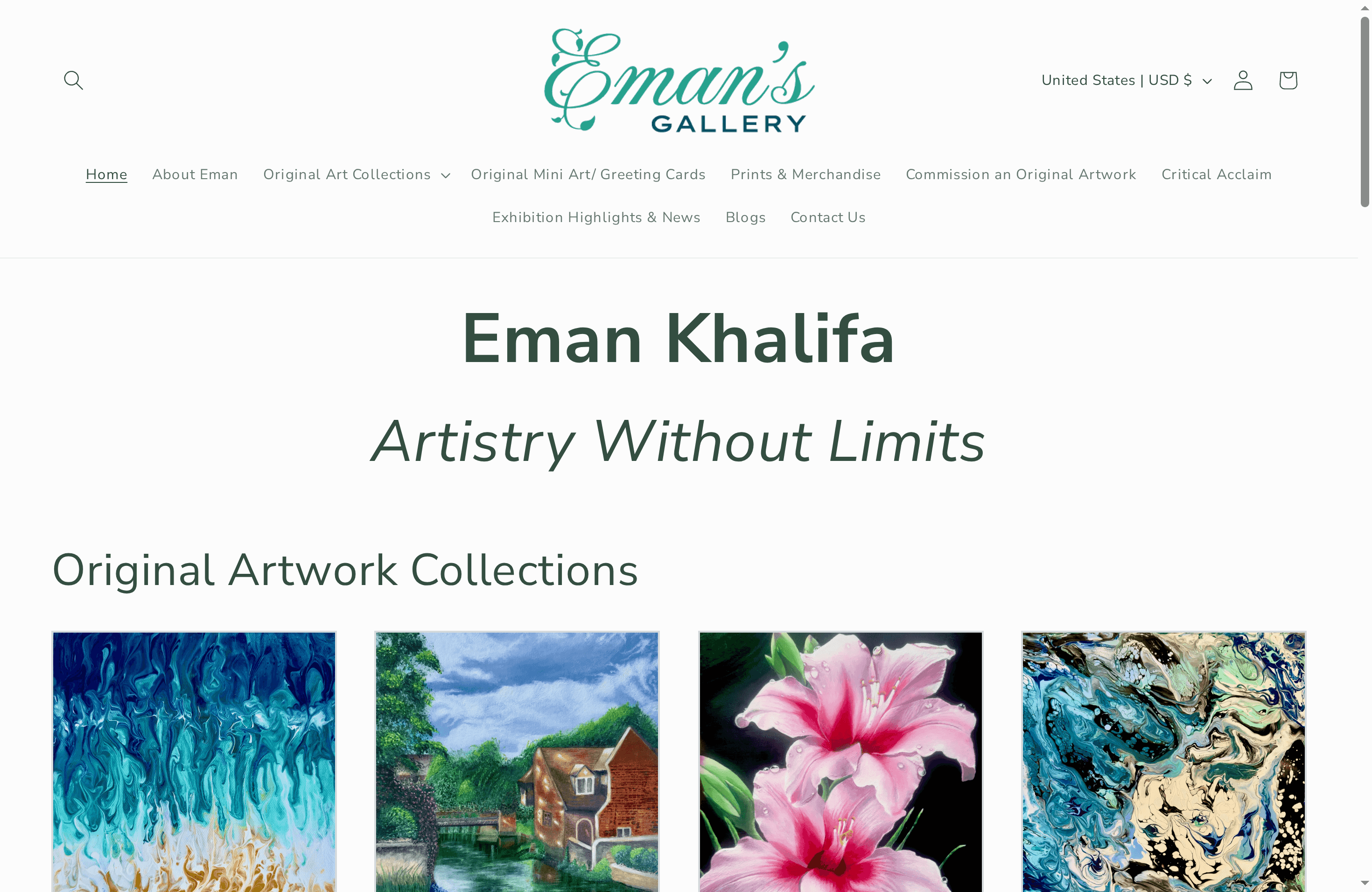
Beyond reproductions, discover original paintings by artist Eman Khalifa for collectors seeking one-of-a-kind pieces. The gallery specializes in contemporary abstract, geometric, floral, landscape, seascape, and still-life works. Interior designers find curated selections supporting diverse project aesthetics, from minimalist modern to vibrant eclectic. Explore the complete wall art prints collection to find pieces matching your specific vision, backed by expertise in reproduction quality and customer service.
Frequently Asked Questions
What is the difference between giclée and UV printing?
Giclée uses archival pigment inks with 8-12 color channels for superior color gamut and longevity exceeding 100 years. UV printing cures inks instantly under ultraviolet light, offering faster production and lower costs but narrower color range and reduced archival properties.
How long do high-quality art reproductions last?
Archival giclée reproductions on quality substrates last 100+ years under proper conditions with UV protection and climate control. Dye-based prints fade within 10-25 years. UV prints typically maintain quality for 50-75 years depending on substrate and environmental exposure.
Can I reproduce art without a license?
No, reproducing copyrighted artwork without authorization violates intellectual property law. Copyright persists 70 years after an artist’s death in most jurisdictions. Public domain works are freely reproducible, but verifying status requires careful research to avoid infringement penalties.
What should I look for to verify reproduction quality?
Request proof prints to assess color accuracy before final orders. Verify the producer uses calibrated monitors, ICC profiles, and archival pigment inks. Check substrate specifications for cotton rag content and acid-free properties. Ask about multi-stage proofing processes and UV protective coatings.
How does texture printing enhance art reproduction?
Texture printing layers clear polymer to replicate brushstroke depth, creating tactile authenticity matching oil paintings. This technique adds dimensional realism impossible with flat printing, though at significantly higher cost. It serves collectors prioritizing maximum fidelity to original works.
Recommended
- Art Print Maintenance Workflow for Long-Lasting Beauty - Eman’s Gallery
- Art Print Care: 40% Longer Life with Archival Methods
- Art Print Terminologies: Complete Reference Guide - Eman’s Gallery
- What Is an Art Print? Complete Guide for 2025 - Eman’s Gallery
Stay Connected
- ✨ Explore Eman Khalifa’s original art and fine art prints
- 📸 Follow Eman Khalifa’s art journey on: Instagram @emans_gallery and Facebook Eman’s Gallery
- 📹 Watch Eman Khalifa creating live art on: YouTube @emans_gallery
