


Choosing Art for Clients: An Interior Designer’s Guide
Client hesitancy about selecting the perfect artwork often stalls even the most meticulously planned luxury projects in both the USA and UK. For interior designers and home stylists, understanding client vision is the starting point for creating residences that feel personal and curated. Drawing from professional practices, merging deep client insights with a refined art selection approach transforms indecision into confidence while building a foundation for truly unique spaces. For designers, a comprehensive client consultation sparks meaningful engagement and leads to an art curation strategy that feels both authentic and bespoke.
Table of Contents
- Step 1: Assess Client Preferences And Space Needs
- Step 2: Define Style And Color Palette Alignment
- Step 3: Curate Art Options For Targeted Selection
- Step 4: Present Artwork Choices With Context
- Step 5: Verify Client Satisfaction And Confirm Fit
Quick Summary
| Key Point | Explanation |
|---|---|
| 1. Conduct In-Depth Client Consultations | Effective art procurement begins with deep understanding through comprehensive interviews about the client’s preferences and lifestyle. |
| 2. Align Art with Style and Color | Create a strategic color palette that complements or contrasts existing interior elements, utilizing color psychology for emotional impact. |
| 3. Curate Tailored Art Selections | Organize art options based on client preferences, ensuring that selected pieces resonate with the client’s personality and design. |
| 4. Present Art with Contextual Storytelling | Enhance client understanding by providing background and meaning for each artwork, highlighting how it fits within their vision. |
| 5. Validate Client Satisfaction and Adjust Selections | Engage clients in a feedback process to ensure selected artworks resonate, adjusting choices based on their reactions and preferences. |
Step 1: Assess Client Preferences and Space Needs
In this critical first step, you will uncover the foundational insights needed to craft an art selection strategy that resonates perfectly with your client’s vision and living environment. Effective art procurement begins with deep understanding.
Start by scheduling an in-depth consultation that goes beyond surface level discussions. Professional designers emphasize comprehensive client interviews as the cornerstone of successful interior design. During this meeting, use open ended questions to explore their aesthetic preferences, lifestyle dynamics, and emotional connections to art. Ask about their current art collection, color sensitivities, and the emotional atmosphere they want to create in each space.
Carefully document your client’s responses and observe their living spaces. Note architectural elements, existing color palettes, furniture styles, and natural lighting conditions. These physical characteristics will guide your art selection process. Pay attention to subtle cues like family photographs, existing artwork, and decorative objects that reveal their personal taste. Understanding the nuanced relationship between space and art requires a blend of analytical observation and intuitive design sensitivity.
Pro tip: Always bring a physical color palette and art portfolio to consultations to help clients visualize potential art selections and spark more meaningful conversations about their preferences.
Step 2: Define Style and Color Palette Alignment
In this pivotal step, you will translate your client’s aesthetic preferences into a strategic color and style framework that harmonizes art selection with their unique interior design vision. Understanding color psychology and design coherence is key to creating a compelling visual narrative.
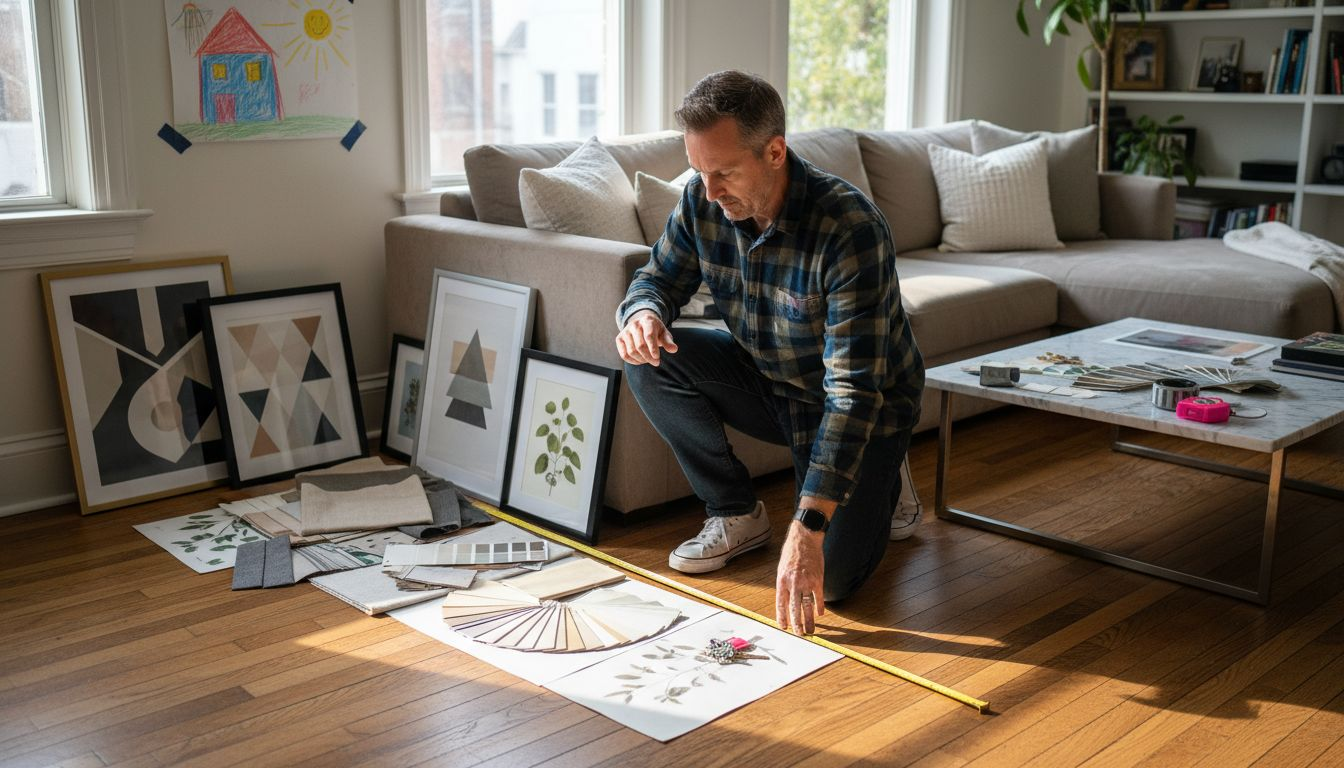
Color theory principles serve as your foundational guide for developing a comprehensive palette that resonates with the client’s space. Begin by analyzing the existing interior color scheme and identifying dominant hues, undertones, and architectural elements. Look for opportunities to complement or thoughtfully contrast these existing colors through art selections. Consider the emotional impact of different color temperatures warm reds and oranges can energize a space while cool blues and greens promote tranquility.
Move beyond simple color matching and focus on creating visual dialogues between art and environment. Use your color palette as a strategic tool to enhance spatial perception and emotional ambiance. Select artwork that either subtly echoes existing color notes or provides intentional counterpoints that add visual intrigue. Pay attention to color saturation levels and how different pieces interact with natural and artificial lighting in the space.
Below is a summary of color palette strategies and their effects on interiors:
| Color Strategy | Emotional Effect | Spatial Impact |
|---|---|---|
| Warm Colors | Energizing, lively | Rooms feel cozier |
| Cool Colors | Calm, relaxing | Spaces seem larger |
| Contrasting Colors | Adds intrigue | Highlights focal points |
| Matching Palette | Visual harmony | Seamless art integration |
Pro tip: Create a physical mood board with color swatches, fabric samples, and small art prints to help clients visualize how different color relationships can transform their interior design experience.
Step 3: Curate Art Options for Targeted Selection
This crucial step transforms your initial client insights into a carefully refined art selection process that speaks directly to their aesthetic sensibilities and design requirements. Your goal is to develop a targeted collection that feels personal and intentional.
Professional art curation strategies require a methodical approach to selecting artwork that resonates with both the client’s personality and the spatial design. Begin by organizing your art selections into distinct categories that reflect the client’s discovered preferences: abstract versus representational, minimalist versus ornate, contemporary versus traditional. Create a digital or physical portfolio that showcases diverse pieces within these categories, allowing your client to visualize how different artistic styles might interact with their living spaces.
Consider the narrative potential of each artwork. Art is not just a visual element but a storytelling device that can transform a room’s emotional landscape. Select pieces that either complement the existing design language or provide intentional contrast that adds depth and intrigue. Pay attention to scale, proportion, and how individual artworks communicate with each other and the surrounding architectural elements. Evaluate each potential selection through the lens of your client’s initial consultation insights, ensuring that every piece feels like a deliberate and meaningful choice.
Pro tip: Create a digital presentation with mock up images showing how selected artworks will look in the client’s actual space, helping them visualize the transformative potential of your curated selections.
Step 4: Present Artwork Choices with Context
This pivotal stage transforms your curated art selections into a compelling visual narrative that helps clients understand the deeper meaning and intentionality behind each artwork. Your presentation must bridge the gap between aesthetic selection and meaningful design integration.
Types of art for interiors provide a strategic framework for communicating your artistic recommendations. Develop a comprehensive presentation that goes beyond simply displaying images. Craft a storytelling approach where each artwork is introduced with context explaining its potential impact on the space. Describe the piece’s artistic lineage, emotional resonance, and specific design attributes that align with the client’s original vision. Include details about the artwork’s color palette, texture, scale, and how it harmonizes with or intentionally contrasts the existing interior elements.
Organize your presentation to guide the client through a logical progression of choices. Begin with pieces that most closely match their initial preferences, then gradually introduce more adventurous selections that push creative boundaries. Use digital mockups or augmented reality tools to help clients visualize how each artwork will transform their space. Provide context about the artists, the artwork’s potential emotional impact, and how each piece contributes to the overall design narrative.
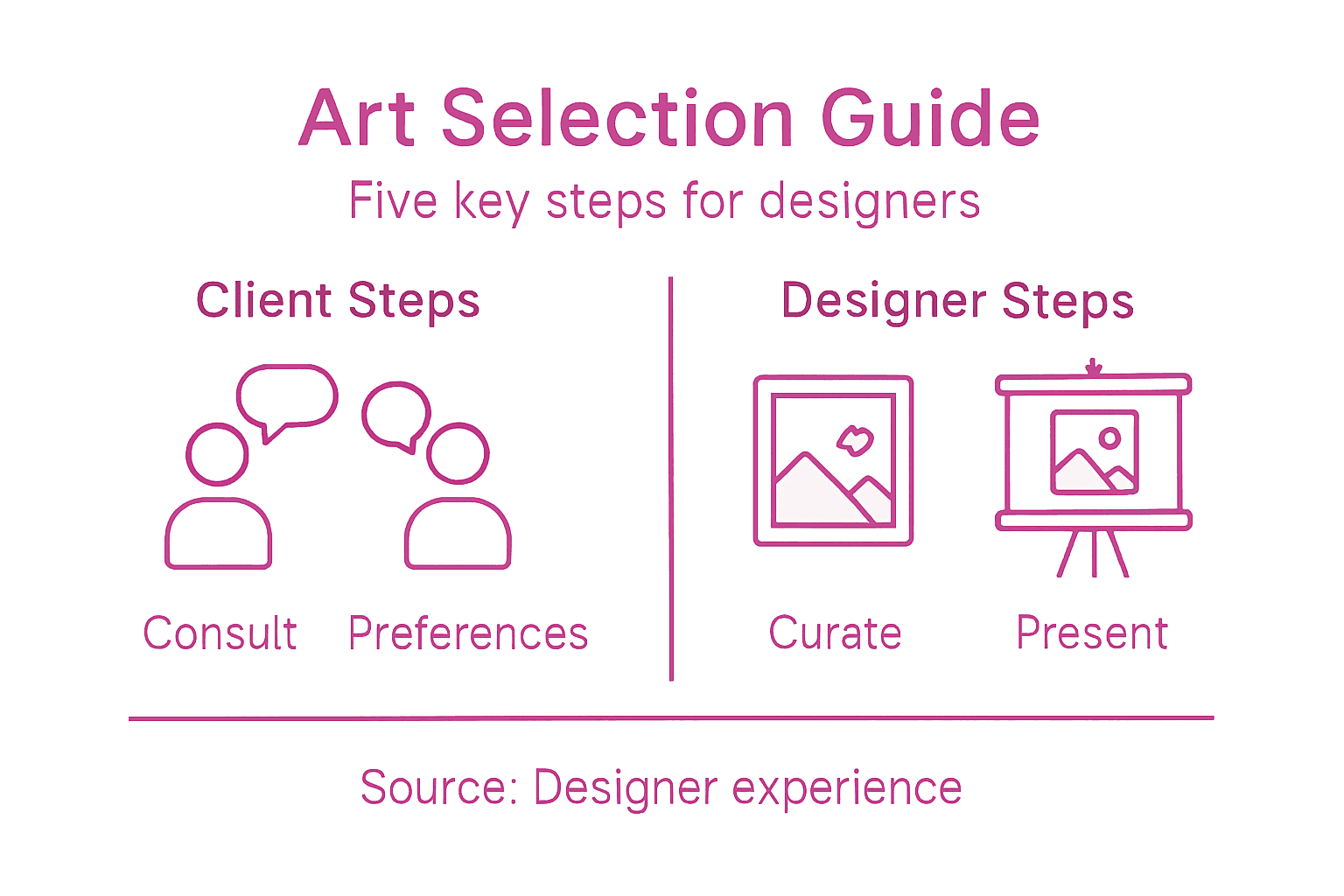
Pro tip: Prepare a short narrative for each artwork that connects its visual characteristics to the client’s specific lifestyle and design goals, helping them emotionally invest in the proposed selections.
Step 5: Verify Client Satisfaction and Confirm Fit
This critical phase transforms your art selection process from a proposal into a collaborative experience that ensures your client feels fully understood and enthusiastic about the chosen artwork. Your goal is to validate that the selected pieces genuinely resonate with their vision and lifestyle.
Client feedback strategies provide a structured approach to confirming design alignment. Develop an interactive review process that goes beyond simple approval. Schedule a dedicated consultation where you walk through each artwork selection, explaining its specific relationship to their space and personal aesthetic. Encourage candid dialogue by creating a comfortable environment where clients feel empowered to share genuine reactions and potential reservations.
Utilize both verbal and visual feedback mechanisms to capture client sentiment. Present each artwork in context using digital mockups or physical samples that allow clients to experience the potential impact. Pay close attention to their nonverbal cues subtle shifts in body language or tone can reveal more than verbal responses. Be prepared to make nuanced adjustments demonstrating your commitment to their complete satisfaction. If a piece does not immediately resonate, discuss alternative options that might better capture their vision.
Here’s a comparison of key art selection approaches and their impact:
| Selection Approach | Client Engagement | Visual Outcome |
|---|---|---|
| Collaborative Interview | Fosters trust and clarity | Personalized selections |
| Mood Board Creation | Enhances imagination | Cohesive visual palette |
| Digital Mockups | Boosts visualization confidence | Realistic room previews |
| Feedback Session | Ensures satisfaction | Design refinements |
Pro tip: Create a simple visual feedback form with rating scales and comment sections that allows clients to provide structured yet personal insights about each artwork selection.
Master Art Selection with Confidence and Style
Choosing the perfect art for your clients can feel overwhelming when aiming to align style, color palette, and emotional impact with their unique space. The challenge is transforming consultations and client feedback into a curated collection that truly resonates. Key concepts like color theory, client preference analysis, and thoughtful presentation are critical to creating spaces that inspire and satisfy.
Navigate these challenges by exploring our Contemporary Collection featuring original artworks designed to harmonize with diverse interior styles.
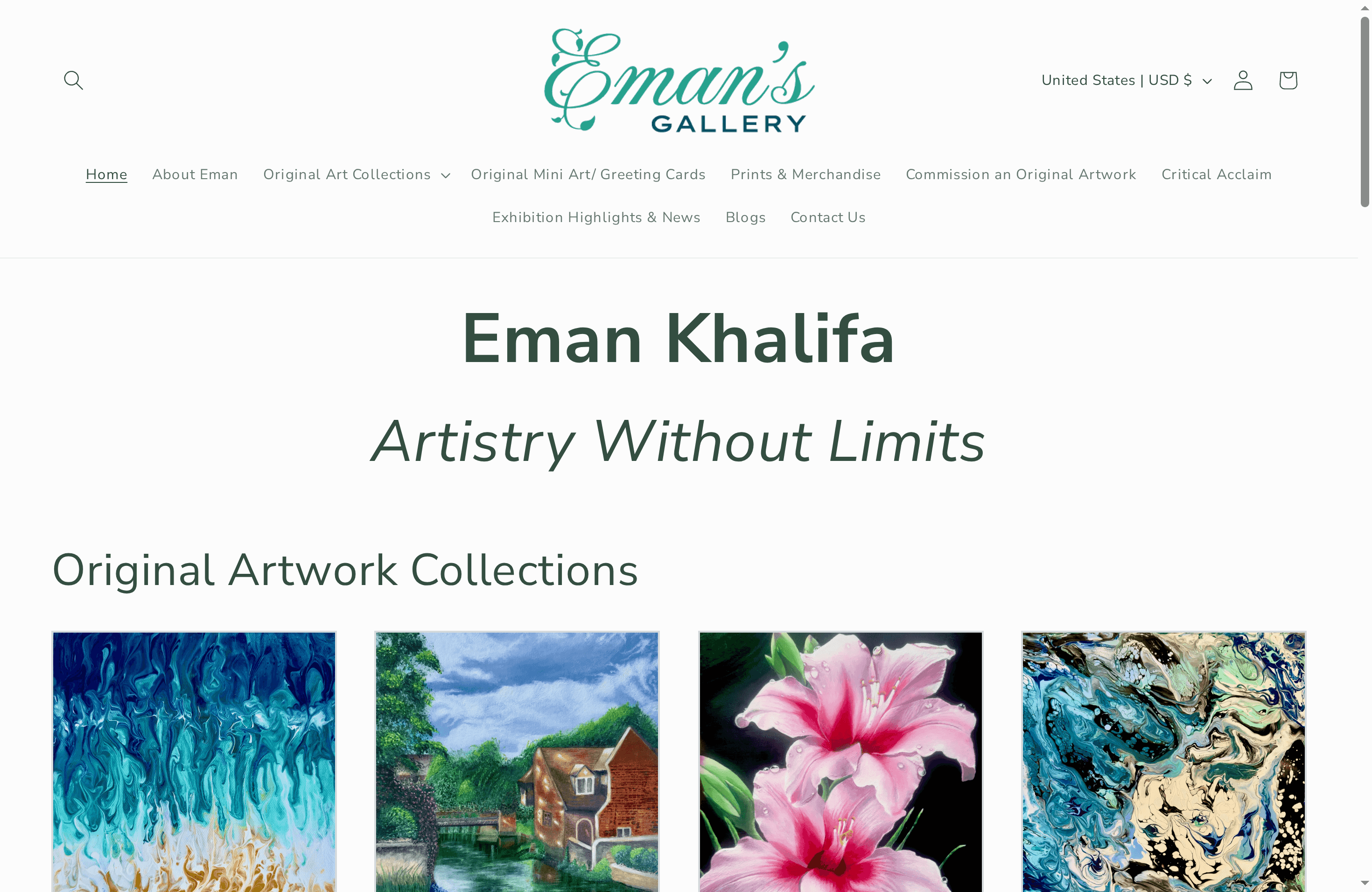
Discover one-of-a-kind pieces at Eman’s Gallery that bring your client’s vision to life. Whether you seek bold statements or subtle complements our museum-quality artwork empowers you to present selections with confidence and clarity. Start transforming interiors today by browsing our specially curated Still Life & Interiors collection. Elevate your design presentations and secure client satisfaction with art that truly fits their lifestyle and space.
Frequently Asked Questions
How can I assess my client’s art preferences effectively?
Begin by scheduling an in-depth consultation with your client. Use open-ended questions to explore their aesthetic preferences, lifestyle, and emotional connections to art; aim to document their responses in detail for future reference.
What factors should I consider when defining the color palette for art selection?
Evaluate the existing interior color scheme by identifying dominant hues and architectural features. Focus on how different colors can enhance the emotional atmosphere of the space, and consult color theory principles to create a cohesive palette.
How do I curate art options that resonate with my client’s style?
Organize your art selections into distinct categories based on your client’s preferences, such as abstract or representational. Create a portfolio showcasing these pieces to help your client visualize their potential impact in the space, ensuring each selection aligns with their aesthetic sensibilities.
What should I include when presenting art choices to my client?
Craft a presentation that goes beyond just showing images; include context for each chosen artwork. Explain its potential impact, artistic background, and how it aligns with the client’s overall design vision, guiding them through your rationale in a clear, engaging manner.
How can I ensure my client is satisfied with the final art selections?
Establish a review process where you walk through each artwork with your client, encouraging open dialogue. Utilize verbal and visual feedback to gauge their reactions, and be prepared to adjust selections based on their feedback to ensure their complete satisfaction.
Recommended
- Choosing Color Schemes for Art to Inspire Interiors
- Complete Guide to Types of Art for Interiors – Eman’s Gallery
- Art Styles Explained: Shaping Luxury Interiors
- Art and Interior Design Explained: Transforming Modern Spaces
- Office Fragrance Tips for a Fresh, Inviting Workspace
Stay Connected
- ✨ Explore Eman Khalifa’s original art and fine art prints
- 📸 Follow Eman Khalifa’s art journey on: Instagram @emans_gallery and Facebook Eman’s Gallery
- 📹 Watch Eman Khalifa creating live art on: YouTube @emans_gallery
