


Role of Prints in Decor: Elevating Luxury Interiors
Nearly 60 percent of American luxury homeowners say distinctive prints set their spaces apart from standard decor. For those in the UK and USA, finding new ways to integrate contemporary prints means more than chasing trends—it shapes environments that reflect discerning taste and cultural identity. Explore how carefully chosen prints become narrative tools, infusing upscale interiors with vibrancy, exclusivity, and a story that resonates beyond the surface.
Table of Contents
- Defining Prints In Luxury Decor Contexts
- Popular Print Types And Materials Explained
- How Prints Transform Interior Atmosphere
- Styling Strategies For Statement Art Prints
- Prints Versus Originals In Upscale Homes
Key Takeaways
| Point | Details |
|---|---|
| The Role of Prints | Prints in luxury decor serve as sophisticated narrative tools that enhance decor and convey stories, transcending mere decoration. |
| Types and Materials | Luxury prints vary by type and material, with digital and screen prints offering unique visual effects, while careful selection of substrates enhances their impact. |
| Transformative Power | Prints can significantly alter the emotional atmosphere of a space, influencing mood and spatial perception through their colors and patterns. |
| Integrating Art Forms | Successful luxury interiors blend original artworks with high-quality prints to create layered, multidimensional aesthetic experiences, emphasizing personal narratives. |
Defining Prints in Luxury Decor Contexts
Prints represent far more than simple decorative elements in luxury interior design. They function as sophisticated narrative instruments that transform spaces, communicating refined aesthetic sensibilities and cultural narratives. Ornamental prints in luxury contexts transcend traditional decorative boundaries, emerging as nuanced artistic statements that reflect intricate design philosophies.
In luxury interior design, prints are meticulously curated visual artifacts that convey exclusivity, craftsmanship, and sensory sophistication. These art pieces are not merely wall adornments but strategic design elements that communicate narrative depth. Academic research exploring art in luxury environments demonstrates how these visual elements profoundly influence consumer perceptions, transforming interior spaces from mere physical environments into immersive experiential landscapes.
The categorization of prints in luxury decor encompasses multiple dimensions, including medium, artistic technique, cultural origin, and conceptual complexity. Contemporary designers recognize prints as dynamic design tools that can:- Establish visual rhythm and spatial harmony- Introduce textural complexity- Communicate cultural narratives- Create focal points within sophisticated interior compositions
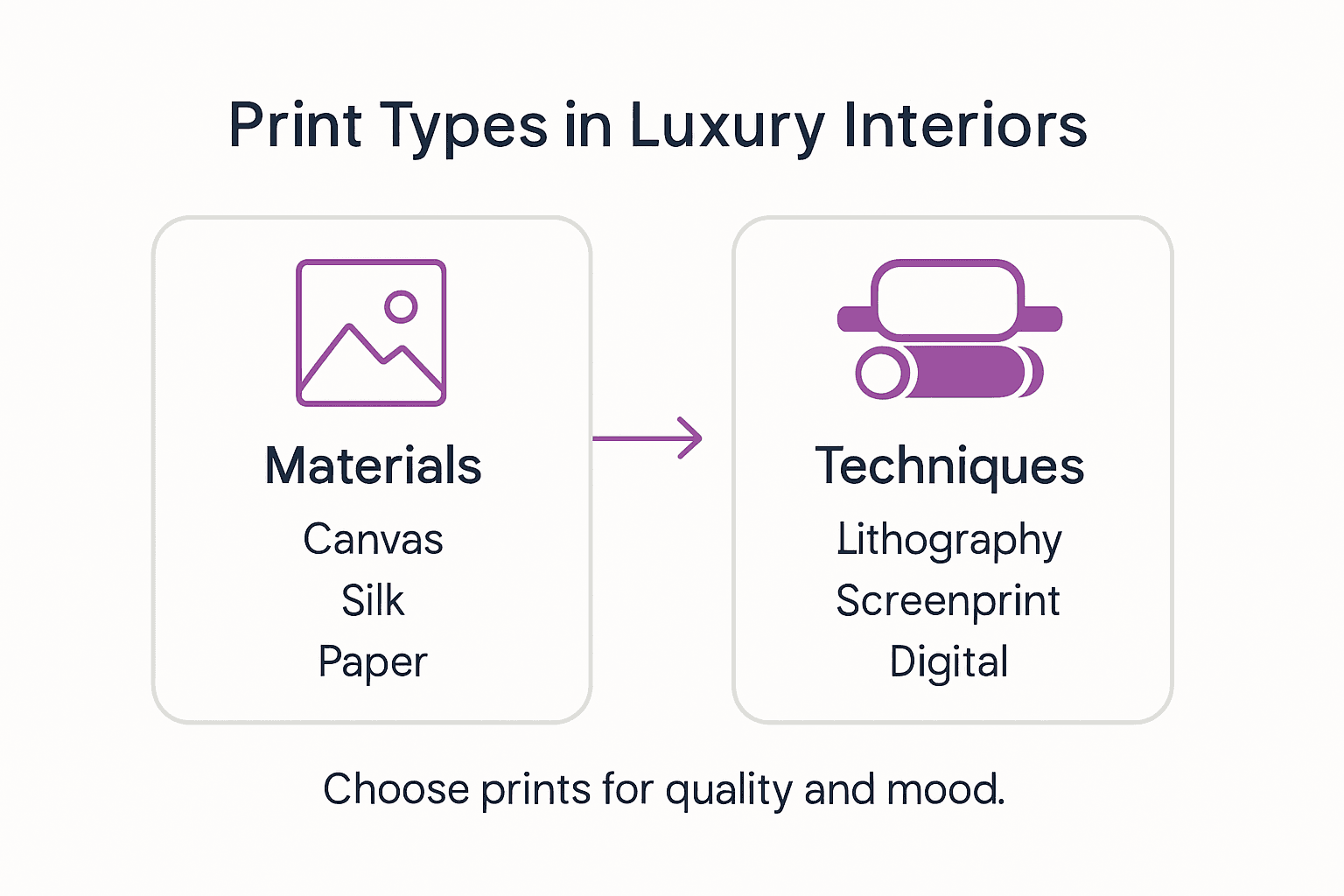
Pro Tip: When selecting prints for luxury interiors, prioritize pieces that demonstrate exceptional craftsmanship, tell a compelling story, and harmonize seamlessly with the existing architectural and design elements.
Popular Print Types and Materials Explained
In the realm of luxury interior design, print selection represents a nuanced art form that goes far beyond simple decoration. Contemporary print technologies and materials have revolutionized how designers create immersive spatial experiences, offering unprecedented versatility in visual storytelling. Each print type brings unique characteristics that can dramatically transform a space’s aesthetic and emotional resonance.
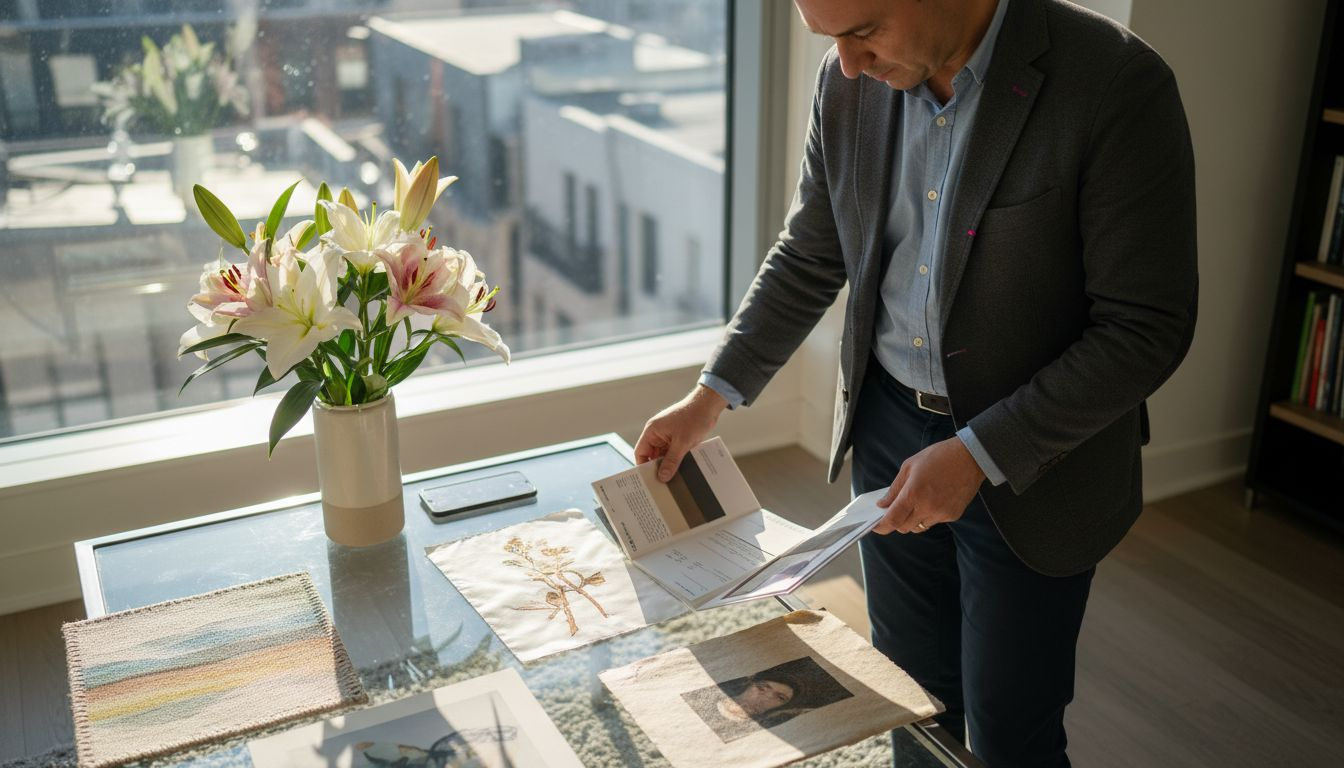
The primary categories of luxury prints include digital prints, screen prints, and traditional artisan techniques, each distinguished by specific production methods and material qualities. Digital prints offer photographic precision and color vibrancy, enabling designers to reproduce complex imagery with remarkable detail. Screen prints provide rich, layered textures with bold color saturation, while traditional techniques like lithography and etching deliver unparalleled craftsmanship and historical authenticity.
Material selection plays a critical role in print presentation and impact. Designers can choose from an array of substrates including:
- Canvas (offering classic, refined texture)
- High-grade archival paper (providing museum-quality preservation)
- Metallic surfaces (creating contemporary, reflective dimensions)
- Textile prints (introducing softness and dimensional complexity)
- Acrylic and glass-mounted prints (generating modern, luminescent effects)
Each material interacts uniquely with light, color, and spatial context, allowing designers to create sophisticated visual narratives that transcend traditional decorative boundaries.
Here’s a quick comparison of major luxury print types and their signature qualities:
| Print Type | Visual Effect | Best Application |
|---|---|---|
| Digital Print | Crisp detail, vivid colors | Modern minimalism, large walls |
| Screen Print | Layered, saturated texture | Statement pieces, bold spaces |
| Lithography | Subtle gradients, fine detail | Classic interiors, art collections |
| Textile Print | Soft, tactile dimension | Cozy lounges, upholstered panels |
Pro Tip: When selecting prints for luxury interiors, consider how the material’s inherent properties interact with your specific architectural environment, ensuring the print becomes an integrated design element rather than a standalone decorative piece.
How Prints Transform Interior Atmosphere
Luxury interior design reveals a profound psychological dimension where prints function as transformative elements that dramatically reshape spatial experiences. These visual compositions do more than decorate walls—they construct emotional landscapes, introducing narrative depth and sensory complexity that elevate ordinary rooms into extraordinary environments. The strategic placement of carefully selected prints can fundamentally alter how individuals perceive and interact with interior spaces.
Prints possess a remarkable ability to manipulate psychological and emotional atmospheres through their intrinsic visual properties. Color, pattern, and texture work synergistically to influence mood, perception, and spatial dynamics. Warm-toned prints can create intimacy, while cool-toned compositions can expand perceived room dimensions. Large-scale prints generate dramatic focal points, while clustered smaller prints introduce visual rhythm and narrative complexity.
The transformative power of prints extends beyond aesthetic considerations into deeper experiential realms. They can:
- Introduce cultural narratives
- Modulate emotional temperatures
- Create visual conversation points
- Redistribute light and spatial perception
- Communicate personal and collective identities
By carefully curating prints, designers can craft immersive environments that transcend traditional decorative approaches, turning interior spaces into sophisticated sensory experiences.
Pro Tip: Select prints that not only complement your existing decor but also introduce an element of unexpected visual tension, creating dynamic and intellectually engaging interior environments.
Styling Strategies for Statement Art Prints
Refined art print styling transcends traditional decorative approaches, transforming statement pieces into sophisticated narrative elements within luxury interiors. The strategic placement of art prints requires a nuanced understanding of spatial dynamics, visual weight, and cultural context. Successful styling involves creating deliberate visual dialogues that engage viewers and reflect the sophisticated sensibilities of contemporary design.
Statement art prints demand careful consideration of framing, placement, and contextual integration. Designers recommend multiple layering techniques that create depth and visual intrigue. This might involve combining prints with different scales, mixing traditional and contemporary framing styles, or creating curated gallery walls that tell complex visual stories. The goal is to move beyond mere decoration and establish prints as integral components of the interior’s intellectual and aesthetic narrative.
Key styling strategies for statement art prints include:
- Balancing visual weight across different spatial zones
- Creating intentional visual conversations between prints
- Utilizing negative space to enhance print impact
- Matching print styles with architectural elements
- Considering lighting conditions and reflection dynamics
The most compelling statement art print arrangements communicate personal narratives while maintaining a sense of refined sophistication. They transform walls from passive surfaces into dynamic storytelling platforms that reflect the inhabitant’s intellectual and aesthetic sensibilities.
Pro Tip: Experiment with unconventional print placements and unexpected framing techniques to create visual tension that challenges traditional decorative expectations.
Prints Versus Originals in Upscale Homes
Luxury interior design presents a nuanced dialogue between original artworks and high-quality art prints, challenging traditional perceptions of artistic value. While original paintings represent the pinnacle of artistic expression, contemporary design strategies recognize the sophisticated potential of carefully selected prints. The distinction lies not in absolute superiority, but in understanding each medium’s unique aesthetic and experiential qualities.
Original artworks offer unparalleled authenticity, with tangible brushstrokes, unique textural variations, and the artist’s direct creative energy. Prints, conversely, provide accessibility and versatility, enabling design flexibility without compromising visual sophistication. Luxury interiors increasingly blend both mediums, creating layered visual narratives that reflect complex aesthetic sensibilities and personal collections.
Key considerations when selecting between originals and prints include:
- Budgetary constraints and investment potential
- Specific spatial design requirements
- Desired emotional and visual impact
- Long-term preservation and maintenance
- Alignment with overall interior design philosophy
Successful luxury interior design transcends binary choices, embracing a holistic approach that values artistic expression, personal narrative, and visual complexity. The most compelling spaces integrate original artworks and high-quality prints as complementary elements, creating rich, multidimensional aesthetic experiences.
Key differences between prints and original artworks in luxury interiors:
| Aspect | Art Print Advantages | Original Art Advantages |
|---|---|---|
| Cost | Affordable for larger spaces | Valuable investment potential |
| Flexibility | Easily swapped or re-curated | Unique, one-of-a-kind statement |
| Maintenance | Simple care, durable materials | May require climate protection |
| Visual Impact | Consistent quality, versatile | Texture and artist’s hand visible |
Pro Tip: Curate your art collection by prioritizing emotional resonance and personal connection over strict adherence to traditional categorizations of original versus printed artwork.
Elevate Your Luxury Interiors with Sophisticated Prints from Eman’s Gallery
Transform your space into an immersive sensory experience by selecting art that communicates deep narratives and refined craftsmanship. The article highlights the challenge of balancing visual impact, material quality, and emotional resonance when incorporating prints into luxury interiors. At Eman’s Gallery, you can explore a curated collection of Canvas Art Prints by Eman Khalifa | Premium Giclée Wall Art that marry exceptional artistry with museum-quality materials to ensure your walls become captivating storytelling platforms.
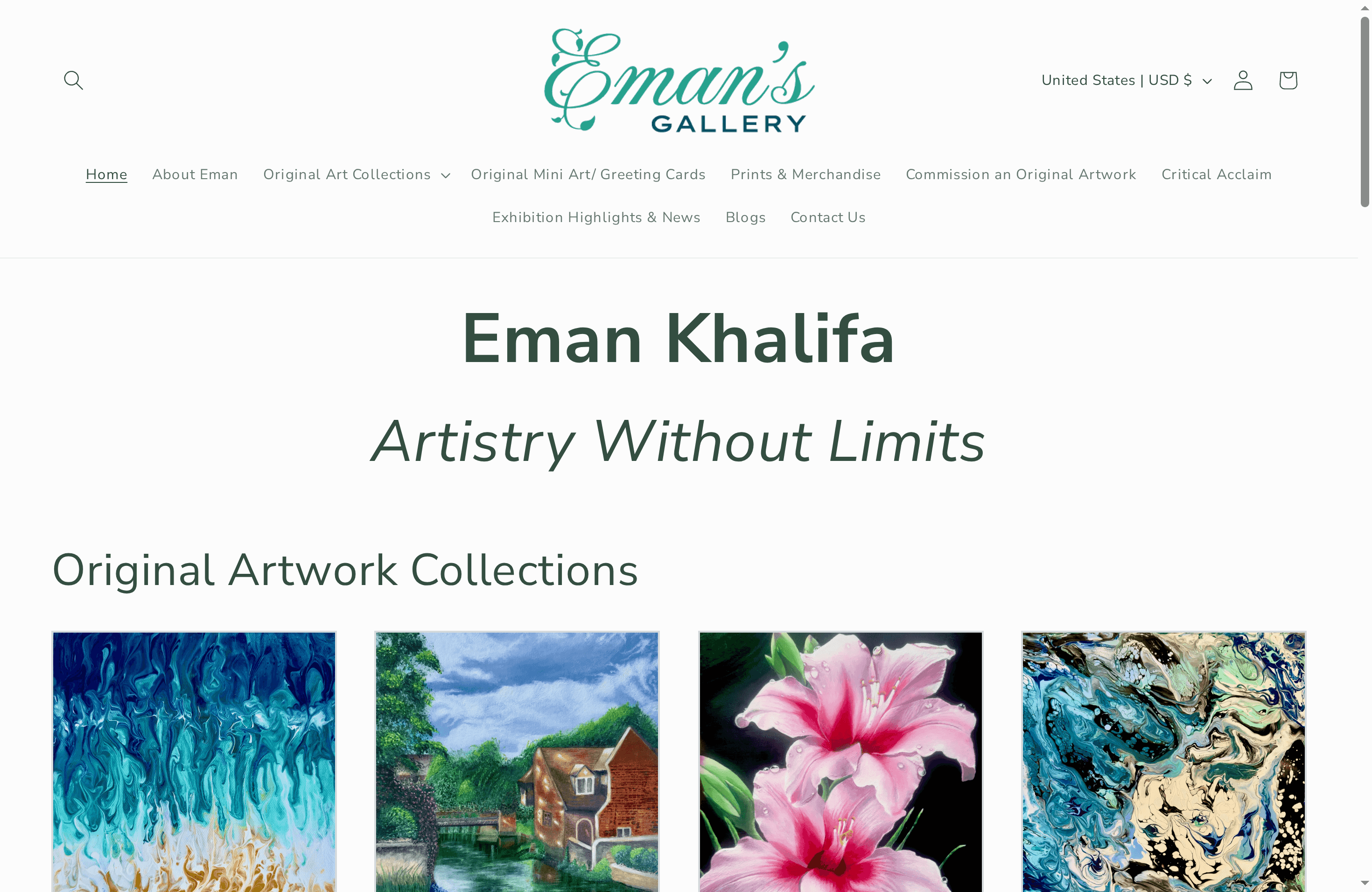
Discover the power of statement prints to reshape your interior atmosphere with pieces designed to introduce texture, cultural depth, and visual harmony. Act now to enhance your interior design with art that seamlessly integrates with your architecture and personal narrative. Visit Eman’s Gallery to browse our Wall Art Prints | Canvas & Framed Art Prints by Eman Khalifa and turn your luxury decor vision into reality today.
Frequently Asked Questions
What role do prints play in luxury interior design?
Prints serve as sophisticated narrative instruments in luxury interior design, transforming spaces into immersive environments that reflect refined aesthetics and cultural narratives.
How can I choose the right prints for my luxury decor?
Select prints that demonstrate exceptional craftsmanship, tell a compelling story, and harmonize seamlessly with your existing architectural and design elements to enhance the overall ambiance.
What types of prints are most commonly used in luxury interiors?
Common types include digital prints, screen prints, and traditional techniques like lithography and textile prints, with each offering unique aesthetic and tactile qualities to elevate the decor.
How can prints influence the atmosphere of a room?
Prints can manipulate psychological and emotional atmospheres by affecting color perception, creating focal points, and introducing cultural narratives, thereby enhancing the overall experience of the space.
Recommended
- Why Seasonal Art Prints Matter in Upscale Interiors
- 7 Inspiring Examples of Textile Art Prints for Designers
- 7 Creative Uses for Art Prints in Luxury Interiors
- Complete Guide to Decorating With Art Prints – Eman’s Gallery
- Role of Print in B2B: Boosting Brand Connections
Stay Connected
- ✨ Explore Eman Khalifa’s original art and fine art prints
- 📸 Follow Eman Khalifa’s art journey on: Instagram @emans_gallery and Facebook Eman’s Gallery
- 📹 Watch Eman Khalifa creating live art on: YouTube @emans_gallery
