


Art Showcasing Techniques for Luxurious Interiors
More than 60 percent of American and British luxury property owners say the way art is displayed directly influences perceived value and ambiance. High-end interiors thrive on innovative painting showcasing techniques, but finding the perfect balance between lighting, placement, and accessories can be surprisingly complex. This guide reveals practical steps and creative design strategies to help art collectors and interior designers transform residential and commercial spaces into visually stunning environments.
Table of Contents
- Step 1: Assess Space And Lighting Conditions
- Step 2: Select Artwork For Maximum Impact
- Step 3: Curate Hanging Arrangements
- Step 4: Incorporate Designer Display Accessories
- Step 5: Review And Adjust For Visual Harmony
Quick Summary
| Key Point | Explanation |
|---|---|
| 1. Assess space and lighting conditions | Evaluate your room’s dimensions and light sources to optimize art presentation. |
| 2. Select emotionally resonant artwork | Choose pieces that complement your space and evoke desired feelings for viewers. |
| 3. Curate intentional hanging arrangements | Use consistent spacing and eye-level placement for a harmonious art display. |
| 4. Incorporate designer display accessories | Use lighting and unique frames to enhance artwork’s visual impact and narrative. |
| 5. Regularly review for visual harmony | Continuously assess and adjust art placements for cohesive interaction with space. |
Step 1: Assess Space and Lighting Conditions
Designing a luxurious art display begins with understanding your unique interior environment. Your goal in this step is to carefully evaluate the physical space and available lighting conditions that will ultimately showcase your artwork’s true potential.
Start by conducting a comprehensive room assessment. Walk through the area where you plan to display art and observe how natural and artificial light interact with walls and surfaces. Luxury lighting design transforms interiors by layering ambient, task, and accent lighting to create atmosphere and enhance aesthetic appeal. Measure the dimensions of your walls and note the primary light sources such as windows, overhead fixtures, wall sconces, and recessed lighting. Pay special attention to the direction and intensity of light throughout different times of day.
Natural lighting plays a critical role in art presentation. Take detailed notes about sunlight patterns tracking how light moves across your walls from morning to evening. Some artwork might benefit from soft indirect light while others require more dramatic illumination. Proper lighting not only illuminates but also frames art intentionally, bringing color and contrast to life through strategic positioning and fixture selection.
Pro Tip: Use removable painter’s tape to mark potential artwork locations and observe how light interacts with those specific areas throughout a full day before making final installation decisions.
Here’s a summary of lighting types and their effects on art displays:
| Lighting Type | Main Effect on Artwork | Best Use Scenario |
|---|---|---|
| Ambient | Provides overall room brightness | Everyday viewing, general ambiance |
| Task | Focuses light on specific areas | Reading nooks, detailed art pieces |
| Accent | Highlights artwork and textures | Creating drama, emphasizing colors |
| Natural | Changes with time of day | Soft moods, dynamic presentations |
Step 2: Select Artwork for Maximum Impact
Selecting the perfect artwork for your luxury interior involves strategic thinking and a keen understanding of visual storytelling. Your goal is to choose pieces that not only complement your space but also create a powerful emotional resonance with viewers.
Art in luxury homes tells stories and sets atmospheres, chosen not just for appearance but for the mood created. Begin by understanding the emotional landscape of your space. Consider the room’s purpose, existing color palette, and architectural elements. Large abstract pieces work brilliantly in spacious living areas, while more intimate creative art prints can transform luxury interiors in smaller spaces like home offices or reading nooks.
Focus on scale, proportion, and thematic coherence when selecting artwork. A massive canvas can anchor a room, creating a focal point that draws the eye and sparks conversation. Alternatively, a carefully curated collection of smaller pieces can generate visual interest through thoughtful arrangement. Pay attention to the artwork’s style, ensuring it harmonizes with your interior design while maintaining enough contrast to create intrigue.
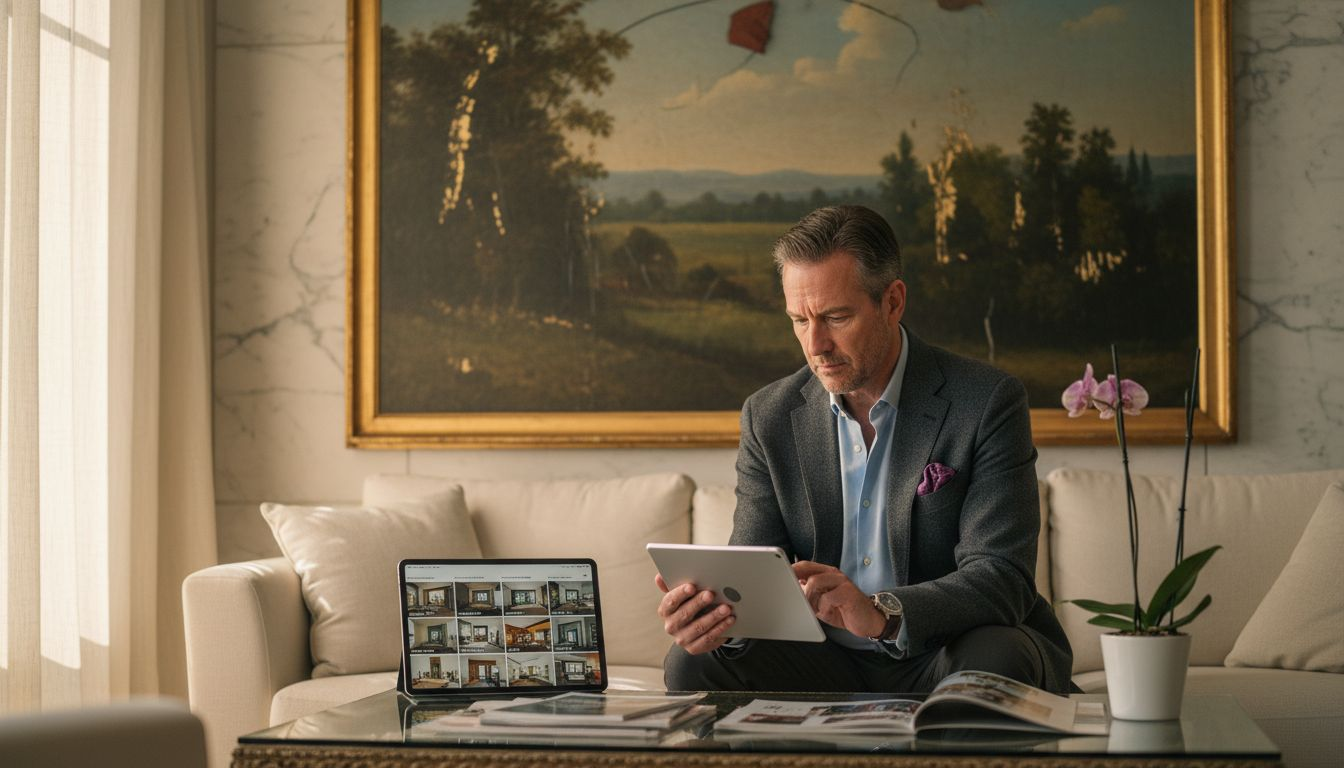
Pro Tip: Before purchasing, create digital mockups or use painter’s tape to visualize how potential artwork will interact with your space, helping you make confident selection decisions.
Step 3: Curate Hanging Arrangements
Creating a sophisticated art display requires more than simply placing frames on walls. Your goal is to transform your space into a carefully orchestrated visual narrative that reflects your unique aesthetic sensibility and elevates the entire interior design.
Curating hanging arrangements involves considering scale, placement, and cohesion with interior elements. Start by establishing a visual anchor point typically at eye level around 57 to 60 inches from the floor. This creates a consistent viewing perspective that grounds your arrangement. When working with multiple pieces, imagine an invisible grid that connects artwork through consistent spacing and alignment. For larger walls, consider creating a gallery wall that tells a compelling story through thematic connections or complementary color palettes.
Effective hanging arrangements combine natural and artificial light to highlight art while complementing room architecture. Pay special attention to negative space between artworks. The breathing room around each piece is just as important as the art itself. Experiment with asymmetrical layouts that challenge traditional design conventions while maintaining a sense of balanced visual harmony. Mix different frame sizes, orientations, and styles to create depth and visual intrigue.
Pro Tip: Use painter’s tape to create a paper template of each artwork and experiment with different arrangements on the wall before making any permanent hanging decisions.
Step 4: Incorporate Designer Display Accessories
Elevating your art display goes beyond selecting beautiful pieces. Your goal is to transform artwork presentation into a sophisticated visual experience that captures attention and creates memorable aesthetic moments.
Designer display accessories such as sculptural lighting fixtures amplify the art’s presence. Consider picture lights that cast gentle illumination directly onto artwork, creating drama and depth. Select fixtures that complement your art’s style and color palette. Brass or brushed nickel picture lights work brilliantly with modern abstract pieces, while vintage gold frames pair beautifully with classical artwork. Sculptural lighting acts as jewelry for luxury interiors, serving functional and decorative roles that highlight your carefully curated pieces.
Think of display accessories as the supporting cast that enhances your artwork’s narrative. Elegant pedestals can elevate sculptural pieces, while museum-quality glass display cases protect and showcase delicate art objects. Custom frames with unique textures or unexpected materials can transform an ordinary piece into a stunning focal point. Pay attention to the interplay between the artwork, its frame, and the surrounding lighting to create a cohesive and captivating display.
Pro Tip: Invest in adjustable picture lights with dimming capabilities to create multiple mood settings and highlight different artwork details throughout the day.
Compare how display accessories elevate luxury interiors:
| Accessory Type | Visual Impact | Added Functionality |
|---|---|---|
| Picture Lights | Highlights and adds drama | Adjustable brightness, focus |
| Sculptural Fixtures | Artistic statement pieces | Acts as decor and lighting |
| Pedestals | Elevates sculptures | Defines space, adds dimension |
| Display Cases | Protects delicate works | Allows close viewing, secures art |
Step 5: Review and Adjust for Visual Harmony
Transforming your art display is an ongoing process of refinement and discovery. Your ultimate goal is to create a living, breathing aesthetic environment that evolves with your personal style and space.
Reviewing and adjusting art placements ensures visual harmony by aligning scale, color, and style with furnishings and architectural features. Begin by stepping back and viewing your art display from multiple perspectives. Take photographs to help you objectively assess the overall composition. Look for visual balance, checking whether colors and styles create a cohesive narrative. Pay attention to how artworks interact with furniture, architectural elements, and natural light sources.
Achieving visual harmony involves balancing ambient, task, and accent lighting layers to create depth and cohesion. Experiment with lighting angles and intensities to see how they transform your artwork at different times of day. Small adjustments can dramatically alter the perceived mood and impact of your art display. Consider seasonal changes in natural light and be prepared to make subtle shifts in your arrangement to maintain optimal visual harmony.
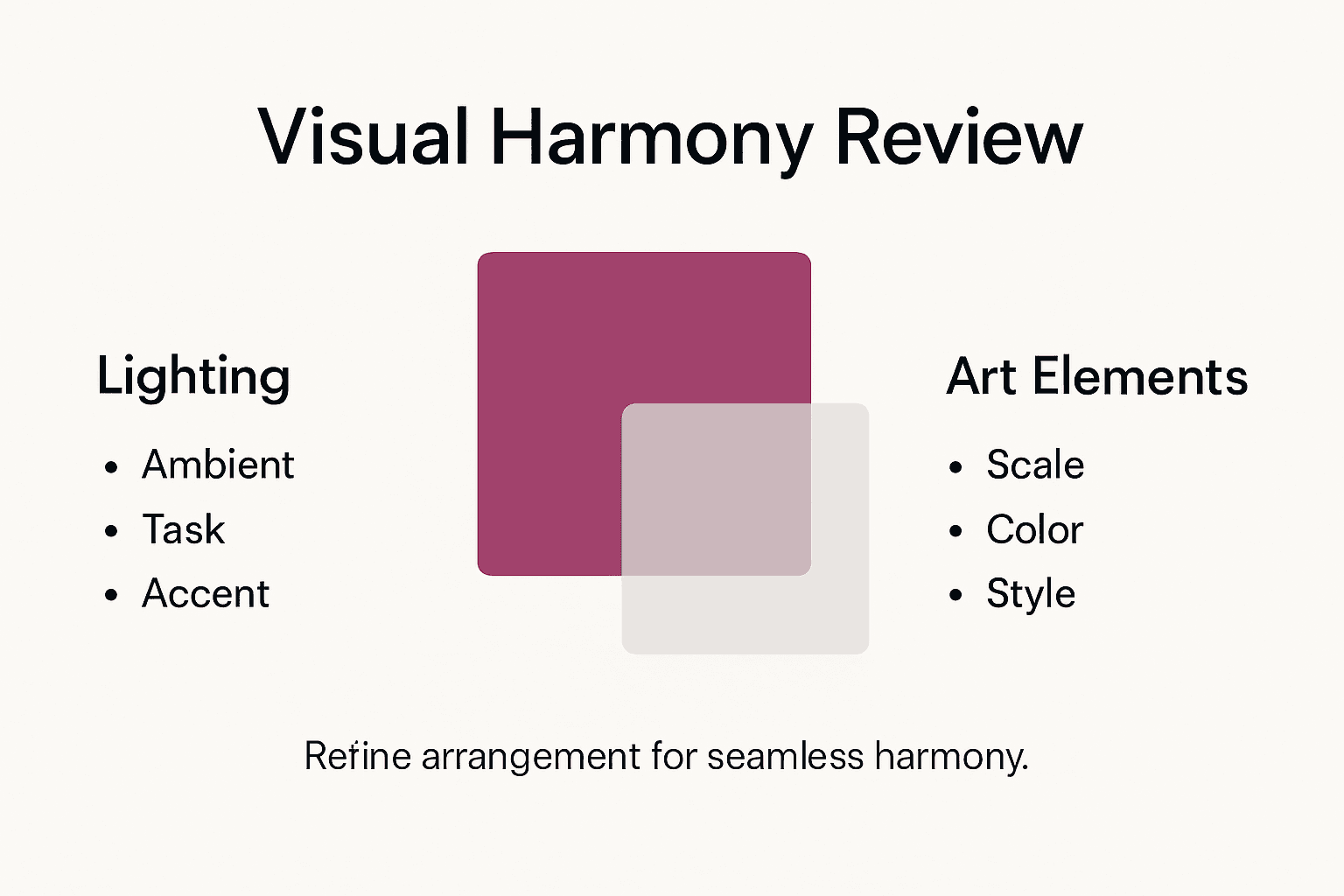
Pro Tip: Create a digital mood board or use augmented reality apps to simulate art placement and lighting changes before making physical adjustments.
Elevate Your Luxurious Interior with Curated Art from Eman’s Gallery
Creating a sophisticated art display for luxurious interiors requires careful selection, strategic lighting, and thoughtful arrangement to reveal the true beauty of each piece. If you have struggled to find original art that perfectly complements your space while providing lasting emotional impact, Eman’s Gallery offers an exclusive collection that answers your design needs. Explore our Canvas Art Prints by Eman Khalifa and discover museum-quality works that transform rooms with vibrant color, texture, and scale.
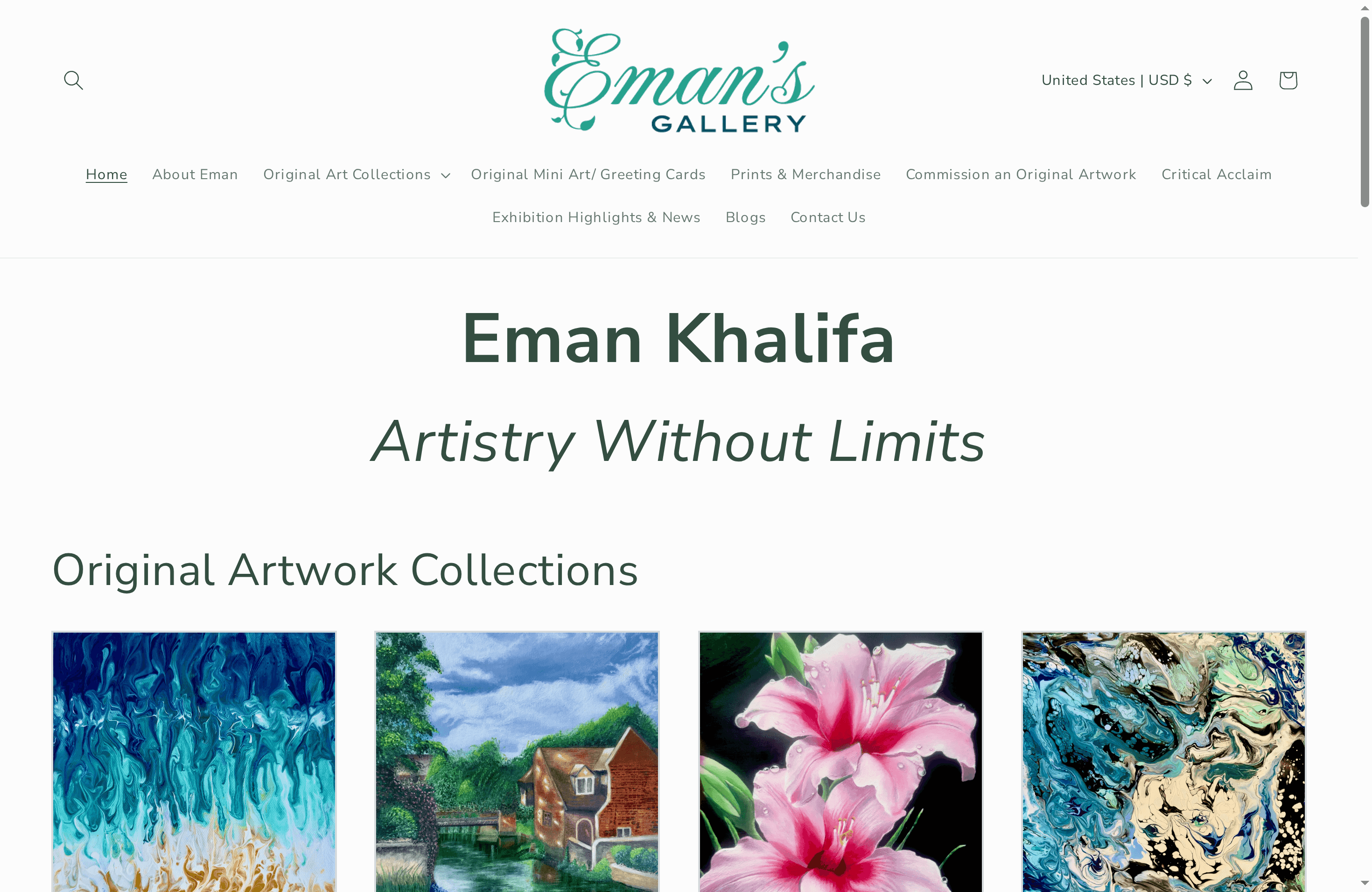
Bring your vision to life now by choosing from original paintings and premium giclée prints tailored for modern luxury homes. Each piece is crafted to harmonize with diverse lighting and display methods outlined in “Art Showcasing Techniques for Luxurious Interiors.” Start your seamless art journey today at Eman’s Gallery. Elevate your space through exceptional art carefully curated for impact and elegance.
Explore artistic styles ranging from captivating Abstract compositions to serene Landscapes that enhance mood and storytelling in every room.
Frequently Asked Questions
How do I assess my space and lighting conditions for art displays?
Begin by conducting a comprehensive room assessment to evaluate both natural and artificial light sources. Measure the dimensions of your walls and note light interactions from morning to evening. Use removable painter’s tape to mark potential art locations and observe light effects throughout a day.
What should I consider when selecting artwork for my luxury interior?
Focus on choosing artwork that complements the room’s purpose and existing color palette, creating an emotional connection with viewers. Pay attention to scale and thematic coherence—large pieces can anchor rooms, while smaller collections can add visual interest. Create digital mockups to visualize arrangements before final decisions.
How can I create effective hanging arrangements for my artwork?
Establish a visual anchor point at eye level, typically 57 to 60 inches from the floor, and create a balanced arrangement using an invisible grid for consistent spacing. Experiment with asymmetrical layouts and various frame sizes to enhance visual intrigue, allowing negative space to enhance each piece’s impact.
What designer display accessories should I incorporate to enhance my art display?
Incorporate sculptural lighting fixtures and picture lights to amplify the presence of your artwork, creating a dynamic visual experience. Consider using elegant pedestals and museum-quality glass cases as support elements that can enhance the overall presentation and protection of significant art pieces.
How do I review and adjust my art display for visual harmony?
Take a step back and view your art display from multiple angles to assess overall composition and balance. Consider taking photographs to evaluate color and style interactions. Be open to making small adjustments based on light changes or seasonal variations to maintain a cohesive presentation throughout the year.
Recommended
- Complete Guide to Types of Art for Interiors – Eman’s Gallery
- Art and Interior Design Explained: Transforming Modern Spaces
- Art Collection Basics: Elevating Luxury Home Interiors
- Textured Artwork Explained: Styles, Techniques, and Uses – Eman’s Gallery
- 8 Inspiring Examples of Luxury Textiles for Your Projects - fabric fabric
Stay Connected
- ✨ Explore Eman Khalifa’s original art and fine art prints
- 📸 Follow Eman Khalifa’s art journey on: Instagram @emans_gallery and Facebook Eman’s Gallery
- 📹 Watch Eman Khalifa creating live art on: YouTube @emans_gallery
