


Why Art Matters in Interiors: Transforming Spaces
Choosing art for a modern home is never just about filling empty walls. For luxury homeowners and interior designers in the USA and UK, art is a transformative force that shapes both the look and feel of interiors. Research highlights its power as a medium for self-expression and emotional resonance, going beyond decoration to define the character of a space. Discover how art is central to interior design, connecting architectural style with individual identity and deeper well-being.
Table of Contents
- Defining Art’s Role In Interior Design
- Emotional And Psychological Impact Of Art
- Types And Styles Of Art For Modern Interiors
- How Art Reflects Identity And Taste
- Common Mistakes To Avoid When Selecting Art
- Maximizing Value With Strategic Art Choices
Key Takeaways
| Point | Details |
|---|---|
| Art Enhances Interior Design | Art goes beyond decoration, serving as a powerful medium of personal expression that shapes spatial experience and emotional resonance. |
| Psychological Impact of Art | Strategic placement of art can significantly influence emotional well-being, fostering relaxation and enhancing overall experiences in interior spaces. |
| Choosing Art Thoughtfully | Selecting art that aligns with personal narratives and complements design elements can create a cohesive and meaningful interior environment. |
| Avoid Common Mistakes | Be mindful of personal connection and color harmony when selecting art to ensure it contributes positively to the space’s overall emotional atmosphere. |
Defining Art’s Role in Interior Design
Art transcends mere decoration in interior design. It serves as a powerful medium for personal expression and spatial transformation, fundamentally reshaping how we perceive and experience interior environments. Researchers exploring art’s convergence with architecture reveal that art goes far beyond aesthetic embellishment, functioning as an integral component that defines spatial character and emotional resonance.
Interior design professionals recognize art as a strategic tool for creating visual narratives within spaces. Each artwork introduces unique color palettes, textures, and emotional undertones that communicate the personality and values of inhabitants. Original artworks become more than decorative elements - they are conversation starters, focal points that draw the eye and guide spatial perception. Through carefully curated art selections, designers can establish mood, balance architectural elements, and create visual harmony that reflects individual identity.
The psychological impact of art in interior spaces cannot be overstated. Qualitative studies on art’s transformative role demonstrate that strategic art placement can significantly influence emotional well-being, reduce stress, and enhance spatial experiences. Art pieces act as visual anchors that connect architectural design with human emotion, bridging physical environments with personal narratives. Whether through abstract paintings, photography, or sculptural installations, art introduces depth, cultural context, and personal meaning into interior design.
Pro tip: Select artwork that resonates with your personal story and complements your space’s existing color palette and architectural elements.
Emotional and Psychological Impact of Art
Art is far more than a visual element in interior spaces - it is a profound psychological catalyst that transforms human experiences and emotional landscapes. Emotional design research reveals that art operates on multiple levels, engaging visual aesthetics, functional interactions, and deeply personal narratives that resonate with individual life experiences.
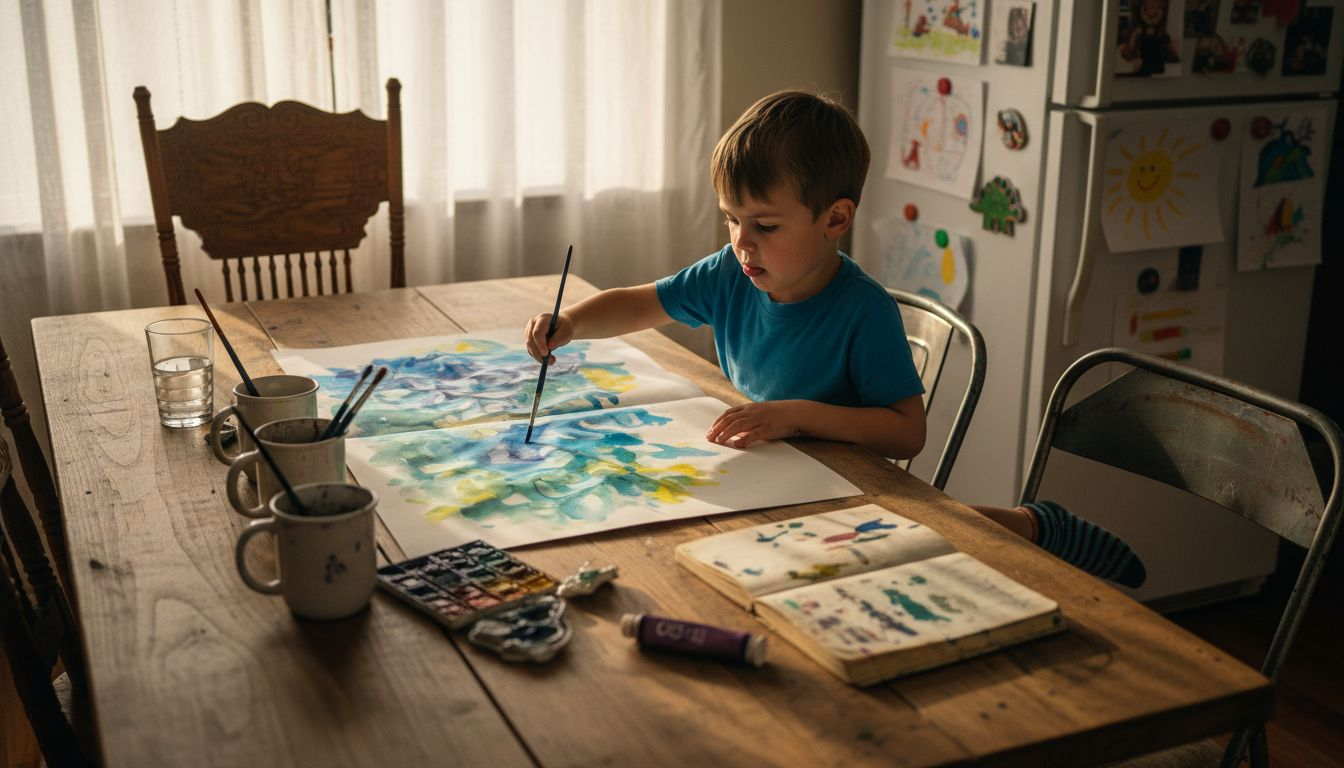
The psychological mechanisms of art in interior environments extend beyond simple decoration. Multisensory design elements like color, texture, and composition trigger complex emotional responses that can dramatically influence mood, stress levels, and cognitive perception. Contemporary studies on interior spaces demonstrate that strategically placed artworks can create environments that promote relaxation, stimulate creativity, and provide a sense of personal expression.
Psychological research consistently highlights art’s ability to communicate without words, serving as a powerful emotional conduit within interior spaces. Different art styles - from abstract expressionism to minimalist photography - can evoke specific emotional states, helping inhabitants navigate their internal landscapes. By carefully selecting artworks that align with personal experiences and spatial intentions, individuals can craft environments that not only look visually compelling but also support psychological well-being and emotional resilience.
Pro tip: Select artwork that resonates with your emotional state and creates the psychological atmosphere you want to cultivate in your living or working space.
Types and Styles of Art for Modern Interiors
Modern interior design embraces a diverse range of art styles that transform living spaces from mundane environments into dynamic, expressive landscapes. Comprehensive art categorization guides reveal multiple art forms that can dramatically enhance interior aesthetics, each bringing unique visual and emotional dimensions to contemporary spaces.
Painting styles represent the most versatile art category for modern interiors. Abstract expressionism offers bold, energetic compositions that create visual drama, while minimalist approaches provide serene, contemplative backdrops. Geometric art delivers precise, structured visual experiences that complement clean architectural lines, and contemporary landscape paintings introduce natural elements that soften technological environments. Photorealistic and surrealist paintings can serve as conversation starters, challenging viewers’ perceptions and adding intellectual depth to interior spaces.
Beyond traditional paintings, modern interiors increasingly incorporate mixed media installations, sculptural elements, and experimental art forms. Textile art adds tactile warmth and intricate texture, creating sensory experiences that traditional wall hangings cannot achieve. Sculptural pieces - from abstract metal constructions to ceramic installations - introduce three-dimensional complexity, breaking visual monotony and creating focal points that draw the eye and stimulate intellectual engagement. Photography, particularly large-scale contemporary prints, offers another powerful medium for transforming interior environments, providing windows into different perspectives and emotional landscapes.
Pro tip: Choose art that not only matches your interior’s color palette but also reflects your personal narrative and emotional journey.
Here’s a concise summary of common types of art used in modern interiors and their unique impacts:
| Art Type | Description | Distinct Impact |
|---|---|---|
| Abstract Painting | Bold, expressive, energetic forms | Creates drama and visual interest |
| Minimalist Art | Simple, clean, muted palettes | Fosters calm and focus |
| Geometric Art | Structured shapes, sharp edges | Complements modern architecture |
| Textile Art | Tactile, layered, woven elements | Adds warmth and texture |
| Photography | Large-scale, realistic imagery | Offers new perspectives |
| Sculpture | 3D forms, various materials | Generates focal points |
How Art Reflects Identity and Taste
Art’s profound role in personal expression reveals how interior spaces become powerful narratives of individual identity. Art transcends mere decoration, functioning as a complex language that communicates personal values, cultural backgrounds, and intimate experiences through carefully curated visual elements. Each artwork selected becomes a deliberate statement about who we are, what we believe, and how we perceive the world around us.
The visual vocabulary of art choices reflects sophisticated layers of personal narrative. Different art styles - from minimalist geometric pieces to vibrant abstract expressions - signal nuanced aspects of personality. A preference for clean, structured compositions might indicate analytical thinking, while eclectic mixed media collections suggest creative spontaneity. Color selections, artistic themes, and even framing techniques communicate subtle messages about cultural heritage, emotional landscapes, and personal aesthetic sensibilities.
Beyond individual preferences, interior design research demonstrates how art serves as a bridge between personal identity and spatial environments. Artworks become intentional representations of lived experiences, transforming blank walls into dynamic autobiographical canvases. Cultural backgrounds, travel memories, professional passions, and emotional journeys can all be eloquently expressed through strategic art selections that resonate with the inhabitant’s unique story and worldview.
Pro tip: Select artwork that not only complements your interior design but tells an authentic story about your personal journey and values.
Common Mistakes to Avoid When Selecting Art
Selecting art for interior spaces requires more than impulsive purchasing. Many homeowners and designers fall into predictable traps that compromise the aesthetic and emotional impact of their chosen pieces. Choosing the right art print sizes involves understanding proportion, scale, and the visual dialogue between artwork and surrounding environment.
One critical mistake is selecting artwork that lacks personal connection or emotional resonance. Generic pieces purchased solely for filling wall space fail to create meaningful interior narratives. Artwork should spark conversation, reflect individual personality, and contribute to the room’s overall emotional landscape. Another common error involves neglecting color harmony - art should complement or intentionally contrast with existing interior color schemes, not clash or disappear into the background.
Technical considerations often get overlooked by novice art collectors. Improper hanging techniques, incorrect lighting, and inappropriate framing can diminish even the most stunning artwork. Placement matters tremendously - art should be positioned at eye level, create visual balance, and interact meaningfully with furniture and architectural elements. Collectors frequently make the mistake of treating art as an afterthought rather than a central design element that can transform spatial perception and emotional atmosphere.
Pro tip: Always view potential artwork in the exact space where it will be displayed, considering lighting, surrounding colors, and how it interacts with existing design elements.
Use this comparison table to identify pitfalls in art selection and how to avoid them:
| Mistake | Why It Matters | Prevention Strategy |
|---|---|---|
| Choosing generic pieces | Reduces emotional impact | Select art with personal meaning |
| Ignoring color harmony | Causes visual dissonance | Match or contrast intentionally |
| Poor hanging techniques | Diminishes artwork’s effect | Ensure proper placement and care |
| Neglecting lighting | Artwork loses vibrancy | Adjust lighting for best results |
| Disregarding space proportion | Disrupts room balance | Consider size and room dynamics |
Maximizing Value with Strategic Art Choices
Strategic interior design investments demonstrate that art is far more than a decorative element - it’s a calculated approach to enhancing property value and aesthetic appeal. Thoughtful art selection can transform spaces from ordinary to extraordinary, creating visual narratives that captivate potential buyers and elevate the perceived sophistication of an interior environment.
The economic potential of art extends beyond immediate visual impact. Carefully curated artwork serves multiple strategic purposes: creating focal points, establishing room character, and signaling design intentionality. Collectors and homeowners who understand art’s potential recognize that selecting pieces isn’t just about personal taste, but about creating a cohesive visual story that communicates quality, refinement, and attention to detail. Timeless, well-chosen artworks can significantly influence a space’s perceived value, making them powerful tools in real estate presentation.
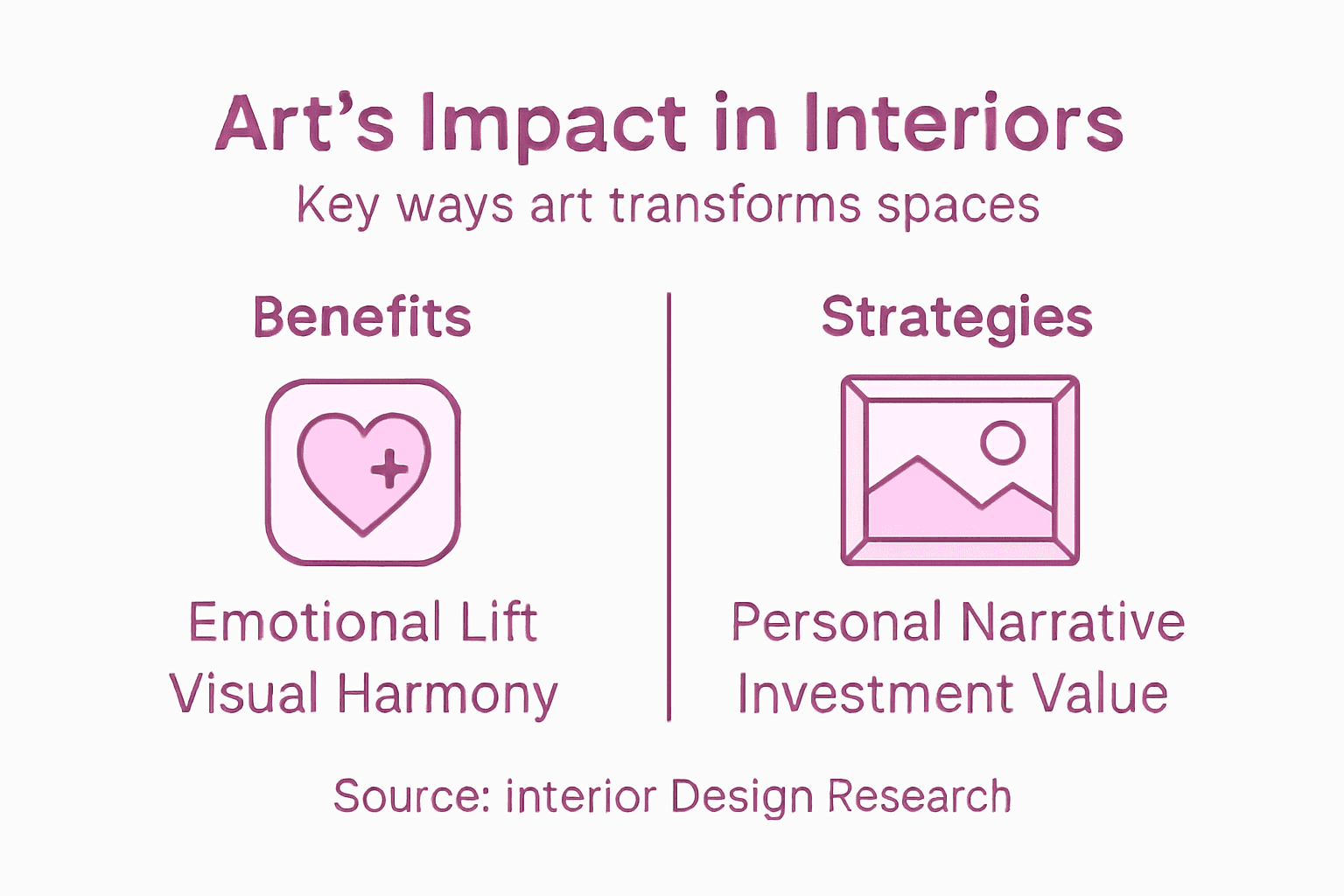
Investment-grade art selection requires understanding key valuation principles. Scale, color harmony, and contextual relevance are crucial considerations. Artwork should complement architectural features, create visual balance, and resonate with the room’s overall design language. Contemporary design research suggests that art pieces which tell a compelling story and demonstrate aesthetic sophistication can potentially accelerate property sales and increase market value.
Pro tip: Choose artwork that demonstrates both emotional resonance and timeless quality, focusing on pieces that will appeal to a broad range of potential buyers while maintaining your personal aesthetic.
Elevate Your Interiors with Original Art from Eman’s Gallery
Struggling to find artwork that truly transforms your space and reflects your personal story Eman’s Gallery offers a stunning collection of original handmade paintings that bring emotional depth and visual harmony to any room. Whether you desire the bold energy of abstract creations or the calming influence of landscapes our carefully curated art pieces become the centerpiece that connects your interior design with your unique identity.
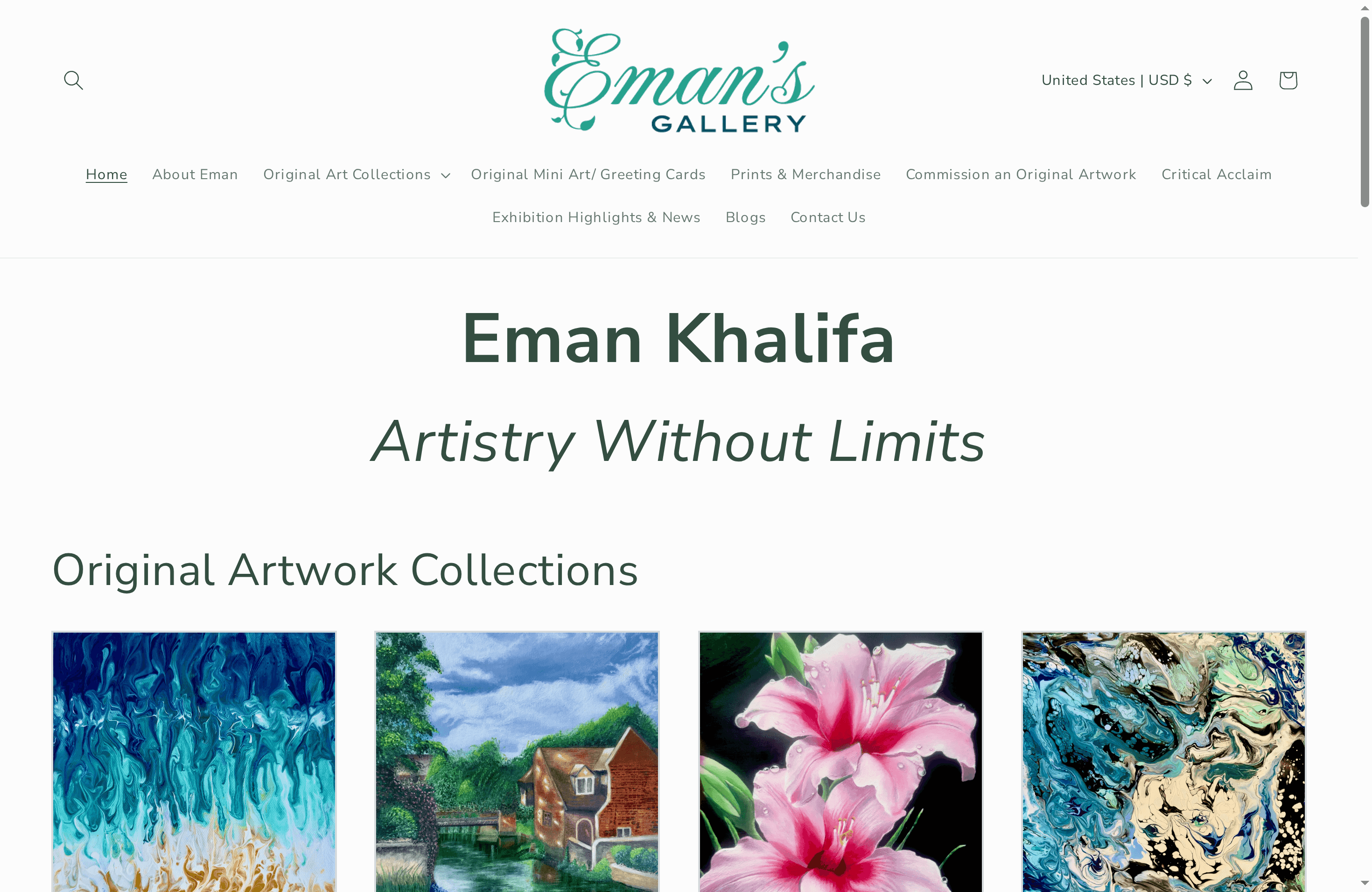
Explore our Contemporary Collection and Landscapes Collection to discover museum-quality canvas prints and one-of-a-kind artworks by artist Eman Khalifa. Shop now at Eman’s Gallery and start creating interiors that inspire emotional well-being and elevate your living space today.
Frequently Asked Questions
What is the role of art in interior design?
Art serves as a powerful medium for personal expression and spatial transformation, fundamentally shaping how we perceive and experience environments. It communicates personality, values, and emotional resonance, enhancing the overall aesthetic of a space.
How can art impact emotional well-being in interior spaces?
Strategically placed art can significantly influence mood, reduce stress, and enhance emotional experiences. Art acts as a visual anchor, connecting architectural design with human emotion, fostering environments that promote relaxation and creativity.
What types of art are best suited for modern interiors?
Modern interiors can benefit from a variety of art styles including abstract paintings, minimalism, geometric art, textile art, photography, and sculptures. Each style contributes its unique visual and emotional impact, allowing you to create a dynamic, expressive environment.
How can I ensure the artwork reflects my personal identity?
Choosing artwork that resonates with your emotional state and personal story is key. Consider how different styles, themes, and colors align with your values and experiences. Authentic art selections can transform your space into a narrative of who you are.
Recommended
- Why Display Art at Home: Transforming Modern Spaces
- Complete Guide to Types of Art for Interiors – Eman’s Gallery
- Art and Interior Design Explained: Transforming Modern Spaces
- Art Styles Explained: Shaping Luxury Interiors
Stay Connected
- ✨ Explore Eman Khalifa’s original art and fine art prints
- 📸 Follow Eman Khalifa’s art journey on: Instagram @emans_gallery and Facebook Eman’s Gallery
- 📹 Watch Eman Khalifa creating live art on: YouTube @emans_gallery
