


Complete Guide to Types of Art for Interiors
Over half of american homeowners report that art selection is one of the most challenging aspects of interior design. Art does much more than fill empty walls—it sets the tone, reflects personal taste, and shapes the mood within a space. By understanding how various forms of art influence your environment, you can create an interior that feels authentic and visually captivating.
Table of Contents
- Defining Art For Interior Spaces
- Major Types Of Art For Interiors
- Selecting Art By Style And Function
- Displaying And Maintaining Artwork At Home
- Common Mistakes When Choosing Interior Art
Key Takeaways
| Point | Details |
|---|---|
| Role of Art in Design | Art transforms interior spaces by reflecting personal style and enhancing emotional landscapes. |
| Diverse Artistic Mediums | Interior art includes various styles such as paintings, sculptures, and installations, each contributing to unique spatial experiences. |
| Art Selection Considerations | Choosing art requires balancing aesthetic preferences with spatial dynamics and emotional resonance for a cohesive narrative. |
| Effective Display Strategies | Strategic placement, proper lighting, and periodic rotation of artwork enhance engagement and preserve visual interest in interiors. |
Defining Art for Interior Spaces
Art serves as more than mere decoration in interior spaces - it transforms environments by creating emotional landscapes and visual narratives that reflect personal style and architectural character. Interior art acts as a critical design element that communicates mood, personality, and aesthetic sensibility through carefully selected visual expressions.
The concept of art within interior spaces goes beyond traditional framed paintings, encompassing diverse mediums that create immersive spatial experiences. These artistic elements interact dynamically with architectural environments, shaping perceptual atmospheres through strategic placement, color, texture, and form. From large-scale abstract canvases to sculptural installations, art becomes an integral component that defines spatial identity and emotional resonance.
When considering art for interior spaces, designers and homeowners must understand its multifaceted role in environmental communication. Art functions not just aesthetically but psychologically - influencing perception, creating focal points, and establishing visual rhythms within rooms. Contemporary wall art particularly excels at transforming blank walls into dynamic storytelling surfaces that engage viewers and reflect individual or collective narratives, making each interior space uniquely expressive.
Key considerations for selecting interior art include understanding spatial dynamics, color harmonization, emotional impact, and personal aesthetic preferences. Art should complement architectural elements while maintaining its own visual integrity, creating a balanced dialogue between the artwork and its surrounding environment. Whether minimalist photography, vibrant abstract paintings, or intricate geometric compositions, the right art piece can elevate an interior from merely functional to profoundly meaningful.
Major Types of Art for Interiors
Interior art encompasses a diverse range of styles and mediums, each offering unique visual and emotional experiences for living spaces. Artistic categories for interior design include paintings, sculptures, photography, mixed media installations, and decorative art forms that transform environments and reflect personal aesthetic preferences.
Paintings remain a cornerstone of interior art, with styles ranging from abstract and contemporary to realistic and minimalist compositions. Textured artwork styles introduce dimensional complexity, creating visual depth and tactile intrigue that engage viewers beyond traditional two-dimensional representations. These artworks can dramatically alter spatial perceptions, using techniques like impasto, collage, and relief to add dynamic visual interest.
Installation art represents a transformative approach to interior design, utilizing three-dimensional artistic interventions that redefine spatial experiences. These immersive art forms go beyond traditional wall hangings, incorporating sculptural elements, multimedia components, and site-specific designs that interact directly with architectural environments. The Pattern and Decoration movement further expanded interior art possibilities by emphasizing intricate decorative elements that blur boundaries between functional design and artistic expression.
Photography, graphic prints, and digital art offer contemporary alternatives for interior spaces, providing versatile options for different design aesthetics. From large-scale landscape prints to minimalist geometric compositions, these mediums allow homeowners and designers to curate visual narratives that reflect personal style, cultural influences, and emotional resonance. Each art type brings unique characteristics - photographic works capture moments in time, graphic prints offer bold geometric statements, and digital art introduces cutting-edge visual experiences that challenge traditional artistic boundaries.
Selecting Art by Style and Function
Selecting art for interior spaces requires a nuanced approach that balances aesthetic preferences, design styles, and functional requirements. Art selection is a strategic process that goes beyond visual appeal, involving careful consideration of how artwork interacts with existing architectural elements, color schemes, and overall spatial dynamics.
Interior design styles significantly influence art choices, with different design approaches demanding unique artistic expressions. Modern minimalist interiors might favor geometric abstract pieces with clean lines, while classical spaces benefit from more traditional representational art. Decorating styles such as Coastal, Bohemian, and Contemporary each require specific artistic considerations that complement their distinctive visual languages.
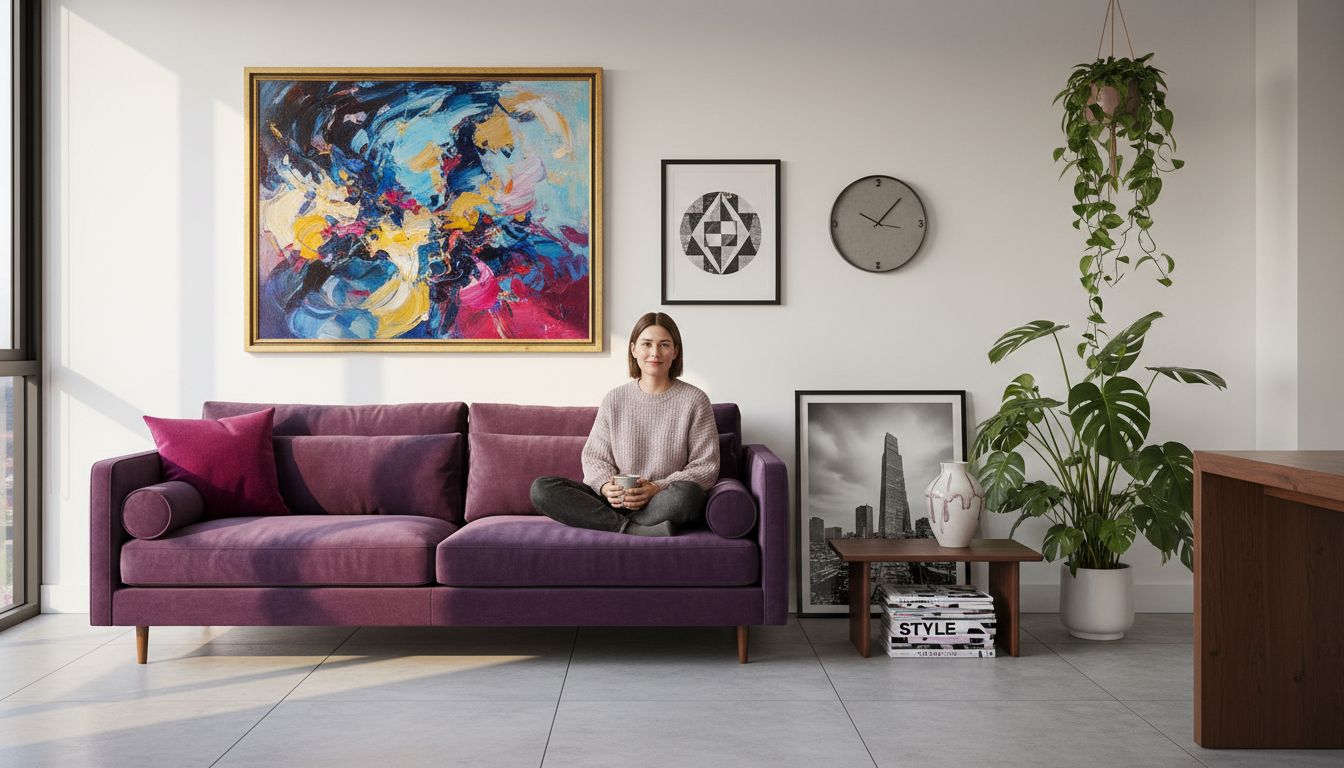
Functional considerations play a crucial role in art selection beyond mere aesthetic preferences. Artwork should serve multiple purposes - creating visual focal points, enhancing spatial perception, and reflecting personal narrative or cultural identity. Large-scale pieces can visually expand smaller rooms, while carefully positioned art can draw attention away from architectural imperfections or create strategic visual flow within living spaces.
Practical art selection involves evaluating several key factors: color harmony with existing interior palette, scale relative to wall space, thematic consistency with room design, and emotional resonance with inhabitants. Geometric art offers precise visual structure for contemporary spaces, while fluid abstract pieces provide dynamic energy to more structured environments. The ultimate goal remains creating a cohesive visual narrative that transforms interior spaces from mere rooms into personalized, emotionally engaging environments.
Displaying and Maintaining Artwork at Home
Displaying artwork effectively transforms living spaces, turning walls into personal galleries that reflect individual style and emotional narratives. Art placement requires strategic consideration of architectural elements, lighting conditions, and visual flow to create harmonious and engaging interior environments.
Interior design principles guide the successful integration of artwork into home spaces. Key considerations include maintaining appropriate spacing between pieces, creating visual balance, and selecting hanging heights that create optimal viewing experiences. Professional designers recommend positioning artwork at eye level, typically 57-60 inches from the floor, to ensure comfortable and natural engagement.
Art display techniques vary depending on individual artwork characteristics and room dynamics. Gallery walls offer flexible arrangements for multiple pieces, while single statement artworks can anchor entire rooms. Considerations like frame selection, mounting methods, and strategic lighting play crucial roles in presenting artwork effectively. Proper maintenance involves protecting pieces from direct sunlight, controlling humidity levels, and periodic gentle cleaning to preserve artistic integrity.
Practical artwork display strategies include creating visual connections between pieces, using consistent framing approaches, and considering how different artworks interact within shared spaces. Rotating artwork periodically prevents visual fatigue and allows homeowners to refresh interior aesthetics. Wall-mounted pieces, floating shelves, and strategic lighting can transform artwork from mere decoration into dynamic focal points that communicate personal style and emotional depth.
Common Mistakes When Choosing Interior Art
Selecting artwork for interior spaces involves more than simply picking visually appealing pieces. Art selection requires a nuanced understanding of spatial relationships, design coherence, and personal aesthetic vision that many homeowners overlook when curating their living environments.
Interior decorating styles reveal common pitfalls that can disrupt the visual harmony of a space. One significant mistake involves choosing artwork that clashes with existing design themes, creating visual discord instead of complementary design language. Mismatched art can disconnect room aesthetics, making spaces feel disjointed and poorly planned. Designers recommend selecting pieces that either subtly echo existing design elements or intentionally create controlled visual contrast.
Scale and proportion represent another critical area where art selection frequently goes wrong. Choosing artwork that is disproportionately small or overwhelmingly large can disrupt room balance and visual flow. Art print selection requires careful consideration of wall dimensions, furniture placement, and overall room geometry. Homeowners often make the mistake of hanging art too high or clustering pieces without considering their visual relationships, which can create visual tension and reduce the artwork’s aesthetic impact.
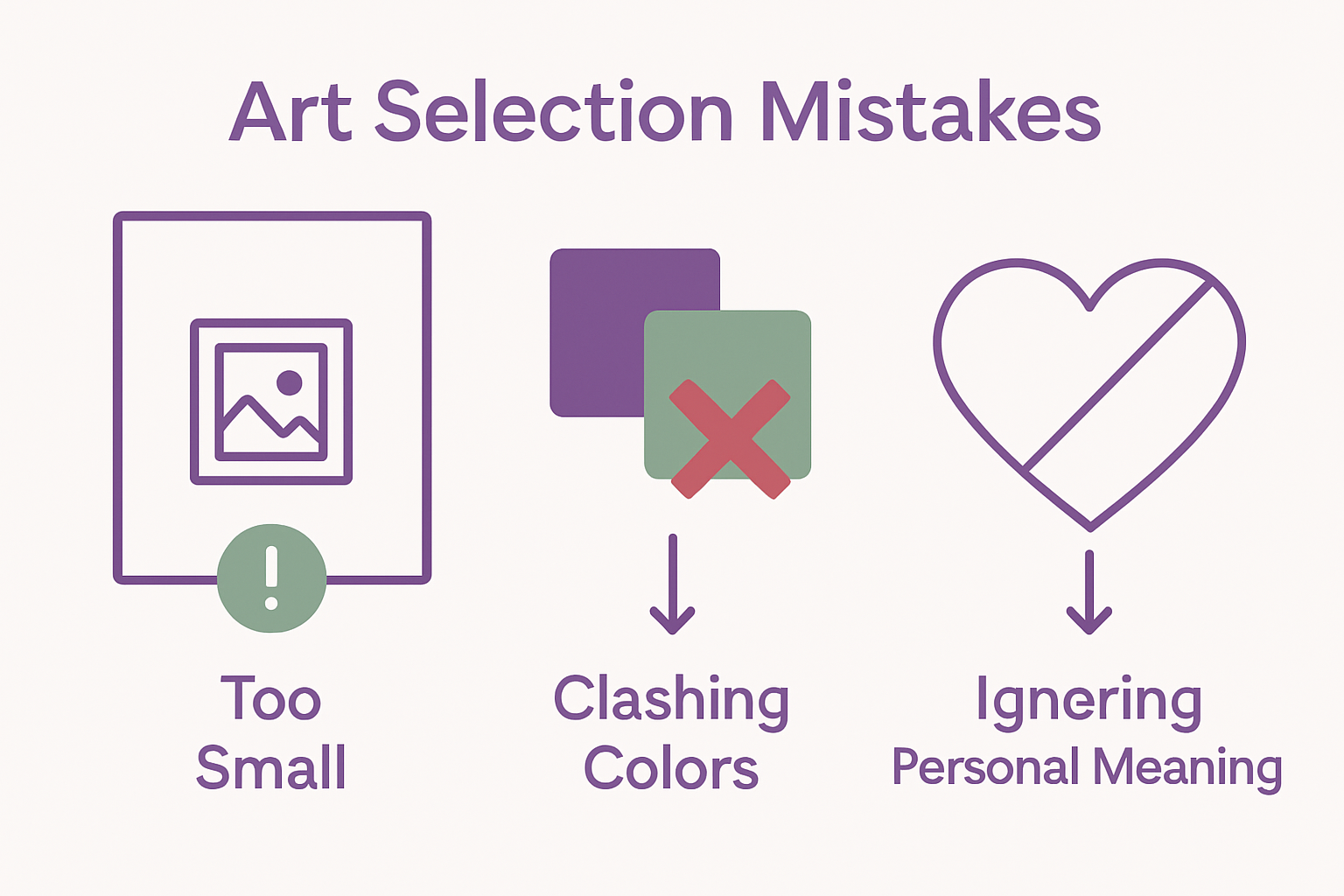
Emotional resonance and personal connection are frequently overlooked when selecting interior art. Many individuals choose pieces based solely on trends or perceived value, neglecting the fundamental purpose of artwork - to create meaningful visual experiences. Successful art selection involves choosing pieces that spark personal joy, reflect individual narratives, and contribute to the emotional atmosphere of living spaces. Strategic art choices transform rooms from mere physical environments into dynamic, personally expressive landscapes that evolve with the inhabitants’ changing perspectives and experiences.
Transform Your Interior Spaces with Thoughtfully Curated Art
Selecting the right art can feel overwhelming when faced with numerous types and styles that each evoke different moods and spatial dynamics. The challenge lies in finding pieces that not only complement your design but also create an emotional connection and personal narrative within your home. Whether you seek geometric precision, abstract energy, or contemporary realism, choosing art with purpose elevates your interiors from functional spaces to inspiring environments.
Discover a carefully curated collection of original artworks and premium canvas prints that address these challenges at Eman’s Gallery. Contemporary art pieces crafted by artist Eman Khalifa bring vitality and depth to any room while ensuring balance with your existing décor.
Embrace the opportunity to make a bold statement or subtle complement today. Browse the diverse range of Canvas Art Prints designed to harmonize with your space and reflect your unique taste. Visit Eman’s Gallery now to explore exclusive pieces and start transforming your interiors into personalized galleries that inspire and connect on a deeper level.
Frequently Asked Questions
What are the major types of art suitable for interior spaces?
Interior art includes various categories such as paintings, sculptures, photography, mixed media installations, and decorative art forms. Each type contributes uniquely to the visual and emotional dynamics of a space.
How can I choose the right art style for my interior design?
Selecting art involves considering your overall design style, color palette, and the emotional atmosphere you want to create. Modern minimalist designs may call for geometric abstract pieces, while classical styles might benefit from more traditional artwork.
What factors should I consider when displaying artwork in my home?
Key factors include maintaining appropriate spacing between pieces, ensuring artwork is hung at eye level, and considering lighting conditions to enhance the visual impact of the art. Creating a cohesive visual narrative is essential for a harmonious look.
What common mistakes should I avoid when selecting art for interiors?
Common mistakes include choosing pieces that clash with the existing design, mismatching the scale of artwork to the space, and neglecting personal emotional resonance. It’s important to select art that complements your decor and resonates personally with you.
Shop Art for Your Interior
Explore Eman's Gallery collections by interior style and mood:
- Abstract Art — dynamic, expressive works for contemporary and modern interiors
- Geometric Abstraction — precise, structured pieces for minimalist spaces
- Landscapes — nature-inspired works that bring calm and depth to any room
- Framed Archival Prints — ready-to-hang in multiple sizes and frame styles
- Original Paintings — one-of-a-kind works for a truly personal interior
Recommended
- Contemporary Wall Art Explained: Complete Overview – Eman’s Gallery
- What Is Contemporary Art? Complete Guide Explained – Eman’s Gallery
- Complete Guide to Decorating With Art Prints – Eman’s Gallery
- Textured Artwork Explained: Styles, Techniques, and Uses – Eman’s Gallery
- Matching Wall Colours With Furniture
- The Essential Guide to Art in Family Traditions – The Family Portrait Companys
Stay Connected
- ✨ Explore Eman Khalifa’s original art and fine art prints
- 📸 Follow Eman Khalifa’s art journey on: Instagram @emans_gallery and Facebook Eman’s Gallery
- 📹 Watch Eman Khalifa creating live art on: YouTube @emans_gallery
