


Why Art Matters at Home: Elevate Living Spaces
Choosing art for your home goes far beyond finding something that matches your furniture. It is a chance to shape an environment that reflects your identity, values, and story. For many affluent homeowners in the United Kingdom and the United States, the right artwork does more than decorate walls—it builds emotional connections, defines room character, and bridges lifestyle with architectural design. Art serves as personal expression, transforming blank spaces into meaningful extensions of who you are, and setting the stage for comfortable, contemporary living.
Table of Contents
- Art In The Home: Definition And Role
- Types Of Art For Residential Spaces
- Art’s Impact On Mood And Well-Being
- Expressing Personal Style Through Art
- Art’s Influence On Design And Property Value
Key Takeaways
| Point | Details |
|---|---|
| Art reflects identity | The art you choose communicates your values and personal story in your living space. |
| Art impacts mood | Engaging with art can enhance emotional well-being, reduce stress, and improve self-awareness. |
| Strategic placement elevates design | Thoughtfully chosen art enhances property value and creates visual coherence in a home. |
| Invest in original works | Original artworks provide unique value that supports both aesthetic appeal and potential financial return. |
Art in the Home: Definition and Role
Art in the home goes far beyond hanging a picture on a wall. It’s a deliberate choice to integrate creativity, personal expression, and aesthetic purpose into your living environment. Your art selections communicate who you are and what matters to you.
Art serves as personal expression within residential spaces, transforming your home into a reflection of your identity. This extends beyond decoration—it becomes a dialogue between you and your surroundings.
When art lives in your home, it accomplishes several key functions:
- Creates visual focal points that organize and define room layouts
- Establishes emotional ambiance through color, form, and subject matter
- Bridges the gap between your architectural space and your personal narrative
- Enhances spatial dimensions through scale, depth, and composition
- Reinforces cultural identity and values within your domestic environment
Think of art as the translator between your home’s structure and your lifestyle. A blank wall is simply square footage. Art transforms it into meaning.
Art encompasses personal and social narratives connected to your domestic experience. Whether you choose abstract geometrics, landscape paintings, or contemporary pieces, each selection tells part of your story.
The role of art in your home operates on three levels:
- Aesthetic—it shapes how your space visually appears and feels
- Emotional—it influences mood, comfort, and well-being daily
- Psychological—it affirms your identity and values through deliberate curation
For affluent homeowners, art selection becomes an investment in both beauty and meaning. Original artworks and museum-quality canvas prints serve as permanent fixtures that grow with your life, unlike trendy furnishings that fade with time.
Art in your home is never simply decoration—it’s a statement of intention and a reflection of who you are.
Understanding art’s role means recognizing that your space reflects your choices, preferences, and the life you’re building. When you select pieces intentionally, your home becomes uniquely yours.
Pro tip: Start by identifying one room where art will make the biggest emotional impact, then build your collection thoughtfully around pieces that genuinely resonate with you—quality over quantity transforms any space.
Types of Art for Residential Spaces
Your home deserves art that matches your aesthetic and lifestyle. Different art types create vastly different effects, and understanding what works best helps you build a cohesive collection that feels authentically yours.
Modern style paintings effectively enhance psychological comfort for occupants across residential interiors. This makes contemporary pieces particularly valuable for homeowners seeking spaces that feel both visually sophisticated and emotionally balanced.
Here are the primary art categories for residential spaces:
- Abstract Art—Bold colors and forms that encourage personal interpretation and emotional response
- Geometric Art—Clean lines and precise shapes that organize visual space and create modern sophistication
- Landscape and Seascape Paintings—Nature-inspired works that bring tranquility and spatial depth to rooms
- Floral Art—Botanical themes that soften spaces and add organic beauty and vibrancy
- Still-Life Paintings—Curated compositions that celebrate everyday objects with refined artistic perspective
Each category serves different psychological and aesthetic purposes. Abstract pieces energize spaces. Landscapes calm them. Florals add warmth. Your choice depends on the mood you want each room to convey.
Here’s a quick reference comparing popular art styles for residential spaces and their effects:
| Art Style | Visual Impact | Mood Influence | Best Room Placement |
|---|---|---|---|
| Abstract | Dynamic, vibrant focal | Energizes, stimulates | Living room or offices |
| Geometric | Clean, modern structure | Calms, organizes | Entryways, dining rooms |
| Landscape/Seascape | Natural depth, tranquility | Relaxes, soothes | Bedrooms, lounges |
| Floral | Soft, organic beauty | Uplifts, warms | Kitchens, sitting areas |
| Still-Life | Refined, classic presence | Reflective, grounding | Dining area, hallways |
The scale of your artwork matters significantly. Large statement pieces become architectural elements that anchor entire rooms. Smaller works create intimate focal points within groupings. Medium-sized pieces balance walls without overwhelming them.
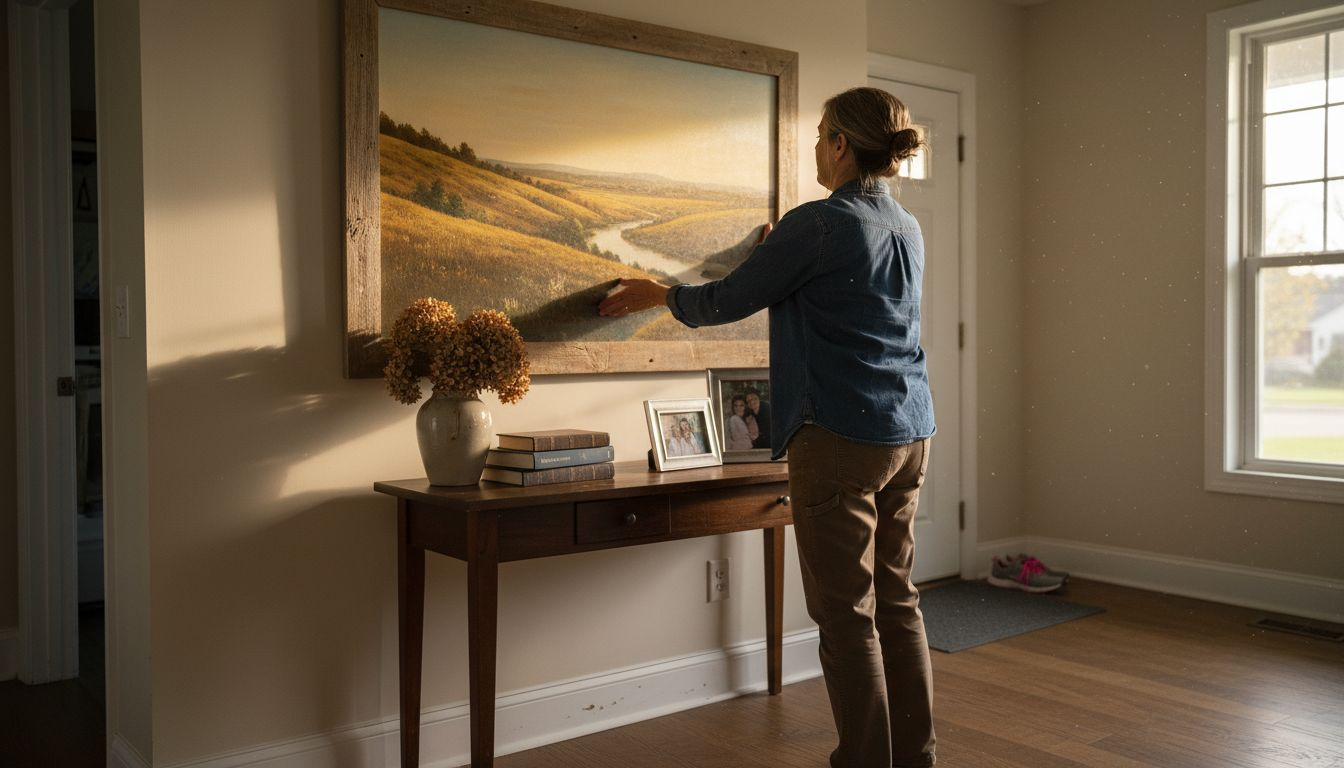
Consider your existing color palette when selecting art. Choosing complementary or contrasting hues shapes how artwork integrates with your interior design. A piece that works beautifully in one room might clash in another based purely on surrounding colors and finishes.
Original handmade paintings offer qualities mass-produced prints cannot match. They carry brushwork, texture, and the artist’s intention. Museum-quality canvas prints provide accessibility while maintaining fine art presentation and longevity.
The best art for your home reflects your personality, enhances your mood daily, and grows more meaningful over time.
You might also consider art-printed merchandise—throw pillows, canvas prints, and other items allow you to extend your favorite artworks throughout your space cohesively.
Pro tip: Choose one art style that resonates with you, then build your collection around it rather than mixing too many competing aesthetics—this creates visual harmony and makes your home feel intentional rather than scattered.
Art’s Impact on Mood and Well-Being
Art isn’t just decoration—it’s a tool for emotional health. When you live with art you love, your brain responds in measurable ways that improve your daily experience and psychological resilience.
Engaging with creative arts activates brain circuits involved in emotional regulation, particularly in areas that process feelings and emotional responses. This neural activation happens whether you’re actively creating or simply viewing pieces in your home.
The psychological benefits of living with art include:
- Reduced anxiety and stress through visual engagement
- Increased emotional awareness and self-reflection
- Enhanced empathy and compassion toward yourself and others
- Improved mood stability throughout your day
- Greater sense of personal identity and belonging in your space
Color plays a crucial role in these effects. Warm tones energize and uplift. Cool tones calm and ground. How color influences emotional response depends partly on your personal associations and cultural background.
Art exhibition visits demonstrably reduce anxiety while increasing feelings of connection to others. Living with art daily creates similar—though more subtle—benefits through repeated positive visual exposure.
Your environment shapes your mental state. A thoughtfully curated home with art that resonates with you becomes a sanctuary rather than just a space. The pieces you choose reinforce who you are and what matters to you.
Personal preference matters tremendously. The art that calms one person might energize another. This is why selecting pieces that genuinely move you—rather than choosing based on trends—creates authentic well-being benefits.
Art transforms your home from a backdrop into an active participant in your emotional health and daily happiness.
Original artworks carry additional psychological weight. The knowledge that a piece is handmade by an artist deepens your connection and meaning-making. Each brushstroke becomes part of your story.
When you invest in art for your home, you’re investing in your mental health alongside aesthetics.
Pro tip: Select art based on emotional response, not design magazines—if a piece makes you pause and feel something genuine, that’s the one that will benefit your well-being most over time.
Expressing Personal Style Through Art
Your home should tell your story. The art you choose reveals your values, experiences, and personality in ways that words often cannot. This visual language is uniquely yours.
Creative self-expression through art enables individuals to communicate unique identities and narratives that define who they are. Art becomes the vehicle for sharing your inner world within your own living space.
Your personal style emerges through intentional art choices. Consider these key elements:
- Emotional resonance—Does the piece make you feel something genuine when you see it?
- Color alignment—Do the hues reflect your mood preferences and aesthetic comfort?
- Subject matter—Does the theme connect to your interests, memories, or aspirations?
- Artistic technique—Does the style match your contemporary or traditional sensibilities?
- Scale and placement—Does the artwork feel right for its intended space?
Art perception is profoundly influenced by personal identity, making artworks resonate differently for each person. What moves one homeowner might not connect with another—and that’s exactly right. Your home isn’t a showroom; it’s a personal sanctuary.
Original handmade paintings carry deeper personal significance than mass-produced alternatives. When you own a unique piece, you own something no one else has. This exclusivity reinforces your individuality.
Role of art in self-expression extends beyond aesthetics into identity affirmation. Your art choices communicate to yourself and visitors alike who you truly are.
Authentic personal style requires rejecting what you think you “should” like. Magazine-worthy designs mean nothing if they don’t reflect you. The best collections grow organically from genuine preference, not trend-chasing.
Your art collection becomes a visual autobiography—each piece a chapter in your ongoing story.
Consider building your collection gradually. Start with one piece that speaks to you deeply, then add others that complement or expand upon that foundation. This approach creates coherence without feeling curated by someone else.
Pro tip: Trust your gut reaction to artwork—if you find yourself returning to look at a piece or thinking about it later, that’s your intuition telling you it belongs in your home, regardless of design rules.
Art’s Influence on Design and Property Value
Art does more than beautify your home—it fundamentally shapes how your space functions and how potential buyers perceive it. Quality artwork becomes an investment in both aesthetics and financial value.
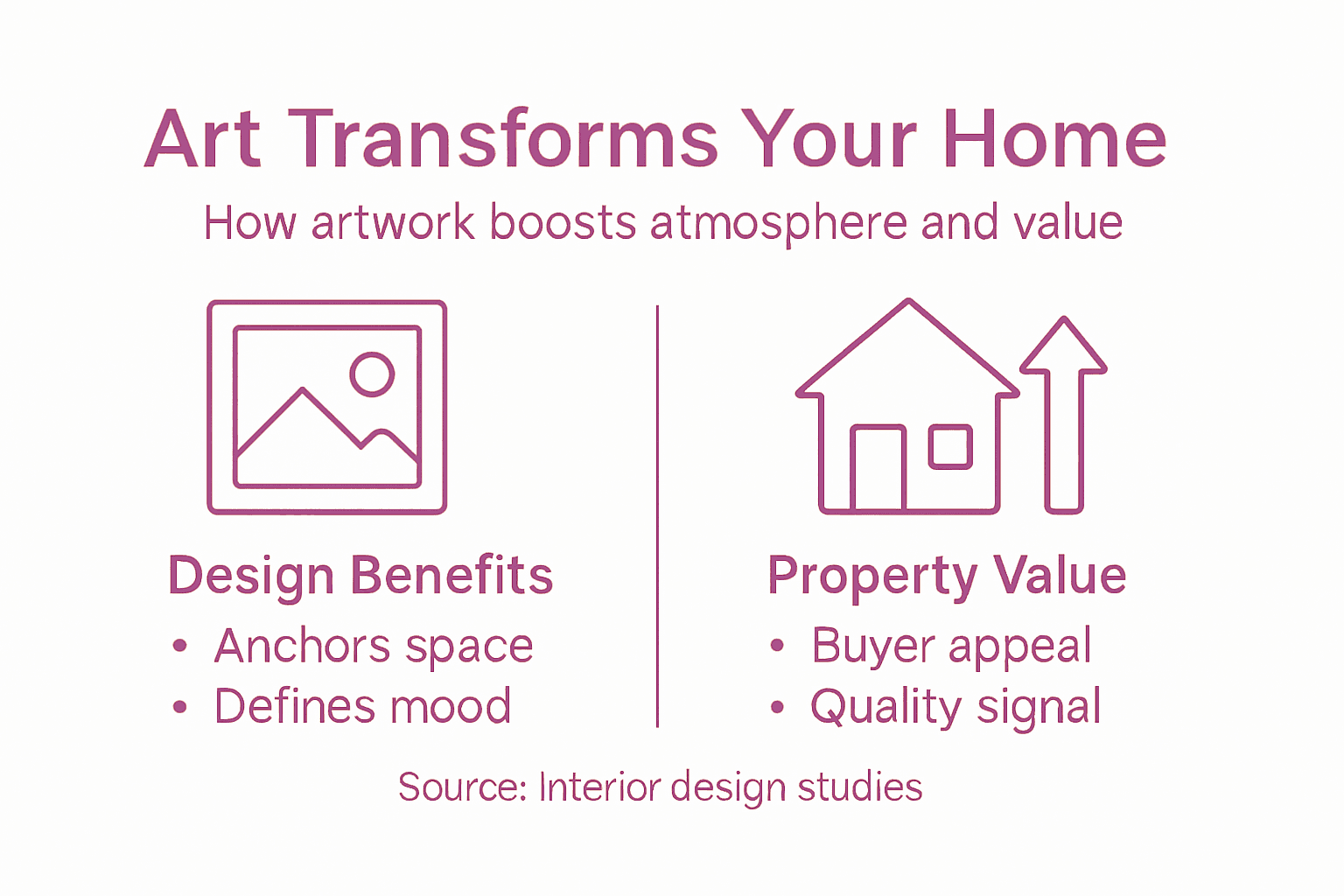
Art significantly influences interior design by setting the tone, providing identity, and enhancing atmosphere through strategic placement and selection. Art creates focal points that organize rooms, balance proportions, and establish the emotional quality of your spaces.
How art impacts your home’s design and value:
- Defines spatial hierarchy by drawing attention to key architectural areas
- Creates visual cohesion across multiple rooms through color and theme
- Establishes a design narrative that makes spaces feel intentional
- Enhances perceived value through sophistication and thoughtfulness
- Increases buyer appeal by demonstrating personal investment in quality
When potential buyers enter a home with carefully curated art, they experience something different. They sense the difference between a house that’s furnished and a home that’s designed with intention. This perception translates directly into property value.
Luxury wall art materially elevates property value by enhancing emotional resonance and visual appeal in high-end real estate. Original artworks contribute to sophisticated ambience that increases buyer interest and investment value.
The financial impact operates on multiple levels. Original paintings and museum-quality canvas prints signal quality to buyers. They suggest the homeowner values aesthetic refinement. This perception supports higher asking prices and faster sales.
Art creates focal points that organize room layouts, making spaces feel larger, more balanced, and professionally designed. A blank wall reads as incomplete. A thoughtfully chosen artwork transforms that same wall into a design statement.
Affluent homeowners understand that art selection is a design decision, not a decorating afterthought. It affects traffic flow, lighting perception, and the overall atmosphere buyers experience during showings.
Strategic art placement elevates your home from well-maintained to genuinely designed—a distinction that buyers recognize and reward.
Original artworks hold additional value beyond aesthetics. They’re unique, irreplaceable, and collectible. As your taste evolves, your art collection can grow in both personal and financial value.
Consider this summary of how original art investments can influence property value and buyer impressions:
| Art Investment | Design Enhancement | Buyer Perception | Property Value Impact |
|---|---|---|---|
| Original Artwork | Unique focal points | Signals quality and taste | Increases resale appeal |
| Canvas Print | Polished presentation | Indicates thoughtful décor | Adds moderate value |
| Art Merchandise | Cohesive accents | Feels personalized | Minimal impact on property value |
| No Art | Blank, unfinished spaces | Lacks personality | May reduce perceived value |
Pro tip: Invest in original pieces in areas visible during home showings—entry halls, living rooms, and primary bedrooms—where art makes the strongest first impression on potential buyers.
Elevate Your Home’s Emotional and Aesthetic Experience with Original Art
Transforming your living space into a sanctuary that reflects your identity and nurtures your well-being starts with choosing the right art. As discussed, art is more than decoration—it creates emotional resonance, defines your personal style, and enhances your home’s unique atmosphere. If you are seeking to bring this meaningful dimension into your home, explore the Expressionist Original Art Collection for pieces that powerfully engage emotions or discover the clean, modern sophistication of the Geometric Original Art Collection.
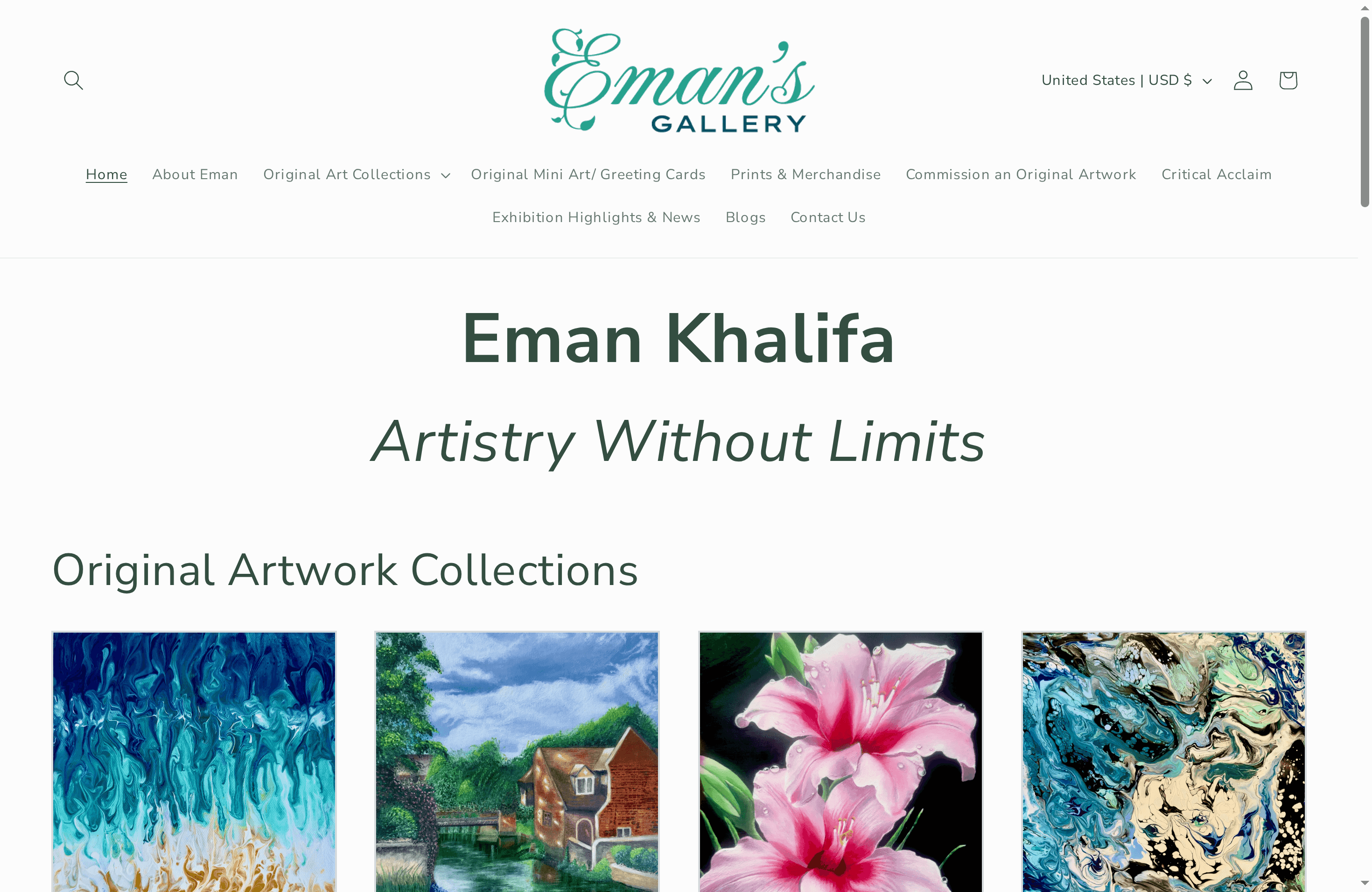
Don’t settle for ordinary when you can own original handmade paintings and museum-quality canvas prints that inspire mood stability and elevate your property’s design. Visit Eman’s Gallery now and find the artwork that truly speaks to you. Begin your journey toward a home that is both a personal expression and a lasting investment in your happiness.
Frequently Asked Questions
What is the role of art in a home?
Art serves as personal expression within residential spaces, transforming a home into a reflection of one’s identity. It creates visual focal points, establishes emotional ambiance, and reinforces cultural values.
How does art impact mood and well-being at home?
Living with art you love can reduce anxiety, enhance emotional awareness, and improve overall mood stability. The colors and themes of artworks influence psychological comfort and contribute positively to daily experiences.
What are the different types of art suitable for residential spaces?
Popular art categories for homes include abstract art, geometric art, landscape paintings, floral art, and still-life paintings. Each type serves a unique purpose in terms of visual impact and mood influence.
How can art influence the design and value of my home?
Quality artwork enhances interior design by creating focal points and establishing visual and emotional coherence. Well-curated art can increase buyer appeal and property value, making spaces feel intentionally designed rather than merely furnished.
Recommended
- Why Display Art at Home: Transforming Modern Spaces
- Why Art Matters in Interiors: Transforming Spaces
- Why Decorate With Art: Transforming Modern Luxury Spaces
- Role of Artwork in Home Design: Elevating Interiors
- Laser im Interior Design: Kreative Raumgestaltung möglich machen – Laserdienstleistungen
Stay Connected
- ✨ Explore Eman Khalifa’s original art and fine art prints
- 📸 Follow Eman Khalifa’s art journey on: Instagram @emans_gallery and Facebook Eman’s Gallery
- 📹 Watch Eman Khalifa creating live art on: YouTube @emans_gallery
