


Role of Artwork in Home Design: Elevating Interiors
Selecting artwork for modern interiors often goes beyond simply filling wall space. Luxury homeowners in cities across the USA and Europe look for pieces that bring emotional depth and individuality into their home design. With research highlighting art’s role in creating emotional connections and shaping room dynamics, this guide reveals how integrating artwork as a transformative visual language can define sophisticated spaces and reflect personal narratives.
Table of Contents
- Artwork In Home Design Defined Clearly
- Popular Artwork Styles For Modern Homes
- Visual Impact Of Art On Interiors
- Art’s Influence On Mood And Atmosphere
- Practical Placement And Selection Tips
- Common Mistakes With Art In Homes
Key Takeaways
| Point | Details |
|---|---|
| Art as Emotional Anchor | Artwork transcends decoration, creating emotional connections and influencing spatial perception in home design. |
| Strategic Selection & Placement | Choose art that resonates personally and complements design elements to enhance overall aesthetic harmony. |
| Common Mistakes to Avoid | Be mindful of size misalignment and style consistency to prevent visual clutter and maintain a coherent interior narrative. |
| Impact of Color & Light | Consider the emotional resonance of colors and the effects of lighting to maximize the transformative power of art in spaces. |
Artwork in Home Design Defined Clearly
Art is a transformative visual language that transcends simple decoration, serving as a powerful medium for personal expression and spatial communication. In the context of home design, artwork represents far more than aesthetic embellishment - it becomes an integral element that shapes emotional experiences and defines interior environments.
Researchers have extensively explored how artwork functions within living spaces, revealing that it plays multifaceted roles beyond visual appeal. Contemporary art perception research demonstrates that art serves several critical design functions:
- Creates emotional connections within spaces
- Establishes visual focal points
- Introduces color and textural complexity
- Reflects personal identity and narrative
- Manipulates spatial perception and atmosphere
Artwork fundamentally transforms interiors by introducing psychological depth. Visual storytelling through carefully selected pieces allows homeowners to communicate personal narratives, cultural backgrounds, and aesthetic sensibilities without spoken language. A strategically placed painting or sculpture can dramatically alter room dynamics, creating visual tension, balance, or unexpected dialogue between architectural elements.
Functional art integration requires understanding how different artworks interact with interior design principles. Some pieces command attention as statement works, while others provide subtle complementary background texture. The key is selecting art that resonates personally while maintaining sophisticated design harmony.
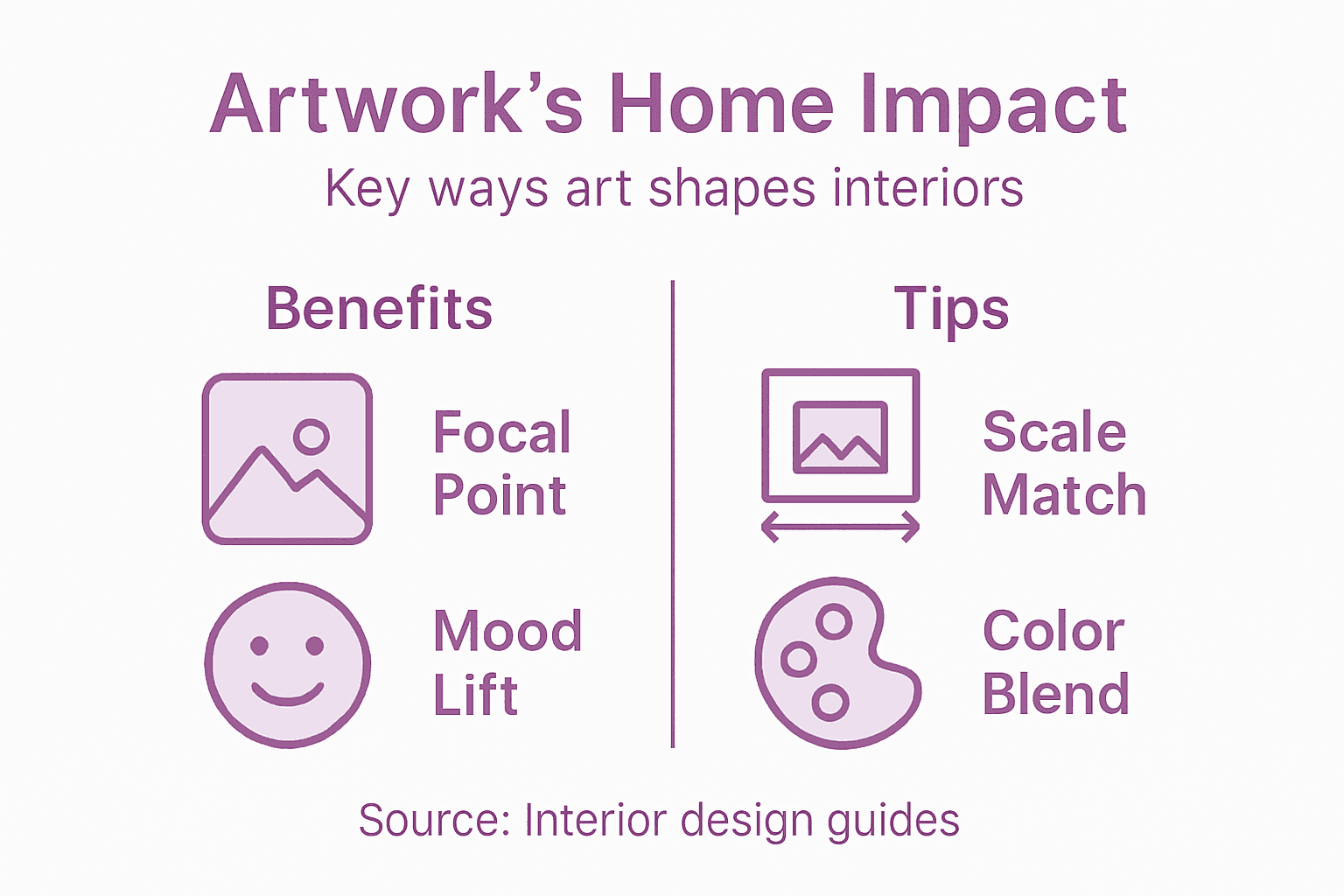
Pro tip: When selecting artwork, consider how each piece contributes to your space’s overall emotional and visual narrative, not just its decorative potential.
Popular Artwork Styles for Modern Homes
Modern home design embraces diverse artwork styles that transform living spaces from mundane to extraordinary. Contemporary wall art approaches have evolved to offer homeowners unprecedented creative expression through visual storytelling and aesthetic innovation.
Several prominent artwork styles dominate contemporary interior design:
- Abstract Art: Characterized by non-representational forms and bold color palettes
- Minimalist Art: Emphasizing clean lines, neutral tones, and simplified geometric shapes
- Geometric Art: Featuring precise mathematical patterns and structured compositions
- Mixed Media: Combining multiple artistic techniques and materials for complex visual narratives
- Digital Art: Incorporating technology-generated imagery and innovative graphic designs
Abstract and minimalist styles particularly resonate with modern home interiors, offering visual complexity without overwhelming spatial dynamics. These art forms create sophisticated visual dialogues, allowing homeowners to communicate personal aesthetic sensibilities through carefully curated pieces that complement architectural elements.
Contemporary art integration demands strategic placement and thoughtful selection. Statement pieces can anchor a room’s design, while complementary artworks create subtle visual harmony. The key is balancing artistic expression with interior design principles, ensuring each artwork contributes meaningfully to the overall spatial narrative.
Here is a quick reference for popular artwork styles and their best use cases in modern homes:
| Artwork Style | Ideal Room Type | Visual Effect |
|---|---|---|
| Abstract | Living Room, Office | Adds bold focal interest |
| Minimalist | Bedroom, Entryway | Evokes calm sophistication |
| Geometric | Dining Area, Hallway | Introduces order, structure |
| Mixed Media | Loft, Creative Studio | Stimulates visual energy |
| Digital Art | Home Office, Tech Space | Feels cutting-edge, modern |
Pro tip: Select artwork that not only matches your interior design but also reflects your personal narrative and emotional connection to the space.
Visual Impact of Art on Interiors
Artwork transforms interior spaces far beyond simple decoration, serving as a powerful visual language that communicates emotion, personality, and aesthetic sophistication. Art’s transformative role in interior spaces reveals how carefully selected pieces can dramatically reshape spatial perceptions and emotional experiences.
The visual impact of art in home design manifests through several critical dimensions:
- Color Dynamics: Artwork introduces vibrant color palettes that influence room atmosphere
- Spatial Perception: Pieces can make rooms feel larger, more intimate, or dynamically balanced
- Emotional Resonance: Visual narratives evoke specific moods and psychological responses
- Architectural Dialogue: Art creates visual conversations with existing design elements
- Cultural Expression: Artworks communicate personal and cultural identity
Focal point creation represents one of the most powerful visual strategies in interior design. A strategically placed artwork can anchor an entire room, drawing the eye and creating a natural centerpiece that organizes surrounding design elements. Large-scale pieces, abstract compositions, or statement artworks can transform blank walls into dynamic visual experiences that reflect personal style and aesthetic sensibilities.
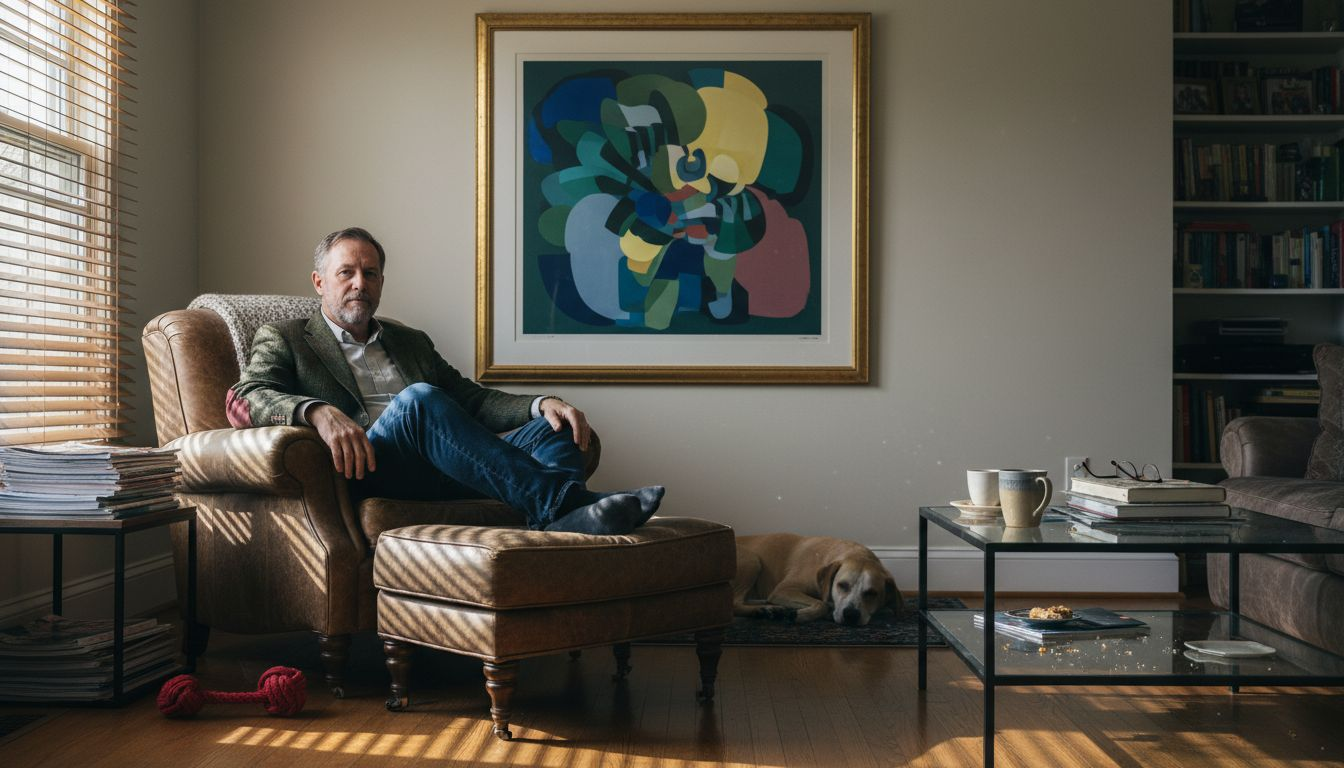
Understanding visual weight and balance becomes crucial when integrating art into interior spaces. Different art styles - from minimalist geometric designs to complex mixed-media compositions - interact uniquely with architectural environments. The key is creating harmonious visual dialogues that enhance rather than compete with existing design elements.
Pro tip: Consider the visual weight, color palette, and emotional resonance of artwork before placement, ensuring it complements rather than overwhelms your interior design.
Art’s Influence on Mood and Atmosphere
Art serves as a powerful psychological tool that transforms interior environments, creating emotional landscapes through visual storytelling. Art’s profound psychological impact reveals how carefully selected pieces can dramatically shape occupants’ emotional experiences and psychological well-being.
The emotional dimensions of artwork in interior spaces manifest through multiple psychological channels:
- Emotional Resonance: Triggers specific mood states and psychological responses
- Color Psychology: Utilizes color palettes to influence psychological perception
- Personal Narrative: Communicates individual experiences and cultural identities
- Sensory Engagement: Stimulates visual and emotional sensory pathways
- Spatial Transformation: Alters perceived room energy and emotional temperature
Psychological color interactions play a crucial role in mood modulation. Warm-toned artworks can create feelings of comfort and intimacy, while cooler color schemes might introduce calm and contemplative atmospheres. Abstract pieces with complex color gradients can generate nuanced emotional landscapes that shift and evolve with changing light conditions and viewer perspectives.
Beyond aesthetic considerations, artwork functions as an emotional conduit that connects personal experiences with physical spaces. Strategic placement of emotionally resonant pieces can transform ordinary rooms into deeply meaningful environments that reflect individual psychological narratives and cultural backgrounds.
Pro tip: Select artwork that genuinely resonates with your emotional state and personal journey, creating spaces that authentically reflect your inner emotional landscape.
Practical Placement and Selection Tips
Selecting and positioning artwork requires a strategic approach that balances aesthetic appeal with functional design principles. Statement art piece considerations highlight the importance of thoughtful art integration that enhances rather than disrupts interior environments.
Key considerations for artwork selection and placement include:
- Scale and Proportion: Match artwork size to wall dimensions and room scale
- Color Harmony: Coordinate artwork colors with existing interior color schemes
- Lighting Dynamics: Consider natural and artificial light interactions
- Viewing Angles: Ensure artwork is visible and impactful from multiple perspectives
- Emotional Resonance: Select pieces that connect personally and aesthetically
Spatial composition strategies demand careful analysis of room architecture and existing design elements. Large rooms benefit from bold, expansive pieces that create visual anchors, while smaller spaces require more delicate, proportionate selections that prevent visual overwhelm. The ideal artwork should create visual dialogue with surrounding furniture, architectural lines, and room aesthetics.
Multiple artwork placement techniques can transform interior spaces. Gallery walls offer dynamic visual storytelling, while singular statement pieces can dramatically reshape room perceptions. Strategic positioning near natural light sources, above focal furniture pieces, or in transitional spaces can maximize artwork’s transformative potential.
Pro tip: Measure wall spaces precisely and create paper templates before hanging artwork to visualize placement and ensure perfect spatial harmony.
Common Mistakes with Art in Homes
Navigating artwork selection requires nuanced understanding to avoid critical design pitfalls. Common wall art selection mistakes reveal numerous potential errors that can dramatically undermine interior aesthetic potential.
Primary mistakes in home art selection include:
- Size Misalignment: Choosing artwork disproportionate to wall dimensions
- Style Inconsistency: Selecting pieces that clash with existing interior design
- Impersonal Selection: Purchasing generic mass-produced artwork lacking personal connection
- Overcrowding: Hanging too many pieces in limited spaces
- Neglecting Lighting: Failing to consider artwork’s interaction with room illumination
Spatial awareness becomes crucial when integrating artwork. Many homeowners mistakenly treat art as an afterthought, selecting pieces without considering their relationship to room architecture, furniture placement, and overall design narrative. The most successful art integrations create visual dialogues that enhance rather than disrupt existing interior environments.
Framing and presentation represent another critical dimension of artwork selection. Cheap, inappropriate, or mismatched frames can diminish even the most compelling pieces, while professional, thoughtful framing elevates artwork’s visual impact and perceived value. Understanding frame materials, colors, and styles that complement both the artwork and surrounding design becomes essential for sophisticated interior styling.
To summarize, here are common placement mistakes versus best practices for art in home design:
| Pitfall | What Happens | Best Practice |
|---|---|---|
| Artwork too small | Looks insignificant | Use proportional sizing |
| Clashing styles | Creates visual chaos | Harmonize with design theme |
| Poor lighting | Diminishes impact | Consider both light sources |
| Overcrowding walls | Feels cluttered | Leave enough breathing space |
| Generic mass art | Lacks personality | Choose meaningful pieces |
Pro tip: Use painter’s tape to create precise visual templates on walls before hanging artwork, ensuring perfect placement and proportional harmony.
Elevate Your Home Design With Original Artwork From Eman’s Gallery
The article highlights how artwork is not just decoration but a vital tool for creating emotional resonance and visual harmony in your living spaces. If you struggle with selecting pieces that balance personal narrative and sophisticated design or want to avoid common pitfalls like size mismatch and style inconsistency, our curated collections offer the perfect solution. Discover handpicked pieces that introduce impactful color dynamics and spatial transformation while reflecting your unique identity.
Explore the bold statements of our Expressionist Original Art Collection or bring structured elegance with the Geometric Original Art Collection - Unique Geometric Wall Decor. Each original artwork is crafted to help you create meaningful focal points, craft emotional atmospheres, and achieve harmonious visual dialogues within your home. Start your journey at Eman’s Gallery today and transform your interiors into spaces that truly speak your story. Shop now to select artwork that balances scale, color, and mood perfectly for your home.
Frequently Asked Questions
What role does artwork play in home design?
Artwork serves as a transformative element in home design by creating emotional connections, establishing focal points, and reflecting personal identity. It enhances the aesthetic appeal and spatial experience of interiors.
How can I choose the right artwork for my space?
When selecting artwork, consider the scale and proportion in relation to your walls, the color harmony with existing decor, and how the piece resonates emotionally with you. It’s important to ensure that the artwork contributes positively to the overall design narrative.
What are some popular artwork styles for modern homes?
Popular artwork styles for modern homes include abstract art, minimalist art, geometric art, mixed media, and digital art. Each style has unique attributes that can complement various interior designs.
How does artwork influence the mood of a room?
Artwork influences the mood of a room through color dynamics, emotional resonance, and visual storytelling. Warm colors can create comfort, while cool colors evoke calmness, ultimately shaping the emotional atmosphere of the space.
Recommended
- Why Art Matters in Interiors: Transforming Spaces
- Why Display Art at Home: Transforming Modern Spaces
- Why Decorate With Art: Transforming Modern Luxury Spaces
- Complete Guide to Types of Art for Interiors – Eman’s Gallery
- Asztali Dekoráció Trendjei: Stílusos ötletek Anyáknak
Stay Connected
- ✨ Explore Eman Khalifa’s original art and fine art prints
- 📸 Follow Eman Khalifa’s art journey on: Instagram @emans_gallery and Facebook Eman’s Gallery
- 📹 Watch Eman Khalifa creating live art on: YouTube @emans_gallery
