


Guide to Mixing Original Art and Prints
Guide to Mixing Original Art and Prints
More than 60 percent of american art buyers feel uncertain when distinguishing between original art and art prints. For anyone looking to build a collection, decorate a home, or invest in creativity, understanding this difference is a game changer. Whether you love the allure of a one-of-a-kind piece or the approachability of a striking print, knowing what sets them apart saves you time and money while unlocking new possibilities for your space.
Table of Contents
- Understanding Original Art And Art Prints
- Key Differences Between Originals And Prints
- Benefits Of Mixing Both In Home Decor
- Cost, Value, And Accessibility Comparison
- How To Curate Mixed Art Collections Effectively
Key Takeaways
| Point | Details |
|---|---|
| Understanding Original Art vs. Art Prints | Original artworks are unique, handcrafted pieces, while art prints are reproductions that are often more accessible and affordable. |
| Value Differences | Original pieces command higher prices and have greater investment potential compared to art prints, which are available at lower price points. |
| Benefits of Mixing | Combining original artworks with prints enhances interior design, offering cost-effective curation and personal expression. |
| Effective Curation Strategies | Consider color coordination, scale, and thematic connections when curating a mixed art collection to achieve visual harmony. |
Understanding Original Art and Art Prints
When exploring the world of art, understanding the fundamental differences between original art and art prints is crucial for collectors, interior designers, and art enthusiasts. According to gpsart, an original print is a unique work of art conceived and executed solely in one or more print media, distinctly different from mere reproductions of existing artworks.
Original art represents a singular, handcrafted creation made directly by an artist through mediums like painting, drawing, or sculpture. Each piece is unique, created through the artist’s personal touch and creative process. In contrast, art prints are typically reproductions of an original artwork, created using various printing techniques such as lithography, screen printing, or digital reproduction. Learn more in our guide on understanding original art.
The key distinctions between original art and prints lie in their creation process, value, and authenticity. Original artworks are typically:
- Handmade by the artist
- One of a kind
- Often more expensive
- Carry higher artistic and monetary value
Art prints, while more accessible, offer art lovers the opportunity to own a representation of an original work at a more affordable price point. They can be produced in limited editions, signed by the artist, and still hold significant aesthetic and collectible value. Understanding these nuances helps art enthusiasts make informed decisions when curating their personal collections.
Key Differences Between Originals and Prints
Understanding the nuanced distinctions between original artworks and prints is essential for art enthusiasts and collectors. According to art-beats, originals are singular artworks embodying the artist’s unique vision, while limited editions offer a balanced approach to artistic accessibility.
Original artworks represent a direct, unmediated expression of an artist’s creative process. These pieces are typically created through hands-on techniques like painting, drawing, sculpting, or printmaking where the artist personally generates each work. In contrast, art prints are typically reproductions created through mechanical or digital processes, allowing multiple versions of an artwork to be produced. For deeper insights, check out our key differences article about art prints and originals.
The core differences between originals and prints can be categorized across several critical dimensions:
- Uniqueness: Original artworks are one-of-a-kind, while prints can be produced in multiple copies
- Value: Originals typically command higher prices and collector interest
- Creation Process: Originals are hand-crafted, prints are mechanically or digitally reproduced
- Accessibility: Prints offer more affordable art acquisition options
For art collectors and interior designers, understanding these distinctions helps make informed decisions about art acquisitions. While original artworks represent the pinnacle of artistic expression, prints provide an accessible avenue for art appreciation, allowing more people to enjoy and collect artistic representations at various price points.
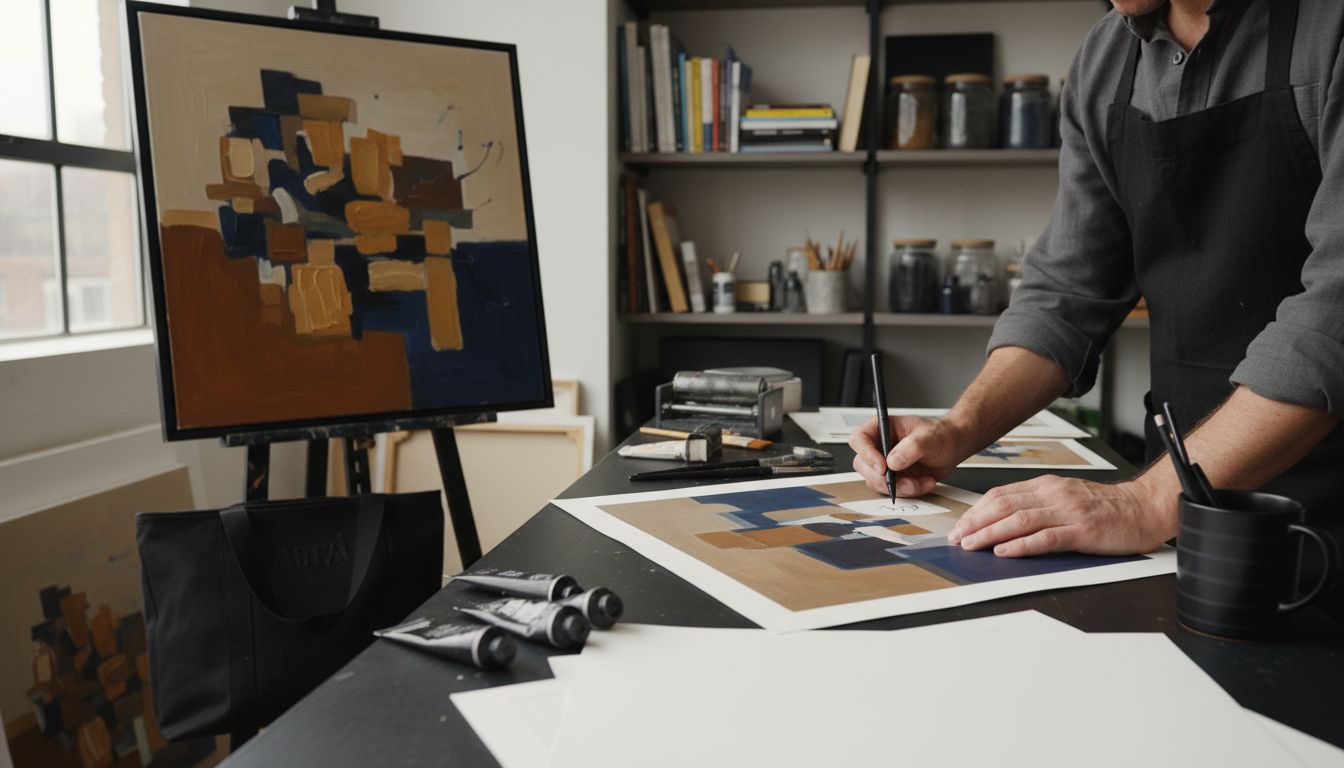
Benefits of Mixing Both in Home Decor
Blending original artworks and art prints offers a dynamic approach to interior design, creating visually rich and personalized spaces. According to wallpics, integrating framed art prints with functional decor elements can significantly enhance both the aesthetic appeal and practicality of a living space.
The strategic combination of original art and art prints allows homeowners to craft unique visual narratives that reflect personal style and artistic appreciation. Original pieces provide depth and authenticity, while prints offer versatility and accessibility. Check out our comprehensive guide on mixing art styles to explore creative ways of curating your art collection.
Key advantages of mixing original art and prints include:
- Cost-Effective Curation: Allows incorporation of high-end original pieces alongside more affordable prints
- Design Flexibility: Creates visual interest through varied textures and artistic styles
- Personal Expression: Enables showcasing diverse artistic preferences and collection growth
- Space Optimization: Provides options for filling different wall sizes and room configurations
By thoughtfully combining original artworks and prints, interior designers and art enthusiasts can create layered, meaningful spaces that tell a compelling visual story. This approach transforms walls from mere background elements into dynamic canvases of personal expression and artistic exploration.
Cost, Value, and Accessibility Comparison
Navigating the art market requires understanding the intricate balance between cost, value, and accessibility for both original artworks and art prints. Original artworks represent a significant investment, typically commanding premium prices due to their unique nature and direct connection to the artist’s creative process. In contrast, art prints offer a more budget-friendly approach to art collection.
The financial landscape of art acquisition reveals several key distinctions. Original artworks can range from hundreds to millions of dollars, depending on the artist’s reputation, medium, and historical significance. Art prints provide a more accessible entry point for art enthusiasts, offering insights into diverse artistic styles at a fraction of the cost of original pieces. This price variation allows collectors to curate meaningful collections without breaking the bank.
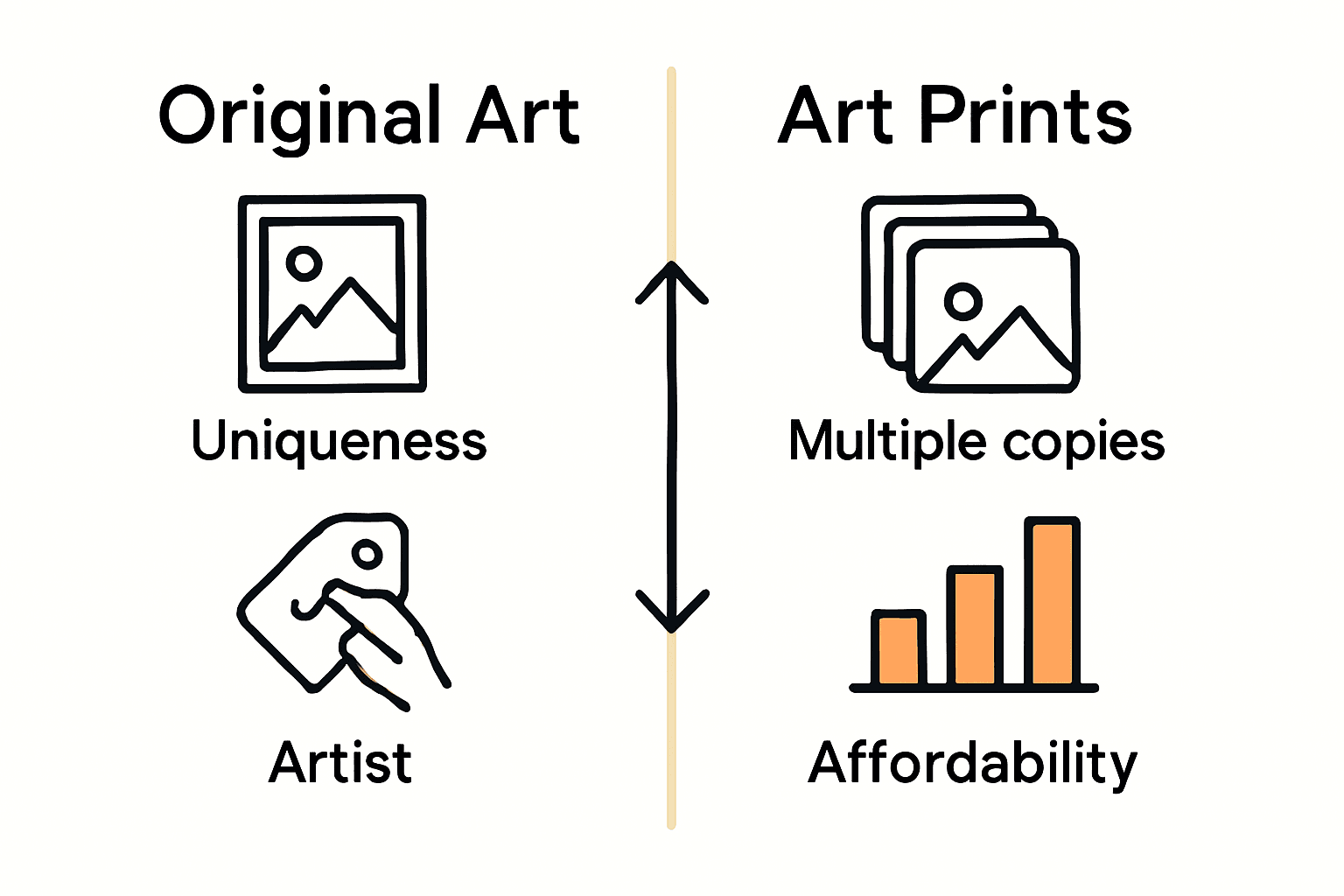
Key considerations in the cost and value comparison include:
- Price Range: Original artworks typically cost 10-1000 times more than prints
- Investment Potential: Original pieces often appreciate in value more significantly
- Collecting Accessibility: Prints enable broader art ownership
- Authenticity: Original works carry unique artistic provenance
Ultimately, the choice between original art and prints depends on individual financial capabilities, aesthetic preferences, and collecting goals. The beauty of modern art collecting lies in the ability to blend both original pieces and prints, creating a rich, personal art experience that balances artistic value with financial practicality.
How to Curate Mixed Art Collections Effectively
Curating a cohesive art collection that blends original artworks and prints requires strategic planning and a discerning eye. According to wallpics, integrating framed art prints with functional decor elements can significantly enhance both the aesthetic appeal and practicality of a living space.
The key to successful art curation lies in understanding visual harmony and creating intentional relationships between different pieces. This means considering factors like color palette, artistic style, frame selection, and spatial arrangement. For art enthusiasts looking to develop their collecting skills, explore our comprehensive art collecting guide to gain deeper insights into building a meaningful collection.
Effective strategies for curating mixed art collections include:
- Color Coordination: Select pieces with complementary or intentionally contrasting color schemes
- Scale and Proportion: Balance original artworks with prints of varying sizes
- Thematic Connections: Create visual narratives through related artistic themes or subjects
- Framing Consistency: Use similar frame styles to unify diverse art pieces
- Spatial Distribution: Arrange art to create visual flow and balance throughout your space
Successful art curation is an evolving process that reflects personal taste, artistic appreciation, and creative vision. By thoughtfully combining original artworks and prints, collectors can create dynamic, meaningful displays that tell a unique visual story and transform living spaces into personal galleries.
Elevate Your Space by Mixing Original Art and Prints
Curating a home that truly reflects your personality means understanding how to blend original handart with art prints thoughtfully. Whether you face the challenge of balancing uniqueness and budget or want to create a vibrant gallery wall with varied textures and styles, we have solutions to help you build an inspiring collection. This guide highlights the importance of mixing originals with prints to achieve a harmonious and dynamic visual story.
Discover our carefully crafted collection of Canvas Art Prints by Eman Khalifa | Premium Giclée Wall Art designed to complement original paintings and drawings.
Start your art journey today at Eman’s Gallery where you can find everything from exclusive original artworks to versatile Wall Art Prints | Canvas & Framed Art Prints by Eman Khalifa. Create a personalized art space filled with pieces you love. Explore now and bring your walls to life with meaningful, accessible art collections.
Frequently Asked Questions
What is the difference between original art and art prints?
Original art is a unique, handcrafted work created directly by an artist, whereas art prints are reproductions made using various printing techniques, allowing for multiple copies of the same artwork.
Why should I mix original art and prints in my home decor?
Mixing original art and prints provides a cost-effective way to curate diverse and visually engaging spaces, enhancing both aesthetic appeal and personal expression while allowing for greater flexibility in design.
How can I effectively curate a collection that includes both original art and prints?
To create a cohesive collection, consider color coordination, scale and proportion of pieces, thematic connections, framing consistency, and spatial distribution to ensure visual harmony throughout your space.
What factors influence the cost and value of original art versus prints?
Original artworks typically command higher prices due to their uniqueness and the artist’s direct involvement. Prints offer a more accessible entry point with lower costs, allowing collectors to build diverse collections without significant financial investment.
Recommended
- What Is an Art Print? Complete Guide for 2025 – Eman’s Gallery
- Why Artists Make Prints: Complete Expert Guide – Eman’s Gallery
- Complete Guide to Valuing Art Prints – Eman’s Gallery
- What Makes Art Original: Complete Guide for 2025 – Eman’s Gallery
Stay Connected
-
✨ Explore Eman Khalifa’s original art, fine art prints & art merchandise
-
📸 Follow Eman Khalifa’s art journey on: Instagram @emans_gallery and Facebook Eman’s Gallery
-
📹 Watch Eman Khalifa creating live art on: YouTube @emans_gallery
-
Supported by BabyLoveGrowth
