


What Is Custom Artwork and Why It Matters
Most American art collectors are surprised to learn that nearly half of custom artwork commissions today fall within affordable price ranges. The belief that personalized art is reserved for the wealthy is fading, replaced by a growing appreciation for unique, expressive pieces that match any budget. Exploring custom artwork reveals opportunities for individual expression, collaboration between artists and clients, and a chance to add authentic meaning to personal or professional spaces.
Table of Contents
- Defining Custom Artwork And Common Misconceptions
- Major Types And Techniques Of Custom Art
- How The Commissioning Process Works
- Customization Options For Collectors And Designers
- Pricing, Copyright, And Ownership Issues
- Common Challenges When Ordering Custom Art
Key Takeaways
| Point | Details |
|---|---|
| Custom Artwork is Personalized | It involves a unique design process where artists collaborate with clients to create original pieces that reflect individual visions. |
| Misconceptions About Cost | Many believe custom artwork is only for the wealthy, but it is accessible across various budgets due to democratized contemporary art practices. |
| Commissioning Process is Collaborative | Clients and artists engage in detailed discussions to ensure that the final artwork fulfills emotional and aesthetic requirements. |
| Legal Considerations Matter | Pricing and copyright issues are complex, requiring clear agreements on ownership rights and reproduction permissions to protect both parties. |
Defining Custom Artwork and Common Misconceptions
Custom artwork represents a personalized artistic creation crafted specifically for an individual or organization, transcending traditional mass-produced visual expressions. Unlike standard reproductions, custom artwork involves a unique design process where artists collaborate directly with clients to transform their specific vision, emotions, or conceptual requirements into an original piece.
Most people mistakenly believe that custom artwork is exclusively expensive or limited to wealthy collectors. However, contemporary art practices have democratized this creative process, making personalized artistic expressions accessible across various budgets and aesthetic preferences. Artists today understand that customization isn’t about monetary value but about creating meaningful connections between the artwork and its intended environment.
Common misconceptions about custom artwork often stem from misunderstandings about creativity and artistic process. As research suggests, creativity extends far beyond traditional artistic expression, encompassing innovative problem-solving and unique interpretational skills. Contemporary art practices challenge conventional assumptions by demonstrating that custom artwork can emerge from collaborative dialogues, personal narratives, and individual experiences rather than purely technical skill.
At its core, custom artwork represents a profound communication method where visual language translates personal stories, emotions, and aspirations into tangible, aesthetic experiences. Whether commissioned for private collections, corporate spaces, or personal environments, these personalized artworks serve as powerful mediums of individual and collective expression.
Major Types and Techniques of Custom Art
Custom art encompasses a diverse range of creative techniques, each offering unique ways to transform personal visions into tangible artistic expressions. Painting techniques remain the cornerstone of custom artwork, with methods ranging from traditional oil and acrylic approaches to more experimental mixed media applications that blend multiple artistic mediums.
Contemporary artists have expanded custom art techniques beyond traditional canvas work, exploring innovative artistic methods that incorporate diverse materials and conceptual approaches. Woodblock printing, an ancient technique originating in East Asia, represents one fascinating example of how traditional art methods can be reimagined for contemporary custom artwork. Modern artists now combine historical printing techniques with digital technologies, creating hybrid art forms that challenge conventional artistic boundaries.
The spectrum of custom art techniques is remarkably broad, including but not limited to:
- Digital illustration and graphic design
- Hand-painted portraits and commissioned paintings
- Mixed media collage and assemblage
- Textile and fabric-based artistic expressions
- Sculptural and three-dimensional custom art pieces
- Photography and digital manipulation techniques
Understanding these diverse techniques allows artists and clients to collaborate more effectively, transforming abstract concepts into personalized visual narratives that resonate with individual aesthetic preferences and emotional landscapes. Custom art techniques are not merely about technical skill but about creating meaningful connections between artistic vision and personal expression.
How the Commissioning Process Works
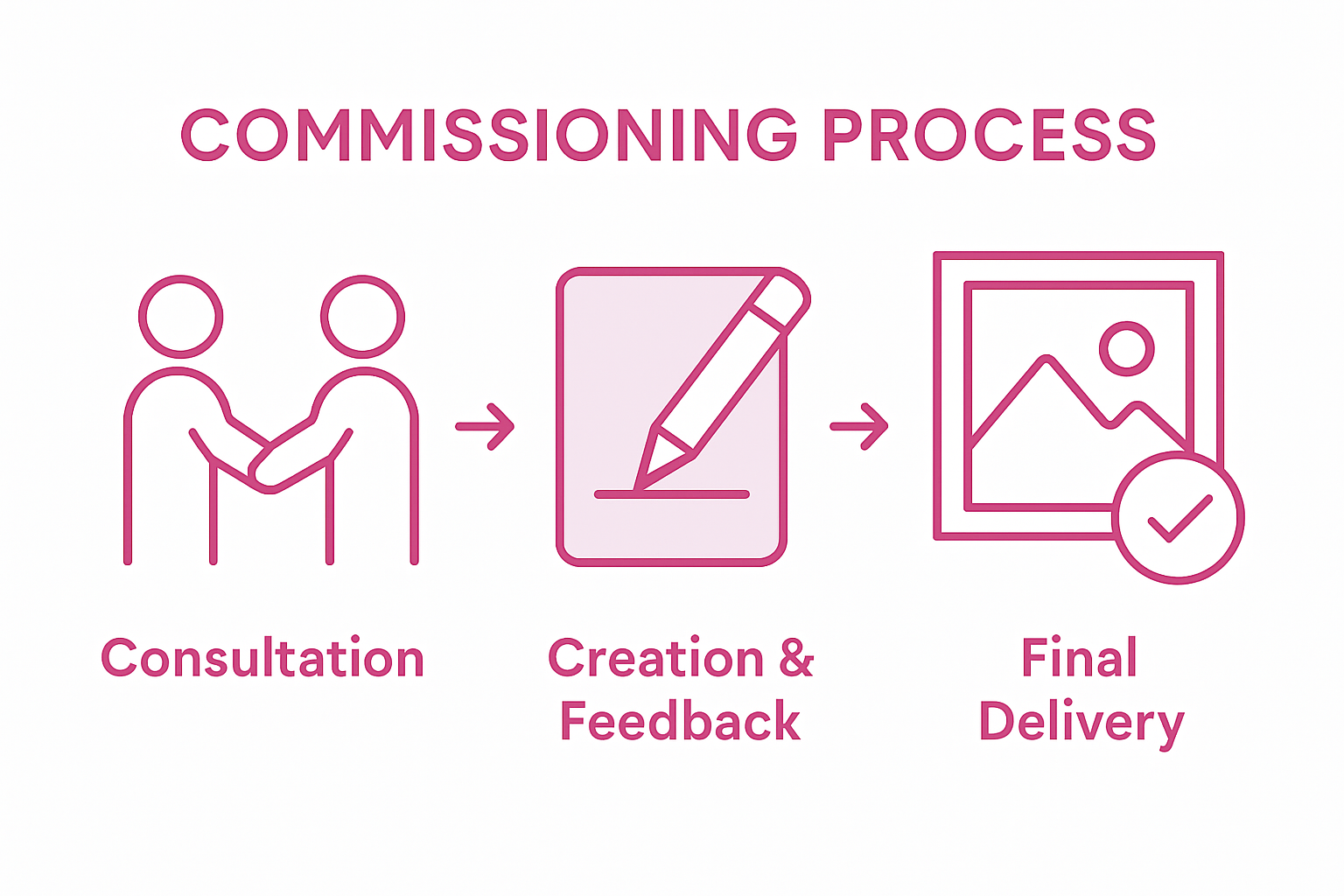
The custom artwork commissioning process is a collaborative journey that transforms abstract ideas into tangible artistic expressions. Initial consultation serves as the critical first step, where clients and artists engage in detailed discussions about vision, aesthetic preferences, emotional context, and specific requirements for the proposed artwork.

Collaborative design techniques play a pivotal role in developing the artwork’s conceptual framework. During this phase, artists typically create preliminary sketches, color studies, and digital mockups that allow clients to visualize the potential final piece and provide feedback. These iterative consultations ensure that the artwork will not only meet technical specifications but also capture the nuanced emotional landscape intended by the client.
The commissioning process typically follows a structured sequence:
- Initial concept discussion and requirement gathering
- Preliminary design exploration
- Client feedback and design refinement
- Material and technique selection
- Artwork creation
- Final review and delivery
Visual art collaborations demonstrate that successful commissions are rooted in transparent communication, mutual understanding, and a shared commitment to artistic excellence. Clients are encouraged to provide context, inspiration sources, and specific parameters, while artists bring their technical expertise and creative interpretation to transform these inputs into a unique, personalized artwork that resonates with the client’s vision.
Customization Options for Collectors and Designers
Custom artwork offers an expansive range of personalization possibilities that cater to diverse aesthetic preferences and design requirements. Artistic customization extends far beyond simple color selection, encompassing comprehensive design modifications that transform artwork into truly unique visual experiences.
Mixed media techniques provide collectors and designers with extraordinary flexibility in creating personalized art pieces. These innovative approaches allow for seamless integration of multiple materials, textures, and artistic methods, enabling clients to craft artworks that precisely reflect their individual vision. From combining traditional painting techniques with digital elements to incorporating unconventional materials like fabric, metal, or found objects, mixed media customization breaks traditional artistic boundaries.
Collectors and designers can explore customization through various strategic approaches:
- Size and dimension modifications
- Color palette adaptations
- Texture and material variations
- Conceptual theme personalization
- Contextual design integration
- Algorithmic art generation for unique computational designs
The ultimate goal of customization is to create artwork that transcends mere visual representation, becoming a deeply personal expression that resonates with the collector’s emotional landscape and design aesthetic. By offering nuanced personalization options, artists empower clients to transform abstract concepts into tangible, meaningful artistic statements that reflect individual creativity and sophisticated design sensibilities.
Pricing, Copyright, and Ownership Issues
Custom artwork transactions involve complex legal and financial considerations that extend far beyond simple monetary exchanges. Pricing structures for commissioned artworks are typically influenced by multiple factors, including the artist’s reputation, complexity of the design, materials used, and the time investment required to create the piece.
Authenticity and institutional responsibility play critical roles in establishing the value and legal framework of custom artwork. Collectors must understand that purchasing a custom artwork involves navigating intricate copyright considerations, with artists typically retaining certain rights to their creative work even after the physical piece has been sold. Key ownership considerations include:
- Reproduction rights
- Digital usage permissions
- Original artwork attribution
- Limited edition status
- Commercial use restrictions
Classificatory disputes further complicate the ownership landscape, particularly when artworks challenge traditional aesthetic boundaries. Collectors should always obtain clear documentation specifying the exact rights transferred with the artwork, including any limitations on reproduction, display, or commercial exploitation. Transparent agreements protect both the artist’s creative legacy and the collector’s investment, ensuring a mutually beneficial and legally sound transaction that respects the intellectual and artistic integrity of the custom artwork.
Common Challenges When Ordering Custom Art
Ordering custom artwork involves navigating a complex landscape of creative expectations and practical considerations that can sometimes lead to misunderstandings between artists and clients. Communication gaps frequently emerge as the primary source of potential complications, making clear and detailed initial discussions critically important to successful custom art projects.
Creativity misconceptions play a significant role in generating challenges during the custom art commissioning process. Clients often struggle with understanding the nuanced nature of artistic interpretation, expecting exact replication of their mental image while artists aim to bring their unique creative perspective to the project. These fundamental differences can create tension and potential disappointment if not addressed proactively.
Common challenges in custom art ordering include:
- Misaligned artistic vision and client expectations
- Budget constraints versus artistic complexity
- Unclear communication about design specifics
- Unrealistic time frame expectations
- Technical limitations of specific artistic mediums
- Emotional investment in the creative process
Personalizing art prints requires patience, open communication, and a willingness to embrace the collaborative nature of custom artwork creation. Successful commissions emerge when both artists and clients approach the process with flexibility, mutual respect, and a shared commitment to creating something truly unique that transcends individual expectations.
Discover the Power of Custom Artwork for Your Unique Space
Struggling to find artwork that truly reflects your personal story or design vision Custom artwork offers a meaningful connection where your emotions and concepts come alive through original pieces tailored just for you. At Eman’s Gallery explore how custom artistic expressions can transform your environment and create deep emotional resonance by choosing from exclusive collections like original seascapes and contemporary originals that bring thoughtfully crafted themes to life.
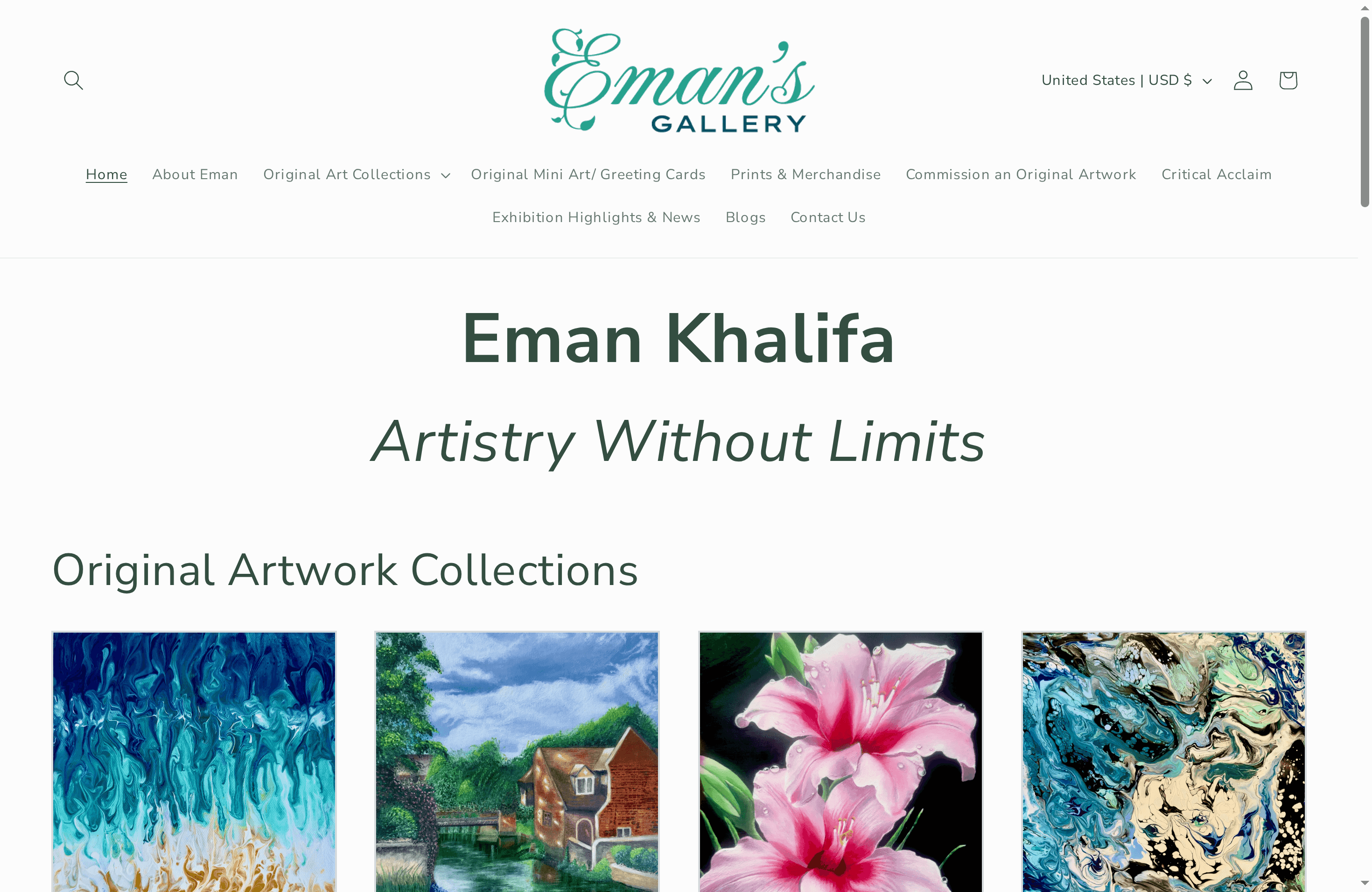
Why settle for mass-produced art when you can own a one-of-a-kind original handmade painting by Eman Khalifa shipped worldwide for your convenience Visit Eman's Gallery today to access museum-quality canvas prints, large-scale wall art, and art-printed merchandise. Start your journey toward a personalized artistic statement that speaks to your individuality and elevates your living or workspace now.
Frequently Asked Questions
What is custom artwork?
Custom artwork is a personalized artistic creation specifically designed for an individual or organization, involving a unique design process where artists collaborate with clients to realize their visions.
How can I collaborate with an artist for custom artwork?
The commissioning process generally starts with an initial consultation to discuss your vision, followed by collaborative design techniques where artists provide preliminary sketches and clients give feedback to refine the artwork.
What types of techniques are used in custom artwork?
Custom artwork can include a wide range of techniques such as painting, digital illustration, mixed media, and sculpture, allowing for diverse artistic expressions tailored to individual preferences.
What are the common challenges when ordering custom artwork?
Common challenges include misaligned artistic vision, unclear communication about design specifics, budget constraints, and unrealistic time expectations, which can lead to misunderstandings between artists and clients.
Commission or Buy Custom Art at Eman's Gallery
- Original Paintings — handmade, one-of-a-kind works available now
- Seascape Originals — expressive ocean-inspired works, ideal for commissions
- Mini Original Art — smaller originals, perfect as gifts or entry-level commissions
- Framed Archival Prints — museum-quality alternative to commissioned originals
Recommended
- Personalizing Art Prints: Step-by-Step Guide for Unique Decor – Eman’s Gallery
- Why Choose Original Art – Value, Meaning, and Impact – Eman’s Gallery
- Art for Collectors Guide: Expert Insights and Strategies – Eman’s Gallery
- What Makes Art Original: Complete Guide for 2025 – Eman’s Gallery
- Using Projector for Art: Creative Ideas and Tips 2025 - Projector Display
- Our Unique Customization Journey - Maker of Jacket
Stay Connected
- ✨ Explore Eman Khalifa’s original art and fine art prints
- 📸 Follow Eman Khalifa’s art journey on: Instagram @emans_gallery and Facebook Eman’s Gallery
- 📹 Watch Eman Khalifa creating live art on: YouTube @emans_gallerye
