


Personalizing Art Prints: Step-by-Step Guide for Unique Decor
Choosing the perfect art print is not as simple as picking something pretty. For many american home decorators, artwork selection is about creating a visual story that fits the space and captures personal style. Studies show that personalized art can boost emotional connection to your living environment. This guide will help you cut through the noise and discover the smartest ways to customize art prints so the end result feels personal, beautiful, and truly your own.
Table of Contents
- Step 1: Choose the Right Artwork for Customization
- Step 2: Select Personalized Design Elements and Materials
- Step 3: Submit Customization Requests and Preferences
- Step 4: Approve Digital Mockups and Finalize Details
- Step 5: Verify Quality and Prepare for Display or Gifting
Quick Summary
| Key Point | Explanation |
|---|---|
| 1. Choose artwork that complements your space | Evaluate your room’s colors and mood to select art that enhances or artfully contrasts with these elements. |
| 2. Personalize with thoughtful design elements | Modify colors, textures, or graphic details to create pieces that reflect your unique style without overwhelming the original artwork. |
| 3. Communicate clearly in customization requests | Provide a detailed description, including visual examples and technical specifications, to ensure accurate execution of your vision. |
| 4. Carefully review digital mockups | Examine all aspects of the mockup for accuracy and quality, and suggest adjustments to ensure it aligns with your creative goals. |
| 5. Perform a thorough quality check | Inspect the finished print for consistency and choose a suitable presentation or framing that complements the personalized qualities of the artwork. |
Step 1: Choose the Right Artwork for Customization
Selecting the perfect artwork for personalization requires understanding your aesthetic goals and how visual elements interact with your living space. Research in visual art interaction reveals that artwork selection is more than just choosing a pretty picture - it involves understanding complex visual communication and personal preference dynamics.
Start by analyzing your room’s existing color palette, furniture style, and overall mood. Consider artworks that complement or intentionally contrast with these elements. When evaluating potential prints, look for pieces with interesting textures, color variations, and compositions that can be meaningfully customized. Interactive art selection techniques demonstrate that personalization works best when you choose works with flexible design elements that can be subtly modified without losing their core artistic integrity.
One strategic approach is selecting artwork with neutral backgrounds or geometric patterns that offer multiple customization opportunities. Abstract and minimalist pieces often provide the most versatile canvas for personalization, allowing you to add unique touches without overwhelming the original artistic vision. Choose prints that speak to your personal style while maintaining enough visual neutrality to adapt to future decor changes.
As you move forward, remember that the right artwork will feel like an extension of your personal aesthetic - something that resonates emotionally and fits seamlessly into your living environment.
Step 2: Select Personalized Design Elements and Materials
Personalizing art prints requires a strategic approach to selecting design elements that transform standard artwork into a unique expression of your individual style. Visual selection catalogs now offer innovative ways to explore customization options that minimize design bias and maximize personal creativity.
Begin by examining the core design elements you can modify such as color overlays, texture additions, or strategic graphic enhancements. Virtual interactive techniques have revolutionized how individuals can manipulate design components, allowing you to experiment with positioning and styling before committing to a final version. Consider materials that complement your artwork while adding depth such as metallic finishes, textured papers, or transparent overlays that create interesting visual dimensions.
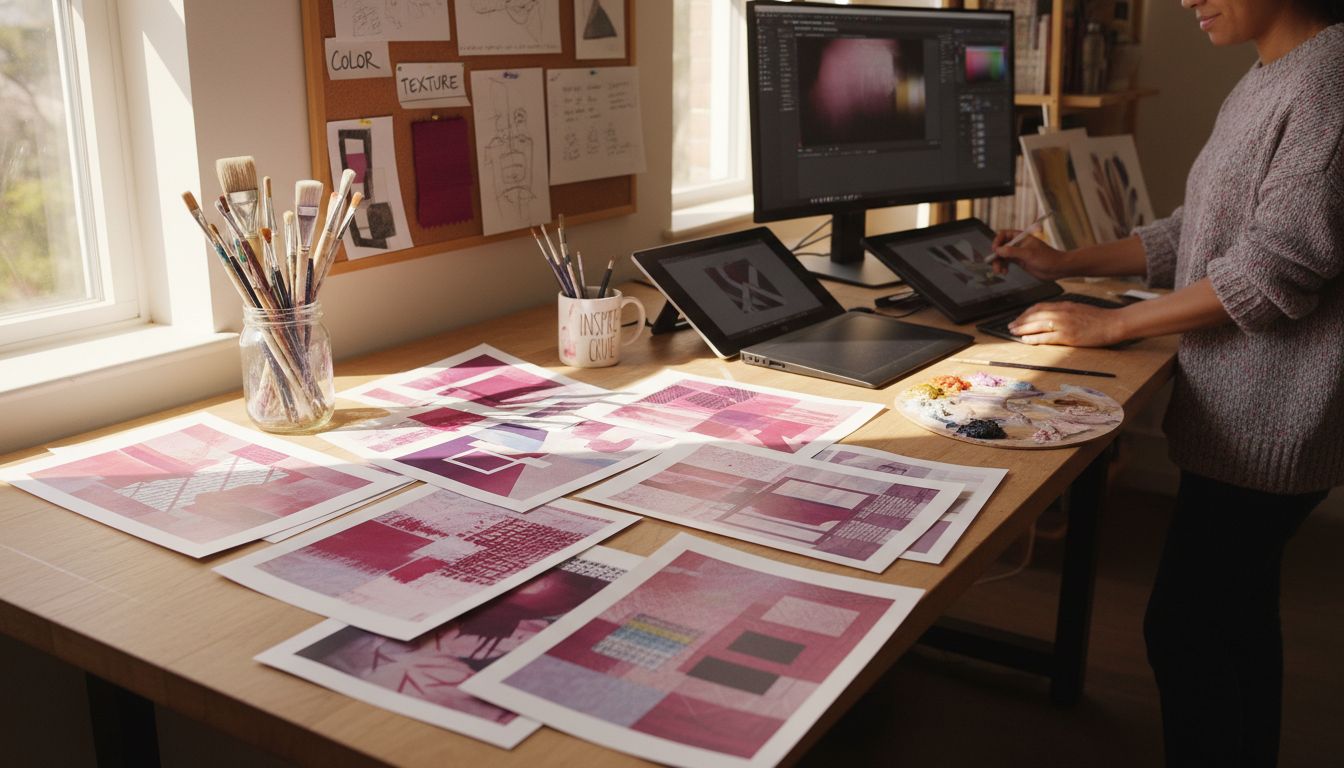
When selecting personalization techniques, focus on subtle modifications that enhance rather than overwhelm the original artwork. Techniques like selective color shifting, adding minimal graphic elements, or incorporating personal photographs can transform a standard print into a meaningful piece that reflects your unique aesthetic. Experiment with different approaches like transparent digital overlays, hand embellishments, or strategic color adjustments that maintain the artwork’s original integrity while making it distinctly yours.
As you explore customization options, remember that the most successful personalized art prints tell a story that resonates with your individual experience and style.
Step 3: Submit Customization Requests and Preferences
Transforming your selected artwork into a personalized masterpiece requires careful attention to technical details and precise communication of your design vision. Digital art file submission guidelines emphasize the critical importance of providing clear, high-resolution specifications to ensure your customization meets professional standards.
When submitting your customization request, prepare a comprehensive description that includes specific details about your desired modifications. Clearly articulate color preferences, texture requirements, and any graphic enhancements you want to incorporate. Include annotated images or digital mockups that visually demonstrate your intended design changes. This level of specificity helps artists and designers understand your creative vision and reproduce it accurately.
Pay special attention to technical requirements such as image resolution, color profiles, and file formats. Ensure that any personal images or graphics you want to integrate are high-quality and meet the minimum resolution standards. Communicate your design intentions concisely but comprehensively, providing context about the artwork’s intended placement and the overall aesthetic you are trying to achieve.
Remember that successful personalization is a collaborative process. Be open to professional recommendations and potential adjustments that can enhance your original design concept while maintaining the artwork’s fundamental artistic integrity.
Step 4: Approve Digital Mockups and Finalize Details
Reviewing digital mockups is a critical stage in transforming your personalized artwork from concept to reality. Professional portfolio curation techniques emphasize the importance of carefully evaluating digital representations to ensure they authentically capture your creative vision.
When reviewing the digital mockup, examine every detail meticulously. Pay close attention to color accuracy, graphic placement, and overall composition. Compare the mockup against your original design intentions and assess whether the modifications enhance or potentially detract from the artwork’s core aesthetic. Look for subtle nuances in texture, color gradation, and graphic integration that might not have been immediately apparent in your initial design concept.

Do not hesitate to request precise adjustments or refinements. A collaborative approach means communicating specific feedback that helps designers understand exactly what modifications will bring your vision to life. Consider viewing the mockup in different lighting conditions and spaces to ensure the personalized artwork will look stunning in various environments. This thorough review process guarantees that the final product will not just meet but exceed your creative expectations.
Remember that the goal is a personalized artwork that feels like an authentic extension of your individual style and aesthetic sensibilities.
Step 5: Verify Quality and Prepare for Display or Gifting
The final stage of personalizing art prints involves a meticulous quality assessment and thoughtful presentation strategy. Art print selection guidelines highlight the importance of carefully evaluating material quality, framing options, and spatial compatibility before finalizing your artwork.
Inspect the personalized print thoroughly under different lighting conditions. Check for color consistency, print sharpness, and material integrity. Evaluate how the artwork interacts with your intended display space by considering factors like wall color, room lighting, and existing decor elements. For gifting purposes, select appropriate packaging that protects the artwork while creating an elegant presentation that reflects the personalized nature of your creative selection.
Consider professional framing options that complement the artwork’s unique design. Choose frame materials and styles that enhance the personalized elements without overshadowing the original artistic vision. If the print is intended as a gift, include a brief description of the customization process or the meaningful story behind the artwork to add an extra layer of personal connection.
Your personalized art print represents more than just a visual piece it is a reflection of your creative journey and individual aesthetic sensibilities.
Bring Your Personalized Art Vision to Life with Eman’s Gallery
Struggling to find the perfect artwork that truly reflects your personal style and transforms your living space can feel overwhelming. The article’s detailed guide highlights common challenges like selecting adaptable artworks, mastering subtle customization techniques, and ensuring professional-quality results that resonate emotionally. At Eman’s Gallery, we understand that your art should be both unique and meaningful. Our collection of Canvas Art Prints by Eman Khalifa | Premium Giclée Wall Art offers a versatile range of original paintings that lend themselves beautifully to personalization, with premium materials that capture every detail.
Unlock endless creative possibilities today. Explore our exclusive canvas prints and designer merchandise to start personalizing your space or gifting artistic treasures that tell your story. Don’t wait to transform your walls with art that feels like an authentic extension of you. Visit Eman’s Gallery now and discover how effortless it is to make art your own.
Frequently Asked Questions
How do I choose the right artwork for personalization?
To choose the right artwork for personalization, analyze your room’s color palette, furniture style, and overall mood. Look for pieces that either complement or intentionally contrast these elements while considering artworks with neutral backgrounds or geometric patterns for flexible customization.
What design elements can I modify when personalizing art prints?
When personalizing art prints, you can modify design elements such as color overlays, texture additions, and graphic enhancements. Focus on subtle modifications that enhance the original artwork, like adding minimal graphics or personal photographs to create a piece that reflects your style.
What details should I include in my customization request for art prints?
Include specific details in your customization request such as color preferences, texture requirements, and graphic enhancements. Providing annotated images or digital mockups illustrating your intended design changes can help artists better understand your vision and meet your standards.
How should I review digital mockups of my personalized artwork?
Carefully examine digital mockups for details like color accuracy and graphic placement. Compare the mockup to your original design intentions, and be specific when requesting adjustments to ensure your final piece feels authentic to your style.
How can I verify the quality of my personalized art print before displaying it?
To verify the quality of your personalized art print, inspect it under different lighting conditions for color consistency and print sharpness. Assess how the artwork interacts with your display space and consider professional framing options that complement its unique design.
What’s the best way to prepare my personalized art print for gifting?
When preparing your personalized art print for gifting, ensure it is properly packaged to prevent damage and create an elegant presentation. Including a brief description of the customization process or the meaningful story behind the artwork can enhance the personal connection for the recipient.
Recommended
- Complete Guide to Decorating With Art Prints – Eman’s Gallery
- 7 Expert Tips for Choosing the Best Art Prints for Home – Eman’s Gallery
- 7 Essential Types of Art Prints for Every Decor Style – Eman’s Gallery
- Complete Guide to Why Buy Art Prints – Eman’s Gallery
Stay Connected
- ✨ Explore Eman Khalifa’s original art and fine art prints
- 📸 Follow Eman Khalifa’s art journey on: Instagram @emans_gallery and Facebook Eman’s Gallery
- 📹 Watch Eman Khalifa creating live art on: YouTube @emans_gallery
