


Top art styles for home decor: luxury spaces guide
TL;DR:
- Art choices should align with a room’s existing style, lighting, and mood to create harmony.
- Contemporary styles like abstract, minimalist, geometric, and realism suit different interior functions and atmospheres.
- Treating art as a structural design element rather than an afterthought elevates home luxury and emotional impact.
Choosing art for a modern home is rarely straightforward. Many homeowners select pieces that fill empty walls without considering how a specific style shapes the entire atmosphere of a room. Art is not just decoration. It defines the character of a space, sets the emotional tone, and signals intentional design thinking. Whether you are working with a minimalist interior or a bold, layered luxury setting, choosing best art prints that align with your vision is the difference between a room that looks assembled and one that feels designed.
Table of Contents
- How to select the right art style for your home
- Top contemporary art styles for modern home decor
- Art style comparison: best fits for luxury living rooms, bedrooms, and more
- Situational recommendations: choosing the perfect art style for your space
- Why most homeowners underestimate the power of art styles
- Bring your luxury space to life with curated art
- Frequently asked questions
Key Takeaways
| Point | Details |
|---|---|
| Start with your space | Art style selection should always begin with your room’s colors, lighting, and purpose to ensure cohesion. |
| Contemporary leads in luxury | Abstract, minimal, and geometric art styles dominate luxury interiors and can transform a room’s atmosphere. |
| Comparison boosts clarity | A side-by-side look at art styles by room helps you make more confident, impactful choices. |
| Personal expression matters | Intentional art selection allows you to showcase personality while enhancing your home’s design. |
How to select the right art style for your home
Selecting the right art style starts with a clear assessment of what your room already communicates. Color schemes, scale, lighting conditions, and existing design elements each play a role in determining which style will integrate naturally and which will clash. A large, dark abstract painting in a low-light room can feel oppressive. The same piece in a high-ceilinged space with warm natural light becomes a bold statement.
Here are the core criteria to evaluate before committing to a style:
- Color scheme: Identify the dominant and accent colors already present in the room
- Scale and proportion: Measure wall space and compare it against typical artwork dimensions for that style
- Lighting: Natural and artificial light both affect how colors and textures read on canvas
- Existing decor elements: Furniture style, material finishes, and architectural details all influence which art styles feel native to the space
- Room function: A home office calls for a different energy than a master bedroom or an open-plan living area
Selecting art that complements both personal taste and existing decor enhances room harmony. Personal expression matters, but it works best when it aligns with the physical conditions of a space.
Common mistakes include overcrowding walls with multiple competing styles, ignoring scale so artwork looks either lost or overwhelming, and selecting art without a clear focal point strategy. One strong piece anchors a room more effectively than five mediocre ones.
Pro Tip: Before purchasing, photograph your wall, then use a free app or photo editor to overlay different artwork sizes and styles. This removes guesswork and prevents costly errors.
For a broader walkthrough of styling decisions, the decorating with art prints guide offers practical frameworks for different room types and layouts.
Top contemporary art styles for modern home decor
Abstract, minimalist, geometric, and conceptual art styles are leading choices for modern luxury spaces. Each carries a distinct visual language and suits different interior design directions.
- Abstract: Characterized by non-representational forms, bold color fields, and expressive brushwork. Abstract art injects energy and personality into neutral interiors. It pairs well with contemporary furniture and open-plan layouts.
- Minimalism: Defined by restrained color palettes, clean lines, and intentional negative space. Minimalist art communicates sophistication without noise. It excels in bedrooms and studies.
- Geometric: Uses precise shapes, structured patterns, and repeating forms. Geometric art bridges the gap between fine art and graphic design. It works strongly in modern and Scandinavian-influenced interiors.
- Realism: Depicts subjects with photographic accuracy, from portraits to landscapes. Realism adds warmth and narrative depth to a space, making it ideal for traditional luxury settings or transitional homes.
- Conceptual: Prioritizes ideas over aesthetics. Conceptual art sparks conversation and works well in spaces designed for social interaction, such as open living areas or curated entryways.
“Statement art in luxury interiors is not an accent. It is an architectural element that sets the entire design language of a home.” This perspective aligns with how high-end designers approach art selection: as structure, not as afterthought.
The mood each style creates is as important as its visual appearance. Abstract art stimulates. Minimalism calms. Geometric art structures. Realism grounds. Conceptual art provokes. Matching mood to room function is what separates intentional curation from random selection.
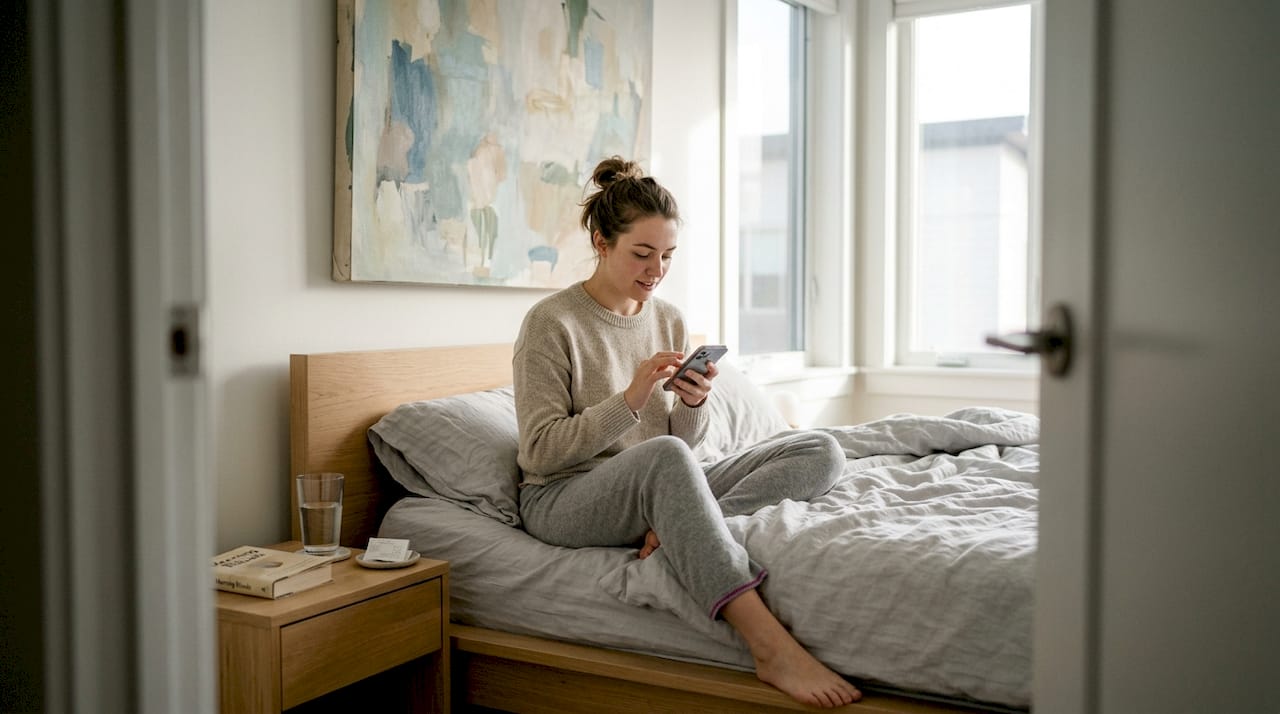
Pro Tip: If you are unsure which style fits your space, identify three words that describe the atmosphere you want the room to project. Then cross-reference those words with the mood profile of each style above.
For more context on how these styles interact with interior design decisions, art prints in luxury interiors provides detailed examples from real design contexts.
Art style comparison: best fits for luxury living rooms, bedrooms, and more
Matching the right style to the right room amplifies its visual power and anchors the design concept. The table below maps each style to common home spaces:
| Art style | Living room | Bedroom | Home office | Entryway | Dining room |
|---|---|---|---|---|---|
| Abstract | Excellent | Good | Good | Excellent | Good |
| Minimalism | Good | Excellent | Excellent | Good | Fair |
| Geometric | Excellent | Good | Excellent | Good | Good |
| Realism | Good | Good | Fair | Excellent | Excellent |
| Conceptual | Excellent | Fair | Good | Excellent | Good |
Here is why certain styles perform better in specific rooms:
- Abstract in living rooms: The energy and color range of abstract art sustain visual interest in social spaces where people gather and converse
- Minimalism in bedrooms: Clean compositions and muted palettes support rest and mental clarity
- Geometric in offices: Structured patterns reinforce focus and a sense of order
- Realism in entryways: Figurative or landscape pieces create immediate visual narrative and a welcoming atmosphere
- Conceptual in dining rooms: Thought-provoking pieces sustain engagement during longer social occasions
For guidance on how to physically arrange and display art prints in modern settings, practical layout methods are available to help you avoid common placement errors.
Quick comparison: pros and cons in a luxury context
| Art style | Pros | Cons |
|---|---|---|
| Abstract | High visual impact, versatile | Can overwhelm small spaces |
| Minimalism | Timeless, serene | May feel sparse without context |
| Geometric | Modern, structured | Less warmth than organic styles |
| Realism | Narrative depth, accessible | Less suited for ultra-modern interiors |
| Conceptual | Conversation-starting, unique | Requires viewer engagement to work |
Situational recommendations: choosing the perfect art style for your space
Customizing art choices by room and mood can elevate both function and aesthetics for modern homeowners. Use this step-by-step process to guide your selection:
- Identify room function: Is this a space for rest, work, entertainment, or transition? Function determines the emotional register the art should support.
- Evaluate light and scale: Measure wall dimensions. Assess natural light direction and intensity. Dark walls absorb light and may require lighter compositions to avoid visual heaviness.
- Test color alignment: Pull the two or three dominant colors in the room and identify art styles that naturally incorporate or complement them.
- Define your decor objective: Do you want the art to feel bold, subtle, serene, or energizing? This narrows style options immediately.
- Select a focal point strategy: One large piece or a curated series? Single statements are simpler to execute; series require consistent framing and spacing.
Here are three practical scenarios:
- Entryway statement piece: A large-scale abstract or conceptual work placed directly opposite the entrance creates immediate impact. Use a single piece with strong vertical lines to draw the eye upward.
- Hallway cohesion: A series of three to five geometric or minimalist prints in matching frames creates rhythm without visual clutter.
- Bedroom calm: A single realist landscape or a soft minimalist composition above the headboard supports rest and visual focus.
| Decor objective | Recommended style | Ideal room |
|---|---|---|
| Bold and energizing | Abstract | Living room, entryway |
| Calm and restful | Minimalism | Bedroom, study |
| Structured and modern | Geometric | Office, dining room |
| Warm and narrative | Realism | Entryway, dining room |
| Thought-provoking | Conceptual | Living room, gallery wall |
The value of art at home extends well beyond aesthetics. Art influences how residents and guests feel in a space, making intentional selection a design decision with real emotional impact.
Why most homeowners underestimate the power of art styles
Most homeowners approach art selection after all other design decisions are finalized. The furniture is placed, the paint is dry, and the art is chosen to fill whatever space remains. This is the most common and most costly mistake in interior design.
Art selected to fill space has no authority in a room. It sits. It does not shape. High-end designers work in the opposite direction. They often identify a key artwork first and build the room around it, selecting upholstery colors, material finishes, and lighting to support the piece.
Transforming modern spaces with art requires treating it as a structural decision, not a finishing touch. Consider a neutral, beige living room with standard furniture. Introduce one large abstract canvas in deep blue, terracotta, and gold, and the room gains an identity it did not previously possess. The same furniture, the same walls. Entirely different character.
Bold styles like abstract and conceptual work precisely because they are unambiguous. Minimal styles achieve signature character through restraint. Both approaches reflect intentional curation. Neither happens by accident. The homeowners who get this right are those who treat art style selection with the same seriousness as selecting a sofa or a floor finish.
Bring your luxury space to life with curated art
Understanding which art style suits your home is one thing. Finding original works that deliver that vision is another.
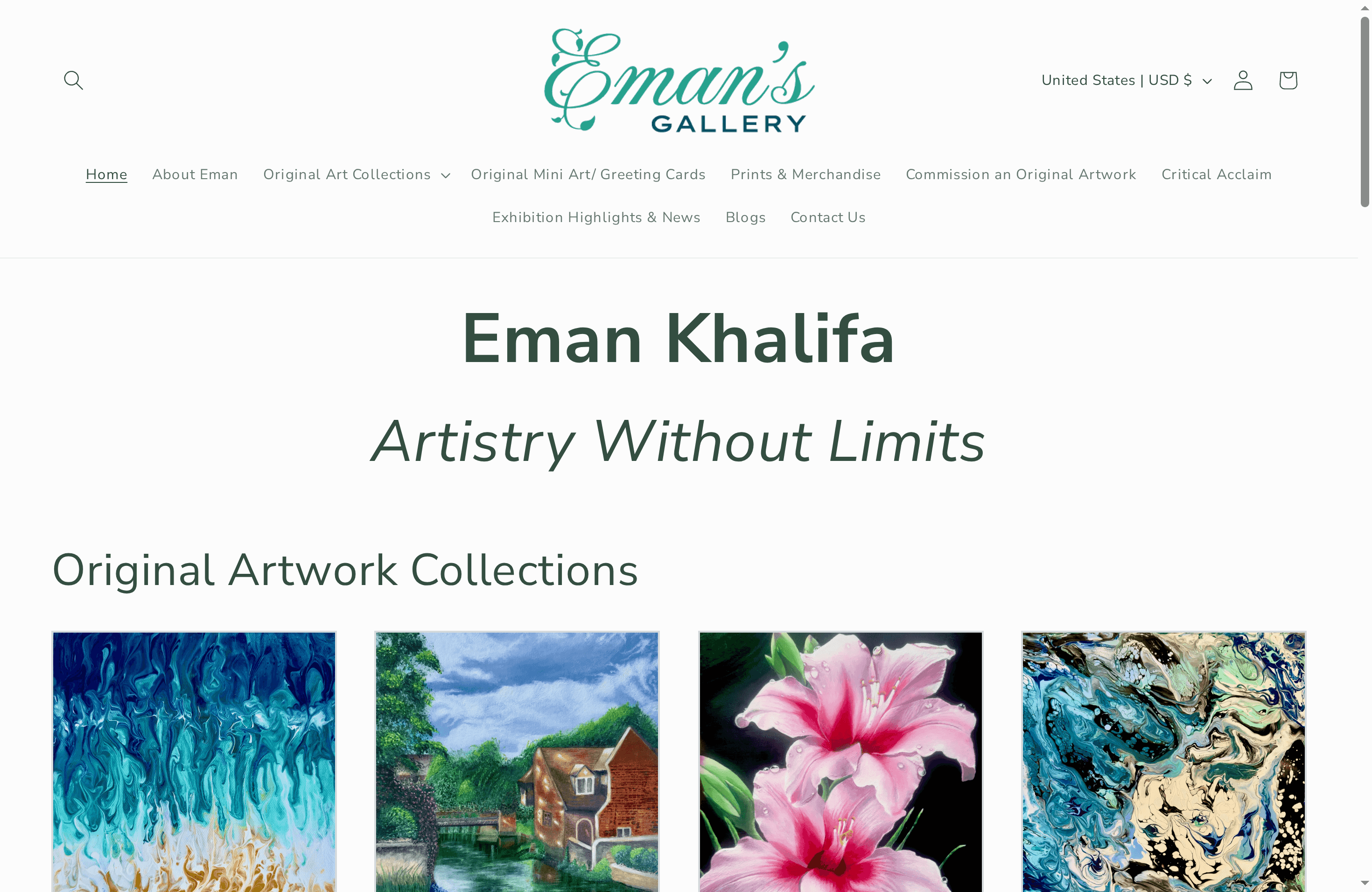
Eman’s Gallery offers original handmade paintings and museum-quality canvas prints across the contemporary styles covered in this guide, including abstract, geometric, floral, and landscape works by artist Eman Khalifa. For a textured, original abstract piece, Good Tidings original delivers rich color and expressive form. For something quieter and more moody, the Nocturned original painting is a strong option for bedroom or study spaces. Browse the full wall art prints collection to find statement pieces that match your specific style direction and room requirements. Worldwide shipping available.
Frequently asked questions
What is the best art style for a modern living room?
Abstract and geometric styles are often the best fit for modern living rooms, providing color and visual intrigue without overpowering the space.
How do I pick an art style that matches my home’s color scheme?
Choose an art style with dominant colors that echo or subtly contrast your interiors. Art that complements both personal taste and existing decor produces the most harmonious result.
Does the size of the artwork matter for luxury spaces?
Yes. Large-scale pieces act as focal points and elevate the overall sophistication of a room. Matching scale to room amplifies visual power and anchors the design concept.
Can I mix art styles in my home decor?
Mixing styles is possible when you maintain cohesion through color, theme, or mood. Customizing by room and mood produces a curated rather than cluttered effect.
Are prints or originals better for home decor?
Both have clear merit. Decorating with art prints is a flexible, affordable solution, while original works create unique impact and carry long-term investment value.
Shop by Art Style
Find the style that suits your space from Eman's Gallery:
- Abstract Art — bold, expressive works for living rooms and entryways
- Geometric Abstraction — structured, modern pieces for offices and dining rooms
- Expressionist Art — raw, emotional works that command attention
- Landscapes — calm, narrative pieces ideal for bedrooms and entryways
Recommended
- Art Styles Explained: Shaping Luxury Interiors - Eman’s Gallery
- Why Decorate With Art: Transforming Modern Luxury Spaces
- Curating Home Gallery Guide for Luxury Interiors
- Art Collection Basics: Elevating Luxury Home Interiors - Eman’s Gallery
- Top luxury property types in Spain: 7 options to know – Inmobiliaria Costa Cambrils
Stay Connected
- ✨ Explore Eman Khalifa’s original art and fine art prints
- 📸 Follow Eman Khalifa’s art journey on: Instagram @emans_gallery and Facebook Eman’s Gallery
- 📹 Watch Eman Khalifa creating live art on: YouTube @emans_gallery
