


7 Essential Tips for Exploring Different Art Mediums
Choosing artwork for a sophisticated interior space or curated collection can feel overwhelming when you face countless styles, materials, and creative approaches. Without a clear understanding of art mediums and techniques, it’s easy to miss pieces that could transform your design or investing strategy. The right knowledge makes all the difference between a generic space and one that feels truly personalized and impactful.
This guide gives you actionable insights drawn from centuries of artistic tradition and fresh contemporary practices. You’ll uncover how to navigate popular art mediums, master technical details, and make confident buying decisions that suit your taste and practical needs. Get ready to discover what sets each medium and technique apart, and learn how your choices can create powerful visual statements in any environment.
Table of Contents
- Understand The Basics Of Popular Art Mediums
- Explore Techniques For Acrylic Painting
- Incorporate Mixed Media Into Your Designs
- Master Large-Scale Canvas Art For Impact
- Select The Perfect Medium For Your Space
- Experiment With Textile And Print Art
- Curate Art Mediums For Unique Interior Styling
Quick Overview
| Key Insight | Explanation |
|---|---|
| 1. Understand Art Mediums | Different mediums like oil, acrylic, and mixed media have unique characteristics that affect artwork selection and maintenance. |
| 2. Prioritize Acrylic Techniques | Mastering techniques such as glazing and impasto enhances the visual impact of acrylic paintings in your space. |
| 3. Embrace Mixed Media Diversity | Mixed media art combines various materials, creating unique texture and depth that can enhance interior design narratives. |
| 4. Focus on Large-Scale Impact | Large-scale canvas art serves as a powerful focal point, shaping the overall aesthetic of a room. |
| 5. Curate Thoughtfully for Cohesion | Selecting art mediums that work harmoniously creates a collected look that reflects personal aesthetic and enhances space. |
1. Understand the Basics of Popular Art Mediums
An art medium refers to the materials and methods artists use to create their work. Before you start exploring different art forms, understanding what mediums are available will help you make informed decisions about which direction to take your collecting or interior design choices. Whether you’re drawn to traditional oil paintings, contemporary digital art, or museum-quality canvas prints, each medium has distinct characteristics, techniques, and visual qualities that affect how artwork appears in your space.
The range of art mediums available spans centuries of artistic tradition and modern innovation. Traditional mediums include egg tempera, fresco paint, and oil paint, all of which have shaped fine art history. Modern categories encompass drawing materials, painting techniques, sculpture, printmaking, and digital formats. For collectors and interior designers working with high-end residential or commercial spaces, this diversity means you can source artwork that perfectly matches your aesthetic vision and functional requirements. A landscape painting executed in oils creates warmth through color depth and texture, while a geometric abstract piece produced as a museum-quality canvas print offers clean lines and vibrant reproduction quality. Digital mediums provide endless possibilities for contemporary collectors seeking bold, innovative pieces that reflect current artistic movements.
What makes mediums important to your purchasing decisions is their practical impact on durability, aesthetic appeal, and maintenance. An oil painting demands different care than a fine art print, and both differ significantly from sculptural installations. Understanding these distinctions helps you select artwork that not only matches your design scheme but also fits your lifestyle and preservation preferences. When exploring pieces from Eman’s Gallery, recognizing whether you’re viewing an original handmade painting, a museum-quality canvas print, or a digital original empowers you to understand what you’re acquiring and how it will perform in your interior space over time.
Pro tip: Start by visiting galleries or museum collections to experience different mediums in person, then research which mediums align with your design aesthetic and maintenance capacity before making your first significant art purchase.
2. Explore Techniques for Acrylic Painting
Acrylic painting stands out as one of the most versatile mediums available to both emerging and established artists. What makes acrylics particularly appealing for collectors and interior designers is their fast drying time, vibrant color retention, and ability to mimic the effects of oils or watercolors. Unlike oil paintings that require extended curing periods, acrylic works dry quickly, allowing artists to layer multiple applications in a single session. This characteristic makes acrylic an ideal choice for contemporary art collectors seeking modern pieces that showcase dynamic techniques and bold visual impact.
Mastering acrylic painting techniques opens countless creative possibilities for the work you select. Key methods include glazing, which involves applying transparent layers to build depth and luminosity, impasto, where thick paint application creates texture and dimension, and pouring, which produces fluid, organic effects ideal for abstract pieces. Layering is fundamental to acrylic work, allowing artists to build complexity without waiting days between applications. Blending techniques enable smooth color transitions, while masking methods help create sharp edges and defined shapes. These varied approaches mean that when you explore acrylic works in galleries or from online artists, you’re viewing pieces with distinctly different visual qualities depending on which techniques the artist employed.
For your interior design projects, understanding these techniques helps you identify pieces that will deliver the visual impact you want. An acrylic painting using thick impasto creates bold, sculptural presence on a wall, catching light in dramatic ways. A delicately glazed acrylic abstract offers subtle color shifts and sophisticated depth. The medium’s quick drying time also makes acrylic pieces more stable for transport and installation compared to oils, a practical consideration when sourcing artwork for luxury commercial spaces or demanding residential environments. Water-based acrylics are also environmentally conscious choices for collectors prioritizing sustainable art acquisition.
Pro tip: Request information about the specific acrylic techniques used in pieces you’re considering, as this directly impacts how the artwork will interact with your space’s lighting and architectural elements.
3. Incorporate Mixed Media Into Your Designs
Mixed media art combines various materials and techniques in a single artwork, creating pieces with remarkable depth, texture, and visual complexity. This approach breaks away from traditional single-medium constraints, allowing artists to layer paint, fabric, found objects, and other materials to tell richer stories. For contemporary art collectors and luxury interior designers, mixed media pieces offer something truly distinctive. A work that integrates acrylic paint with embedded textiles or collage elements creates tactile interest that draws viewers in, transforming a wall into a dynamic conversation piece rather than a passive background element.
Understanding mixed media art fundamentals helps you appreciate the creative possibilities and technical sophistication involved. Artists use layering techniques to build complexity, combining materials like paint, ink, paper, fabric, and found objects into cohesive compositions. This freedom of combination means no two mixed media pieces are identical, even when created by the same artist using similar approaches. The textural richness created through these combinations catches light differently throughout the day, making the artwork continuously evolving in your space. When selecting mixed media pieces for residential or commercial environments, you gain artwork that commands attention and encourages prolonged engagement from viewers who notice new details with each observation.
For your design projects, mixed media opens practical advantages beyond aesthetics. These pieces often make bold design statements, allowing you to anchor a room’s visual identity around a single artwork rather than layering multiple conventional paintings. The incorporation of varied materials creates natural focal points in minimalist spaces or adds sophisticated complexity to traditionally decorated interiors. Whether an artist has combined textiles with paint, integrated collage elements, or embedded three-dimensional components, mixed media works become investment pieces that justify premium placement and dedicated wall space. The sustainability angle appeals to conscious collectors too, as many artists source reclaimed or repurposed materials, adding narrative value to acquisitions. This combination of artistic innovation, visual impact, and conceptual depth makes mixed media an intelligent choice for discerning collectors seeking artwork that transcends conventional boundaries.
Pro tip: Consider the tactile elements of mixed media pieces during selection, and ensure adequate lighting in your space to showcase the depth, shadows, and textural details that make these works genuinely distinctive.
4. Master Large-Scale Canvas Art for Impact
Large-scale canvas art commands attention in ways smaller works simply cannot achieve. When you hang a substantial canvas in your space, you’re not just displaying artwork; you’re making a architectural statement that defines the entire room’s aesthetic presence. For luxury interior designers and high-end residential collectors, understanding how to select and position large-scale pieces transforms ordinary spaces into gallery-quality environments. The scale alone creates psychological impact, drawing viewers into the work and establishing it as the unmistakable focal point of your design scheme.
Mastering large-scale canvas art requires understanding how materials and techniques translate across substantial surfaces. Canvas preparation becomes crucial at larger scales, as any imperfections multiply visually. Paint application techniques shift when working with expanded surface areas, requiring artists to consider how brushwork, texture, and composition will read from varying distances. The interplay between color saturation, layering depth, and surface quality becomes more pronounced on oversized canvases. A geometric abstract piece measuring 8 feet by 6 feet creates entirely different visual impact than its smaller counterpart, with colors appearing more vibrant and compositional relationships becoming more immersive. Texture becomes tactile and engaging, with light playing across brushstrokes in ways that photographs cannot capture. When selecting large-scale canvas prints for your collection, understanding these technical considerations helps you appreciate the deliberate choices artists make in translating their vision to monumental formats.
For your interior design applications, large-scale canvas art solves multiple challenges simultaneously. It anchors open-concept spaces without requiring additional furnishings or divisive architectural elements. A single commanding piece can tie together color palettes across adjoining rooms while establishing sophisticated visual continuity. Professional canvas print tips for upscale interiors emphasize how proper selection and placement amplify your investment. Large-scale works photograph exceptionally well for your portfolio or design documentation, demonstrating confidence in your curatorial choices. The scale creates natural conversation centerpieces, encouraging guests to engage meaningfully with artwork rather than glancing passively. Whether sourcing original handmade paintings or museum-quality canvas prints, large-scale pieces deliver measurable returns on investment through their capacity to transform entire interior narratives.
Pro tip: Measure your wall space precisely and view scaled mockups before purchasing, ensuring the artwork’s dimensions create balanced proportion rather than overwhelming or underwhelming your intended display area.
5. Select the Perfect Medium for Your Space
Choosing the right art medium for your space goes far beyond personal preference. The medium you select directly influences how artwork interacts with your lighting, architectural features, wall colors, and overall design narrative. For luxury interior designers and contemporary art collectors, this decision shapes whether a piece enhances or detracts from your carefully curated environment. An oil painting creates different visual warmth than a canvas print, just as a textured mixed media work functions differently than a smooth geometric abstract. Understanding these distinctions allows you to make intentional choices that amplify your design vision rather than working against it.
The relationship between art medium and spatial environment requires thoughtful consideration of several interconnected factors. Selecting materials that enhance your space involves evaluating how different mediums interact with your room’s natural and artificial lighting, color palette, and architectural proportions. A highly reflective canvas print works beautifully in spaces with controlled lighting but can create glare problems in bright south-facing rooms. Matte finish museum-quality prints provide sophisticated depth without reflective issues, making them ideal for galleries and formal living areas. Oil paintings with their layered color and texture create warmth in traditional or transitional interiors, while contemporary acrylics or digital art mediums suit modern minimalist spaces. The medium’s tactile qualities matter too. Textured impasto work demands wall space where viewers can appreciate dimensional brushwork, while smooth surfaces work anywhere. Budget considerations intersect with medium selection as well, since original handmade paintings command different investment levels than fine art prints, yet both can deliver exceptional visual impact depending on your space’s specific needs.
When evaluating which medium suits your particular project, assess your space’s lighting conditions first, then consider your design aesthetic, maintenance preferences, and investment timeline. A medium that performs beautifully in one environment may underperform in another. Consider how the artwork will function within your broader design scheme, whether it serves as a bold focal point or subtle supporting element. Professional guidance on choosing color schemes ensures your selected medium complements existing furnishings and architectural details. The wrong medium selection can overwhelm an intimate bedroom but understated the drama you need in a commercial gallery entrance. Your choice of medium becomes a strategic design tool that either harmonizes with or deliberately contrasts your spatial environment.
Pro tip: Request samples or high-resolution images showing how different mediums render color and texture under various lighting conditions, allowing you to audition pieces in your actual space before committing to acquisition.
6. Experiment with Textile and Print Art
Textile and print art offer unique opportunities to explore how artistic mediums can transform everyday materials into sophisticated design elements. Print techniques like screen printing, woodcut, lithography, and etching create layered textures and visual depth that command attention in interior spaces. For contemporary art collectors and luxury designers, textile prints represent a compelling intersection of traditional craftsmanship and modern innovation. Unlike conventional paintings, printed textiles can be integrated into your space through multiple channels, from wall-mounted art to functional home furnishings that extend your design aesthetic throughout rooms.
Experimenting with print techniques reveals how unpredictable effects and creative freedom combine to produce remarkable results. Printmaking methods including woodcut, engraving, and lithography each produce distinctive visual qualities and textures that distinguish them from other mediums. Screen printing allows artists to create bold, graphic compositions with vibrant color saturation, while traditional etching techniques produce fine linear details and subtle tonal variations. The beauty of textile printing lies partly in controlled chance effects, where layering different printing techniques creates depth and complexity that single-application methods cannot achieve. Artists often combine multiple printing approaches within a single piece, celebrating the experimental nature of the process rather than pursuing perfect precision. Hand-printed textiles showcase individual character in ways mass-produced fabrics never can, making each piece distinctive. When you select printed textile art, you’re investing in works that reflect the artist’s direct involvement and intentional choices throughout the creation process.
For your design applications, textile prints solve practical problems while delivering artistic sophistication. Wall-mounted textile art introduces softness and acoustic properties that smooth, hard surfaces cannot match. Art-printed merchandise from Eman’s Gallery, including throw pillows, tote bags, and swimwear, allows you to extend curated artistic vision into functional objects that enrich daily life. This versatility means you can build cohesive design narratives by sourcing textile prints across different applications, creating visual continuity from artwork to furnishings. The tactile quality of printed textiles invites viewer engagement in ways that flat wall art sometimes lacks. Commercial installations benefit from textile prints’ ability to warm industrial spaces while adding visual interest without requiring architectural changes. Residential designers can layer textile art with other mediums to create sophisticated, gallery-quality environments that feel collected and intentional.
Pro tip: Select textile prints with complementary color palettes and printing techniques that create visual dialogue rather than competing patterns, ensuring your overall design feels curated rather than eclectic.
7. Curate Art Mediums for Unique Interior Styling
Curation separates generic interiors from truly distinctive spaces that reflect your individual aesthetic vision and lifestyle. When you thoughtfully select art mediums that work together harmoniously, you create environments with authentic personality and emotional resonance. For luxury interior designers and contemporary art collectors, curation means moving beyond matching art to walls and instead orchestrating mediums, styles, and pieces that dialogue with one another. Your selection of acrylics, oils, textiles, prints, and mixed media should feel intentional and collected rather than randomly assembled. This final step transforms scattered artwork into a cohesive narrative that tells the story of your design philosophy and personal taste.
Curating art mediums for unique interior styling requires understanding how different mediums interact within a shared space. Personalizing interiors through thoughtful material selection elevates spaces from functional to emotionally resonant environments. When you combine mediums intentionally, you create visual interest through variety while maintaining cohesion through thoughtful color, scale, and style choices. A contemporary acrylic abstract paired with a hand-printed textile and a museum-quality canvas print creates sophistication through medium diversity rather than monotony. The key lies in balancing texture, color temperature, and visual weight across your selections. A room with exclusively smooth, flat artwork feels sterile, while layering in textured mixed media, dimensional textiles, and varied finishes creates richness. Your curation should reflect conscious choices about which mediums serve your design narrative. Abstract geometric oils might anchor one wall while softer textile prints provide visual relief in adjoining spaces. This deliberate orchestration demonstrates design sophistication and curatorial confidence.
Practically implementing medium curation means auditing your space holistically before acquisitions. Step back and assess what mediums already exist, then identify gaps your selections can fill. If your current collection relies heavily on flat canvas prints, introducing hand-painted acrylics or three-dimensional textile art adds dimensional complexity. Consider sight lines and how different mediums reveal themselves at varying distances. Large-scale oils command attention from across rooms, while delicate print details reward intimate viewing. Lighting becomes crucial too, as textured mediums perform differently under varied illumination. The most successful curated spaces feel balanced without being perfectly symmetrical, diverse without appearing chaotic, and personal without overwhelming. Your selections should create an environment where viewers recognize your intentional hand in every choice, from the original handmade paintings to the art-printed merchandise that extends your aesthetic into functional objects.
Pro tip: Create a visual mood board combining photos of potential acquisitions before committing to purchases, ensuring your new mediums harmonize with existing pieces through color, scale, texture, and overall style coherence.
Below is a comprehensive table summarizing the main topics and strategies discussed throughout the article regarding art mediums.
| Topic | Description | Key Points & Benefits |
|---|---|---|
| Understanding art mediums | Art mediums refer to materials and methods used in artistic creation. | Knowing mediums helps make informed choices in art selection for aesthetics and function. |
| Acrylic painting techniques | Acrylics are versatile, featuring dynamic methods like glazing and impasto. | Fast drying, vibrant, and adaptable, acrylic works suit modern collectors and designers. |
| Mixed media applications | Combines various materials into cohesive artworks. | Creates depth and richness, serving as focal points in diverse environments. |
| Large-scale canvas art | Oversized works create dramatic emphasis within spaces. | Perfect for open areas, combining aesthetic impact with architectural grandeur. |
| Selecting appropriate mediums | Medium choice depends on space’s lighting, colors, and overall design. | Enables harmony or striking contrast specific to the environment’s intent. |
| Textile and print artistry | Capitals on techniques like screen printing and etching for innovative visuals. | Extends artistic expression into both decor and functional items like furnishings. |
| Strategic curation of mediums | Orchestrating diverse art mediums creates visual harmony. | Builds narrative-driven spaces reflecting sophistication and intentionality. |
Discover and Elevate Your Space with the Perfect Art Mediums
Choosing the right art medium can feel overwhelming when you want your collection or interior design to truly resonate. This article highlights the essential challenge of understanding how different materials—from original handmade paintings to museum-quality canvas prints—affect durability, texture, and visual impact. Whether you seek vibrant acrylic techniques, textured mixed media, or large-scale canvases, aligning your art selections with your lifestyle and lighting conditions is key to creating a harmonious environment.
Explore our exclusive selection of Canvas Art Prints by Eman Khalifa | Premium Giclée Wall Art – Eman’s Gallery and find one-of-a-kind original artworks that embody these very principles.
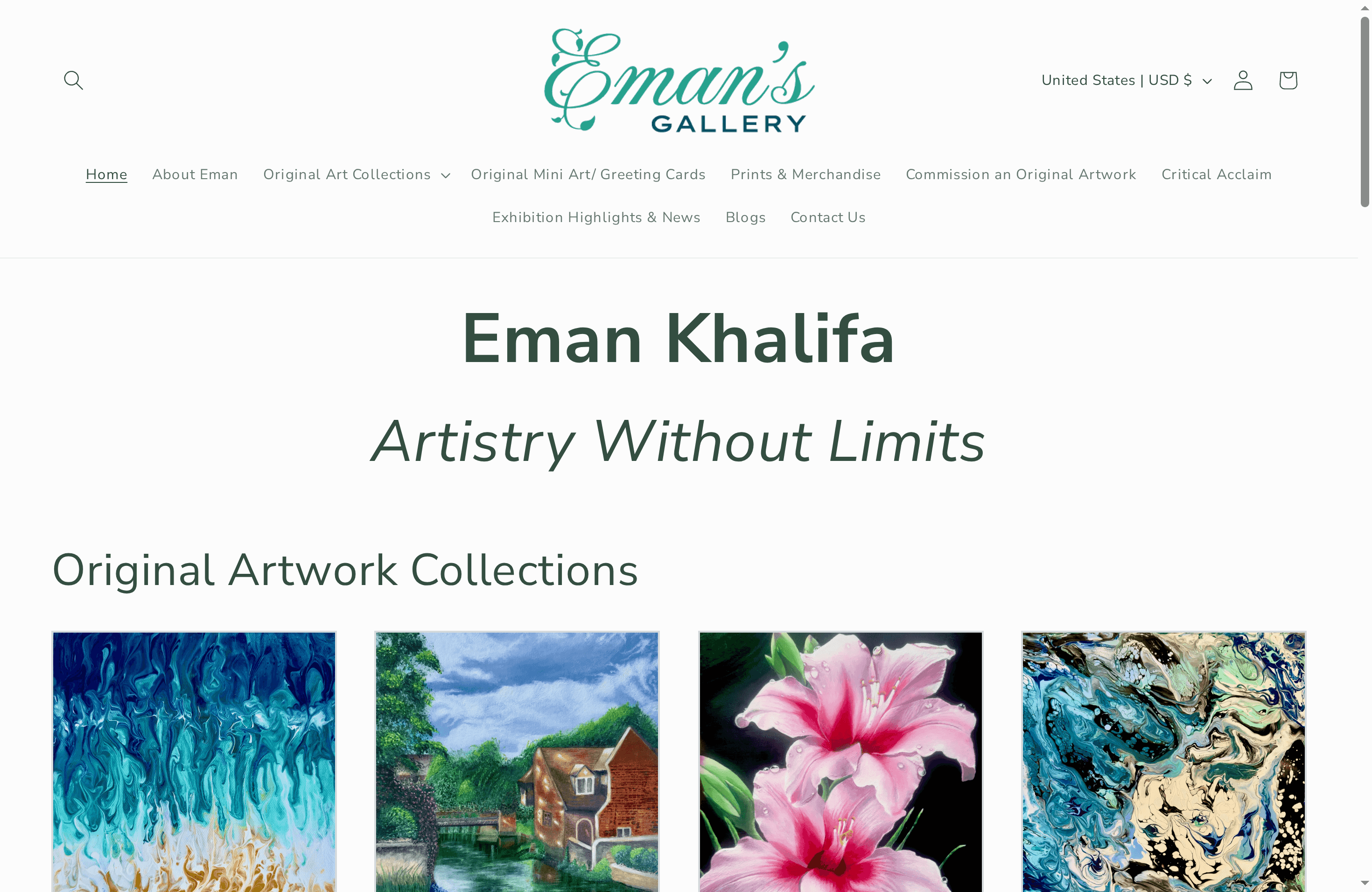
Enhance your interior with pieces that not only complement your design vision but also tell a story through unique mediums. Visit Eman’s Gallery now to start curating your artistic journey with thoughtfully crafted wall art and exclusive merchandise. The perfect piece to complete your space is waiting—make your selection today and experience transformative beauty that lasts.
Frequently Asked Questions
What are the most common art mediums to explore?
Understanding various art mediums is essential as they influence the look and feel of artwork. Common mediums include oil paint, acrylics, watercolor, textiles, and mixed media. Start by visiting local galleries to see these mediums firsthand and determine which resonate with your aesthetic preferences.
How do I choose the right medium for my interior space?
Selecting the right art medium for your space involves considering factors like lighting, wall colors, and existing decor. Evaluate how different mediums will complement or contrast your current design scheme and aim to create a cohesive look. Take the time to map out color palettes and textures before making any purchases.
What techniques should I consider when exploring acrylic painting?
Key techniques to explore in acrylic painting include glazing, impasto, and pouring. Each technique produces distinct visual effects that can dramatically alter the artwork’s impact. Experiment with these techniques in small studies before committing to larger pieces to see how they work with your style.
How can mixed media art contribute to my design goals?
Mixed media art can add depth and texture to your spaces, creating engaging focal points. When selecting mixed media pieces, consider how different materials and techniques will harmonize with your overall design narrative. Aim to choose items that provoke conversation and draw viewers in.
What should I look for when considering large-scale canvas art?
When considering large-scale canvas art, focus on how the size and technique affect the visual impact. Ensure the artwork’s dimensions fit well with your wall space and surrounding elements. Measure your potential display area carefully and visualize how the piece will anchor your room’s design within it.
How do textile and print art enhance interior design?
Textile and print art offer versatility by introducing soft textures and layers to your decor. These mediums not only enhance aesthetic appeal but can also serve functional purposes, such as improving acoustics. Explore incorporating these elements into both wall art and textiles used in furnishings to reinforce your design theme.
Recommended
- Art Print Mediums Explained: Key Types and Uses – Eman’s Gallery
- 7 Essential Modern Abstract Art Trends for Collectors – Eman’s Gallery
- Complete Guide to the Role of Texture in Handart – Eman’s Gallery
- 7 Art Collector Tips for Valuable Collections – Eman’s Gallery
- Must-Have Guitar Accessories for Every Player - MusicStreet
Stay Connected
- ✨ Explore Eman Khalifa’s original art and fine art prints
- 📸 Follow Eman Khalifa’s art journey on: Instagram @emans_gallery and Facebook Eman’s Gallery
- 📹 Watch Eman Khalifa creating live art on: YouTube @emans_gallery
