


Complete Guide to the Role of Texture in Handart
Over 60 percent of American art collectors say that texture is their favorite feature in contemporary handart. This tactile quality not only draws attention, it turns ordinary viewing into a multi-sensory encounter. In a world where digital images dominate, textured pieces stand out by inviting touch, emotion, and personal interpretation. This article reveals how texture shapes both the creative process and the unique impact of contemporary handart on American artists and collectors alike.
Table of Contents
- Defining Texture In Contemporary Handart
- Types And Techniques Of Artistic Texture
- How Texture Influences Artistic Expression
- Visual Impact And Sensory Experience Of Texture
- Selecting And Displaying Textured Artworks
Key Takeaways
| Point | Details |
|---|---|
| Role of Texture in Handart | Texture serves as a powerful artistic language, transforming flat surfaces into dynamic sensory experiences and conveying complex emotional narratives. |
| Techniques for Creating Texture | Contemporary artists employ diverse methods such as layering, grattage, and rubbing to develop rich, multidimensional textures that engage viewers. |
| Impact of Texture on Emotional Engagement | Texture invites psychological and sensory engagement, enabling viewers to connect more deeply with the artwork’s emotional and conceptual narratives. |
| Considerations for Displaying Textured Art | Selecting and displaying textured artworks requires attention to lighting, environmental control, and mounting techniques to preserve their intricate qualities. |
Defining Texture in Contemporary Handart
Texture represents the tactile and visual quality of an artwork’s surface, transforming flat canvas into a dynamic sensory experience. In contemporary handart, texture transcends traditional representation, becoming a powerful artistic language that communicates emotion, depth, and complexity. Artists strategically manipulate surface characteristics to create intricate visual narratives that engage viewers beyond mere visual perception.
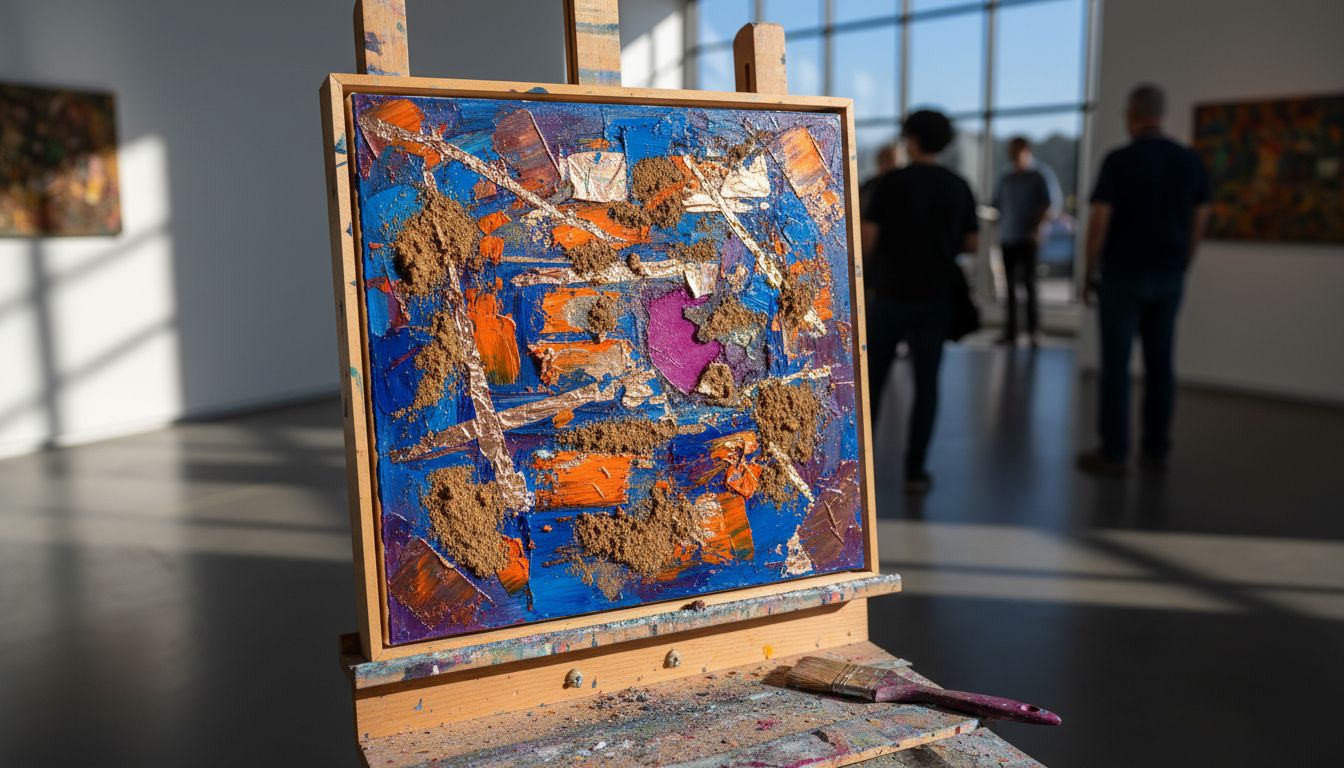
Contemporary artists explore texture through multiple innovative techniques, moving far beyond traditional methods of paint application. By examining textural variations, creators can transform simple materials into rich, multidimensional experiences that challenge viewers’ sensory expectations. Some artists incorporate physical materials like sand, fabric, or found objects, while others use layering, impasto techniques, or deliberate brushwork to generate complex surface interactions.
Research indicates that texture serves multiple critical functions in artistic expression. Through careful manipulation of surface qualities, artists can simulate different material sensations - from the softness of cotton to the rough texture of stone. These textural strategies allow artists to communicate abstract concepts, emotional states, and sensory experiences that transcend traditional two-dimensional representations. By understanding texture as more than a visual element, contemporary handart practitioners create immersive works that invite tactile and emotional engagement from their audience.
Types and Techniques of Artistic Texture
Artistic texture encompasses an extensive range of techniques that transform visual surfaces into rich, multidimensional experiences. Contemporary artists employ diverse methods to create textural complexity, ranging from traditional paint manipulation to innovative material incorporation. Rubbing techniques, known as frottage, represent one fascinating approach where artists capture intricate surface details by placing paper over a textured surface and transferring its characteristics through careful charcoal or pencil application.
Beyond traditional approaches, modern handart practitioners experiment with advanced textural strategies. Layering techniques involve building multiple paint or material layers to create depth and dimensional complexity. Some artists utilize grattage methods, a surrealist technique involving scraping fresh paint with sharp blades to generate dynamic surface patterns. These approaches allow creators to manipulate visual and tactile experiences, transforming flat canvases into intricate sensory landscapes.
Texture techniques can be broadly categorized into several primary methods:
- Physical Texture: Direct manipulation of surface materials
- Visual Texture: Creating illusory depth through color and brushwork
- Implied Texture: Suggesting surface qualities through strategic rendering
Contemporary artists continuously push boundaries by integrating unconventional materials like sand, fabric, metal fragments, and found objects. These innovative approaches challenge traditional artistic conventions, inviting viewers to engage with artworks through multiple sensory dimensions. By understanding and mastering various textural techniques, artists can communicate complex emotional narratives and create immersive visual experiences that transcend conventional representational methods.
How Texture Influences Artistic Expression
Texture serves as a profound communicative mechanism in artistic expression, transcending visual representation to convey deep emotional and psychological landscapes. Artists leverage emotional expressions through textural variations, transforming surface characteristics into nuanced language that speaks directly to viewers’ sensory and emotional experiences. Artistic texture becomes a powerful vehicle for translating subjective experiences, allowing creators to encode complex feelings and abstract concepts through physical and visual manipulations.
The transformative power of texture extends beyond simple visual perception, functioning as a system-forming principle that organizes expressive means across artistic genres. Contemporary artists strategically employ texture to generate multiple layers of meaning, challenging viewers to engage with artworks through tactile and emotional dimensions. By deliberately selecting materials, applying layering techniques, and experimenting with surface interactions, creators can communicate narratives that words cannot adequately express.
Texture’s emotional communication occurs through several key mechanisms:
- Psychological Resonance: Triggering subconscious emotional responses
- Sensory Engagement: Inviting viewers to imagine touching and experiencing the artwork
- Narrative Encoding: Embedding subtle stories and experiences within surface qualities
Ultimately, texture represents a sophisticated artistic language that transforms passive visual consumption into an immersive, multisensory experience. By understanding texture as more than a visual element, artists can create profound connections with their audience, inviting deeper contemplation and emotional interaction through carefully crafted surface experiences.
Visual Impact and Sensory Experience of Texture
Texture transforms visual art from a passive viewing experience into an active sensory journey, engaging viewers through intricate surface interactions. Contemporary artists meticulously craft visual experiences by employing diverse mark-making techniques such as hatching, cross-hatching, stippling, and scribbling. These techniques allow creators to generate complex visual landscapes that invite viewers to explore beyond traditional two-dimensional representations.
The sensory experience of texture transcends mere visual perception, creating a multi-dimensional dialogue between artwork and audience. Artists strategically manipulate surface qualities to evoke specific emotional and psychological responses, using textural variations to suggest movement, depth, and underlying narratives. By carefully selecting materials and application methods, creators can simulate tactile sensations that trigger profound sensory memories and immersive experiences.
Key techniques for generating visual and sensory texture include:
- Hatching: Creating tone and texture through parallel lines
- Cross-hatching: Generating depth through intersecting line networks
- Stippling: Building texture through carefully placed dots
- Scribbling: Introducing dynamic, organic surface variations
Ultimately, texture represents a sophisticated artistic language that bridges visual representation and sensory experience. Contemporary handart practitioners leverage these techniques to transform flat surfaces into rich, multidimensional landscapes that challenge viewers’ perceptual boundaries and invite deeper, more intimate engagement with artistic expression.
Selecting and Displaying Textured Artworks
Textured artworks require careful consideration when selecting and displaying to maximize their visual and sensory impact. Oil painting techniques offer exceptional versatility, providing artists with the ability to create intricate layers and rich surface variations that capture light and depth in unique ways. When choosing textured pieces, collectors should examine how different lighting conditions interact with the artwork’s surface, revealing nuanced details and creating dynamic visual experiences.
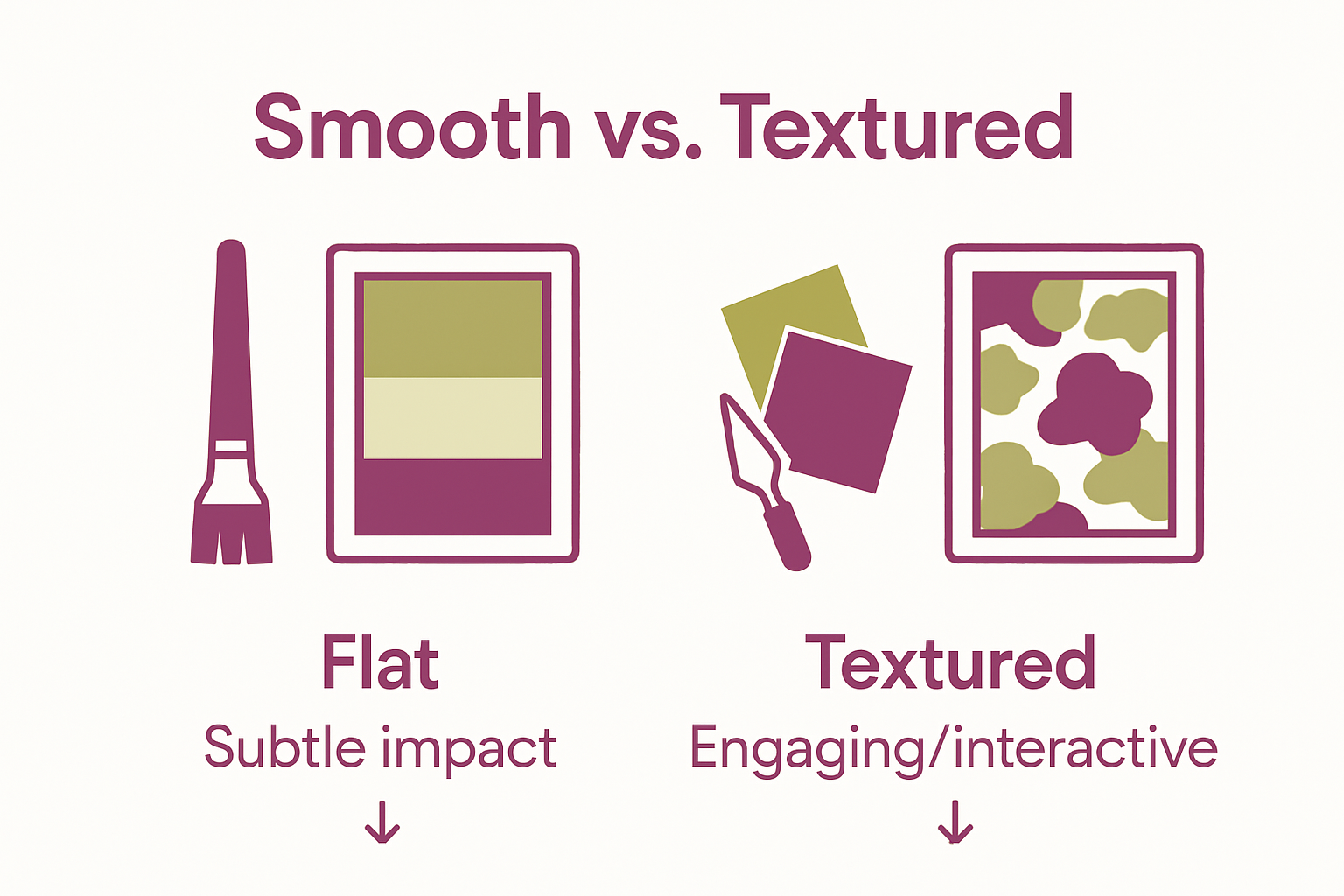
Professional art preservation requires understanding the technical aspects of artwork maintenance. Comprehensive material research provides critical insights into canvas preparation, conservation techniques, and display strategies that protect the artwork’s intricate textural qualities. Art enthusiasts should consider factors like humidity, direct sunlight exposure, and mounting techniques that preserve the artwork’s delicate surface characteristics.
Key considerations for selecting and displaying textured artworks include:
- Lighting Placement: Strategically position artwork to highlight textural details
- Environmental Control: Maintain consistent temperature and humidity
- Mounting Techniques: Use professional framing that protects surface integrity
- Display Location: Choose spaces with appropriate ambient conditions
When styling art prints for interior spaces, consider how the artwork’s texture interacts with surrounding design elements. Contemporary interior design embraces textured artworks as statement pieces that transform living spaces, inviting viewers to engage with art through multiple sensory dimensions. By thoughtfully selecting and displaying textured pieces, collectors can create immersive environments that celebrate the intricate language of artistic expression.
Experience the Power of Texture in Original Handcrafted Art
Understanding how texture shapes emotional expression and sensory engagement in contemporary handart opens new doors for art lovers who want more than just decoration. If you are drawn to surface richness and the psychological depth that texture conveys, exploring the Tectonic collection by Eman Khalifa offers you layered artworks that speak through intricate texture and material interplay.

Discover unique original paintings, museum-quality prints, and exclusive art-inspired merchandise at Eman’s Gallery tailored for collectors and interior designers who appreciate how tactile qualities bring stories and emotions alive. Don’t wait to enrich your space with textured creativity that invites touch and thoughtful connection. Browse detailed texture-driven art in the Thunder collection and start your transformative visual journey today.
Frequently Asked Questions
What is texture in contemporary handart?
Texture in contemporary handart refers to the tactile and visual quality of an artwork’s surface, which transforms flat canvases into dynamic sensory experiences, allowing artists to communicate deep emotion and complexity.
How do artists create texture in their artworks?
Artists create texture using various techniques such as layering, impasto, and incorporating physical materials like sand and fabric. They may also use methods like frottage, grattage, and diverse mark-making techniques to enhance the surface quality of their work.
Why is texture important in artistic expression?
Texture is important in artistic expression because it serves as a powerful communicative mechanism that can convey emotional and psychological landscapes. It invites viewers to engage with artworks through tactile and emotional dimensions, altering their perception and experience.
What are some key techniques for generating visual and sensory texture?
Some key techniques for generating visual and sensory texture include hatching, cross-hatching, stippling, and scribbling. These methods allow artists to create intricate surface interactions that enhance the visual depth and overall experience of the artwork.
Recommended
- Textured Artwork Explained: Styles, Techniques, and Uses – Eman’s Gallery
- Complete Guide to Types of Art for Interiors – Eman’s Gallery
- What Is Contemporary Art? Complete Guide Explained – Eman’s Gallery
- Art Print Mediums Explained: Key Types and Uses – Eman’s Gallery
Stay Connected
- ✨ Explore Eman Khalifa’s original art and fine art prints
- 📸 Follow Eman Khalifa’s art journey on: Instagram @emans_gallery and Facebook Eman’s Gallery
- 📹 Watch Eman Khalifa creating live art on: YouTube @emans_gallery
