


Why Art Matters – Impact on Culture and Wellbeing
Over 60 percent of American adults say art plays a significant role in their daily lives. Connecting with creative works is not just about visual pleasure but about cultural identity, emotional understanding, and powerful communication. Whether viewed in a major American museum or created in a neighborhood studio, art continues to influence how people think, feel, and engage with society. Discover how art’s diverse forms shape American communities, individual expression, and everyday experience.
Table of Contents
- Defining Art And Its Fundamental Roles
- Types Of Art And Their Unique Value
- Art’s Impact On Culture And Society
- How Art Influences Wellbeing And Emotion
- Art In Contemporary Spaces And Investment
Key Takeaways
| Point | Details |
|---|---|
| Art as Communication | Art conveys complex emotions and ideas, facilitating understanding across diverse experiences. |
| Healing Through Art | Engaging with art can promote emotional well-being and aid in processing trauma. |
| Cultural Commentary | Art challenges societal norms and provides a voice for marginalized perspectives, driving social change. |
| Investment Potential | Original artworks are increasingly seen as financial investments, necessitating a deeper understanding of artists and market trends. |
Defining Art and Its Fundamental Roles
Art represents a profound human expression transcending simple visual representation, embodying complex communication and emotional transmission. Understanding art’s fundamental properties requires recognizing its intrinsic characteristics beyond mere aesthetic appearance - exploring color, shape, texture, and the underlying intentions behind creative work.
At its core, art serves multiple critical societal functions. According to scholarly research, these functions range from communication and entertainment to potential mechanisms for psychological healing and social transformation. Artistic expression enables individuals to convey complex emotions, challenge existing perspectives, and create shared understanding across diverse human experiences.
The multifaceted nature of art means it operates simultaneously as a cultural artifact, psychological tool, and social commentary. Artistic functions often overlap, demonstrating how a single artwork can communicate political perspectives, provide emotional catharsis, and challenge established societal narratives. Whether through painting, sculpture, performance, or digital media, art remains a powerful mechanism for human connection and understanding.
Pro Tip for Art Enthusiasts: Approach art with curiosity and openness, recognizing that each piece carries multiple layers of meaning beyond its immediate visual impact. Allow yourself to explore personal emotional responses without feeling pressured to interpret the artwork through a single, definitive lens.
Here is a summary of key roles that art plays in society:
| Role of Art | Primary Impact | Example Context |
|---|---|---|
| Communication | Shares ideas and emotions | Political murals |
| Entertainment | Provides cultural enjoyment | Theater performances |
| Healing | Supports mental wellbeing | Art therapy sessions |
| Social Transformation | Inspires social change | Protest posters |
| Cultural Preservation | Maintains community identity | Traditional crafts |
Types of Art and Their Unique Value
Art encompasses a rich diversity of forms, each carrying distinct aesthetic and cultural significance. Throughout history, different art genres have been ranked and valued according to complex social and cultural standards, revealing the nuanced ways human societies interpret creative expression. Traditional hierarchies often privileged historical painting and portraiture, positioning these genres as most prestigious and intellectually sophisticated.
Contemporary art challenges these historical classifications, recognizing value across multiple mediums. Visual art forms now include painting, sculpture, photography, digital art, performance art, installation pieces, and multimedia experiences. Understanding the unique value of original art means appreciating how each medium communicates distinct emotional and intellectual narratives, transcending traditional genre boundaries.
Different art types serve unique purposes in human communication and experience. Landscape art connects viewers with natural environments, still life paintings explore texture and perception, portraiture captures human complexity, and abstract art challenges cognitive understanding. These diverse forms reflect our multifaceted human experience, providing windows into personal and collective consciousness through creative expression.
Pro Tip for Art Explorers: Approach diverse art forms with an open mind, recognizing that each medium offers a unique lens for understanding human experience. Don’t limit yourself to traditional preferences - explore unfamiliar art styles to expand your perceptual and emotional horizons.
This table compares major visual art forms by their core focus and unique value:
| Art Form | Core Focus | Distinct Value |
|---|---|---|
| Painting | Color and composition | Visual storytelling and emotion |
| Sculpture | Physical space and texture | Tangible engagement and symbolism |
| Photography | Captured moments | Realism and frozen time |
| Digital Art | Virtual manipulation | Innovation and interactivity |
| Performance Art | Time-based experience | Ephemeral expression and direct impact |
| Installation Art | Immersive environment | Audience participation and context |
Art’s Impact on Culture and Society
Art functions as a powerful social mechanism, serving as both a mirror and catalyst for cultural transformation. Contemporary art movements provide profound insights into societal dynamics, challenging existing narratives and presenting alternative perspectives that provoke critical thinking and social dialogue.
Through various mediums, art communicates complex social experiences that transcend verbal language. Cultural expression becomes a nuanced dialogue where artists articulate collective emotions, historical traumas, political tensions, and human aspirations. Visual representations capture moments of social change, documenting human experiences that traditional historical records might overlook, thereby preserving collective memory and understanding.
Societies develop and evolve through artistic dialogue, with creative works challenging established norms, questioning power structures, and imagining alternative social possibilities. Art becomes a revolutionary tool for social commentary, enabling marginalized voices to communicate their experiences, critique systemic inequalities, and inspire collective imagination. From protest movements to cultural celebrations, artistic expressions provide platforms for shared understanding and transformative social discourse.
Pro Tip for Cultural Observers: Approach art as a dynamic social text, recognizing that each creative work carries layers of cultural meaning beyond its immediate visual representation. Engage with artworks critically, considering the historical, social, and personal contexts that shape their creation and interpretation.
How Art Influences Wellbeing and Emotion
Art-based research demonstrates profound connections between creative expression and psychological healing. Engaging with art allows individuals to explore complex emotional landscapes, providing a powerful mechanism for processing feelings, trauma, and personal experiences that may be challenging to articulate through traditional communication methods.
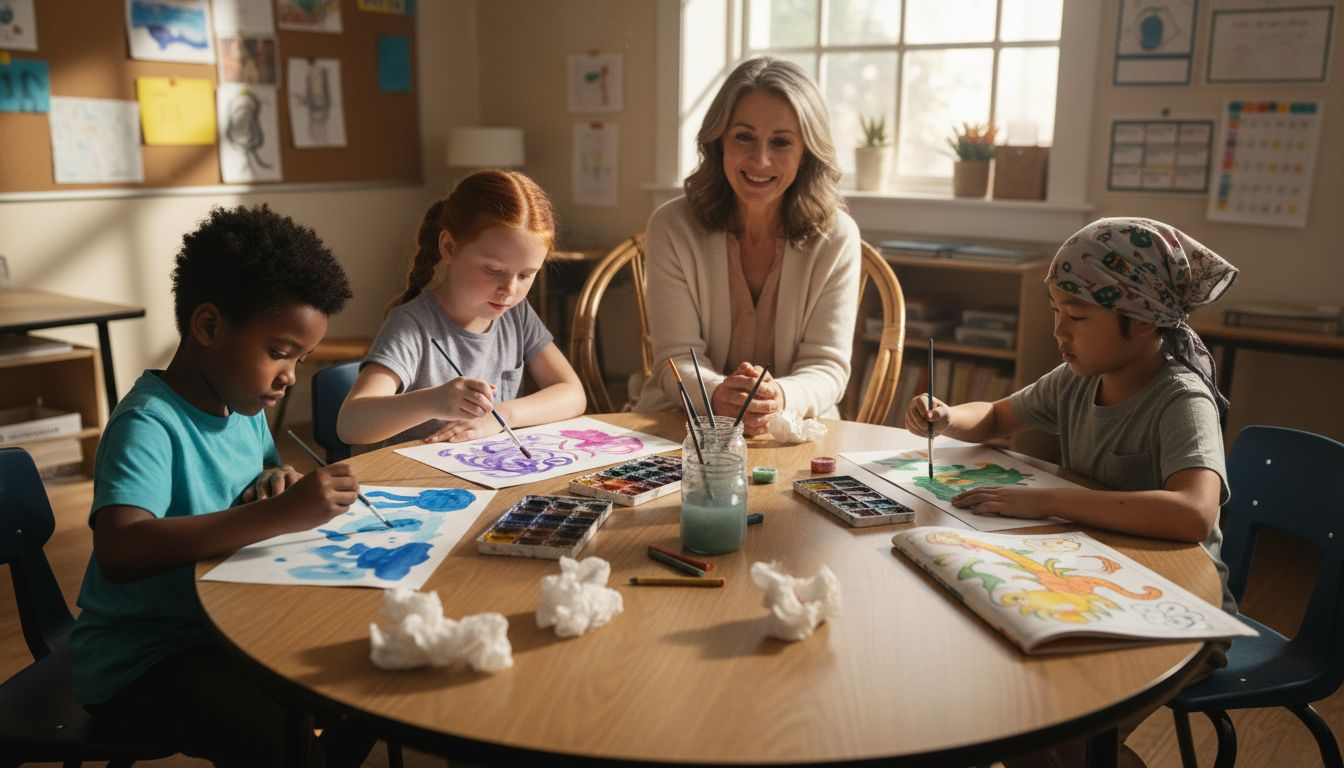
Emotional processing through art transcends verbal language, enabling people to connect with their inner emotional states through visual, auditory, and performative experiences. Arts integration in educational and therapeutic contexts reveals how creative activities can reduce stress, enhance self-awareness, and promote psychological resilience. By creating or experiencing art, individuals develop emotional intelligence, learning to recognize, understand, and navigate their complex emotional terrains.
Different art forms offer unique pathways to emotional well-being. Painting allows for color-based emotional expression, music provides rhythmic emotional release, dance enables physical emotional transformation, and visual arts create spaces for introspection and personal narrative construction. These creative processes activate neural pathways that support emotional regulation, helping individuals develop healthier coping mechanisms and deeper self-understanding.
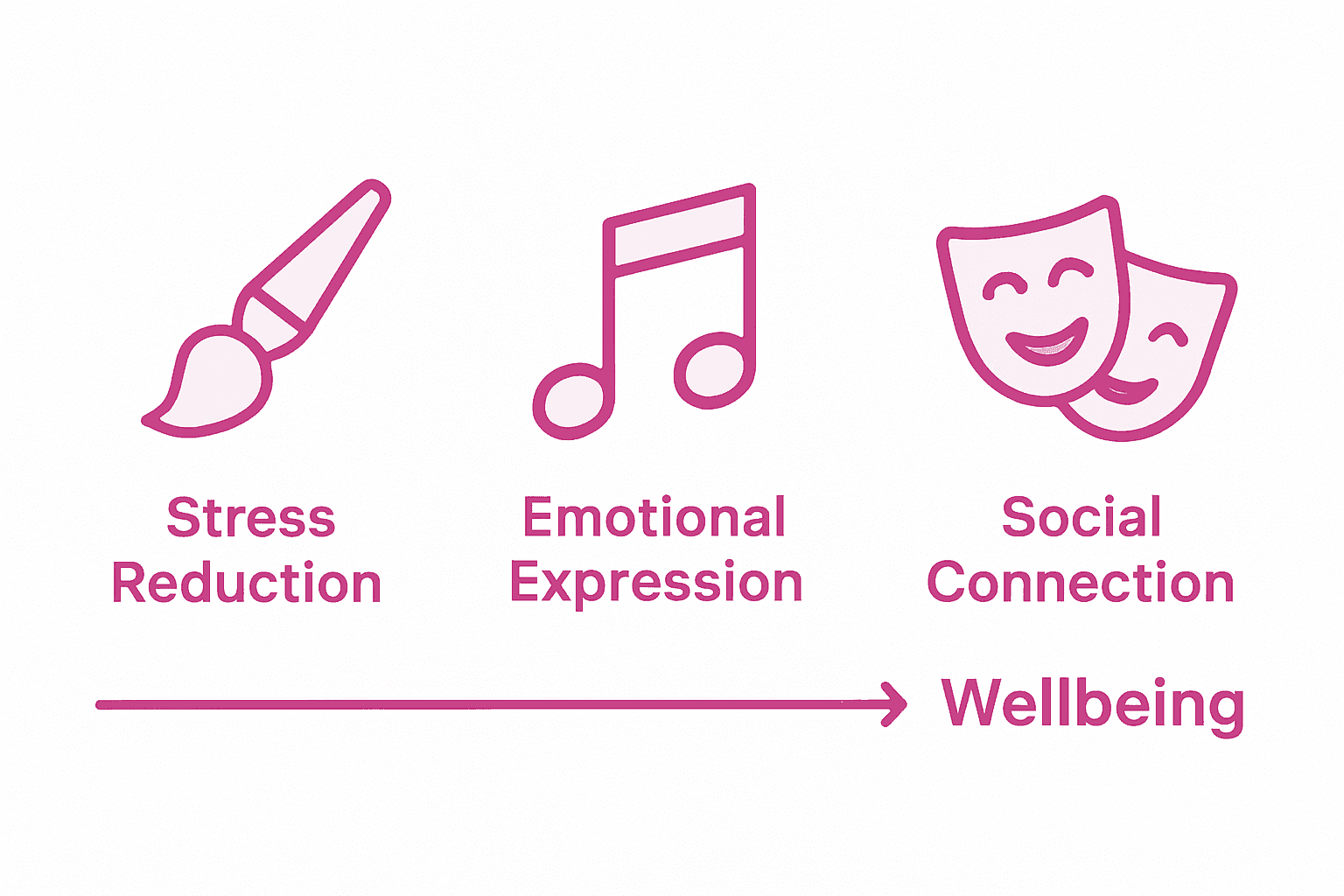
Pro Tip for Emotional Wellness: Approach art as a personal exploration tool, allowing yourself to engage without judgment. Create or experience art as a form of emotional meditation, focusing on the process rather than the final product’s aesthetic value.
Art in Contemporary Spaces and Investment
Contemporary art composition analysis reveals intricate dynamics between artistic elements and investment potential. Modern art collectors and interior designers increasingly view original artworks not just as aesthetic enhancements but as strategic financial assets with potential appreciation over time. Recognizing individual creative styles has become crucial in understanding an artwork’s unique market value and long-term investment characteristics.
Investment strategies in contemporary art demand sophisticated understanding beyond traditional aesthetic appreciation. Original artworks from emerging artists represent potential financial opportunities, with value determined by factors like artistic innovation, cultural relevance, technical mastery, and the artist’s developing reputation. Contemporary wall art selections now integrate seamlessly into interior design schemes, transforming spaces while simultaneously serving as potential financial investments.
Contemporary art spaces have evolved from traditional gallery models to dynamic, interactive environments that blend cultural experience with investment potential. Collectors and interior designers now approach art acquisitions as multifaceted decisions, considering aesthetic appeal, emotional resonance, cultural significance, and potential financial appreciation. This holistic approach transforms art from a passive decorative element into an active, dynamic asset with potential for personal and financial growth.
Pro Tip for Art Investors: Develop a nuanced understanding of an artist’s background, creative trajectory, and cultural context before making investment decisions. Research emerging artists with distinctive styles and consistent creative development to identify potential long-term value appreciation.
Discover Art That Enriches Culture and Wellbeing Today
The article highlights the powerful role of art in transforming culture and enhancing emotional wellbeing. If you are seeking original artworks that not only decorate spaces but also promote healing, emotional connection, and cultural dialogue, our Contemporary collection at Eman’s Gallery offers unique paintings and art pieces that embody these values. Each piece serves as a catalyst for personal reflection and social inspiration, making your environment a meaningful space.
Experience art that communicates deeply and supports your emotional wellness by exploring the variety of original creations in our Geometric and Tectonic - From Geologic Art to Prints & Merch | by Eman Khalifa collections. Don’t wait to transform your living or work space into a sanctuary of cultural richness and wellbeing. Visit Eman’s Gallery now and find the perfect piece that speaks to your heart and your home.
Frequently Asked Questions
What are the fundamental roles of art in society?
Art serves multiple critical functions, including communication of ideas and emotions, providing entertainment, supporting psychological healing, inspiring social transformation, and maintaining cultural identity.
How does art influence emotional well-being?
Engaging with art allows individuals to explore and process complex emotions, leading to enhanced self-awareness, stress reduction, and improved emotional regulation. Different art forms offer varied pathways for emotional expression and healing.
What types of art are considered valuable in contemporary society?
Contemporary art values various forms, including painting, sculpture, photography, digital art, performance art, and installation art, each communicating distinct emotional and intellectual narratives and serving unique purposes.
How can art be a tool for social change?
Art acts as a powerful social mechanism by challenging societal norms, presenting alternative perspectives, and providing platforms for marginalized voices, facilitating critical dialogue and inspiring collective action for social change.
Recommended
- 7 Essential Modern Abstract Art Trends for Collectors – Eman’s Gallery
- The Essential Guide to Art Appreciation – Eman’s Gallery
- What Is Contemporary Art? Complete Guide Explained – Eman’s Gallery
- Self-Actualization as Foundation Through Art – Eman’s Gallery
Stay Connected
- ✨ Explore Eman Khalifa’s original art and fine art prints
- 📸 Follow Eman Khalifa’s art journey on: Instagram @emans_gallery and Facebook Eman’s Gallery
- 📹 Watch Eman Khalifa creating live art on: YouTube @emans_gallery
